DotVPN presents itself as a superior VPN solution, but does it live up to the claim? This review delves into the features, performance, security aspects, and overall user experience to determine if DotVPN truly offers a “better way to VPN.” We’ll explore its strengths and weaknesses, comparing it to other available VPN services to provide a well-rounded assessment.
Primary Functions and Usability: A First Look at DotVPN
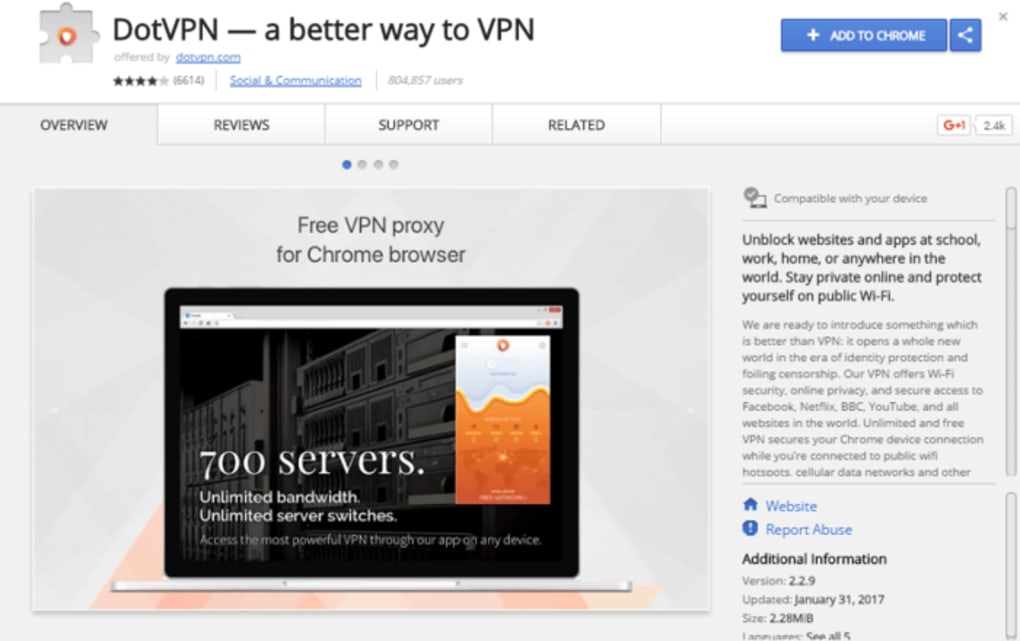
DotVPN boasts a user-friendly interface, aiming for simplicity and ease of access. The core functionality revolves around providing a secure and encrypted connection to the internet, masking your IP address and encrypting your data. This is crucial for online privacy and security, particularly when using public Wi-Fi networks or accessing sensitive information. The software claims a connection to over 700 locations worldwide, offering a wide range of server options to choose from. This geographical diversity is a key advantage, allowing users to bypass geo-restrictions and access content unavailable in their region.
The advertised unlimited bandwidth is a significant selling point, especially for users who frequently download large files or stream high-definition video. Unlimited bandwidth eliminates the frustrating experience of data caps common in many other VPN services. The promise of near-instantaneous server switching ensures a seamless connection, minimizing downtime and interruptions.
The use of 4,096-bit encryption is a strong security feature. This robust encryption method significantly enhances data protection, making it difficult for unauthorized individuals or entities to intercept and decipher your online activity. The integrated compression system further optimizes performance by reducing data transfer rates, particularly beneficial for users with slower internet connections.
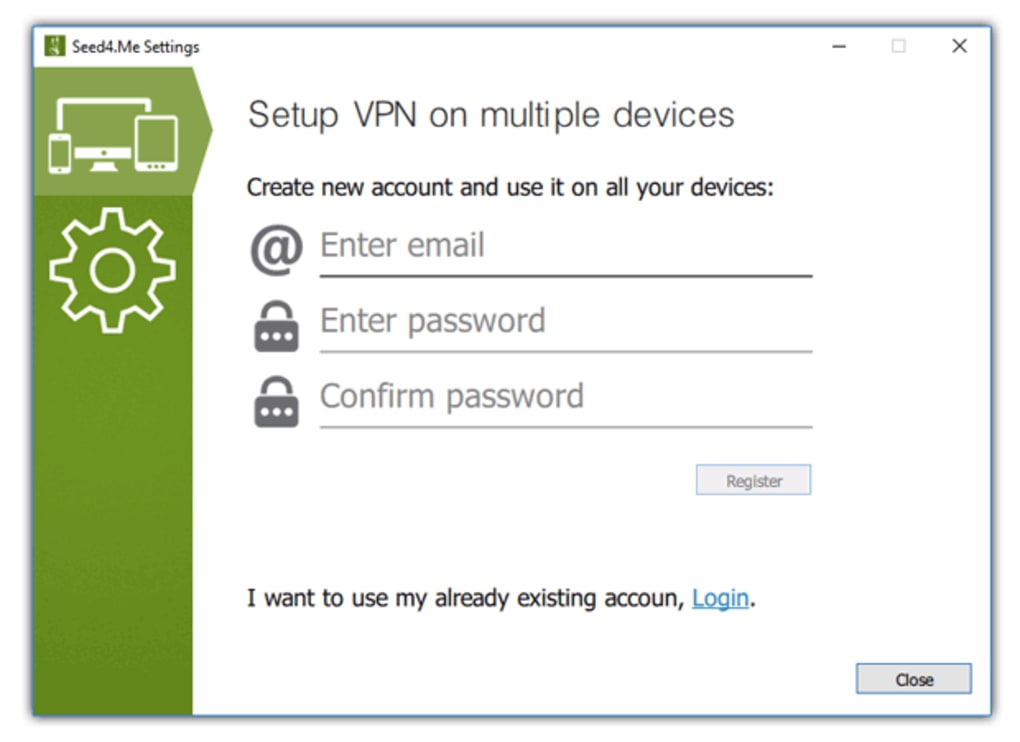
However, the reliance on a single browser extension (initially Chrome-only, though the original text doesn’t specify if this has changed) limits its applicability. While a browser extension can be useful for securing online activities within the browser, a system-wide VPN offers more comprehensive protection across all applications and processes running on a device. The lack of a dedicated app for other operating systems like Windows, macOS, Android, and iOS is a significant drawback and severely limits the potential user base. The original text mentions a Windows version, but it was last updated in 2019, raising concerns about the level of ongoing support and security updates.
Security Features and Protocols: How Secure is DotVPN?
While DotVPN promotes its 4,096-bit encryption as a major security advantage, a thorough review requires more than just a single feature assessment. The security of a VPN hinges on multiple factors, including the protocols used, the security practices of the provider, and the transparency of its operations. Without detailed information regarding the specific VPN protocols (e.g., OpenVPN, WireGuard, IKEv2) employed by DotVPN, it’s difficult to fully evaluate its security robustness. Industry-standard VPN protocols provide a layered approach to security, often combining encryption, authentication, and data integrity mechanisms to ensure a secure connection.
The lack of detailed information on the provider’s logging policies raises concerns. A truly secure VPN should have a strict no-logs policy, ensuring that the provider does not collect or retain user data that could compromise their privacy. Without transparency in this area, users are left vulnerable to potential data breaches or government surveillance. Furthermore, the lack of independent audits or security certifications reduces the confidence in DotVPN’s security claims. Reputable VPN providers often undergo regular security audits to validate their security practices and assure users of their commitment to privacy.
Performance and Speed: Is DotVPN Fast Enough?
The advertised unlimited bandwidth and fast server switching are crucial for optimal performance. However, the actual speed experienced by users will vary depending on several factors, including their internet connection speed, the server location chosen, and the network congestion at that particular server. While the original text promises minimal latency and quick server changes, real-world testing and user reviews are necessary to validate these claims.
Many VPN services experience some degree of speed reduction compared to a direct internet connection. This is often due to the overhead associated with encryption and the distance between the user and the VPN server. A significant speed reduction can make online activities such as streaming or gaming frustrating. Independent benchmarks and user feedback on speed and latency are critical to accurately assessing DotVPN’s performance.
The original text mentions an integrated firewall, which could potentially improve security. However, the effectiveness of this integrated firewall needs thorough investigation. A firewall is a valuable security tool, but its success relies heavily on its configuration, updates, and the overall security practices of the VPN provider.
Privacy and Anonymity: Does DotVPN Protect Your Privacy?
The promise of anonymity is a central appeal of VPNs. However, the efficacy of a VPN in protecting user privacy depends on its logging policies, security practices, and the legal jurisdiction in which the provider operates. The lack of transparency about DotVPN’s logging policies is a major concern. Many jurisdictions have data retention laws that could force VPN providers to disclose user information to law enforcement. Users should be aware of the legal implications and potential risks associated with using a VPN service.
DotVPN’s original description doesn’t mention any specific measures to enhance user anonymity beyond the basic functionality of masking their IP address. Advanced privacy features such as obfuscation techniques or multi-hop connections could further enhance anonymity and make it more difficult to track user activity. These features are often employed by VPN providers that prioritize user privacy.
Comparison with Other VPN Services: How Does DotVPN Stack Up?
To comprehensively evaluate DotVPN, it’s crucial to compare it to other prominent VPN services in the market. Many well-established VPN providers offer similar features such as unlimited bandwidth, robust encryption, and a wide range of server locations. However, they often differ significantly in terms of their pricing, security features, privacy policies, and customer support.
When comparing VPNs, it’s essential to consider factors such as:
- Pricing: Is the service free, subscription-based, or offering different tiered plans?
- Security protocols: Which VPN protocols does the service support?
- Server locations: How many server locations are available, and where are they located?
- Logging policies: Does the provider have a no-logs policy?
- Customer support: How responsive and helpful is the customer support team?
- Speed and performance: How does the service affect internet speed?
- Platform compatibility: Does it support all the devices and operating systems you need?
A detailed comparison of DotVPN with other reputable VPN providers would highlight its strengths and weaknesses in a comparative context, giving potential users a clearer understanding of their options. The lack of recent updates and limited platform support already put DotVPN at a significant disadvantage compared to competitors who continuously improve their features, security, and platform compatibility.
In conclusion, while DotVPN initially presents a seemingly attractive option with its unlimited bandwidth and strong encryption claims, crucial information regarding its security protocols, logging policies, and performance benchmarks are missing. Furthermore, the limited platform compatibility significantly reduces its usability and overall appeal. Before deciding to use DotVPN, prospective users should carefully weigh its advantages against its shortcomings and compare it to other VPN providers offering greater transparency and more comprehensive features. The lack of recent updates and independent security audits further raise concerns about its long-term viability and security. In the highly competitive VPN market, DotVPN needs substantial improvements to justify its claim of being a “better way to VPN.”
File Information
- License: “Free”
- Version: “2.2.10”
- Latest update: “March 11, 2019”
- Platform: “Windows”
- Downloads: “13.7K”