
DoubleTwist was a popular media synchronization software application that aimed to bridge the gap between personal computers and various portable devices. Its primary function was to streamline the process of transferring photos, videos, and music between a computer and devices like mobile phones, smartphones, PDAs, PSPs, cameras, and MP3 players. While initially promising, its legacy is marked by a mix of positive user experiences and significant criticisms, particularly regarding compatibility and functionality. This article explores DoubleTwist’s features, user reception, and its place in the evolution of media management software.
DoubleTwist’s Core Functionality: Syncing Your Digital Life
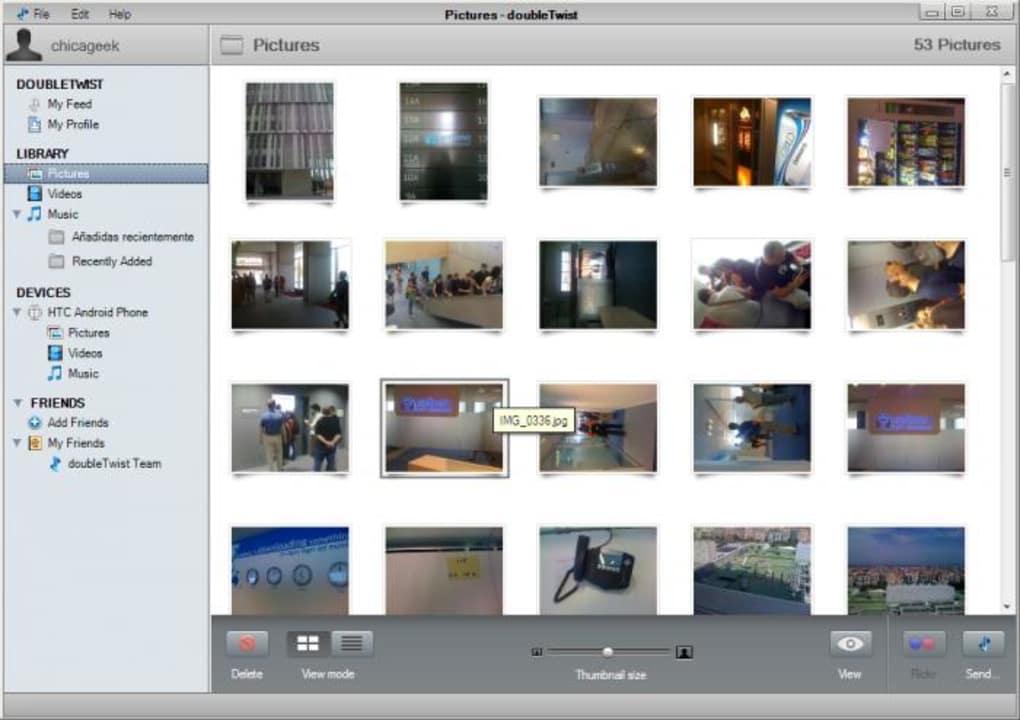
At its core, DoubleTwist’s purpose was simple: to make media synchronization easy. Users could connect their portable devices to their computers, and the software would facilitate the transfer of media files in both directions. This encompassed various file types, including photos, videos, and music, making it a potential one-stop shop for managing digital media across multiple platforms. The software boasted an intuitive interface, designed to be user-friendly and accessible, even for users unfamiliar with complex media management tools. The interface, reminiscent of iTunes, featured a sidebar for navigation and a main area displaying the content of the selected category. This structure aimed to provide a familiar and easy-to-navigate experience for users accustomed to similar software designs.
However, DoubleTwist’s ease of use was somewhat hampered by the absence of drag-and-drop functionality. While the software allowed for browsing and transferring files, the lack of drag-and-drop support added an extra layer of complexity compared to more streamlined alternatives. Furthermore, customization options were limited, leaving users with minimal control over the specifics of the synchronization process. The program’s functionality was also somewhat inconsistent across different devices. While it claimed broad compatibility, reports surfaced of incompatibility issues with specific models of iPods and other devices, highlighting a crucial drawback in the software’s performance.
Beyond Basic Synchronization: Sharing and Playback Capabilities
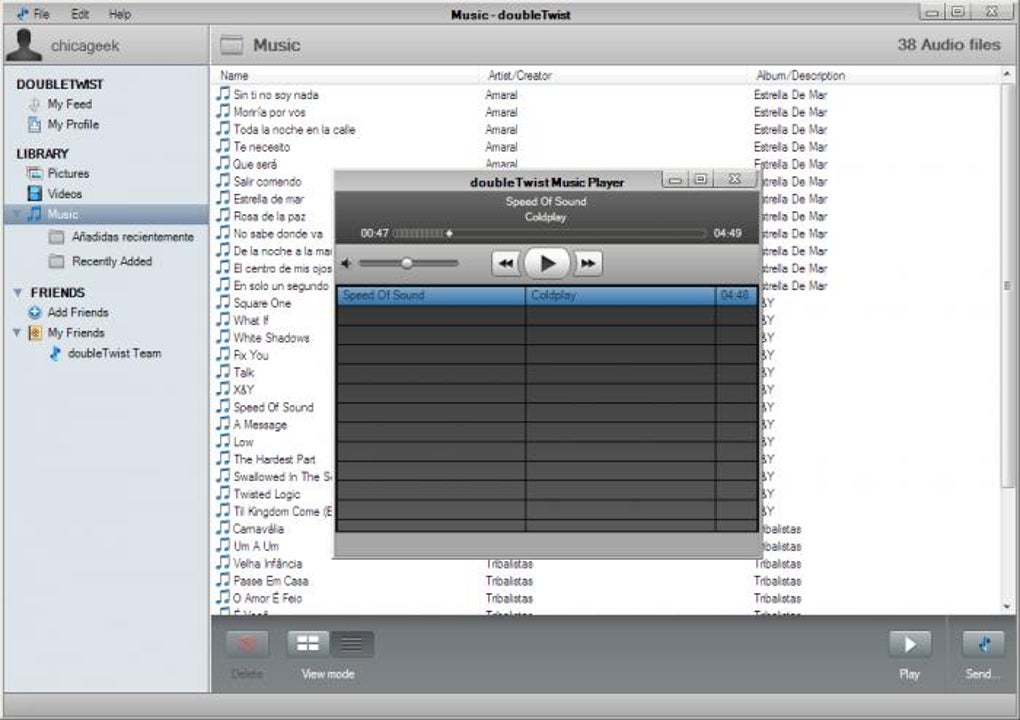
Beyond its core synchronization capabilities, DoubleTwist offered additional features designed to enhance the user experience. One notable addition was the ability to play music and view photos directly within the application without requiring the use of third-party media players or viewers. This integrated approach aimed to streamline the media consumption process, allowing users to access their media files directly within the DoubleTwist environment. This all-in-one approach was a potential selling point, removing the need for users to juggle multiple applications for different media types.
DoubleTwist also included a unique social sharing feature. Users could add each other as “friends” within the software and then share media files directly with their contacts. This feature attempted to build a social aspect into the media management process, enabling users to easily share their media collections with their friends and family, provided they also used the DoubleTwist application. The success of this feature likely depended on the adoption rate of the software among the user’s social circles.
User Reviews and Criticisms: A Mixed Bag of Experiences
User reviews regarding DoubleTwist reveal a mixed reception. While some users praised its intuitive interface and ease of use for basic media synchronization, many criticisms targeted its limitations and inconsistencies. Several users reported issues with compatibility, particularly with Apple devices like the iPod Touch. Others complained about the absence of drag-and-drop functionality and the limited customization options. The lack of robust customization made it difficult for users to tailor the program to their specific preferences and workflow, potentially leading to frustration.
One recurring negative comment highlighted a particularly concerning issue: reports of unintended data loss. Some users claimed that following the software’s instructions resulted in the deletion of media files from external hard drives. This serious flaw raised significant concerns about data security and the overall reliability of the software. The responses from DoubleTwist’s support team, as reported by some users, were unsatisfactory and unhelpful, adding to the negative perception of the software and its support network. This lack of adequate support, coupled with reports of data loss, seriously undermined user confidence in the application.
Furthermore, some users deemed the software overpriced for its limited functionality, especially given the availability of alternative free or cheaper options offering comparable or superior features. The cost-benefit analysis, in the eyes of many users, leaned heavily towards the negative, particularly considering the reported bugs and compatibility issues. This pricing strategy, when coupled with the negative user experiences, contributed significantly to the negative reputation of DoubleTwist among its users.
Comparison to Alternatives: The Competitive Landscape
During its active lifespan, DoubleTwist faced competition from a number of established media management applications and services, including iTunes for Apple devices and various Android-specific solutions. The competitive landscape made it challenging for DoubleTwist to establish a dominant position in the market. Competitors often offered more features, better compatibility, and robust customer support, leading many users to choose alternatives.
The fact that DoubleTwist was not a fully integrated solution, unlike iTunes’s dominance within the Apple ecosystem, also contributed to its limited success. Users generally preferred tightly integrated solutions offered by device manufacturers or established platforms due to better compatibility and a more streamlined user experience. This lack of integration and compatibility issues proved to be major hurdles in DoubleTwist’s ability to compete effectively in a rapidly evolving technological landscape.
DoubleTwist’s Legacy: A Case Study in Software Development
DoubleTwist’s story serves as a case study in software development. While initially promising a user-friendly solution for media synchronization, the software’s limitations, inconsistencies, and critical shortcomings, such as reports of data loss, significantly undermined its long-term success. The lack of strong customer support further exacerbated the negative experiences of users.
The software’s shortcomings highlight the importance of thorough testing, robust quality control, and responsive customer support in the development and launch of software applications. The negative user experiences associated with DoubleTwist serve as a stark reminder that a seemingly simple concept, such as media synchronization, requires careful execution and continuous improvement to succeed in a competitive marketplace. The lack of critical features, like drag-and-drop functionality, and issues with compatibility across various platforms significantly hindered its appeal. Ultimately, DoubleTwist’s failure to address these shortcomings and maintain user trust contributed to its eventual decline. Its legacy serves as a cautionary tale in the ever-evolving world of software development.
File Information
- License: “Free”
- Version: “3.0.0.6339”
- Latest update: “May 8, 2020”
- Platform: “Windows”
- OS: “Windows 7”
- Language: “English”
- Downloads: “88.7K”
- Size: “971.13 KB”


