
Dream League Soccer (DLS) has carved a significant niche in the mobile gaming world, offering a compelling soccer simulation experience accessible to a broad audience. While this review focuses on DLS 2017, it’s important to contextualize it within the broader franchise’s evolution and the competitive landscape of mobile soccer games. The DLS series, developed by First Touch Games, distinguishes itself through a blend of accessible gameplay, extensive customization options, and surprisingly robust visuals—features that continue to be refined in later iterations.
Graphics and Gameplay: A Solid Foundation
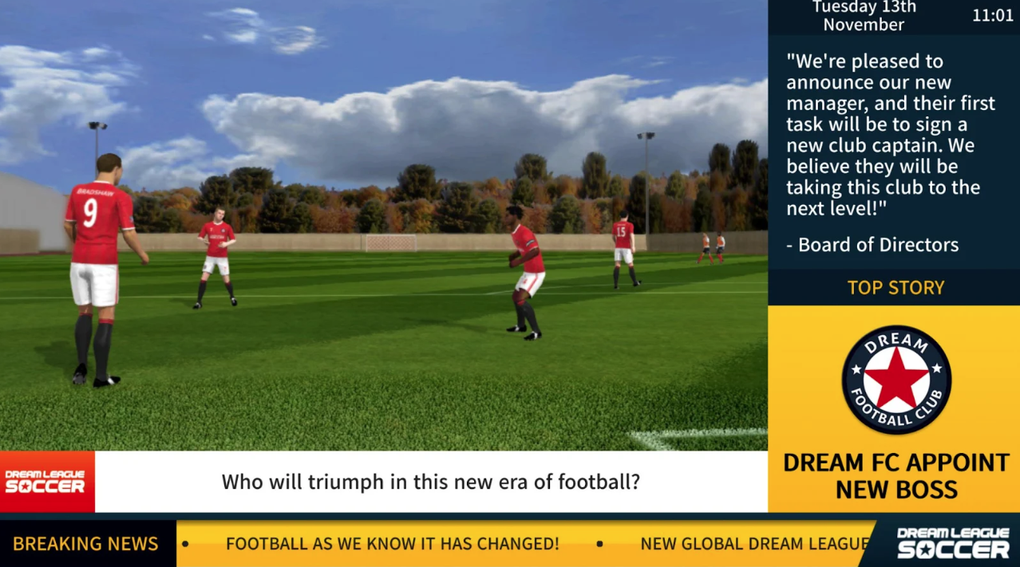
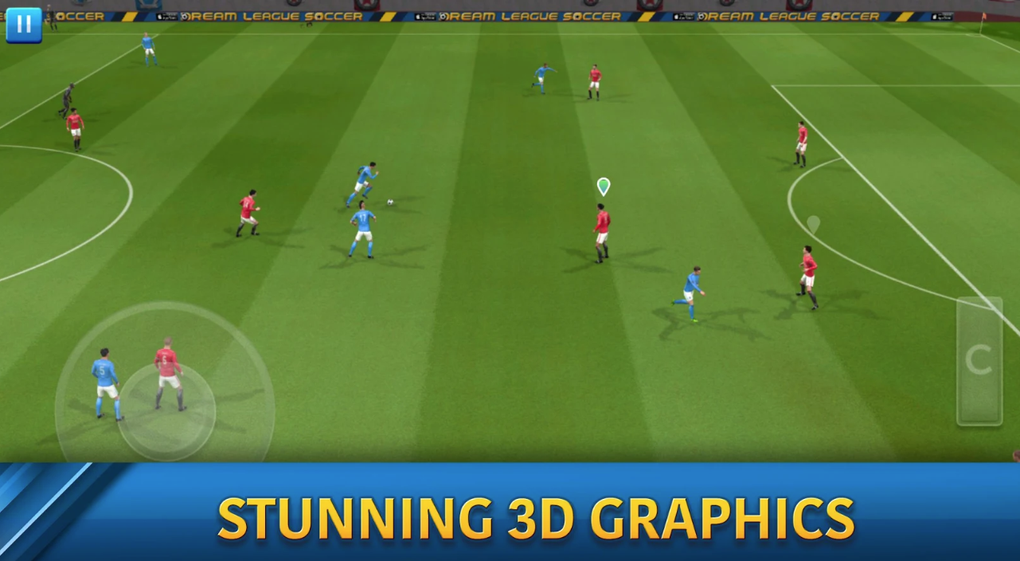
DLS 2017, even by today’s standards, held its own in terms of visuals. While it may not have matched the photorealistic detail of console titles like FIFA or Pro Evolution Soccer (PES), the game presented a polished and visually appealing experience for a mobile title. Player models were well-defined, animations were fluid and responsive (for the era), and the overall aesthetic aimed for a level of realism that was impressive for the time.
However, the game’s gameplay, while functional, was not without its flaws. The control scheme, while intuitive for casual players, lacked the depth and precision of its console counterparts. Passing accuracy sometimes felt inconsistent, and the AI opponents, while challenging at higher difficulty levels, exhibited predictable patterns that experienced players could easily exploit. The pace of the game, even on higher difficulty settings, felt somewhat slow in comparison to the more frenetic pace of professional soccer, which some players found to be a point of contention. The ball physics, too, were simpler than in more advanced simulations, leading to instances where ball control felt less responsive and realistic than it should have.
Customization and Progression: Building Your Dream Team
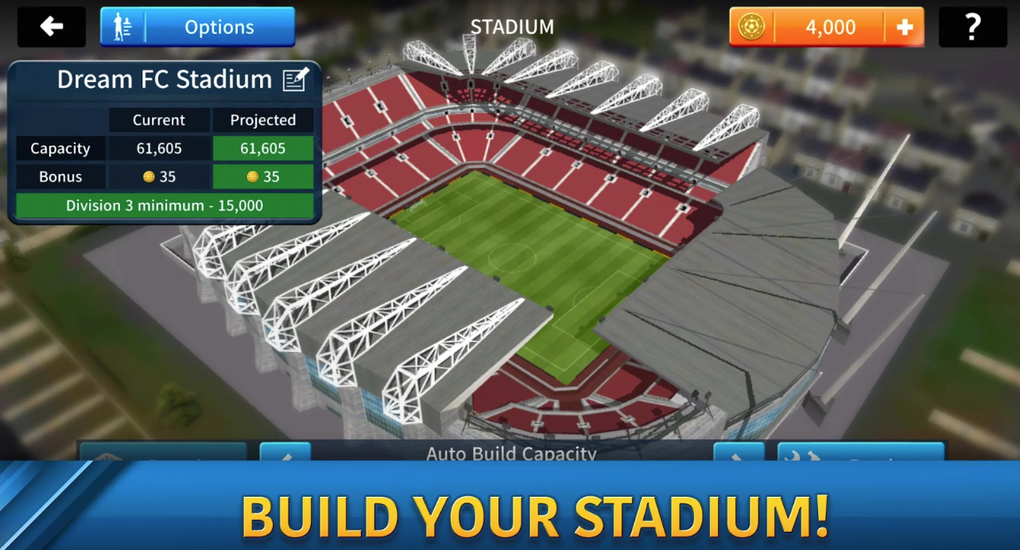
One of the most appealing aspects of DLS 2017, and the entire series, is its emphasis on player customization and team building. The game allowed users to build their dream team from scratch, recruiting players from a vast (though not limitless) pool of talent. This aspect of the game encouraged long-term engagement, as players invested time in training their players, upgrading their stadium, and strategically building a squad capable of competing at the highest levels.
The career mode provided a structured progression path, allowing players to rise through different divisions, participate in various cup competitions, and ultimately aim for global dominance. This system provided a sense of achievement and motivation, keeping players engaged for extended periods. Beyond team management, the game also offered extensive options for customizing the visual aspects of the team. Players could design their own team kits, create unique logos, and personalize the stadium environment—all contributing to a sense of ownership and pride in their virtual club.
Sound and Music: Setting the Atmosphere
The soundtrack of DLS 2017 played a crucial role in enhancing the game’s atmosphere. While the specific artists and tracks may vary depending on the user’s region and game version, the music generally struck a good balance between energy and atmosphere. The music selection aimed to be upbeat and engaging, perfectly complementing the intensity of the matches. It avoided becoming repetitive, offering a dynamic soundscape that matched the rhythm of the game.
The sound effects, too, were suitably realistic. The thud of the ball, the cheers of the crowd, and the various sounds associated with the gameplay were well-implemented, contributing to the overall immersive quality of the game. These audio elements worked together to elevate the game’s overall atmosphere, making it more captivating and enjoyable to play.
Comparison to Competitors and Legacy
In 2017, DLS competed against established giants in the mobile soccer game market, such as FIFA Mobile and PES Mobile. While these titles often boasted more realistic graphics and sophisticated gameplay mechanics, DLS held its own by focusing on accessibility and customization. Its simpler control scheme made it more approachable to casual players, while the extensive customization options appealed to those who valued a high degree of personalization in their gaming experience.
Compared to the later DLS iterations, 2017 naturally shows its age. Later versions incorporated enhanced graphics, improved gameplay mechanics, and a more refined user interface. However, DLS 2017’s legacy lies in establishing the foundation for the series’ continued success. Its focus on customization and accessibility proved to be a winning formula, attracting a broad player base and setting the stage for subsequent improvements and additions.
Strengths and Weaknesses: A Balanced Perspective
Strengths:
- Accessibility: The game’s relatively simple controls and intuitive gameplay made it easy to pick up and play, even for those unfamiliar with complex soccer simulations.
- Customization: The extensive customization options, from team kits and logos to stadium design, provided a high level of player agency and control.
- Progression System: The clear career mode and various competitions offered a satisfying progression system that kept players engaged long-term.
- Visual Appeal (for its time): The graphics, while not photorealistic, were impressive for a mobile title in 2017, providing an aesthetically pleasing experience.
- Sound Design: The music and sound effects contributed to an immersive and engaging atmosphere.
Weaknesses:
- Gameplay Limitations: The gameplay mechanics were less sophisticated than console counterparts, with some inconsistencies in passing accuracy and ball physics.
- AI Opponents: The AI opponents, while challenging at times, exhibited some predictable patterns that could be exploited.
- Pace of Gameplay: Some players found the game’s pace to be slower than real-life soccer, leading to a less dynamic experience.
- Potential Lag and Bugs: As with many mobile games, users occasionally reported instances of lag or minor bugs.
- Limited Player Pool (compared to later versions): The roster of available players was smaller than in subsequent DLS iterations, limiting team-building options.
Conclusion: A Worthy Entry in the Mobile Soccer Genre
Dream League Soccer 2017, despite its age, represents a solid contribution to the mobile soccer game genre. Its strengths lie in its accessibility, extensive customization options, and the enjoyable progression system. While it may not have matched the realism and depth of its console competitors, it offered a compelling and fun experience for a wide range of players, particularly those seeking a less demanding yet engaging soccer simulation on their mobile devices. Its success paved the way for the continued evolution of the DLS franchise, demonstrating the value of focusing on accessibility and customization within a competitive mobile gaming market. The game successfully captured the spirit of soccer management and team building, offering a compelling experience for players of all skill levels. While newer iterations of the game have undoubtedly surpassed it in terms of graphical fidelity and gameplay depth, DLS 2017 remains a significant marker in the history of the Dream League Soccer franchise.
File Information
- License: “Free”
- Version: “6.13”
- Latest update: “August 4, 2025”
- Platform: “iPhone”
- OS: “iOS 12.1.2”
- Language: “English”
- Downloads: “105.6K”


