
Drug Dealer Simulator, a once-available mobile and PC game, offered players a controversial glimpse into the life of a drug trafficker. While the game is no longer actively downloadable due to potential security issues or discontinuation, its existence sparked discussions about the ethical implications of simulating criminal activities. This in-depth analysis explores the game’s mechanics, reception, and the broader context surrounding its creation and eventual removal.
Gameplay and Mechanics: Building an Empire, One Deal at a Time
Drug Dealer Simulator placed players in the role of a burgeoning drug dealer navigating the treacherous underworld. The game’s core gameplay loop revolved around acquiring, transporting, and selling illegal substances. Players started small, operating from humble beginnings, and gradually expanded their operations through strategic decision-making and calculated risks. Success hinged on effectively managing resources, avoiding law enforcement, and outmaneuvering rival gangs.
The game’s simulation aspects extended beyond simple transactions. Players needed to build relationships with suppliers, manage their finances carefully, invest in equipment upgrades (like faster vehicles or more secure storage), and recruit and manage a network of contacts. These elements added a layer of complexity, requiring players to adapt to dynamic situations and balance the demands of their illicit business. The game likely incorporated various aspects of resource management, inventory control, and strategic planning, making it more than just a simple click-and-sell experience. Players might have had to choose between different types of drugs, weighing the risks and rewards of each. The higher the risk, potentially the higher the profit, but also the higher the chance of arrest or violent confrontation.

Expansion wasn’t merely a matter of selling more drugs; players likely had to strategically acquire new territories, potentially involving negotiations, intimidation, or even outright violence. The game likely presented branching narratives and different paths to success, mirroring the unpredictable nature of criminal enterprises. The game’s simulation likely wasn’t entirely realistic in its depiction of drug trafficking, but aimed for a certain degree of verisimilitude, creating a compelling albeit ethically questionable experience.
The Ethical Tightrope: Simulating Criminal Behavior
The very nature of Drug Dealer Simulator raised significant ethical questions. Critics argued that the game glorified criminal behavior and could potentially desensitize players to the real-world consequences of drug trafficking. The game’s potential for normalizing or even romanticizing illegal activities generated considerable controversy, with concerns raised about its impact on impressionable audiences.
The line between entertainment and harmful influence is often blurred in video games, particularly those that deal with sensitive topics. Drug Dealer Simulator existed in a grey area, potentially attracting players out of morbid curiosity or the allure of power, and the potential negative consequences of such exposure needed to be considered. There’s a clear distinction between exploring the mechanics of a criminal enterprise within a fictional context and explicitly promoting or endorsing those activities. While games can offer commentary on social issues, they bear a responsibility to handle such topics with sensitivity and avoid unintended consequences.
The game’s developers likely faced a challenging balancing act. Striving for realism meant accurately depicting the complexities of drug trafficking, including the violence, corruption, and human suffering associated with it. However, the risk of inadvertently promoting these negative aspects was a significant concern. The challenge was in presenting the harsh realities without glamorizing or condoning the behavior.
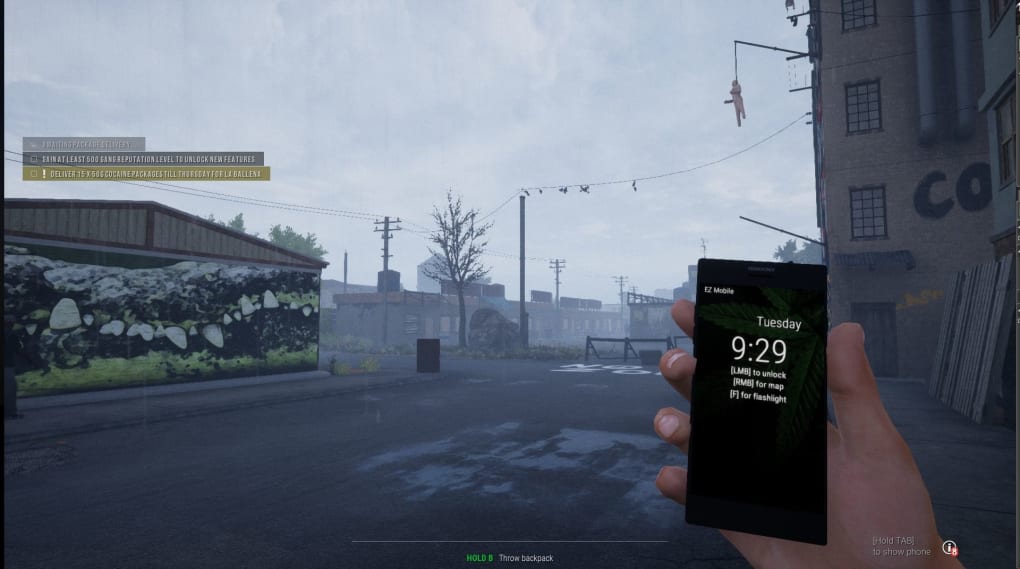
The removal of Drug Dealer Simulator from app stores might be attributed to several factors, including pressure from regulators, user complaints, or the developers’ own recognition of the ethical concerns raised by the game’s content.
Reception and Legacy: A Controversial Title
While precise player reviews and ratings for Drug Dealer Simulator are unavailable now that the game has been removed, its existence generated considerable discussion and debate within the gaming community. Initial reactions likely ranged from enthusiastic engagement among players seeking a unique and immersive experience, to strong criticism from those who viewed the game’s premise as deeply problematic. The ethical implications of simulating illegal and harmful activities generated polarized opinions.
The lack of readily available reviews further complicates an assessment of the game’s reception. The absence of data points to the potential complications associated with hosting and distributing a game with such a potentially controversial subject matter. The removal of the game likely reflects a complex interplay of factors, including the developer’s decision, platform policies, and external pressures.
Despite its short life, the game’s removal from availability has solidified its place in gaming history as a case study in the ethical challenges posed by interactive entertainment. Its legacy serves as a reminder of the crucial need for responsible content creation and the ongoing debate about the boundaries of acceptable game themes and mechanics.
Alternatives and Similar Games: Exploring Other Simulations
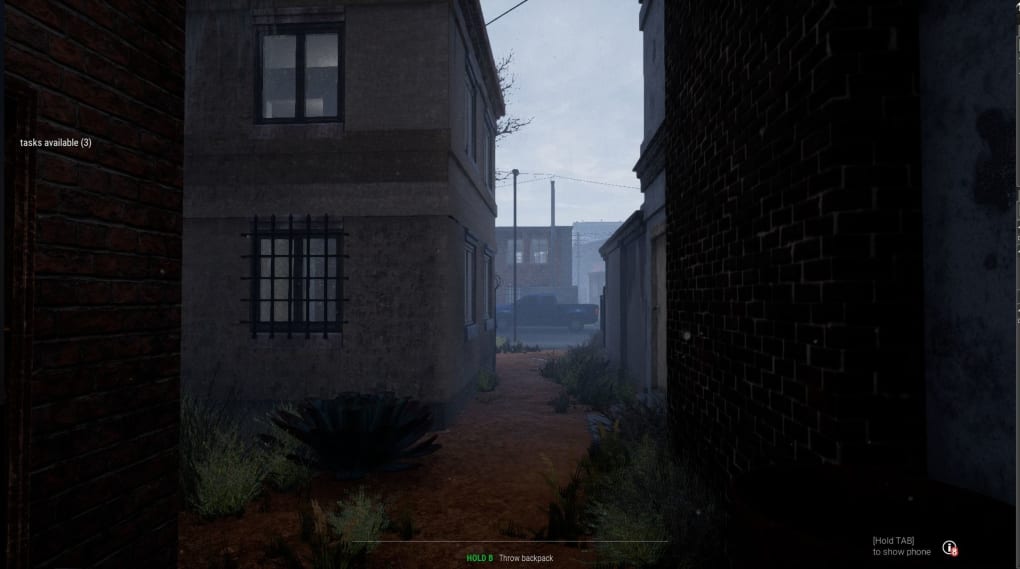
Several alternative games offered similar simulation mechanics, but focused on different aspects of business or criminal activity, often providing a less controversial alternative. Games like “Weed Farmer Simulator” and “Drug Wars – Underworld” offered gameplay similar to the now-unavailable Drug Dealer Simulator, but might have toned down the more problematic aspects. These games explored business management within the context of regulated or less overtly harmful industries. They allowed players to experience the complexities of running a business, but without the ethical baggage associated with simulating illegal drug trafficking.
These alternative games showcase the spectrum of simulation genres, emphasizing the potential for players to engage in virtual business ventures without necessarily resorting to themes that raise ethical concerns. The developers of these alternative games arguably demonstrate that compelling simulation experiences can be created without resorting to exploitative or problematic content. These examples underscore the importance of finding ways to create engaging and creative games without compromising ethical principles. By focusing on legal and ethically sound activities, these games offer a safer and more responsible form of interactive entertainment.
The disappearance of Drug Dealer Simulator from the app store emphasizes the ongoing tension between creative expression and responsible content creation in the video game industry. Its legacy is not simply one of a game that no longer exists, but rather a stark reminder of the ethical considerations and potential unintended consequences associated with simulating sensitive topics. The game serves as a valuable case study in the evolution of game development and the ever-shifting landscapes of social responsibility within the interactive entertainment world.
File Information
- License: “Free”
- Version: “demo”
- Latest update: “July 15, 2025”
- Platform: “Windows”
- OS: “Windows 10”
- Language: “English”
- Downloads: “7.5K”


