
In the vast and ever-evolving landscape of PC gaming, some titles, though perhaps not global blockbusters, carve out a unique niche, capturing the imagination of specific communities. “Drug Wars – Underworld” is one such game. Released in 2005 by Geekphase, this free-to-play strategy title offered Windows users a gritty, no-holds-barred simulation of the illicit drug trade. Far from the high-fidelity graphics and complex narratives of modern AAA releases, “Drug Wars – Underworld” presented a compelling, if simple, experience that focused on economic strategy, risk management, and the constant dance with danger inherent in its subject matter. It’s a game that doesn’t demand significant system resources or a steep learning curve, yet it provides a surprisingly deep and addictive challenge for those willing to navigate its murky depths.
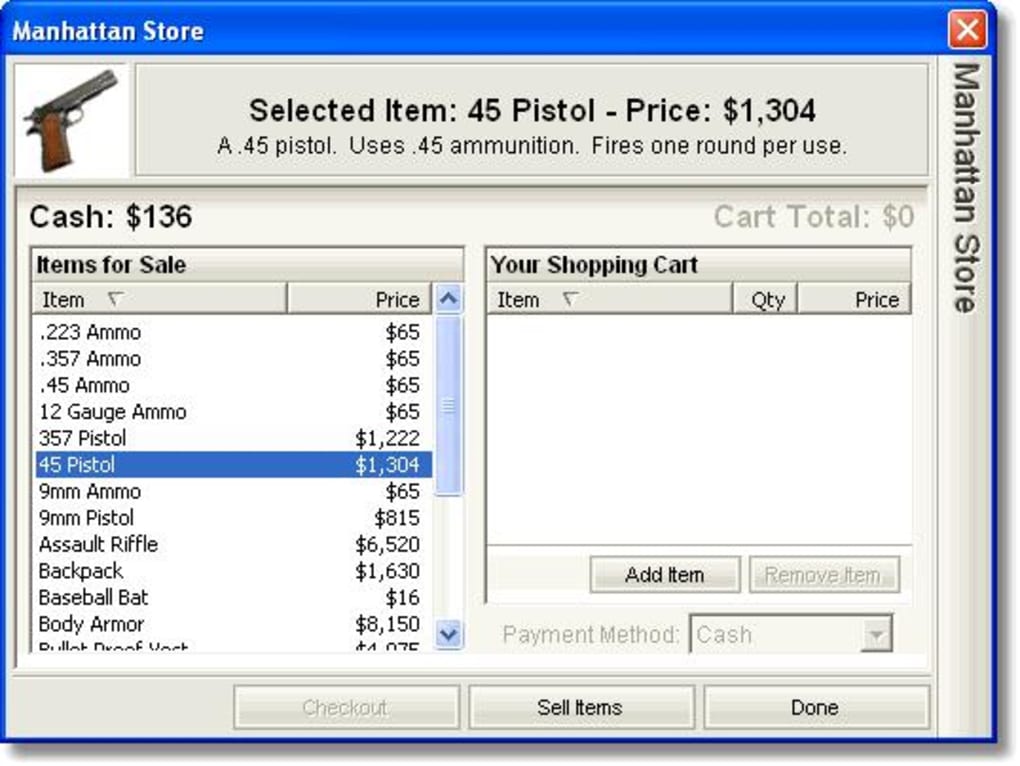
“Drug Wars – Underworld” arrived at a time when the internet was becoming a primary distribution channel for software, and free games, often developed by independent studios or hobbyists, were gaining traction. As documented on platforms like PhanMemFree (formerly Softonic), this particular title quickly garnered attention, achieving thousands of downloads and maintaining a steady stream of installations years after its initial release. Its success, particularly in regions like the United States, Canada, and Poland, speaks to the universal appeal of strategic simulation and the enduring fascination with the “underworld” theme. It’s a game that asks players to step into the shoes of a drug dealer, making critical decisions about buying, selling, and avoiding law enforcement, all while trying to make a fortune against seemingly insurmountable odds.
Stepping into the Strategic Underworld
The premise of “Drug Wars – Underworld” is disarmingly simple, yet it forms the backbone of a complex strategic challenge. Players begin with a small amount of cash and perhaps a loan from a loan shark, immediately plunging them into debt and pressure. The objective is straightforward: buy various illicit substances at low prices in one area, travel to another, and sell them for a higher price, all before your “debt due” timer runs out. This core loop is instantly understandable, but the execution is fraught with peril and requires careful planning and a keen understanding of market dynamics.
The game typically presents players with a map of several distinct locations, often represented as cities or districts. Each location has its own fluctuating prices for different drugs – cocaine, heroin, ecstasy, weed, and more. What might be cheap in one city could fetch a premium price just a few stops away. However, travel isn’t without risk. Each day that passes costs money for upkeep or interest on loans, and more importantly, each trip increases the chance of encountering law enforcement. Police raids, random confiscations, or even rival gang encounters can wipe out a player’s inventory or cash, leading to a swift game over.
This constant push and pull between profit and risk is what makes “Drug Wars – Underworld” so engaging. Players aren’t just looking at numbers; they’re making calculated gambles. Do you take on a large inventory of high-profit, high-risk drugs like cocaine, hoping for a lucrative sale, or do you stick to safer, lower-profit options like weed? Do you risk traveling to a more distant city for a better price, knowing the increased chance of being caught, or do you settle for a smaller profit closer to home? These are the dilemmas that define the “Drug Wars” experience and provide its strategic depth.
The game’s simplicity in presentation belies its demanding strategic core. There are no fancy graphics or intricate character models; the focus is entirely on the text-based market information, inventory management, and decision-making. This minimalist approach allows the player to concentrate purely on the economic simulation and the high-stakes environment. It strips away distractions, forcing the player to engage intellectually with the game’s core mechanics. For many, this is a virtue, highlighting the enduring appeal of pure strategy and simulation games.
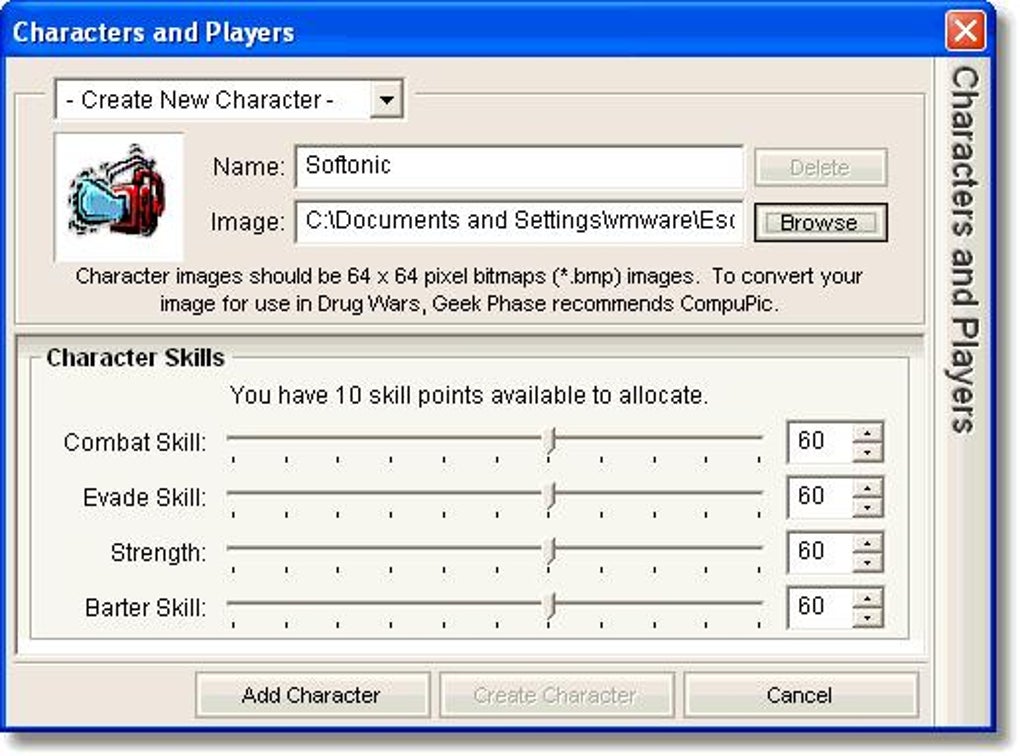
Beyond the basic buy-and-sell loop, “Drug Wars – Underworld” often incorporates elements like managing limited inventory space, which forces players to prioritize certain drugs over others. Loan sharks are a persistent presence, offering quick cash but demanding exorbitant interest rates, adding another layer of financial pressure. Sometimes, opportunities for ‘side deals’ or unique events might pop up, offering a chance for quick profit or unexpected losses. These variables ensure that no two playthroughs are exactly alike, providing a high degree of replayability despite the game’s ostensibly simple design. The game’s setting, while never explicitly detailed, is understood to be a shadowy network of transactions, hidden from plain sight, making every successful deal feel like a victory against the odds.
Mastering the Art of the Deal: Core Gameplay
The central pillar of “Drug Wars – Underworld” is its economic model, which, while simplified, mirrors some real-world market principles. Supply and demand dictate prices, which fluctuate daily and vary from location to location. A savvy player learns to observe these patterns, identify trends, and anticipate lucrative opportunities. For instance, if cocaine prices are unusually low in one city, it might be worth taking the risk to acquire a large quantity, hoping to offload it for a substantial profit elsewhere when its price inevitably rises.
Inventory management is another crucial aspect. Players typically have a limited number of “slots” or “pounds” they can carry. This forces tough decisions: do you fill your inventory with one highly profitable drug, or diversify with smaller quantities of several? Diversification can mitigate risk if one market crashes, but it might limit overall profit potential. Conversely, specializing in a single drug can lead to massive gains if conditions are favorable, but catastrophic losses if they turn sour. This push-your-luck element adds a layer of excitement to every decision.
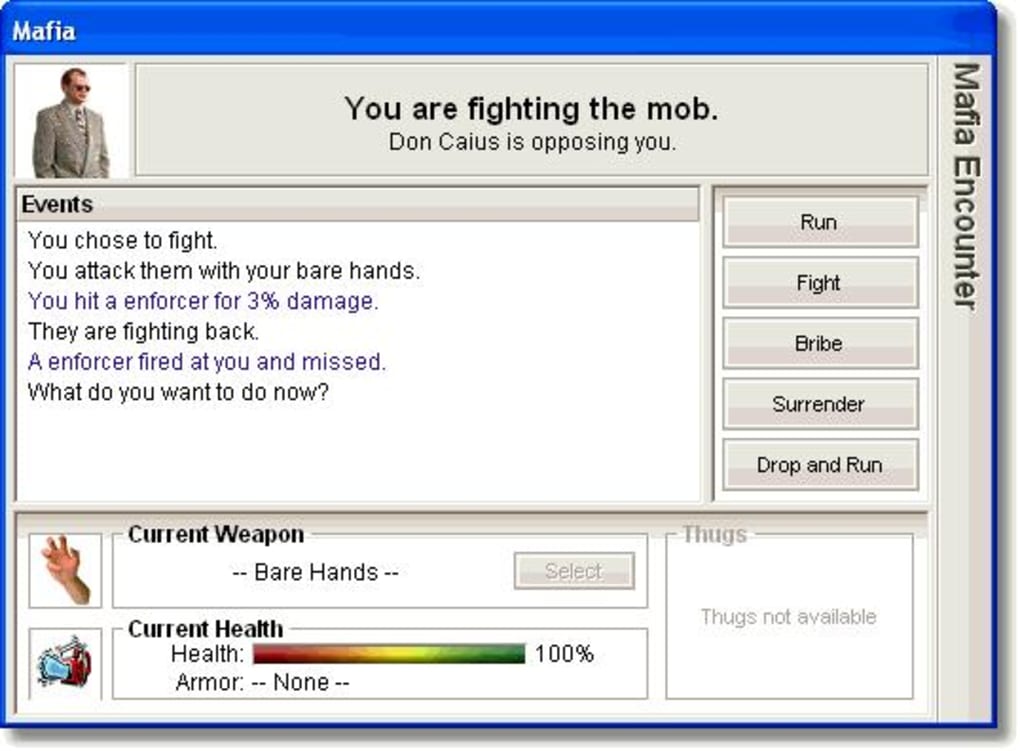
The threat of law enforcement is ever-present and adds the primary element of tension. Each day the player operates, and especially each time they travel between locations, there’s a chance of encountering police. These encounters can range from a minor shakedown where some cash is lost, to a full-blown arrest where all inventory is confiscated, and the game ends. Some versions of “Drug Wars” also include elements like corrupt police, who can be bribed, or even opportunities to acquire weapons for self-defense against muggers or rival dealers. These elements transform the game from a mere economic simulator into a survival strategy game, where risk assessment is paramount.
Debt management is another critical component. Starting with a loan is common, and the interest on this loan can quickly spiral out of control if profits aren’t made swiftly. Missing payments can lead to increasingly aggressive loan sharks, or even a game over if the debt becomes unmanageable. This constant pressure to turn a profit before the debt consumes you adds a frantic pace to the otherwise methodical process of buying and selling. It forces players to take risks they might otherwise avoid, embodying the desperation often associated with the illicit trade.
The game’s interface, typical for its era and genre, is usually clean and functional, relying on text and simple graphical representations. Players navigate menus to buy, sell, travel, and check their finances. The focus is entirely on clarity and efficiency, ensuring that players can quickly access the information they need to make informed decisions. Despite the lack of visual flair, the underlying mechanics create a surprisingly immersive experience, drawing players into the high-stakes world of the digital drug dealer. This simplicity allows for rapid decision-making, which is key when time (and debt) are constantly ticking. The game does not rely on flashy cinematics or complex character interactions; instead, it thrives on the pure satisfaction of executing a successful strategy and the thrill of narrowly escaping capture.
Beneath the Surface: Technical Insights and Legacy
“Drug Wars – Underworld” is a product of its time, particularly evident in its technical specifications. As listed on PhanMemFree.org, the game’s core characteristics reflect its mid-2000s origin. Released in 2005, version 1.3, it was designed for Windows operating systems, specifically Windows 98 and prior versions, though it also ran on Windows 2000. This highlights its compatibility with older systems, making it accessible to a wide audience during its heyday. Its remarkably small file size – 911.41 KB – further underscores its lightweight nature. In an era where many games demanded gigabytes of storage, “Drug Wars – Underworld” was an instant download, capable of running on virtually any PC of the time without bogging down resources.
This minimal footprint meant that the game didn’t require powerful graphics cards or extensive RAM, making it a perfect candidate for casual gaming or for users with older, less powerful machines. The game’s low resource demands are a testament to its efficient coding and its focus on gameplay mechanics over graphical fidelity. It’s described as “not that heavy” and requiring “not as much free space than the average program in the category PC games,” which accurately reflects its nature as a simple yet effective simulation.
The legacy of “Drug Wars – Underworld” extends beyond its technical simplicity. It represents a continuation of a genre that has existed since the early days of computing, most notably inspired by “Dope Wars” (originally “Drug Wars” from 1984), a text-based game that found popularity on various platforms, including DOS and graphing calculators. These games share a common DNA: a focus on economic simulation, randomized market prices, and the constant threat of law enforcement. “Drug Wars – Underworld” brought this classic formula to a new generation of Windows users, often with a slightly more polished interface than its text-only predecessors but retaining the core strategic appeal.
For many players, “Drug Wars – Underworld” wasn’t just a game; it was an introduction to economic principles, risk management, and strategic thinking, albeit within a controversial context. Its enduring presence on download portals like PhanMemFree.org, even years after its release, with thousands of downloads and consistent installations, speaks volumes about its lasting appeal. The ability to download it for free, coupled with its small size and broad compatibility, made it an easily accessible pastime.
Even today, in a world dominated by graphically intensive online games, the appeal of “Drug Wars – Underworld” or similar titles persists. They offer a different kind of gaming experience – one that prioritizes intellect over reflexes, planning over quick button presses. Its place in the gaming pantheon is not that of a revolutionary title, but rather a solid, well-executed example of a specific niche, providing countless hours of strategic entertainment to those who appreciated its unique brand of digital crime simulation. For those looking to experience a piece of mid-2000s indie gaming history, or simply to engage in a pure strategy game without modern bloat, “Drug Wars – Underworld” remains a fascinating artifact.
Why the Underworld Endures: Community and Cultural Impact
The longevity of games like “Drug Wars – Underworld” is often attributed to several factors: strong core gameplay, accessibility, and a dedicated community. While “Drug Wars – Underworld” might not have had a bustling online forum or esports scene, its widespread availability as a free download ensured a continuous stream of new players. Its presence on platforms like PhanMemFree.org, translated into multiple languages and available across various regions, broadened its reach significantly. The sheer number of downloads and positive user reviews indicates a substantial, if somewhat dispersed, player base that found enjoyment in its strategic depth.
The game tapped into a specific fascination with the “underworld” – a theme that resonates across various forms of media, from movies to literature. The allure of living outside the law, making quick fortunes, and outsmarting authority is a powerful narrative hook. “Drug Wars – Underworld” allowed players to experience a simplified version of this fantasy, providing a safe, digital space to explore the consequences and rewards of such a lifestyle without real-world repercussions. This vicarious thrill, combined with the satisfaction of mastering its economic system, contributed significantly to its enduring popularity.
Furthermore, “Drug Wars – Underworld” is part of a larger family of “Drug Wars” or “Dope Wars” clones that have captivated players for decades. This genre, characterized by its open-ended nature and focus on financial accumulation, fosters a competitive spirit – players often strive to beat their own high scores, accumulate the most money, or survive the longest without getting caught. This self-driven competition, alongside the inherent replayability due to randomized market conditions, meant that the game could be played over and over again, each time presenting a slightly different challenge.
The influence of such games can also be seen in the broader landscape of simulation and strategy games. While perhaps not directly inspiring AAA titles, they demonstrated the power of minimalist design combined with engaging mechanics. They proved that a game doesn’t need cutting-edge graphics to be addictive and thought-provoking. This philosophy continues to resonate with indie game developers today, many of whom create commercially successful titles with deliberately simple aesthetics but incredibly deep gameplay.
In a digital age increasingly dominated by online multiplayer experiences and social networking, “Drug Wars – Underworld” offers a nostalgic return to simpler times. It’s a single-player journey of strategy and risk, a testament to the idea that compelling gameplay can stand on its own, independent of technological extravagance. For those who enjoy strategic challenges, economic simulations, and the dark allure of the virtual underworld, “Drug Wars – Underworld” remains a noteworthy title. Its availability on platforms like PhanMemFree.org ensures that this cult classic continues to be accessible, inviting new generations of players to test their mettle in its unforgiving, yet utterly captivating, digital streets. It’s a reminder that sometimes, the most profound experiences come from the simplest of packages, requiring only a keen mind and a willingness to embrace the strategic gamble.
File Information
- License: “Free”
- Version: “1.3”
- Latest update: “September 27, 2005”
- Platform: “Windows”
- OS: “Windows 2000”
- Language: “English”
- Downloads: “26.2K”
- Size: “911.41 KB”


