
Dune II, released in 1992 by Westwood Studios and Virgin Games, stands as a pivotal moment in gaming history. More than just a game based on Frank Herbert’s iconic science fiction novel, Dune, it’s considered by many to be the foundational title of the real-time strategy (RTS) genre. Its influence is still felt today, shaping the mechanics and design choices of countless subsequent RTS games. This deep dive explores Dune II’s historical significance, gameplay mechanics, lasting impact, and its enduring appeal despite its age.
A Desolate World, A Brutal Struggle
Dune II plunges players into the harsh landscape of Arrakis, the only source of the invaluable spice melange – a substance that extends life and enables interstellar travel. Players choose one of three competing Great Houses – the Atreides, the Harkonnens, and the non-canonical Ordos – and embark on a campaign to conquer the planet. The game’s narrative, while simplified compared to Herbert’s complex novels, effectively captures the power struggles and political maneuvering inherent in the Dune universe.
The core gameplay loop revolves around resource management, base building, and military combat. Players must harvest spice, a crucial resource, to fund their operations. This spice fuels the construction of buildings, the creation of units, and the advancement of technology. The strategic placement of structures, such as refineries, barracks, and research facilities, is vital for efficient resource gathering and military production. Constructing a robust base that can withstand enemy attacks is crucial for survival. The game’s focus on economic efficiency and strategic planning, a defining characteristic of the RTS genre, is established firmly here.
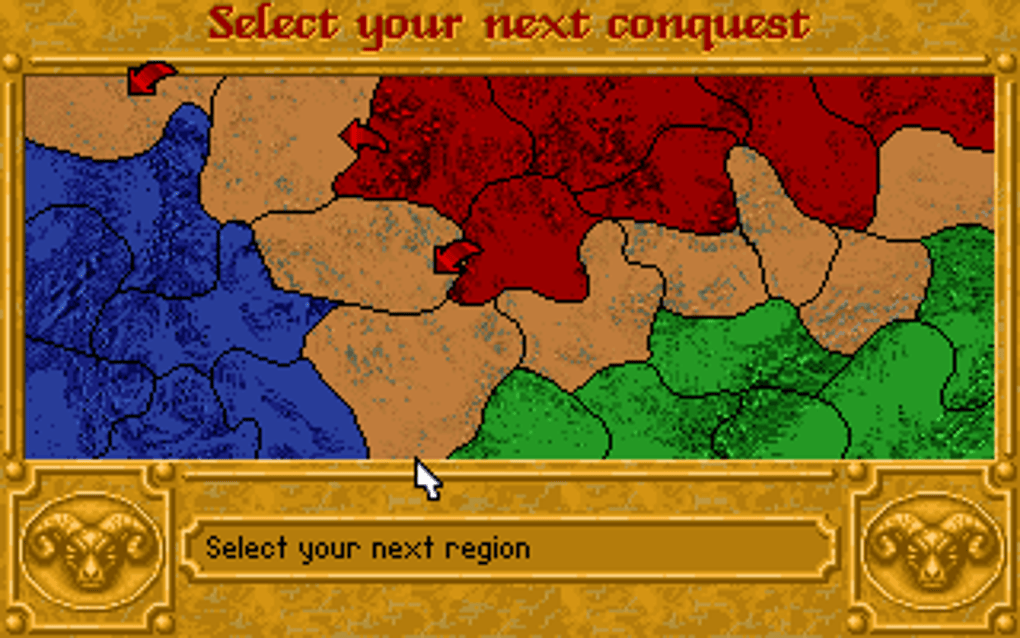
The military aspect of Dune II is characterized by a diverse range of units, each with specific strengths and weaknesses. From basic infantry to powerful siege weapons and versatile vehicles, players must carefully assemble their armies to counter the enemy’s tactics. Unlike later RTS games with highly detailed unit counters and capabilities, Dune II utilizes a simpler, more streamlined system, prioritizing overall strategic decision-making over micromanagement. The balance of offense and defense, coupled with the careful exploitation of terrain, is crucial for success.
Defining the RTS Genre
Dune II’s most significant contribution to gaming lies in its pioneering role in the development of the real-time strategy genre. Before Dune II, most strategy games operated on a turn-based system. Dune II, however, introduced the real-time element, requiring players to manage their resources, build their bases, and command their armies simultaneously, all within a continuously unfolding game world. This innovation fundamentally changed the pace and dynamic of strategic gameplay.
The game’s influence extends beyond the introduction of real-time combat. Many core features of modern RTS games, such as the construction of bases, resource gathering, technological advancements, and the management of diverse military units, can be traced back to Dune II’s foundational design. This game acted as a blueprint, setting the standards and conventions that would become the cornerstones of the entire genre for years to come. Its legacy is profound and undeniable.
A Product of its Time
While groundbreaking for its time, Dune II’s visuals and sound design are undeniably dated by modern standards. The graphics are rudimentary by today’s standards, with simple sprites and limited animation. The audio is similarly simplistic, featuring repetitive sound effects and a minimal musical score. These limitations, however, are hardly detrimental to the overall experience. They are a product of the technological constraints of the early 1990s, and, in a way, they add to the game’s nostalgic charm.
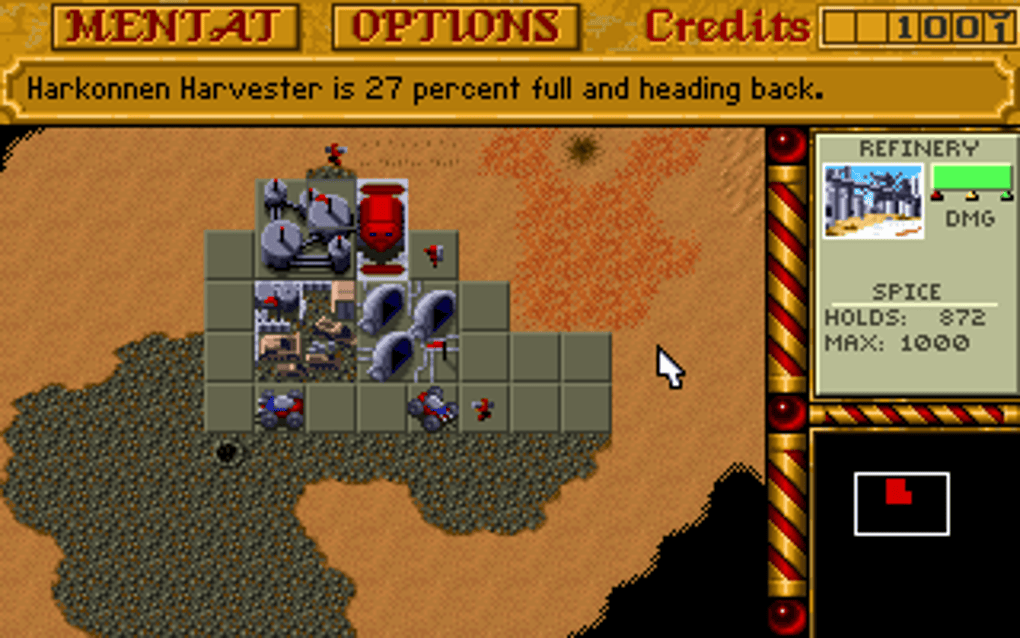
The game’s user interface is also basic compared to current standards. Navigating menus and managing resources requires a greater degree of manual input and attention to detail. The learning curve for newcomers to the game can be steep; a comprehensive understanding of the game’s mechanics is needed to maximize efficiency.
The artificial intelligence (AI) of the opposing factions is also relatively unsophisticated, often falling into predictable patterns. Computer opponents lack the strategic depth and adaptability of later RTS AI systems. They don’t employ advanced tactics, such as flanking maneuvers or dynamic base defense strategies. This can make the game significantly easier for experienced players, albeit at the cost of a truly challenging experience.
A Lasting Legacy: Influence and Continued Appeal
Despite its age and technical limitations, Dune II remains a significant and influential title. Its innovative gameplay mechanics established the foundations of the RTS genre, shaping the development of countless subsequent titles. The impact of its core concepts—real-time combat, base building, resource management, and technologically driven unit diversity—is still evident in today’s most popular RTS games.
Moreover, Dune II’s unique setting, derived from the rich world of Frank Herbert’s novels, continues to resonate with players. The game effectively captures the atmosphere of Arrakis, its desolate beauty, and the constant struggle for control over the vital spice melange. For fans of the Dune universe, it provides a unique and engaging way to experience this compelling fictional world.
The renewed interest in the Dune franchise, spurred by the recent film adaptations, has also contributed to a resurgence in interest in Dune II. Many players are discovering this foundational RTS title and appreciating its historical significance, even with its dated design elements. It serves as a fascinating window into the early days of the RTS genre and offers a captivating strategic experience rooted in a rich and enduring narrative.
In conclusion, Dune II may be a product of its time, but its historical importance and lasting influence on the gaming world are undeniable. Its innovative gameplay, combined with the allure of the Dune universe, continue to attract players seeking a challenging and historically significant strategic experience. It stands as a testament to the enduring power of innovative game design and a reminder of the rich history of the real-time strategy genre. For those seeking a taste of gaming history and a challenge that emphasizes strategic prowess over flashy visuals, Dune II remains a worthwhile and rewarding experience.
File Information
- License: “Free”
- Version: “abandonware”
- Latest update: “March 6, 2024”
- Platform: “Windows”
- OS: “Windows 2000”
- Language: “English”
- Downloads: “148.2K”
- Size: “4.55 MB”


