
eBay, a global behemoth in online auctions and e-commerce, has captivated millions with its vast marketplace of goods and services. For dedicated users, constantly monitoring auctions, bids, and messages can be a time-consuming endeavor. This is where eBay Desktop aimed to offer a solution: a desktop application designed to streamline the eBay experience. This review will delve into the features, strengths, and weaknesses of this now-discontinued application, exploring its past impact and legacy within the context of the evolving digital landscape.
A Desktop Alternative to the eBay Website
eBay Desktop was conceived as a standalone application, providing users with a desktop-based alternative to the standard eBay website. The primary goal was to simplify and expedite common eBay activities, eliminating the need to constantly navigate the website’s often complex interface. The application aimed to bring the core functionality of eBay – searching, browsing, bidding, and managing listings – directly to the user’s desktop, creating a more streamlined and efficient experience. This approach aimed to particularly benefit power users who regularly engaged with multiple auctions and listings, saving valuable time and effort in the process.
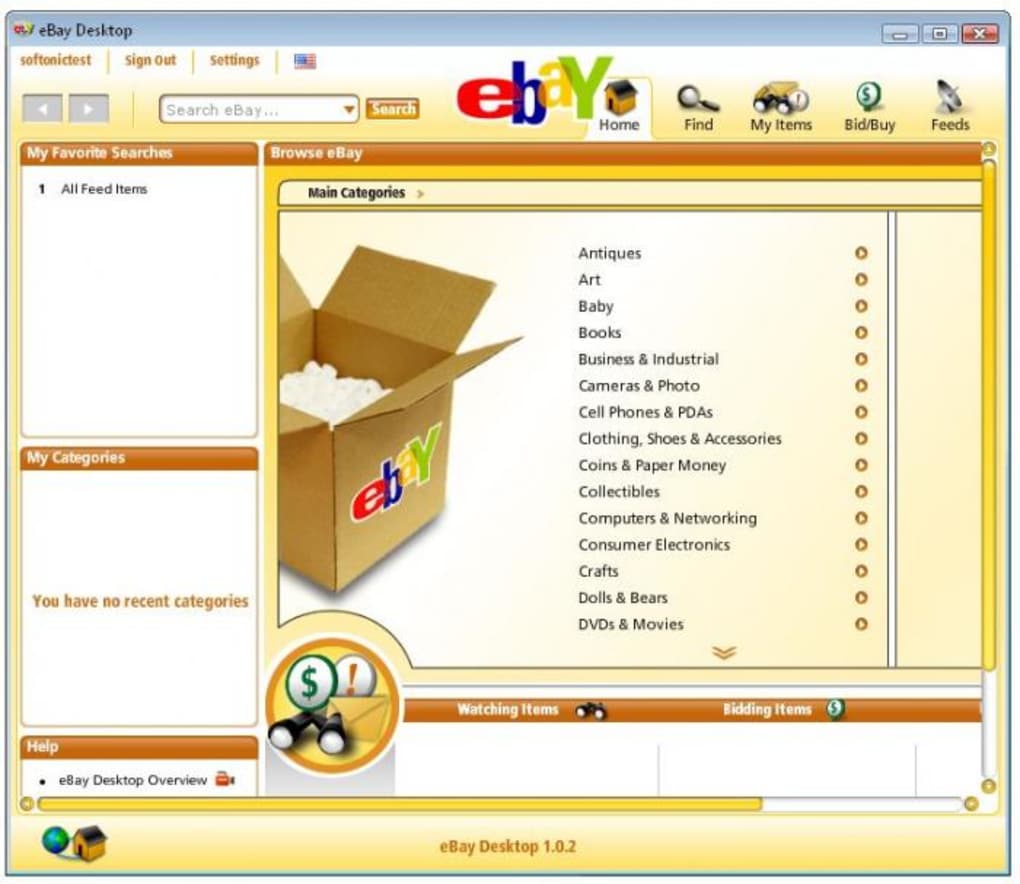
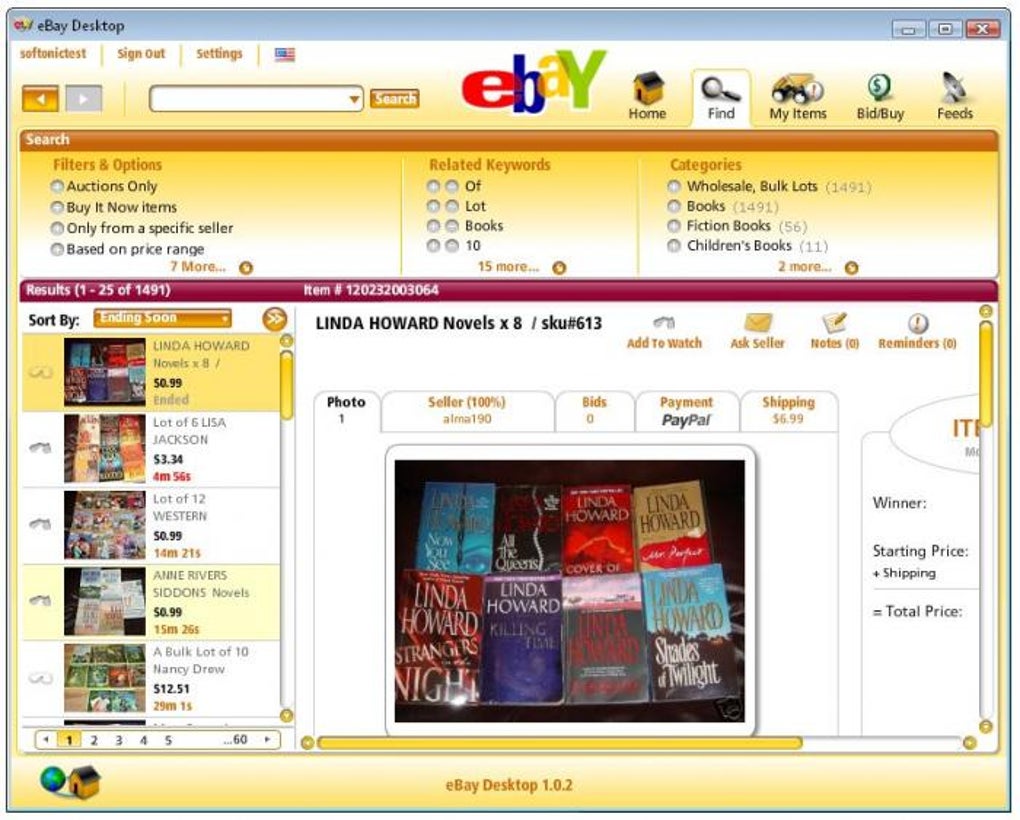
The application boasted a range of features designed to optimize the eBay user experience. Search functionality mirrored the website, allowing users to find specific items using keywords, filters, and advanced search options. Browsing capabilities allowed users to explore different categories and listings, much like on the website. Crucially, it allowed users to actively participate in auctions, placing bids and tracking their progress directly within the application. This removed the constant need to refresh the webpage, a significant advantage for competitive bidding scenarios. Users could also manage their watch lists, adding items of interest to monitor their prices and auction progress. Furthermore, the application integrated features like RSS feed readers, outbid alerts, and item reminders, empowering users to stay ahead of the game and increase their chances of winning auctions.
Features and Functionality: A Closer Look
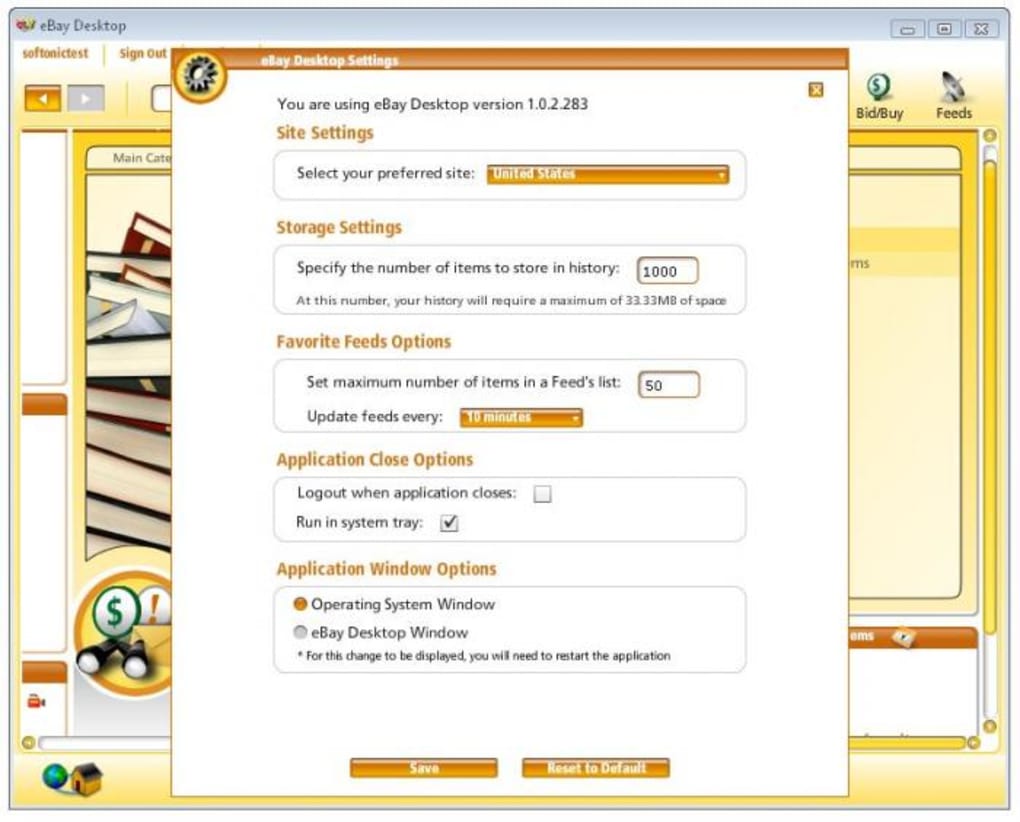
The software incorporated numerous functions intended to enhance the eBay experience beyond the core auction participation. The inclusion of RSS feeds allowed users to remain abreast of new listings matching their search criteria, a feature especially helpful for tracking rare items or newly listed products. Real-time outbid alerts ensured users received immediate notification if they were outbid, allowing for swift counter-bids or alternative strategies. Item reminders acted as personalized calendars, prompting users to participate in auctions before they ended. These functionalities aimed to transform passive browsing into active and informed participation in the eBay ecosystem.
However, the development of eBay Desktop occurred during a time when Adobe Air technology was prevalent. This reliance on Adobe Air, while providing cross-platform compatibility at the time, eventually became a significant limitation. The technology became increasingly outdated, leading to compatibility issues with newer operating systems and browsers, ultimately contributing to the application’s demise. This technological dependence is a crucial factor to consider when examining the software’s overall performance and eventual discontinuation. The limitations of Adobe Air presented a significant hurdle in maintaining the application’s performance and functionality in the face of evolving technological standards.
User Experience and Interface Design
The user interface of eBay Desktop aimed for simplicity and intuitiveness, mirroring the general layout and functionality of the eBay website. While aiming for user-friendliness, certain shortcomings became apparent. Some users reported difficulties listing items, particularly in specific categories. Image display also presented challenges, with images occasionally failing to load correctly. While some of these issues were likely attributed to temporary technical difficulties on the eBay website itself, they nonetheless impacted the overall user experience and negatively affected the application’s reliability. The design, while intended to simplify the eBay process, wasn’t always consistent or reliable in its execution.
User reviews revealed a mixed bag of experiences. Some praised the convenience and efficiency of the application, highlighting its time-saving benefits and ease of use in managing bids and tracking auctions. Others criticized its performance and stability, noting occasional glitches, bugs, and difficulties with certain functionalities. The inconsistent performance highlighted a significant drawback of the application, undermining its promise of streamlined eBay interaction. These mixed reviews reflect the challenges faced by the application in balancing functionality with seamless execution.
Legacy and Alternatives
eBay Desktop’s discontinuation marks the end of an era for desktop-based eBay management tools. While it offered a convenient centralized platform for managing eBay activities, its reliance on outdated technology ultimately proved unsustainable. The rise of web-based applications and improved browser functionality reduced the necessity for a standalone desktop application. Modern web browsers offer improved performance and enhanced features, rendering standalone applications like eBay Desktop less essential. The focus has shifted to optimizing the mobile and web experiences, emphasizing user-friendly interfaces that function seamlessly across multiple devices.
Several alternatives emerged to address the functionality once provided by eBay Desktop. These alternatives typically leverage web browser extensions or progressive web applications (PWAs). These solutions offer features such as bid tracking, automated bidding, and price monitoring. Many of these alternatives often benefit from continuous updates and improved compatibility with current technology, addressing the core limitations faced by eBay Desktop. While no single alternative perfectly replicates eBay Desktop’s functionality, these advancements offer comparable, and in some cases, superior features within the evolving digital ecosystem.
Conclusion: A Nostalgic Look Back
eBay Desktop attempted to fill a niche in the eBay user experience, providing a dedicated desktop application to simplify the process of interacting with the platform. While its initial promise of enhanced efficiency and improved workflow was appealing, its limitations, primarily stemming from its reliance on Adobe Air, ultimately proved its downfall. The application’s inconsistent performance and eventual discontinuation serve as a reminder of the rapidly evolving nature of technology and the importance of adopting and adapting to contemporary standards.
Although the application is no longer available, its existence offers a glimpse into the historical evolution of how users interacted with online marketplaces. The concept of a dedicated desktop application for eBay, although rendered obsolete by technological advancements, remains a notable chapter in the platform’s history. While the application itself is a relic of the past, its shortcomings and ultimately its failure highlight the importance of adapting to technological advancements to provide a truly seamless and reliable user experience in the continually evolving landscape of online commerce. The lessons learned from eBay Desktop’s development and eventual demise continue to inform the design and implementation of contemporary e-commerce tools and platforms.
File Information
- License: “Free”
- Version: “1.0.2”
- Latest update: “July 22, 2021”
- Platform: “Windows”
- OS: “Windows 98”
- Language: “English”
- Downloads: “150.2K”
- Size: “7.21 MB”


