
eCleaner is a freeware application designed for Windows operating systems, specifically aimed at streamlining email management by removing unnecessary text and enhancing overall email efficiency. While no longer actively developed or updated, its legacy as a lightweight and effective email utility warrants examination. This review will delve into its functionality, user experience, and historical context within the broader landscape of email client software.
Functionality and Features
At its core, eCleaner’s primary function is the removal of extraneous text from emails. This functionality addresses a common frustration for users inundated with lengthy email threads or messages containing excessive formatting or irrelevant content. By providing a simple interface to cleanse emails of unnecessary data, eCleaner aimed to improve readability and reduce clutter. The precise methods employed by eCleaner to achieve this are not explicitly detailed in available information, but its success in achieving this primary goal is evidenced by user reviews. The software’s focus was on simplicity and ease of use; its functionality was limited to this core text-removal task, foregoing more advanced features found in full-fledged email clients.
This streamlined approach meant that eCleaner wasn’t intended to compete directly with comprehensive email clients like Microsoft Outlook or Thunderbird. Instead, it occupied a niche as a supplementary tool for users seeking a quick and efficient way to clean up their inboxes. Its lack of features like email composition, calendar integration, or contact management meant it functioned best as a standalone tool used in conjunction with a primary email client. Users would likely open an email in their preferred client, copy the text, paste it into eCleaner for processing, and then copy the cleaned-up text back into their email client or other document. This workflow underscores its role as a focused utility rather than a comprehensive solution.
User Experience and Interface
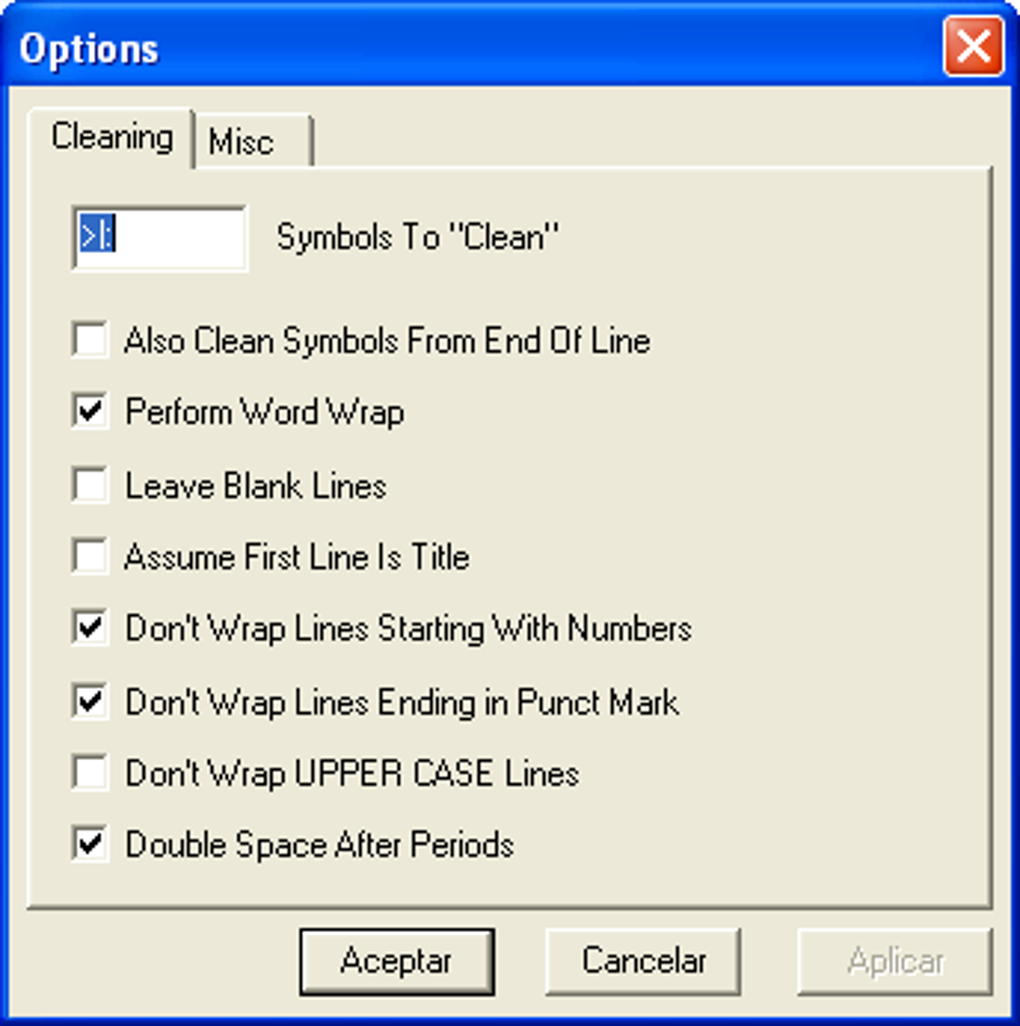
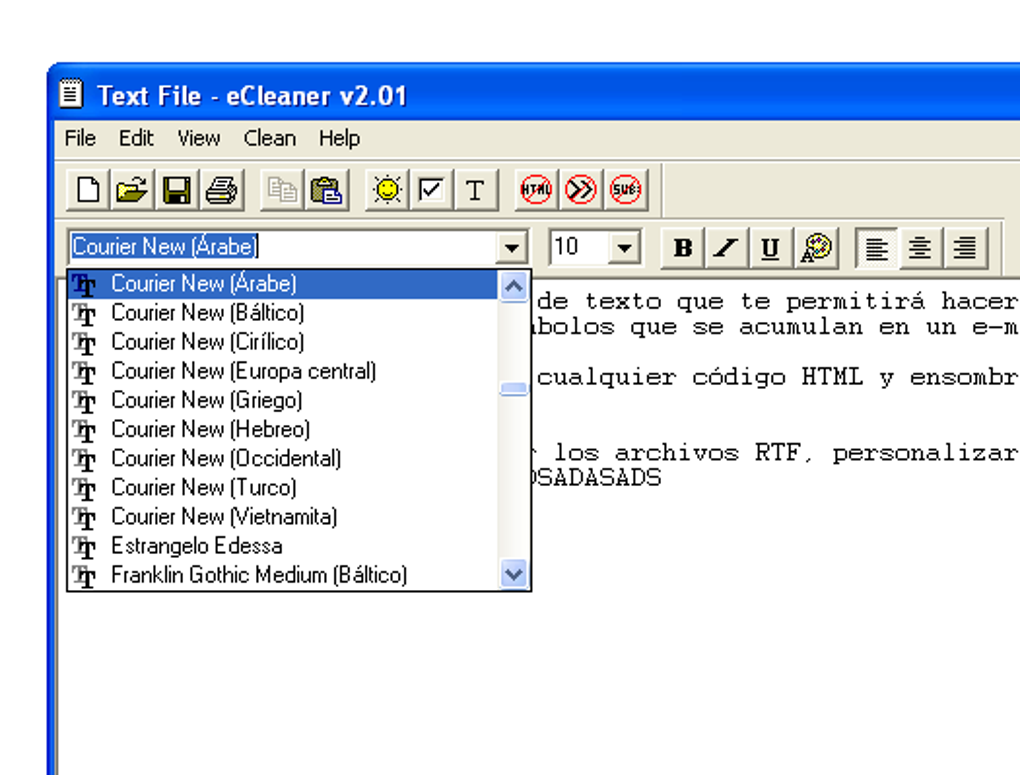
While specifics on the user interface are limited, given its age and lack of current documentation, reports and user reviews suggest a straightforward, minimalist design. The goal was likely to minimize the learning curve and offer a user-friendly experience, even for users unfamiliar with advanced email software. The simplicity of its function likely translated into an equally straightforward interface, with minimal options and controls to master. This design philosophy is consistent with its role as a niche tool for a specific task; a complex interface would have contradicted its design goals of efficiency and ease of use. The limited options reduced the chance of user errors or confusion, a benefit for less tech-savvy users.
Considering the software’s age and the evolution of user interface design standards, it is reasonable to assume its appearance would differ significantly from modern applications. However, its intended ease of use would suggest that navigation and interaction were likely intuitive and uncomplicated. The overall user experience likely centered around the core task of text cleaning, making it easy for users to import text, process it, and export the cleaned version without extensive training or guidance.
Historical Context and Comparison to Modern Tools
Released in 2011, eCleaner emerged in a period when email usage was prevalent, but the landscape of email management tools was evolving. While full-featured email clients existed, the need for a simple tool focused solely on text cleanup might have been particularly relevant. Today, many integrated email services, such as Gmail, provide features for managing email content, including tools for filtering spam and reducing clutter. Furthermore, several extensions and add-ons enhance the text-processing capabilities within these clients.
Modern equivalents might include specialized text-editing software with bulk processing options or specialized plugins for email clients offering more sophisticated text cleaning or formatting features. Compared to these modern solutions, eCleaner’s functionality would appear limited. While it addressed a specific need, modern tools often incorporate similar functionalities within a broader range of email management features. However, the simplicity of eCleaner remains its unique selling point—a feature often sacrificed for more complex, multifaceted tools. The trade-off is clear: simple, effective text cleaning versus a broader range of capabilities and potentially a steeper learning curve.
System Requirements and Availability
eCleaner was specifically designed for Windows operating systems, supporting Windows 95 and earlier versions, demonstrating its early development period. Its small size (455.71 KB) and low system requirements reflect a time when computing resources were often more constrained than today. This limited size and lack of intensive processing needs contributed to its ease of use and minimal system impact. The program’s availability was limited to English, potentially impacting its reach in global markets. Its lack of continued development and updates is a significant limitation. This lack of updates means it is unlikely to be compatible with modern Windows versions or benefit from any security improvements or bug fixes.
The discontinued development and lack of active maintenance are critical factors to consider. The software might be vulnerable to security risks and not be compatible with newer operating systems and security protocols. Therefore, while eCleaner may have been a useful tool in its time, potential users should carefully consider the security implications of using outdated software.
Conclusion
eCleaner, while no longer actively supported or updated, provides a valuable case study in the evolution of email management tools. Its focused functionality and simple design addressed a specific user need in a period of changing technological landscapes. Its success lies in its simplicity and ease of use. However, its limited features and lack of current updates should not be overlooked. Users considering employing eCleaner must weigh the benefits of its minimalist approach against the risks associated with using outdated software, including potential security vulnerabilities and compatibility issues. While it may offer a nostalgic look at the past, modern equivalents, many built into existing email clients, generally provide greater functionality and enhanced security. The legacy of eCleaner, however, serves as a reminder that sometimes, a simple, targeted solution can address a significant need, even if later superseded by more comprehensive tools.
File Information
- License: “Free”
- Version: “2.02”
- Latest update: “June 30, 2011”
- Platform: “Windows”
- OS: “Windows 2000”
- Language: “English”
- Downloads: “12.1K”
- Size: “455.71 KB”


