
eDonkey2000 was a significant player in the early days of peer-to-peer (P2P) file-sharing, offering a relatively user-friendly interface and robust functionality for its time. While its legacy is intertwined with the complexities of copyright infringement and the evolving landscape of digital content distribution, understanding its impact requires examining its features, popularity, and eventual decline within the context of the technological and legal developments of the early 2000s. This article explores the history, features, and lasting impact of eDonkey2000.
The Rise of eDonkey2000: A User-Friendly Approach to P2P Sharing
Launched in the early 2000s, eDonkey2000 capitalized on the growing demand for easy and efficient file sharing. Unlike some of its contemporaries, it boasted a relatively intuitive interface, making it accessible to a wider range of users, even those unfamiliar with the technical intricacies of P2P networks. This ease of use contributed significantly to its rapid adoption and widespread popularity. The software’s core functionality revolved around allowing users to search for and download files from other users’ computers, creating a decentralized network where no single server controlled the flow of data. This distributed nature provided resilience against takedown attempts, a key factor in its longevity. The program supported a wide variety of file types, catering to diverse user interests, ranging from software and music to videos and documents.
The appeal of eDonkey2000 stemmed from its ability to overcome some limitations of earlier file-sharing technologies. It offered significantly faster download speeds compared to its predecessors by allowing users to download files from multiple sources simultaneously. This “multi-source downloading” significantly reduced download times, a critical factor for users dealing with limited bandwidth. Furthermore, eDonkey2000 featured automatic resume capabilities, ensuring that interrupted downloads could be seamlessly restarted without the need to begin the process from scratch. This was a considerable improvement over systems that required a complete restart from the beginning of the file.
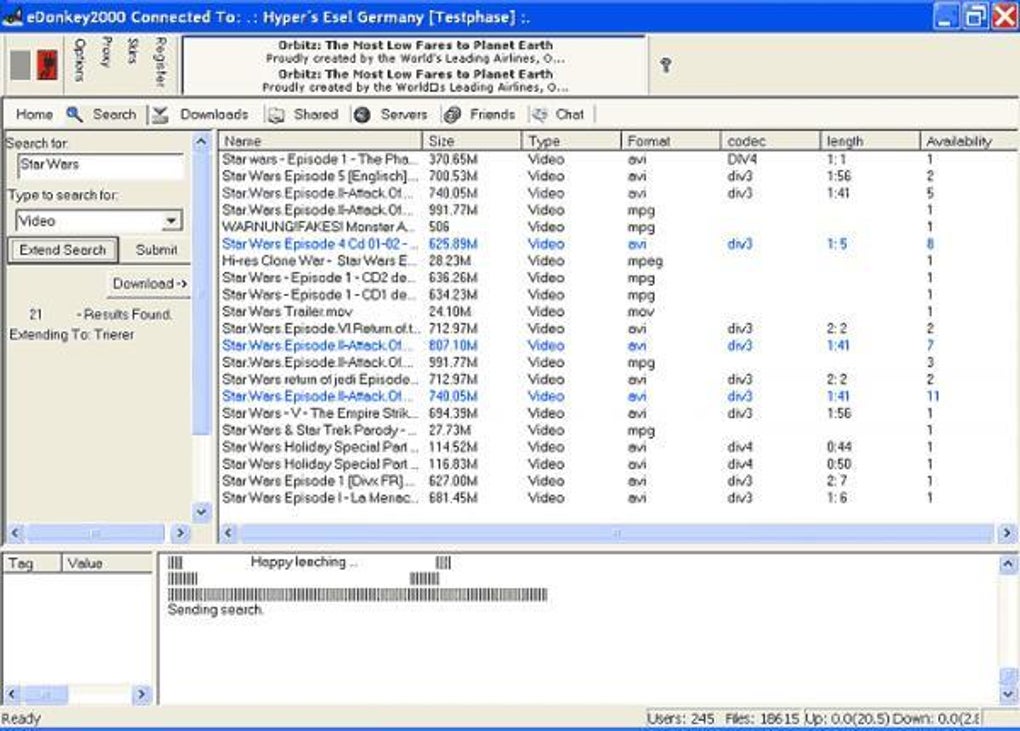
Another significant feature was its robust search functionality. Users could search the network for specific files using keywords, which helped them quickly locate the desired content. This search capability was further enhanced by the presence of user-generated catalogs that allowed users to verify the legitimacy of files before downloading. These catalogs provided a level of community-based quality control, though their effectiveness was naturally limited. The software also included features like private messaging, allowing users to communicate with each other directly within the application, fostering a sense of community around file sharing.
eDonkey2000’s Technical Architecture and Network Effects
eDonkey2000 operated on a distributed hash table (DHT) system, which played a crucial role in its efficiency and resilience. Unlike centralized systems, a DHT spreads the workload across all participants in the network. This meant there was no single point of failure; even if some users left the network, the overall functionality remained largely unaffected. The DHT allowed for efficient searching and file location, enabling users to quickly discover and download the files they sought. The decentralized nature also made it difficult for authorities to shut down the network entirely. Attempts to disable parts of the network would only lead to the network reconfiguring itself around the removed parts. This inherent resilience was a significant factor in its lasting popularity and its ability to evade legal action aimed at its shutdown.
The success of eDonkey2000 was significantly amplified by network effects. The more users joined the network, the more files became available, and the faster download speeds became. This positive feedback loop drove exponential growth. Users found the platform increasingly valuable as the network expanded, which, in turn, attracted even more users. This network effect created a powerful barrier to entry for potential competitors and ensured eDonkey2000’s dominance in the P2P file-sharing landscape for a considerable period.
Legal Challenges and the Decline of eDonkey2000
Despite its popularity and technical innovation, eDonkey2000’s operation was constantly shadowed by legal concerns. The platform facilitated the sharing of copyrighted material, leading to numerous lawsuits from copyright holders. These legal battles ultimately contributed to its decline. While eDonkey2000 attempted to implement measures to combat illegal activity, such as the integration of a system to detect fake or malicious files, these efforts proved insufficient to entirely prevent copyright infringement.
The legal actions taken against eDonkey2000 were multifaceted. Copyright holders pursued legal action against both the software developers and individual users. The legal challenges became increasingly costly and complex for the developers, ultimately leading to the shutdown of the official eDonkey2000 network. While various successors and clones emerged, attempting to capitalize on the established user base and network effects, none managed to achieve the same level of influence or widespread adoption as the original. The legal landscape surrounding P2P file sharing had significantly tightened, making it challenging for similar services to operate without facing similar legal repercussions.
The Lasting Impact: Shaping the Digital Landscape
eDonkey2000, despite its eventual demise, left a lasting impact on the digital landscape. It played a pivotal role in shaping the early development and widespread adoption of P2P technology. Its success demonstrated the appeal of decentralized file-sharing networks and highlighted the challenges associated with controlling the distribution of digital content in an increasingly interconnected world.
The innovations introduced by eDonkey2000, such as multi-source downloading and the use of a DHT, influenced subsequent generations of P2P file-sharing applications. Its user-friendly interface set a standard for ease of use in this genre. Although its primary use was often associated with copyright infringement, its existence highlighted the demand for accessible and efficient methods for distributing digital files, a demand that has been subsequently met, albeit often within more regulated and controlled environments.
The legal battles surrounding eDonkey2000 also played a crucial role in shaping the legal framework for online copyright protection. The legal precedents set during its decline significantly influenced the development of laws and policies aimed at addressing copyright infringement in the digital realm. This legacy continues to shape discussions around online copyright and the balance between promoting innovation and protecting intellectual property rights.
Conclusion: A Legacy of Innovation and Controversy
eDonkey2000’s history is a complex narrative of innovation, popularity, and legal conflict. Its technical advancements significantly influenced the development of P2P file-sharing technology, while its association with copyright infringement fueled debates surrounding digital rights management and the enforcement of copyright laws in the digital age. Its legacy serves as a reminder of the transformative impact of technology on information sharing and the ongoing challenges in balancing technological progress with legal and ethical considerations. While the eDonkey2000 network itself no longer functions, its impact on the development and understanding of P2P file sharing continues to resonate today.
File Information
- License: “Free”
- Version: “1.4.6”
- Latest update: “November 2, 2006”
- Platform: “Windows”
- OS: “Windows 2000”
- Language: “English”
- Downloads: “113.4K”
- Size: “3.23 MB”


