
Elden Ring, the critically acclaimed action role-playing game (RPG) from FromSoftware, has captivated gamers worldwide with its sprawling open world, challenging combat, and rich lore. A collaborative effort between Hidetaka Miyazaki, the director of the Dark Souls series, and George R. R. Martin, author of A Song of Ice and Fire, Elden Ring seamlessly blends the brutal yet rewarding gameplay mechanics of the Soulsborne series with a breathtakingly detailed and expansive world brimming with mystery and danger. This exploration delves into the game’s mechanics, its connection to the Soulsborne legacy, its groundbreaking open-world design, and the significant impact of its recent updates.
A Soulsborne Experience Redefined
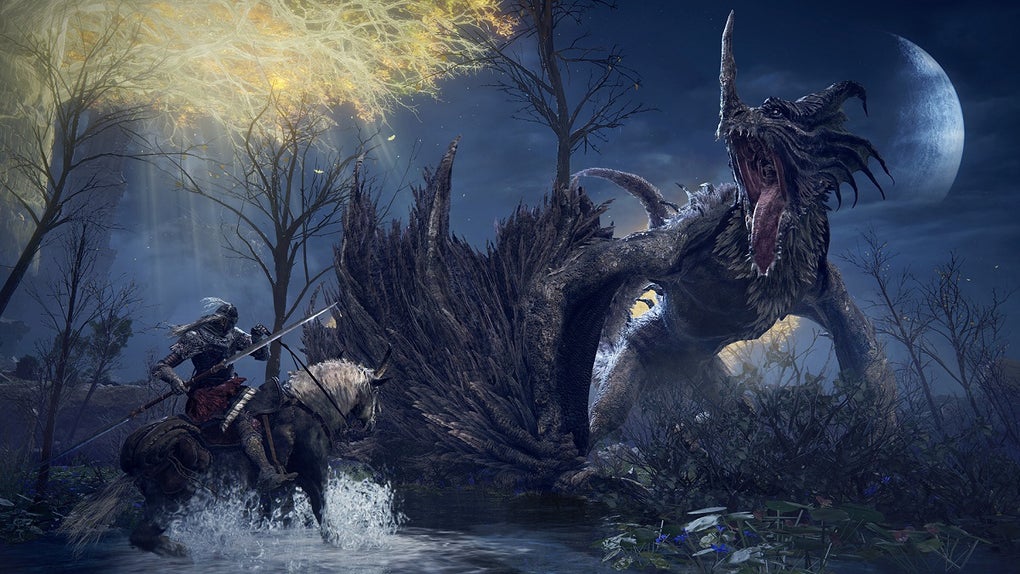
Elden Ring retains the core DNA of FromSoftware’s previous titles, including the demanding combat system that prioritizes precise timing, skillful dodging, and strategic resource management. Players must master the art of parrying and countering attacks, similar to Sekiro: Shadows Die Twice, while also utilizing a variety of weapons, spells, and summonable allies to overcome the game’s formidable adversaries. The unforgiving nature of the combat, particularly during boss battles, is a defining characteristic, demanding patience, perseverance, and a willingness to learn from repeated failures. Each encounter serves as a learning experience, pushing players to adapt their strategies and refine their skills. However, Elden Ring offers a level of depth and freedom previously unseen in the Soulsborne series.
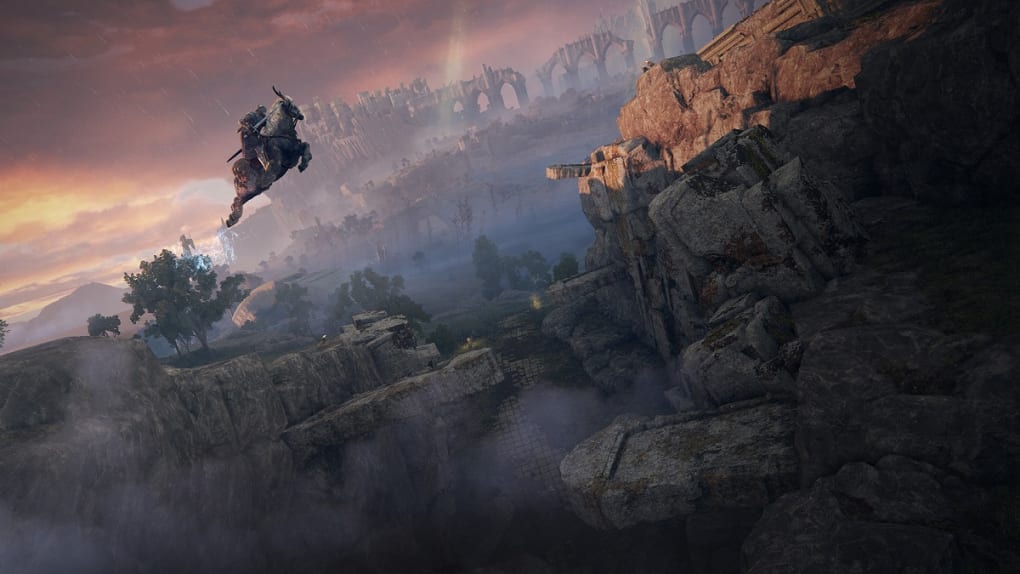
The character customization system allows for extensive player agency in shaping their playstyle. Players can experiment with a wide array of weapons, from swift swords and axes to powerful hammers and devastating magic staves, each with unique strengths and weaknesses. The choice of weaponry significantly impacts combat strategies, demanding careful consideration of the character’s attributes and preferred fighting style. The inclusion of mounted combat adds another layer of tactical depth, enabling players to traverse the vast landscape and engage enemies from horseback, offering a dynamic approach to exploration and combat. The depth of character customization extends to magic and stealth skills, providing multiple viable paths to success.
An Open World Unlike Any Other
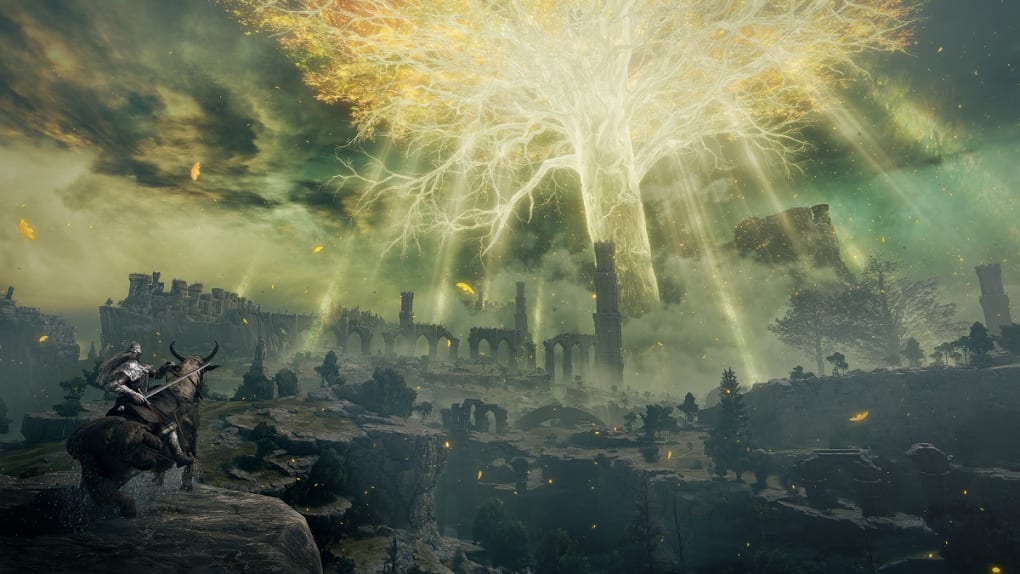
Unlike its predecessors, which largely followed linear paths, Elden Ring unleashes players into a truly expansive and interconnected open world. The Lands Between, a decaying realm shrouded in mystery and peril, invites exploration with its diverse biomes, each possessing unique challenges and rewards. From towering castles and lush forests to treacherous swamps and desolate wastelands, the world encourages a sense of wonder and discovery. Curiosity is consistently rewarded, with hidden paths, secret areas, and challenging optional encounters scattered throughout the environment. This expansive open world design, reminiscent of games like The Legend of Zelda: Breath of the Wild, sets Elden Ring apart from its lineage, while still retaining the core challenge and rewarding gameplay loop of the Soulsborne franchise.
The non-linear nature of the game allows players to tackle challenges at their own pace and in the order they choose. While some areas are clearly more challenging than others, the freedom to explore and discover new areas independently empowers players to experiment with various approaches and develop their characters in unique ways. This open-world design significantly impacts the overall experience, providing a sense of freedom and agency absent in previous installments.
Multiplayer: Cooperation and Competition
Elden Ring offers a multifaceted multiplayer experience, encompassing both cooperative and competitive elements. Cooperative gameplay allows players to summon assistance in challenging encounters, creating memorable shared experiences and collaborative strategies. Players can leave summon signs in the world, allowing other players to join their game and work together to overcome tough bosses or navigate hazardous areas. This cooperative element significantly enhances the game’s replayability, encouraging players to revisit previously explored locations and approach them with renewed strategies, benefiting from the combined skills and approaches of multiple players.
Conversely, the competitive multiplayer aspect offers PvP combat, pitting players against each other in intense battles that showcase build diversity and skill. Players can test their carefully crafted characters against one another, learning from their victories and defeats to continuously refine their strategies. The competitive aspect of the multiplayer adds another dimension to the game, allowing for strategic engagement with other players and showcasing the depth and diversity of the game’s build options.
Elden Ring’s Evolution: Updates and Expansions
Since its initial release, Elden Ring has received numerous updates, each introducing new content, improvements to existing systems, and crucial bug fixes. One of the most notable additions is the Shadow of the Erdtree DLC, an expansion that significantly expands upon the game’s existing content and lore. This substantial expansion introduces a new area, the Realm of Shadow, filled with unique environments, challenging enemies, and powerful new rewards. The expansion also deepens the narrative, focusing on the enigmatic character Miquella and providing further insights into the game’s rich lore.
The updates beyond the DLC encompass a multitude of improvements, including balance adjustments for both PvP and PvE combat, enhancements to the map and inventory systems, and the addition of new features such as additional hairstyles and the ability to summon spectral steeds during specific boss battles. The introduction of ray tracing support further enhances the visual fidelity, though this feature has its performance trade-offs. The continuous updates demonstrate FromSoftware’s commitment to supporting and expanding upon their creation, ensuring that Elden Ring remains a dynamic and engaging experience for players.
Elden Ring: A Landmark Achievement
Elden Ring stands as a testament to FromSoftware’s innovation and dedication to crafting unforgettable gaming experiences. It successfully blends the demanding yet rewarding gameplay of the Soulsborne series with a truly groundbreaking open-world design. The game offers unparalleled freedom and agency, enabling players to craft unique experiences based on their preferred playstyle and approach. The inclusion of diverse gameplay mechanics, including mounted combat, intricate spellcasting, and a robust multiplayer system further enhances its appeal. The ongoing updates and the addition of significant DLC continue to expand upon the game’s already impressive content, cementing its status as a landmark achievement in the action RPG genre. While its challenging nature may not appeal to all gamers, those willing to invest the time and effort will undoubtedly find Elden Ring to be a truly rewarding and unforgettable adventure.
File Information
- License: “Full”
- Version: “1.10.1”
- Latest update: “June 24, 2024”
- Platform: “Windows”
- OS: “Windows 10”
- Language: “English”
- Downloads: “33.3K”


