
eMule, a venerable peer-to-Peer (P2P) file-sharing application, has carved a niche for itself in the world of digital file transfer. While not as prominent as some of its contemporaries, eMule continues to offer a unique blend of features and functionality that cater to a dedicated user base. This guide delves into the intricacies of eMule, exploring its features, advantages, disadvantages, and its place within the broader landscape of P2P file sharing. We will explore its functionality on Mac OS and address some frequently asked questions.
Understanding eMule’s Functionality
eMule operates on a decentralized P2P network, meaning that it doesn’t rely on a central server to facilitate file transfers. Instead, users share files directly with each other, creating a distributed network of interconnected computers. This architecture offers several advantages, including resilience to censorship and increased download speeds.
The core mechanism of eMule involves a client-server interaction where users connect to various eD2k servers. These servers act as directories, listing available files and their sources. When a user requests a file, eMule connects to multiple sources (peers) simultaneously, downloading segments of the file from each peer. This simultaneous download process significantly improves download speed, especially for popular files with many sources. eMule’s intelligent system prioritizes the fastest and most reliable sources, optimizing download efficiency. The program automatically manages the downloading and uploading processes, ensuring that users contribute to the network while benefiting from shared files.
One of eMule’s key differentiators is its support for both the eDonkey2000 (eD2k) network and BitTorrent. While primarily known for its eD2k network, eMule’s compatibility with torrents provides users access to a larger pool of files, enhancing its overall utility. This versatility is a significant advantage over clients that solely rely on either of these networks.
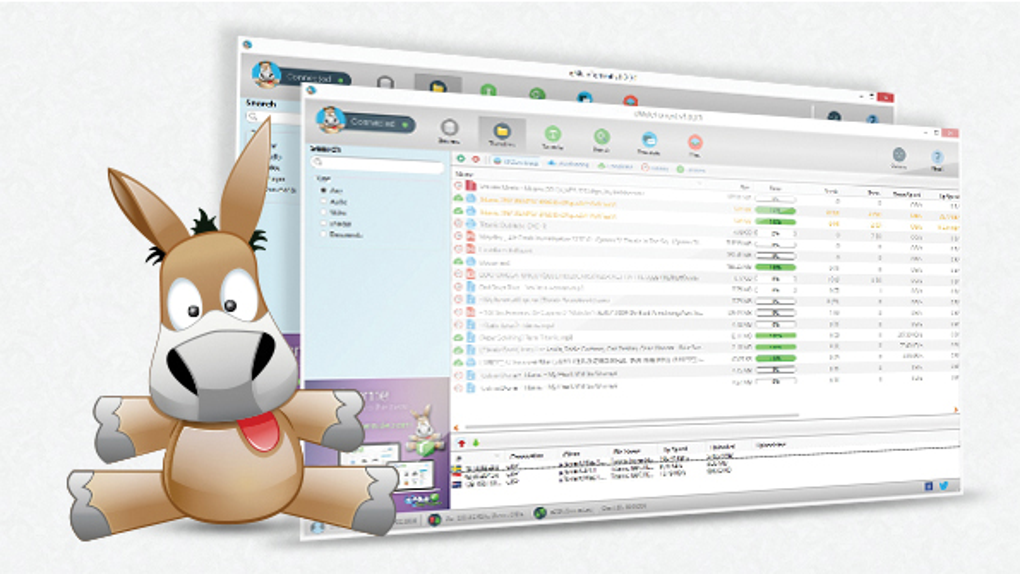
eMule for Mac: Seamless File Sharing on Apple Devices
eMule’s availability on Mac OS ensures that Apple users can participate in the eD2k network and access a wide range of files. The Mac version mirrors the functionality of its Windows counterpart, providing users with an intuitive interface for searching, downloading, and sharing files. The seamless integration with Mac OS allows for easy management of downloads, integration with the operating system’s notification system, and efficient resource management.
The Mac version benefits from regular updates, addressing bugs, enhancing performance, and adding new features. This commitment to improvement keeps the application up to date with security patches and compatibility updates, ensuring a reliable and secure file-sharing experience for Mac users.
eMule’s Advantages and Disadvantages
eMule, like any software application, has both strengths and weaknesses. Understanding these aspects is crucial to determining whether it’s the right file-sharing solution for your needs.
Advantages:
- Decentralized Network: eMule operates on a decentralized P2k network, making it resilient to censorship and single points of failure. This robustness contrasts with centralized services which can be easily shut down or controlled.
- High Download Speeds: By connecting to multiple peers simultaneously, eMule leverages the combined upload bandwidth of several users, resulting in significantly faster download speeds, especially for popular files. The intelligent source selection further optimizes download efficiency.
- eD2k and BitTorrent Support: The ability to handle both eD2k links and BitTorrent files vastly expands the range of accessible files. This dual compatibility makes eMule a versatile option for users who utilize both networks.
- User-Friendly Interface: Despite the complexities of P2P networks, eMule maintains a relatively simple and user-friendly interface, making it accessible to novice and experienced users alike. The intuitive design minimizes the learning curve, allowing users to quickly grasp its core functionality.
- Active Community: A dedicated community of users contributes to ongoing development, maintenance, and support. This community-driven approach helps ensure the longevity and continued improvement of the application.
Disadvantages:
- Limited Torrent Support: While eMule supports torrent files, the popularity of eD2k torrents is significantly lower compared to those on dedicated torrent networks. This can limit the availability of certain files compared to purely BitTorrent-based clients.
- Potential for Bugs: Like many software applications, eMule is prone to bugs. While regular updates address many issues, some bugs may emerge after updates, requiring further fixes. This ongoing cycle of bug fixes and introductions is a common challenge in software development.
- Resource Intensive: Running eMule requires significant system resources, particularly when handling numerous simultaneous downloads and uploads. This can affect overall system performance, especially on older or less powerful machines.
- Security Concerns: P2P networks inherently carry security risks, including the potential for downloading malware or infected files. Users should exercise caution and utilize reputable antivirus software.
- Legal Considerations: Downloading copyrighted material without permission is illegal in many jurisdictions. Users must be aware of and comply with local copyright laws when using eMule or any P2P file-sharing service.
eMule’s Place in the Modern File-Sharing Ecosystem
While eMule might not be as mainstream as some more modern file-sharing applications, it remains a relevant option for users seeking a robust and decentralized P2P experience. Its dual support for eD2k and BitTorrent, combined with its relatively user-friendly interface, makes it a compelling choice for those comfortable with the technical aspects of P2P networks and who understand the associated risks. eMule’s strengths lie in its resilience to censorship, potential for high download speeds, and versatile functionality. However, users should weigh its disadvantages, including the potential for bugs and security concerns, before making a decision. The legal implications of downloading copyrighted material must also be carefully considered.
Apps, Games, and News Related to eMule
While eMule itself isn’t a platform for apps or games in the traditional sense, its use is often interwoven with these categories. Users might leverage eMule to download various applications, games, or news files. However, it’s crucial to note that downloading copyrighted software or games without permission is illegal in many jurisdictions.
eMule for Business: A Limited Applicability
eMule’s suitability for business applications is extremely limited. Its focus on P2P file sharing isn’t aligned with the security, control, and reliability requirements of most business environments. Businesses typically rely on more secure and managed solutions for file transfer and collaboration. Furthermore, the potential for security breaches and legal issues surrounding copyrighted material makes it unsuitable for commercial use.
Alternatives to eMule
Several alternative file-sharing applications exist that offer similar functionalities or cater to different user needs. Some popular alternatives include:
- qBittorrent: A lightweight and open-source BitTorrent client offering a comprehensive feature set.
- uTorrent: A popular and widely-used BitTorrent client known for its speed and ease of use.
- Vuze (Azureus): A powerful BitTorrent client with advanced features, including media playback.
- FrostWire: A versatile BitTorrent client with added functionality for streaming and media management.
Choosing an alternative will depend on factors such as preferred network (BitTorrent vs eD2k), desired features, ease of use, and system resource constraints.
In conclusion, eMule remains a viable option for users seeking a decentralized P2P file-sharing client with support for both eD2k and BitTorrent. However, careful consideration of its advantages, disadvantages, legal implications, and security risks is essential before utilizing the application. Numerous alternatives exist, offering varying levels of functionality and user experience. Choosing the right file-sharing application depends on individual needs and preferences.
File Information
- License: “Free”
- Latest update: “October 3, 2016”
- Platform: “Mac”
- OS: “Mac OS X”
- Language: “English”
- Downloads: “75K”
- Size: “85.77 MB”


