
In the vast and often predictable landscape of modern gaming, a true gem of visceral horror and innovative gameplay sometimes emerges from the most unexpected corners. Such is the case with Endoparasitic, a 2D top-down survival horror title for PC, crafted by the ingenious developer Narayan Walters. Far from the sprawling, hyper-realistic environments of contemporary blockbusters, Endoparasitic embraces a stark, pixelated minimalism that paradoxically amplifies its psychological impact. It thrusts players into an immediate and terrifying struggle for survival, presenting a unique premise that challenges conventions and redefines vulnerability within the horror genre.
This isn’t merely a game about shooting monsters; it’s an agonizing crawl through a nightmare, a desperate race against an internal clock, and a testament to the human (or what’s left of it) will to preserve knowledge, even when one’s own body is failing. Set within a mysterious research facility nestled on a remote asteroid, the game immediately establishes a sense of isolation and impending doom. A deadly parasite has breached containment, transforming former colleagues into grotesque, mutated horrors. Our protagonist, a lone researcher, suffers a horrific attack that leaves him dismembered, bereft of three limbs, and precariously clinging to life. His only solace, and his driving motivation, is to retrieve critical research data before the parasite completes its gruesome journey to his brain, ending his existence entirely.
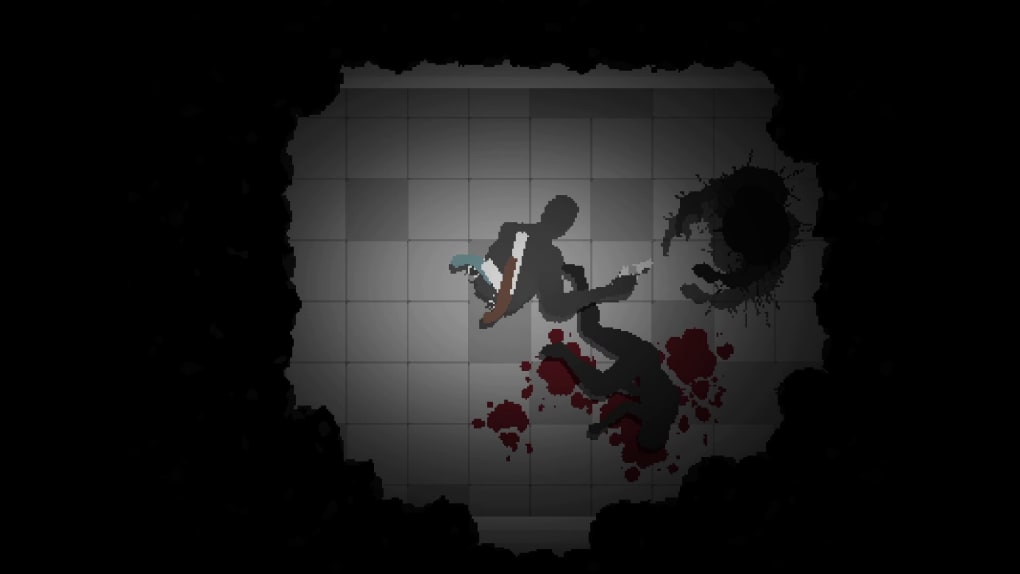
Echoing the unsettling, meta-narrative dread of titles like Imscared, Endoparasitic eschews flashy graphics for a more profound sense of unease. Its pixelated art style, combined with profoundly limited visibility, creates an atmosphere thick with claustrophobia and uncertainty. Players are forced to navigate dimly lit environments, where threats lurk just beyond the edge of their meager light source, relying more on sound and intuition than sight. This deliberate design choice transforms every corridor into a potential death trap, every shadow into a source of anxiety. It’s a game that doesn’t just ask you to survive; it forces you to feel every agonizing movement, every panicked decision, and every ounce of your character’s desperate struggle.
The Grim Premise: A Fight for Life and Data
The core narrative of Endoparasitic is a masterclass in establishing stakes and immediate, personal horror. The scenario unfolds on a remote asteroid research facility, a classic sci-fi trope that immediately isolates the player and establishes a sense of hopelessness. However, Walters elevates this familiar setting by introducing a parasite that is not just external but also internal, turning the protagonist’s own body into a ticking time bomb. The initial attack, described as “savagely attacked by the infected, ripping out three of your limbs and leaving you for dead,” paints a gruesome and indelible picture. This isn’t a hero’s journey; it’s a desperate scramble from the brink of oblivion.
What truly distinguishes Endoparasitic is the protagonist’s motivation: not merely survival for survival’s sake, but the preservation of his research data. In a genre often focused on escaping, fighting, or avenging, this intellectual drive adds a poignant layer to the horror. It suggests a dedication to scientific advancement, a final act of defiance against entropy, even as the researcher’s physical form is systematically dismantled. This internal conflict – the battle against the parasite within, coupled with the external threats – creates a multifaceted horror experience. The player is constantly aware of the encroaching infection, a creeping dread that overlays every external encounter. Each step, each interaction, is shadowed by the knowledge that failure means not only personal death but the loss of vital, possibly humanity-saving, information.
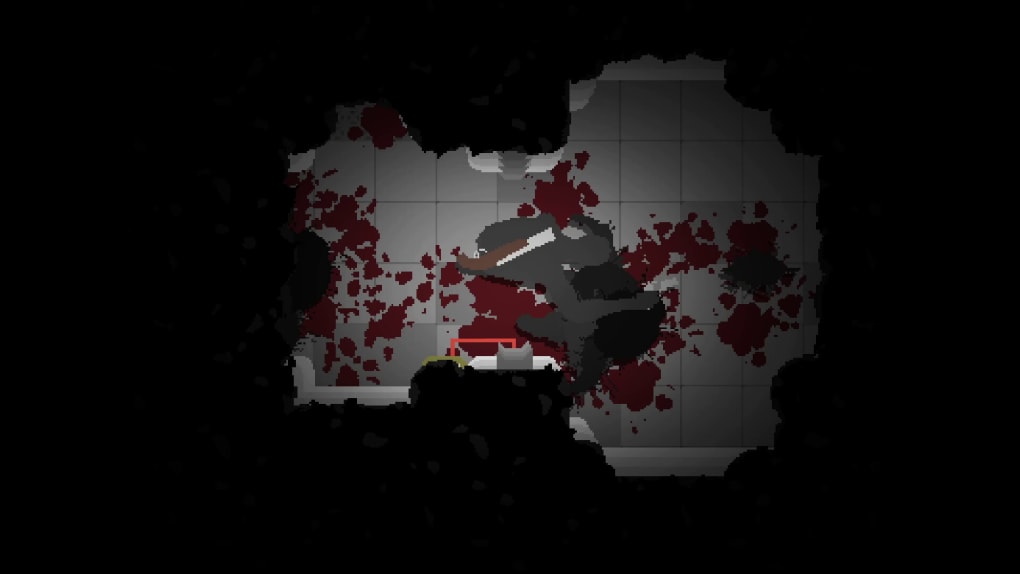
This unique premise transforms the player’s vulnerability into a central mechanic and a core emotional anchor. The dismemberment isn’t just cosmetic; it defines the gameplay. The act of “crawling your way to salvage what you can” is not metaphorical but literal. This physical impairment is the ultimate expression of the horror, forcing players to confront their character’s profound weakness and fragility. It’s a stark reminder that in the face of overwhelming biological terror, even the most capable individuals are reduced to their most primal, struggling selves. The urgency of the situation, the race against the parasite reaching the brain, injects a relentless pacing that makes Endoparasitic an unforgettably intense experience from start to finish.
Crawling Through the Nightmare: Gameplay Mechanics and Challenges
Endoparasitic is not just grim in its premise; it’s ingenious in its mechanics, forcing players to rethink traditional survival horror strategies. The game’s top-down perspective, while common in indie horror, is given a fresh twist through the lens of extreme vulnerability. Players literally crawl through the dimly lit corridors, their movement speed drastically reduced, amplifying the sense of dread and the perceived threat of every encounter. This crawling mechanic is central to the game’s identity, making simple navigation an arduous, tension-filled ordeal.
The combat system is where Endoparasitic truly sets itself apart. The game provides four different guns for the player to find, offering a glimmer of hope in the darkness. However, this hope is immediately tempered by a brutal limitation: you can only shoot one bullet at a time. This isn’t a game of spray-and-pray; it’s a game of precision, timing, and desperate calculation. Each shot must count, as reloading (or waiting for the next shot) leaves the player exposed and utterly vulnerable. This scarcity of firepower, combined with the single-bullet constraint, transforms every hostile encounter into a high-stakes puzzle. Do you risk a shot and leave yourself open? Or do you try to sneak past, conserving precious ammunition for an unavoidable confrontation?
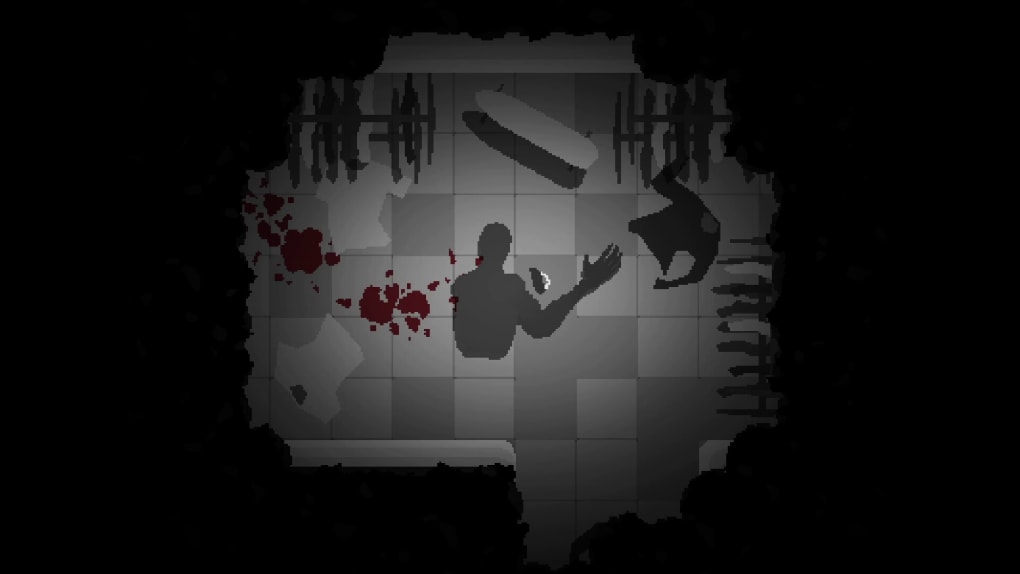
Compounding the challenge is the game’s most defining mechanical limitation: “given your unique condition, you can only do one action at a time—you can’t move while shooting.” This single constraint fundamentally redefines how players approach combat and navigation. It forces a complete mental recalibration. Traditional gaming instincts of strafing while shooting, or moving to dodge, are rendered useless. Players must commit to an action – either move or shoot – accepting the consequences of that choice. This creates moments of intense strategic deliberation: crawl forward, then stop to aim and fire, then crawl again, all while a mutated monster lumbers towards you. This deliberate clunkiness is not a flaw; it’s a brilliant design choice that reinforces the protagonist’s dismembered state and vulnerability, making every successful maneuver feel like a hard-won victory against insurmountable odds.
Beyond combat, Endoparasitic integrates elements of stealth and puzzle-solving, further diversifying its gameplay. Players will encounter situations where direct confrontation is suicidal, necessitating careful evasion and environmental manipulation. Puzzles, though not overly complex, often involve navigating hazardous areas, opening blocked paths, or understanding enemy patrol patterns, all under the persistent threat of attack. These elements demand careful observation and strategic planning, complementing the high-tension combat. The game’s difficulty, while manageable for much of its runtime, experiences a significant “spike toward the end.” This sudden surge in challenge can be both exhilarating and frustrating, pushing players to their absolute limits and demanding mastery of its unique mechanics in the face of overwhelming odds. It ensures that the final moments are as impactful and desperate as the opening premise suggests.
Aesthetic of Despair: Pixel Art and Atmospheric Horror
In an era dominated by photorealism, Endoparasitic makes a bold statement by embracing a “pixelated minimalist approach to its art style and game design.” This choice is not a limitation but a deliberate artistic decision that serves to enhance the game’s unsettling atmosphere and psychological horror. Rather than detracting from the terror, the low-resolution graphics force the player’s imagination to fill in the grotesque details, often resulting in a far more disturbing mental image than any high-fidelity rendering could achieve.
The minimalist pixel art style is expertly used to evoke a sense of dread and isolation. Character models are simple, often just a collection of pixels, yet the way they move, the slight shifts in posture, and the limited animations convey a surprising amount of emotion and threat. The environments, too, are stripped down to their essential elements: stark metal corridors, flickering lights, and pools of impenetrable darkness. This lack of intricate detail paradoxically intensifies the horror, as every visible element becomes more significant. A few well-placed pixels can suggest a gruesome injury, a lurking shadow, or a discarded piece of equipment, leaving ample room for the player’s mind to conjure the more terrifying implications.
A crucial aspect of this aesthetic is the game’s use of “dimly-lit environments with limited visibility.” This isn’t just a visual choice; it’s a fundamental gameplay mechanic that reinforces the player’s vulnerability. The limited cone of vision, often restricted to the immediate vicinity of the protagonist, creates a constant sense of claustrophobia and uncertainty. Threats can emerge from the periphery without warning, and even when an enemy is spotted, its precise movements or characteristics might remain obscured by the gloom. This visual ambiguity fosters paranoia, making the player constantly question what lies beyond their sight. The darkness itself becomes an enemy, a vast, unknown expanse where horrors silently dwell.
While the provided reference does not explicitly detail sound design, it’s safe to infer its critical role in a game relying so heavily on atmospheric horror and limited visibility. In minimalist pixel art games, sound often takes center stage, compensating for visual simplicity. The squelching sounds of the parasite, the distant groans of the mutated infected, the protagonist’s labored breathing, and the eerie silence of empty corridors would all contribute immensely to the psychological impact. The absence of a constant musical score, punctuated by sudden, discordant noises, would heighten jump scares and sustain a pervasive sense of unease. Together, the minimalist pixel art, the oppressive darkness, and the inferred sound design create an aesthetic of despair that is both unique and profoundly effective, cementing Endoparasitic as a masterclass in evocative low-fidelity horror.
Beyond the Short Run: Depth, Difficulty, and Lasting Impression
Endoparasitic offers an experience that, while intense and deeply engaging, is undeniably concise. The game’s “total runtime is short at just a couple of hours,” a characteristic that might initially be perceived as a drawback by some players accustomed to lengthy, sprawling epics. However, within the context of Endoparasitic’s specific brand of survival horror, this brevity can be seen as a deliberate design choice that enhances its impact rather than diminishes it. The game aims for a concentrated burst of terror, a focused nightmare that doesn’t overstay its welcome, ensuring that every moment is fraught with tension and consequence.
The limited runtime also means that the narrative is tightly woven, devoid of unnecessary padding or side quests. Every puzzle, every encounter, and every environmental detail serves to push the story forward and deepen the player’s understanding of the terrifying predicament. This streamlined approach ensures a relentless pace, keeping the player constantly on edge and invested in the immediate struggle for survival and data retrieval. For players who appreciate focused, impactful experiences over extensive playtime, the short runtime might even be considered a “pro,” allowing for multiple playthroughs to refine strategies and uncover subtle details.
Speaking of replayability, the game’s “high difficulty spike toward the end of your gameplay” plays a significant role in its lasting impression. While it can be frustrating, this sharp increase in challenge encourages players to master the unique mechanics. The one-action-at-a-time limitation and the single-bullet combat require strategic thinking and precise execution. Overcoming these final, grueling challenges provides a profound sense of accomplishment. A player might return to Endoparasitic not just for the story, but to conquer its demanding gameplay, to perfect their stealth routes, or to efficiently navigate rooms full of monsters. This difficulty, therefore, transforms the game from a one-and-done experience into one that rewards dedication and skill, fostering a deeper engagement with its core systems.
PhanMemFree users have highlighted both the “minimalist pixel art style,” “unique premise and gameplay mechanics,” and “some stealth and puzzle-solving elements” as pros. These elements collectively contribute to a distinct and memorable horror experience that stands apart from its peers. The game’s ability to create profound dread and strategic depth with such limited tools is a testament to its exceptional design. On the flip side, the “short gameplay” and “high difficulty spike toward the end” are listed as cons. While the difficulty spike might alienate some, it’s often a hallmark of games that aim for a niche, hardcore audience who relish a formidable challenge. Ultimately, Endoparasitic leaves a lasting impression due to its courage to diverge from genre norms, its unflinching commitment to its grim premise, and its clever intertwining of narrative and gameplay mechanics.
Final Verdict: A Unique Entry in Survival Horror
In a genre often saturated with predictable jump scares and iterative mechanics, Endoparasitic carves out a distinct and terrifying niche. It’s a game that understands the power of limitation, not as a constraint, but as a catalyst for genuine horror and strategic depth. From its unique and immediately unsettling premise – a dismembered researcher crawling against time to save his data before an internal parasite claims his mind – to its brilliantly restrictive gameplay mechanics, Endoparasitic offers a truly original spin on survival horror.
The game’s aesthetic, while minimalist and pixelated, is a masterstroke in atmospheric design. It proves that graphical fidelity is secondary to effective art direction when it comes to evoking fear. The dimly lit corridors and limited visibility don’t just create an oppressive atmosphere; they are integral to the game’s challenge, forcing players to rely on their wits and strategic planning rather than raw firepower. This deliberate choice to prioritize psychological dread and claustrophobia over elaborate visuals makes every shadow a potential threat, every sound a harbinger of doom.
PhanMemFree reviewers consistently praise the game for its “distinct experience that combines high-stakes gameplay with minimalistic styling.” The developers, Narayan Walters, have managed to craft a tight, focused experience that maximizes its impact within a relatively short runtime. The innovative “one action at a time” mechanic is a particular highlight, forcing players into agonizing decisions during combat and navigation, truly embodying the protagonist’s profound vulnerability. The integration of stealth and puzzle-solving further enriches the gameplay, providing necessary breaks from the intense combat and encouraging diverse approaches to overcome obstacles.
While the “short gameplay” and the “high difficulty spike toward the end” are points of contention for some, they ultimately serve the game’s vision of a concentrated, challenging horror experience. The brevity ensures that the tension never wanes, while the difficulty spike demands mastery, making every victory hard-earned and deeply satisfying. For fans of pure, unadulterated survival horror that emphasizes strategic thinking, resource management, and a pervasive sense of dread, Endoparasitic is an absolute must-play.
It is a title that doesn’t just ask you to survive; it forces you to crawl, to strategize, and to feel every ounce of your character’s desperate struggle against both internal and external horrors. As PhanMemFree concludes, “there is a lot to like about this game. Just prepare yourself for a good albeit short challenge, and you will have a great time playing this one. Give it a try and see for yourself.” For those seeking a fresh, challenging, and profoundly atmospheric horror experience, Endoparasitic is a standout choice that proves innovation can thrive even in the darkest of digital spaces. It’s a game that lingers long after the credits roll, a chilling testament to the power of unique design in the horror genre.
File Information
- License: “Full”
- Version: “1.0.4”
- Latest update: “June 14, 2023”
- Platform: “Windows”
- OS: “Windows 11”
- Language: “English”
- Downloads: “3.9K”


