
Everest Portable, a once-popular system diagnostics and benchmarking tool, offers a fascinating glimpse into the evolution of PC hardware analysis software. While discontinued, its legacy remains relevant in understanding the shift in approaches to system analysis and the increasing complexity of modern hardware. This article delves into the capabilities, strengths, limitations, and historical context of Everest Portable, placing it within the broader landscape of system information utilities.
A Comprehensive System Overview (But Not Without Limitations)
Everest Portable wasn’t just another system monitor; it aimed to be a comprehensive toolkit for understanding your PC’s inner workings. Its primary function revolved around providing detailed hardware information, going beyond basic specifications to deliver in-depth details about each component. This included the CPU, RAM, hard drives, motherboards, and other peripherals. It went beyond simply listing component names and models; it delved into specifics such as clock speeds, temperatures, voltage levels, and even bus speeds – information critical for troubleshooting and performance analysis.
Furthermore, Everest Portable incorporated benchmarking capabilities, primarily focused on memory performance. While not designed for GPU benchmarking, as many modern tools are, it allowed users to assess the stability and speed of their RAM modules. This was valuable for identifying potential memory-related bottlenecks or problems contributing to system instability. This feature, coupled with its extensive hardware reporting, made it a useful tool for identifying sources of system errors and malfunctions. The diagnostic capabilities extended to detecting and reporting on potential hardware issues, providing users with insights into problems they might not have otherwise known about. The detailed information provided often hinted at solutions, even if it didn’t offer direct fixes.
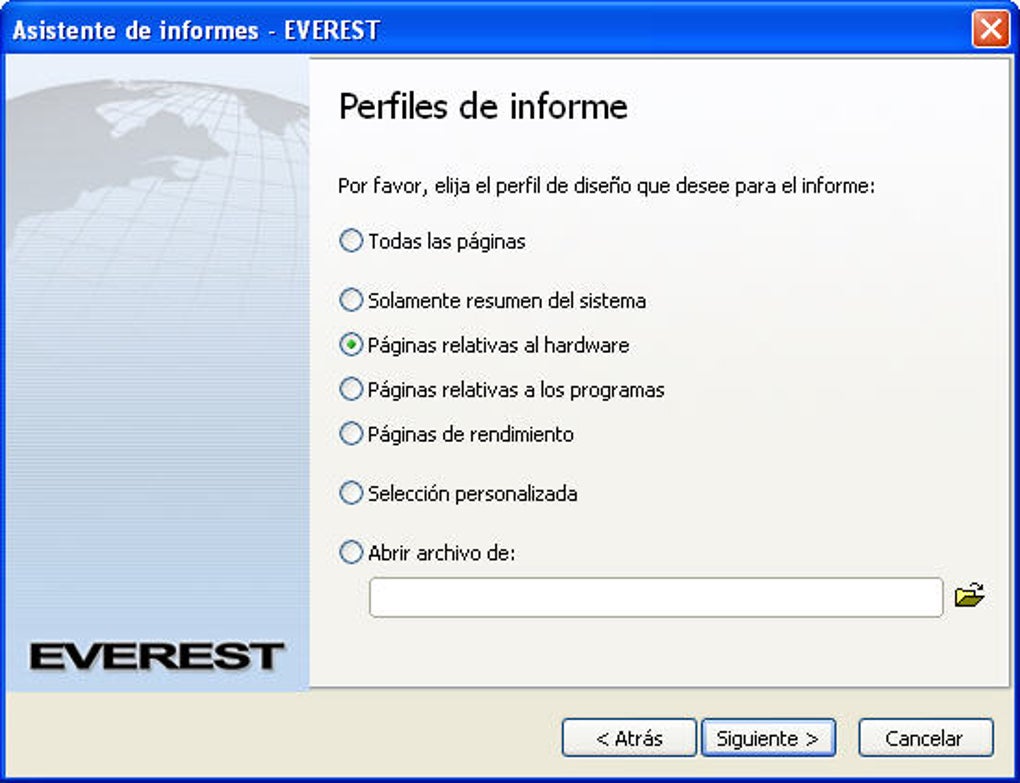
However, Everest Portable’s capabilities were not without limitations. One significant drawback was its lack of robust GPU benchmarking. In today’s graphics-intensive world, this is a considerable oversight. While it provided some basic GPU information, it couldn’t deliver the in-depth performance analysis offered by contemporary tools like 3DMark or Unigine Heaven. Its memory benchmarks, while useful, also lacked the sophistication of modern memory testing software.
Moreover, its reliance on outdated databases significantly impacts its usefulness with modern hardware. Since its discontinuation, new hardware technologies and standards have emerged. Everest Portable’s databases aren’t updated to recognize and accurately report on these newer components, rendering its information incomplete or even misleading for contemporary systems.
Lightweight Design and Ease of Use: A Simple Approach to System Information
Despite its comprehensive feature set, Everest Portable was designed with a lightweight approach in mind. Its installation was relatively small, requiring minimal system resources, ensuring compatibility with older and less powerful systems. This was a crucial advantage during its era, where system resources were often more limited than they are today.
The user interface was also simple and intuitive, making it accessible to users with varying levels of technical expertise. Navigating the tool and interpreting the data presented was relatively straightforward, even for users unfamiliar with the intricacies of PC hardware. This ease of use made Everest Portable an attractive option for both casual users looking to learn more about their systems and experienced users requiring quick diagnostic information.
The Legacy of Everest Portable: From Diagnostics to AIDA64
Everest Portable’s discontinuation marked the end of an era in system analysis software. However, its legacy is evident in the evolution of its successor, AIDA64. AIDA64, developed by the same company, Lavalys, incorporates and expands upon the core functionalities of Everest. AIDA64 boasts a significantly expanded feature set, improved benchmarking capabilities, and consistent database updates, addressing many of the limitations of its predecessor.
The transition from Everest to AIDA64 signifies a broader trend in the software industry. As hardware evolves at a rapid pace, software needs to keep up to remain relevant. Everest Portable, despite its usefulness during its time, couldn’t maintain the pace of hardware advancements, highlighting the challenges faced by software maintaining compatibility with an ever-changing technology landscape. The discontinuation of Everest paved the way for the development of a more robust and future-proof system analysis tool in AIDA64.
Conclusion: A Valuable Tool for Its Time
Everest Portable, despite its discontinuation and limitations when applied to modern systems, remains a noteworthy piece of software history. It represented a significant step forward in providing accessible and comprehensive system diagnostics and benchmarking for users of its time. Its lightweight design, user-friendly interface, and detailed hardware information made it a valuable tool for identifying and troubleshooting system issues. While its usefulness is greatly diminished for contemporary hardware, its legacy as a precursor to more advanced system analysis tools like AIDA64 endures. For users with older systems, or those interested in a historical perspective on system diagnostics, Everest Portable offers a worthwhile glimpse into the past. Its limitations highlight the rapid evolution of computing technology and the necessity of continuous software updates to keep pace with hardware advancements. Ultimately, Everest Portable served as a bridge between simpler system analysis tools and the comprehensive, constantly updated tools of today.
File Information
- License: “Trial version”
- Version: “5.50”
- Latest update: “June 7, 2017”
- Platform: “Windows”
- OS: “Windows 8”
- Language: “English”
- Downloads: “255.7K”
- Size: “10.84 MB”


