
Evolve, particularly Evolve Stage 2, represents a unique and compelling entry into the asymmetrical multiplayer genre. It throws players into a thrilling four-versus-one showdown where a team of skilled hunters must track, outwit, and ultimately defeat a powerful monster. This dynamic gameplay loop, combined with diverse character roles and strategic depth, creates an experience that’s both exhilarating and intensely rewarding, though its success hinges on a compelling blend of factors beyond just the core gameplay concept.
The Hunt Begins: Understanding the Asymmetrical Gameplay
At the heart of Evolve lies its core asymmetrical gameplay. Four players assume the roles of hunters, each possessing distinct abilities and roles crucial to the team’s success. This necessitates strong teamwork and coordination, as each hunter complements the others, creating a synergistic fighting force. One hunter might excel at tracking the monster, another at dealing massive damage, while others focus on support and utility, providing crucial buffs or controlling the battlefield. This collaborative aspect is vital, as the hunters face a formidable opponent who’s more than capable of turning the tide of battle.
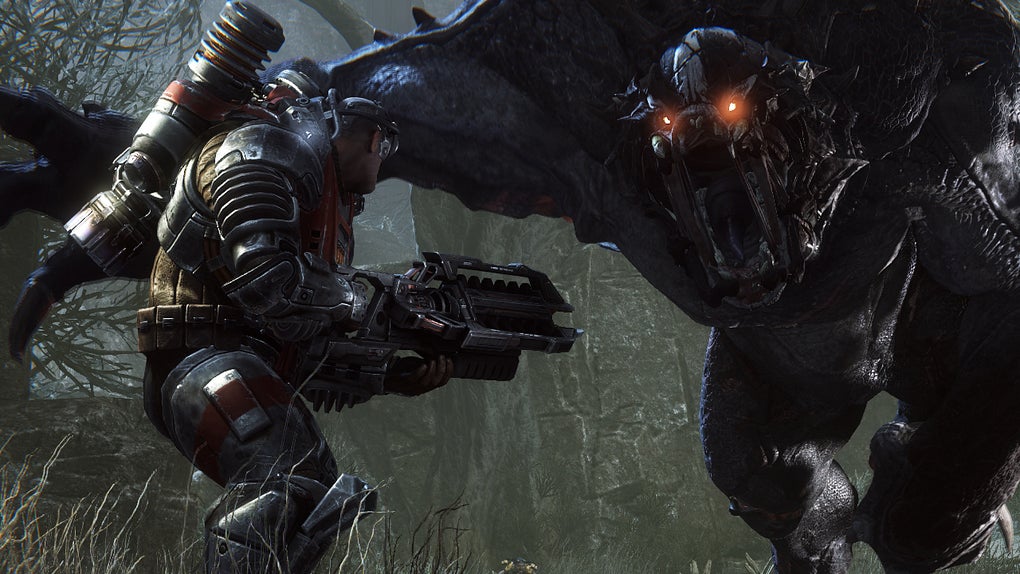
The monster player, on the other hand, faces a completely different challenge. Instead of focusing on direct confrontation, their initial strategy involves careful navigation and strategic level-up progression. Successfully evading the hunters and feeding on wildlife allows the monster to grow stronger, unlocking new abilities and enhancing its already formidable power. This power progression is key to survival; the monster begins relatively weak, forcing it to utilize cunning and tactical retreats, avoiding direct engagement until sufficient power is gained.
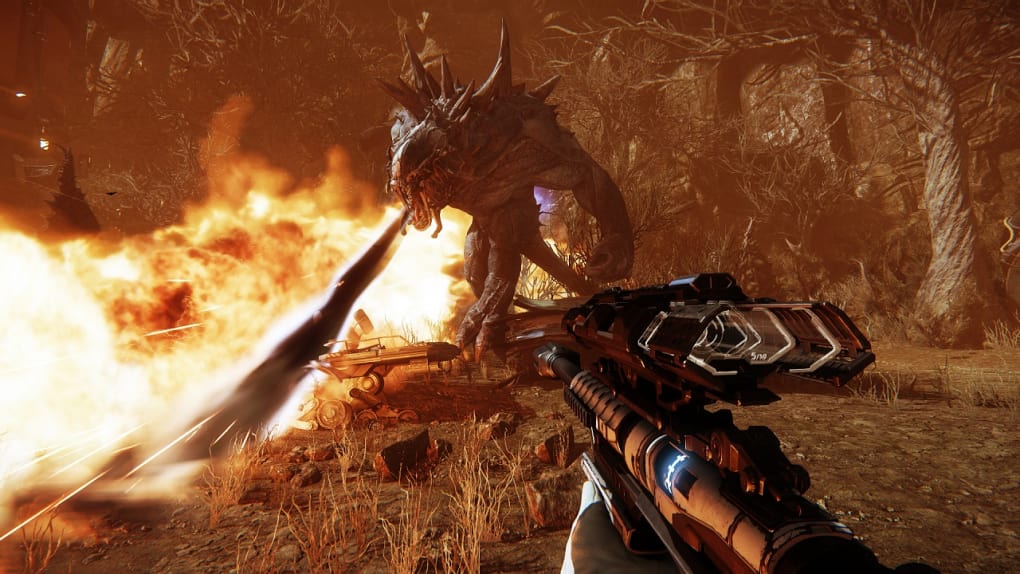
The tension ramps up considerably as the hunters track the monster, navigating the environment and utilizing their individual skills and equipment to close the distance. The chase becomes a tactical dance, a test of patience, skill, and strategy. Will the hunters successfully corner the monster before it becomes too powerful? Or will the creature escape the hunt, ultimately turning the tables on its pursuers? This constant push and pull makes for a thrilling, unpredictable gameplay experience.
Hunter Diversity: Mastering Roles and Synergies
The success of the hunter team relies heavily on understanding and utilizing the diverse roles available. Each hunter is designed with a specific purpose in mind, requiring players to adapt their strategies and playstyles according to their chosen character.
Trappers: These hunters focus on slowing down and controlling the monster’s movement. They might employ nets, traps, or other crowd control mechanisms to restrict the monster’s options, giving their teammates crucial time to inflict damage.
Damage Dealers: These hunters are the frontline offense, equipped with powerful weapons and abilities designed to inflict heavy damage. They are vital in the final confrontation, utilizing their superior firepower to bring down the monster.
Supports: These hunters provide valuable support to the team, providing buffs, healing, or other utility functions that enhance the overall capabilities of the group. They ensure that the damage dealers can remain aggressive while mitigating risks to the team’s survival.
Medics: These support-focused hunters are paramount for sustaining the team through the challenging hunt. Their ability to heal and revive downed teammates ensures that the team remains a cohesive fighting force against the overwhelming strength of the monster.
Monster Mastery: Evolution and Adaptation
Playing as the monster offers a stark contrast to the hunter experience. It’s a test of strategic retreat, cunning evasion, and calculated aggression. The monster’s gameplay loop revolves around two key objectives: survival and growth.
The initial phase of the game focuses on survival and gaining strength through feeding. The monster must avoid the hunters and consume wildlife to gain experience points, essential for unlocking new abilities and enhancing its overall power. This power increase is crucial, as it determines the monster’s ability to engage the hunters successfully. A prematurely aggressive monster, not yet equipped to withstand coordinated attacks, risks being quickly overwhelmed.
As the monster progresses and becomes more powerful, it gains access to a wider array of abilities, from area-of-effect attacks to enhanced mobility options. This allows for more aggressive strategies, forcing the hunters to adapt their approach and carefully plan their attacks.
The Importance of Teamwork and Communication
Evolve’s asymmetrical gameplay highlights the critical role of communication and teamwork. Both hunters and the monster player require effective communication within their respective groups, with the hunters needing to coordinate their actions to maximize their effectiveness and the monster using communication to stay alert to threats and coordinate its movements. For hunters, proper communication ensures the team utilizes their complementary abilities seamlessly, coordinating attacks, utilizing traps efficiently, and maximizing damage output. For the monster, effective communication is essential for staying ahead of the hunt, coordinating ambushes, and ensuring strategic retreats.
Beyond the Core Gameplay: Factors Affecting Evolve’s Success
While the core asymmetrical gameplay forms the backbone of Evolve, other factors contribute significantly to its overall success or failure:
- Map Design: Well-designed maps are crucial to create dynamic and engaging gameplay. Maps should offer diverse environments with plenty of hiding spots for the monster, choke points for the hunters, and strategic locations for resource gathering.
-
Balance: Maintaining a balanced gameplay experience between hunters and monsters is paramount. If the hunters are consistently overpowered, the game becomes frustrating for monster players, and vice versa.
-
Progression System: A compelling progression system is crucial to maintain player engagement. Unlockable content, character customization, and new abilities incentivize players to continue playing and striving to master their chosen roles.
-
Community and Support: A thriving community and regular updates from the developers are vital for the long-term success of any online game. Community engagement, addressing bugs and balancing issues, and creating fresh content, such as new maps, hunters, and monsters, helps maintain player interest.
In conclusion, Evolve, particularly Evolve Stage 2, showcases an intriguing and innovative approach to the asymmetrical multiplayer genre. The dynamic gameplay loop, diverse character roles, and thrilling four-versus-one combat create an experience that’s both challenging and immensely rewarding. However, the game’s long-term success requires careful attention to detail, balancing gameplay, maintaining community engagement, and continuously evolving to meet player expectations. Its legacy remains a testament to the potential of asymmetrical multiplayer experiences but also serves as a reminder of the delicate balance required for long-term success in the competitive gaming landscape.
File Information
- License: “Full”
- Version: “alpha”
- Latest update: “June 14, 2023”
- Platform: “Windows”
- OS: “Windows 8”
- Language: “English”
- Downloads: “19.3K”


