
In the ever-evolving landscape of digital entertainment, where innovation often dictates the next big wave, certain titles emerge that defy convention and redefine established genres. “Eyes Never Wake” stands as one such pioneering creation, a horror game that doesn’t just immerse players in a virtual world but actively pulls them into its chilling reality by leveraging a tool as ubiquitous as the webcam. Developed by Allan Hedlund, this Windows-exclusive title transcends traditional gameplay, transforming passive observation into a crucial element of survival and turning the player’s physical environment into an extension of the game world itself. Far from being a mere gimmick, the game’s central mechanic — the monster’s ability to detect the player via their webcam — crafts an unparalleled sense of vulnerability and dread, propelling “Eyes Never Wake” into a league of its own within the adventure horror genre.
At its core, “Eyes Never Wake” is a masterclass in psychological manipulation, blending intricate stealth mechanics with a deeply atmospheric narrative. Players are thrust into haunting environments, tasked not only with navigating a series of puzzles and challenges but, more critically, with remaining absolutely invisible to a relentless, ever-present threat. This isn’t a game where a simple digital avatar can hide; this is a game where you, the player, must physically conceal yourself, diving beneath your desk in a desperate attempt to evade detection. This unique intertwining of the physical and digital spheres elevates the horror, transforming it from a mere on-screen spectacle into a visceral, heart-pounding ordeal. As we delve deeper into “Eyes Never Wake,” we uncover not just a game, but a groundbreaking experiment in interactive fear, designed to keep players on edge, constantly aware of their own presence, and desperately wishing their eyes could just stop watching.
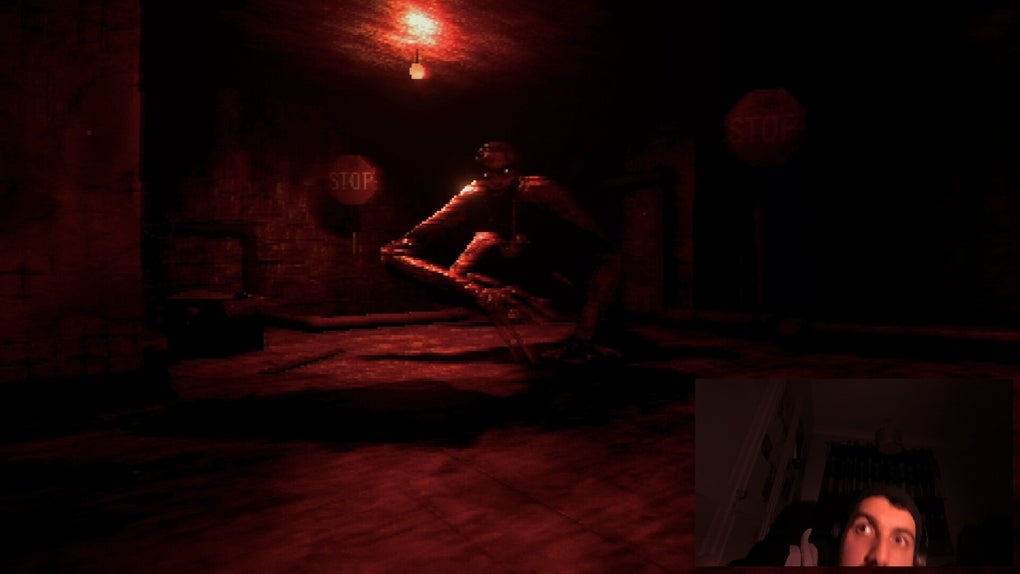
The Unblinking Eye: Revolutionizing Horror with Webcam Integration
“Eyes Never Wake” distinguishes itself immediately through its audacious and groundbreaking use of webcam technology, transforming a common peripheral into the game’s most potent weapon against the player. This isn’t just about adding a layer of immersion; it’s about fundamentally altering the dynamics of horror gameplay. For decades, horror games have relied on visual and auditory cues, jump scares, and psychological tension to create fear. While effective, these methods often maintain a psychological distance between the player and the in-game terror. “Eyes Never Wake” shatters this distance, making the player’s own physical presence a constant vulnerability.
The core mechanic is deceptively simple yet profoundly effective: a malevolent entity within the game is programmed to detect real-world movement and visibility through the player’s webcam. Imagine navigating a dimly lit, decaying corridor, the air thick with an almost palpable dread, your senses straining for any hint of danger. Suddenly, the game warns you, subtly or overtly, that the monster is nearby. At this point, the game isn’t asking you to guide your character to cover; it’s demanding that you, the person holding the mouse and keyboard, physically disappear from your camera’s view. This could mean ducking under your desk, leaning far back in your chair, or strategically positioning yourself behind objects in your room. The implication is terrifying: the monster isn’t just in the game; it’s, in a chilling sense, in your room, watching you.
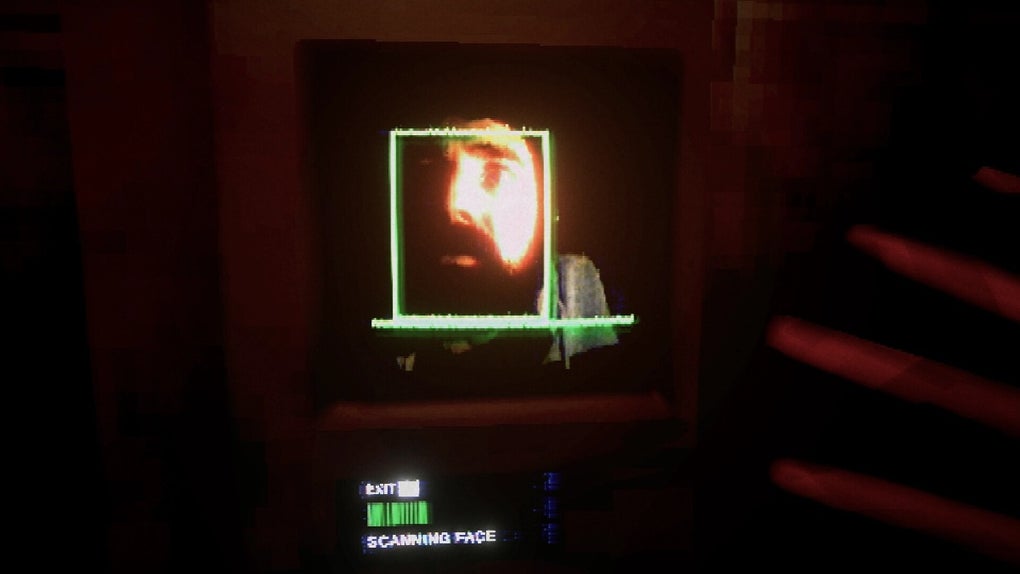
This mechanic introduces an unprecedented level of real-world consequence to digital actions. The abstract fear of a monster appearing on screen is replaced by the primal fear of being seen. Every rustle, every shift of weight, every moment of inattention becomes a potential trigger for detection. The game capitalizes on the human instinct for self-preservation, compelling players to perform actions they would typically only consider in a real-life threat scenario. It shifts the player’s focus from the character’s health bar or inventory to their own physical posture and visibility. The chair, desk, and even the ambient lighting in the player’s room become integral parts of the gameplay environment, transforming the private sanctity of one’s gaming space into a potential death trap.
The psychological impact of this webcam integration is multi-faceted. Firstly, it creates a constant, low-level anxiety. Even when the monster isn’t actively hunting, the knowledge that your visibility is constantly being monitored injects a pervasive sense of paranoia. Players might find themselves subtly adjusting their position, checking their webcam’s light, or even strategically placing real-world objects around their play area to create instant cover. Secondly, the moments of detection and evasion are incredibly intense. The frantic scramble to hide, the sudden plunge into darkness beneath a desk, the agonizing wait as the game determines if you’ve successfully eluded the digital predator – these moments are heightened by the physical exertion and immediate feedback. A failed attempt isn’t just a restart; it’s a stark reminder that you were caught.
Furthermore, this mechanic pushes the boundaries of game design by challenging the traditional separation between player and avatar. In “Eyes Never Wake,” the player is the character, at least in the crucial aspect of visibility. This innovative approach moves beyond typical immersive technologies like VR, which primarily affect sensory input, to actively demand physical output from the player in a way that directly impacts game progression. It’s a bold statement on interactive storytelling and a clear indication that Allan Hedlund sought to create an experience that would linger long after the game was turned off, planting seeds of paranoia about the unblinking eye of the webcam itself.
A Symphony of Fear: Gameplay, Atmosphere, and Psychological Warfare
Beyond its revolutionary webcam mechanic, “Eyes Never Wake” crafts a deeply unsettling experience through its expertly designed gameplay, immersive atmosphere, and insidious psychological warfare. The game isn’t solely reliant on its unique detection system; it weaves a compelling narrative of dread, forcing players to engage with its world on multiple levels. Each element, from the meticulously crafted visuals to the spine-chilling soundscape and the cleverly integrated puzzles, serves to amplify the overarching sense of suspense and vulnerability.
The core gameplay loop revolves around stealth and strategic movement. Players must navigate a series of labyrinthine environments, often dimly lit and claustrophobic, where every shadow could conceal a threat and every creak could betray their presence. Unlike many horror games that arm players with weapons, “Eyes Never Wake” strips away any illusion of combat, reinforcing the player’s helplessness. Survival depends entirely on evasion, intelligent pathfinding, and an acute awareness of both the in-game environment and their physical surroundings. The monster, while detected by webcam, also exists within the digital space, patrolling its territory, listening for sounds, and reacting to disturbances. This dual-layered threat system — digital and real-world — keeps players constantly on edge, forcing them to consider multiple vectors of attack and detection.
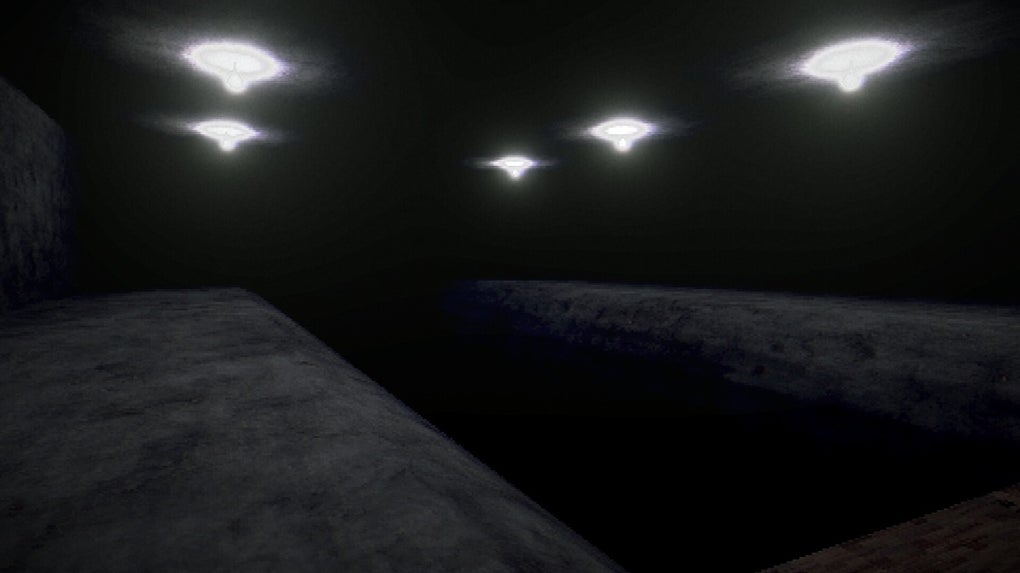
Atmospheric graphics play a pivotal role in establishing the game’s oppressive mood. The developers have chosen a visual style that prioritizes mood over hyper-realism, utilizing muted color palettes, stark contrasts between light and shadow, and environmental details that hint at a dark, untold history. Abandoned laboratories, decrepit mansions, or desolate industrial complexes are brought to life (or death) with a sense of decay and neglect that immediately conveys danger. Flickering lights cast dancing shadows, creating illusory movements that trick the eye, while distant, indistinct figures or unsettling static on screens serve as constant reminders of the unseen horrors that lurk just beyond perception. This visual design ensures that even in moments of relative calm, an undercurrent of tension persists, preparing the player for the inevitable encounters.
However, it is arguably the sound design that truly elevates “Eyes Never Wake” to a masterpiece of suspense. The auditory landscape is a meticulously constructed tapestry of dread, designed to burrow into the player’s psyche. Ambient sounds — the distant drip of water, the groan of decaying structures, the faint whispers carried on an unseen breeze — create an unsettling backdrop. But it’s the monster’s specific sound cues that truly terrorize. Perhaps it’s an irregular thud of footsteps echoing from an unseen hallway, a guttural growl that seems to emanate from all directions, or a sudden, sharp intake of breath that signals its proximity. These auditory warnings are not just indicators of danger; they are instruments of psychological torture, designed to build unbearable tension before the visual confirmation (or rather, the demand for physical hiding) ever occurs. The absence of sound can be just as terrifying, creating moments of suffocating silence where the player’s own heartbeat seems to be the loudest noise.
Interspersed throughout the stealth and evasion sequences are a series of puzzles and challenges that contribute to the overall tension. These puzzles are not mere distractions; they are often integrated directly into the narrative, requiring players to explore, decipher clues, and manipulate environmental objects under immense pressure. Imagine having to find a specific keycode while knowing the monster is patrolling the adjacent room, or needing to activate a generator while desperately trying to avoid any movement that would betray your real-world presence to the webcam. The cognitive load of puzzle-solving, combined with the constant threat of detection, creates a unique blend of intellectual challenge and visceral fear, ensuring that players are never allowed to fully relax. This comprehensive approach to gameplay, blending physical interaction with traditional horror elements, makes “Eyes Never Wake” a compelling and unforgettable experience for any enthusiast of the genre.
Bridging Worlds: The Physical Demands of Digital Survival
The most defining characteristic of “Eyes Never Wake” and its ultimate genius lies in its ability to shatter the fourth wall, blurring the often-clear distinction between the player’s reality and the game’s digital realm. This isn’t just about a narrative device or a meta-commentary; it’s a fundamental gameplay mechanic that demands physical participation and, in doing so, amplifies the sense of vulnerability and terror to an almost unbearable degree. The necessity for players to physically duck beneath their desks or scramble for cover in their actual environment is not merely an optional flourish but a critical component of survival, making the “physical demands of digital survival” a literal and terrifying reality.
When the game signals that the monster is detecting through the webcam, the digital threat instantaneously transforms into a tangible, real-world imperative. The player is no longer a detached observer guiding an avatar; they become the hunted. This shift in perspective is profound. In most games, a character’s death is a setback, a loss of progress. In “Eyes Never Wake,” the sensation of being caught by the webcam-scanning entity feels intensely personal, a direct failure of your ability to hide. The act of physically concealing oneself—scrambling, contorting, and holding one’s breath in the real world—mimics the primal fight-or-flight response, eliciting a level of anxiety that virtual hiding alone could never achieve.
Consider the immediate, almost instinctual reaction this mechanic provokes. The adrenaline spike is palpable as the game’s indicator flashes, signaling a direct threat. There’s no time to ponder; a swift, decisive physical action is required. This urgency forces players to confront their immediate physical surroundings in a new light. Is there enough space under the desk? Is that pile of laundry enough to break the webcam’s line of sight? These mundane objects in the player’s room suddenly gain strategic importance, becoming vital tools for survival. The physical discomfort of being crammed into a tight space, the strain of holding a position, and the agonizing silence as one waits for the “all clear” message become integral parts of the horror experience, deeply embedding the game’s terror into the player’s physical memory.
This unique interaction also plays on deep-seated psychological triggers. The concept of an unseen entity watching you through a camera in your own home taps into modern anxieties about surveillance and privacy. The game capitalizes on this by making the webcam not just an input device, but an antagonist’s eye. It creates a disturbing sense that the monster, though digital, has a presence that extends beyond the screen, reaching into the player’s personal space. This intrusion is deeply unsettling, as it blurs the lines between a safe, private environment and a dangerous, surveilled one. The simple act of hiding under a desk, an act often associated with childhood games or, more grimly, drills for emergencies, takes on a new, chilling significance when prompted by a video game.
Furthermore, the “physical demands” add a layer of consequence that elevates the tension exponentially. A misjudgment of one’s real-world visibility, a clumsy movement, or even a moment of distraction can lead to detection and, presumably, a game over. This means that the player must maintain an intense level of focus not just on the digital world unfolding before them, but also on their own physical manifestation within the camera’s frame. This dual-focus requirement is mentally taxing and incredibly immersive, ensuring that players are constantly engaged and perpetually vulnerable. “Eyes Never Wake” doesn’t just ask players to pretend; it compels them to physically participate in their own virtual survival, creating a truly unforgettable and terrifying experience that resonates long after the game is closed.
The Legacy of “Eyes Never Wake”: A Benchmark for Immersive Horror
“Eyes Never Wake” has, without doubt, carved out a significant niche for itself within the crowded landscape of horror and adventure games, establishing a new benchmark for immersive and interactive experiences. Developed by Allan Hedlund and available on Windows, specifically optimized for Windows 10, the game (last updated March 29, 2025) demonstrates a commitment to innovation that extends beyond its core mechanics. Its impact is not merely in its novelty but in its profound capacity to rethink how players engage with digital narratives of fear.
The game’s influence stems from its audacious departure from conventional horror tropes. While many titles rely on jump scares, gore, or complex lore to frighten, “Eyes Never Wake” taps into a more fundamental, primal fear: the fear of being watched, of being vulnerable in one’s own space. By physically implicating the player in the game’s mechanics, it achieves a level of immersion that few titles, even those utilizing virtual reality, can genuinely replicate. VR might place you inside a virtual world, but “Eyes Never Wake” brings the virtual world into your physical space, creating a far more personal and invasive form of horror. This distinction is crucial to understanding its legacy.
Allan Hedlund’s vision for “Eyes Never Wake” reflects a clear understanding of the psychological elements that make horror effective. The game doesn’t just scare; it unnerves, it generates paranoia, and it makes players acutely aware of their own presence in a way that transcends the monitor. This thoughtful game design is evident in every aspect, from the meticulous atmospheric graphics that build a sense of foreboding to the chilling sound design that manipulates player perception. The puzzles, rather than serving as breaks from the horror, are integrated seamlessly, ratcheting up the tension by forcing strategic thinking under extreme duress. The adventure genre elements, typically associated with exploration and narrative progression, are twisted into a desperate journey of survival where every step is fraught with peril.
While its download figures (866 total, with 208 in the last month) might seem modest compared to mainstream blockbusters, the game’s impact should be measured not just in sheer numbers but in its conceptual boldness and critical reception. With a strong rating of 4.7 out of 3 reviews on PhanMemFree, it signals a highly positive sentiment among those who have experienced its unique brand of terror. This indicates that while it might appeal to a specific niche of horror enthusiasts looking for something truly different, it profoundly delivers on its promise. Its full version license, coupled with ongoing updates, suggests a dedicated developer committed to refining and enhancing this pioneering experience.
“Eyes Never Wake” serves as a powerful case study for how technology can be harnessed to create radically new forms of interactive entertainment. It challenges other developers to think beyond traditional inputs and outputs, encouraging them to consider how the player’s real-world environment and actions can be organically integrated into gameplay. Topics associated with the game, such as “Webcam,” “Game Design,” “Sound For Windows,” “Puzzles For Windows,” “Gameplay,” “Narrative Games For Windows,” “Choice,” “Adventure Games For Windows,” and “Presence For Windows,” highlight the breadth of its influence and the myriad of innovative concepts it touches upon.
In conclusion, “Eyes Never Wake” is more than just a horror game; it is an experience, a statement, and a potential harbinger of future interactive entertainment. It redefines immersion by demanding physical engagement, transforming the player’s own vulnerability into the game’s most potent weapon. For those brave enough to subject themselves to its unique terror, it offers an unforgettable journey into the heart of fear, proving that sometimes, the most effective monsters are those that watch you from beyond the screen, daring you to move. Its legacy will undoubtedly be as a groundbreaking title that dared to ask players not just to play, but to hide. Visitors to Phanmemfree.org looking for truly innovative horror will find “Eyes Never Wake” to be a compelling and essential addition to their gaming library.
File Information
- License: “Full”
- Version: “varies-with-device”
- Latest update: “March 29, 2025”
- Platform: “Windows”
- OS: “Windows 10”
- Language: “English”
- Downloads: “965”


