
FaceApp, a mobile application renowned for its advanced neural portrait-editing technology, has captivated millions with its ability to transform selfies in astonishingly realistic ways. This in-depth exploration delves into the app’s functionalities, user experience, underlying technology, and the controversies surrounding its privacy practices. While offering a fun and engaging way to manipulate facial features, FaceApp’s longevity and ethical considerations warrant careful examination.
The Allure of AI-Powered Transformations
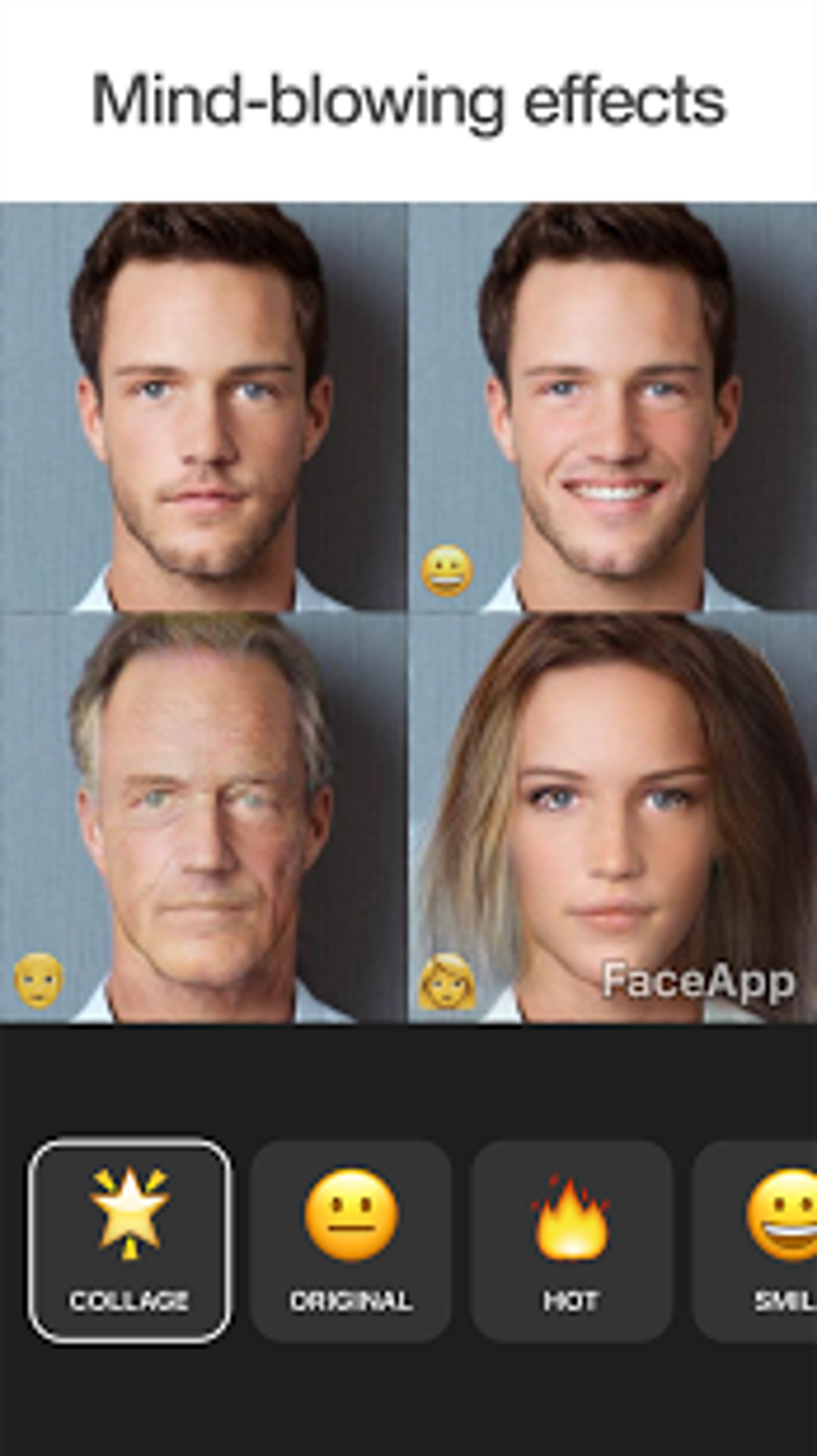
FaceApp distinguishes itself from a crowded market of photo editing apps through its sophisticated use of artificial intelligence. Unlike simpler applications that rely on basic filters or overlays, FaceApp employs a complex algorithm trained on a vast dataset of facial images. This allows the app to accurately analyze and modify facial features with remarkable precision, resulting in highly realistic transformations. The technology leverages the inherent similarities in human facial structures, allowing the app to seamlessly morph images in ways that often feel surprisingly believable, even uncanny. This advanced AI is the core of FaceApp’s appeal, setting it apart from competitors that offer more rudimentary editing capabilities. The ability to instantly age, rejuvenate, change gender, or alter hairstyles with a single tap has proven incredibly popular, sparking viral trends and countless social media shares.
The app’s range of filters goes beyond simple age or gender swaps. Users can experiment with different hairstyles and hair colors, apply virtual makeup, add beards and mustaches, and even incorporate virtual tattoos. These editing options are presented in a user-friendly interface, making the process intuitive and accessible, even for individuals with limited photo-editing experience. The ease of use, combined with the impressive results, contributes significantly to FaceApp’s widespread adoption and enduring popularity.
Beyond the Filters: Functionality and User Experience
FaceApp offers more than just pre-set filters. Users have a degree of control over the intensity of certain effects and can fine-tune the results to their liking. While not offering the granular control found in professional-grade photo editors, the app provides sufficient customization options to achieve personalized results. Beyond facial transformations, FaceApp also incorporates features such as background replacement, allowing users to seamlessly integrate their transformed images into different environments.
The app’s user interface is designed for simplicity and ease of navigation. The core features are readily accessible, and the editing process is streamlined, requiring minimal technical expertise. This accessibility is a key factor in FaceApp’s broad appeal, allowing a wide range of users to effortlessly create and share their transformed images. While the app’s simplicity is a strength, it also limits its appeal to users seeking advanced editing tools and highly customizable options. The lack of granular control may leave experienced photo editors wanting, but it also contributes to the app’s user-friendliness for casual users.
The app’s results, while generally impressive, are not always flawless. The quality of the transformations can vary depending on the clarity and quality of the input image. Clear, well-lit photos generally yield the most realistic results, while images with poor lighting or low resolution may produce less convincing outcomes. This limitation highlights the dependence on the quality of the input data for optimal performance. Despite this limitation, the overall user experience is typically positive, thanks to the app’s intuitive interface and the often-striking results it produces.

The Privacy Debate: Balancing Fun and Security
Despite its popularity and innovative technology, FaceApp has faced significant criticism regarding its privacy policy and data handling practices. Concerns have been raised about the app’s access to user photos and the potential for misuse of this data. While the app’s terms of service grant the developers access to user photos, the extent of data usage and its potential implications have remained a subject of ongoing debate and scrutiny. The ambiguity surrounding data handling practices has sparked concerns about potential security risks and the ethical implications of collecting and storing large quantities of facial images. These concerns have led to calls for greater transparency and accountability from the developers.
The controversy highlights the inherent tension between the development of innovative technologies and the preservation of user privacy. The app’s popularity and the compelling nature of its features have been juxtaposed against the potential risks associated with data collection and storage. This conflict underscores the need for a careful balance between technological advancement and responsible data handling practices, ensuring user privacy is not compromised in the pursuit of technological innovation. The incident serves as a cautionary tale, highlighting the importance of thoroughly understanding the privacy implications of using mobile applications and the need for developers to prioritize data security and transparency.

FaceApp’s Place in the Photo Editing Landscape
FaceApp occupies a unique niche in the crowded photo editing app market. While it doesn’t offer the comprehensive toolset of professional-grade editors like Photoshop or Lightroom, its focus on AI-powered facial transformations sets it apart. The app’s ease of use and impressive results have propelled it to considerable popularity, particularly among casual users who seek a fun and accessible way to modify their selfies. However, the controversies surrounding its privacy practices serve as a reminder of the ethical considerations involved in the development and use of such applications.
The app’s limitations include the lack of extensive editing tools and a somewhat limited selection of filters compared to some competitors. The reliance on the quality of the input image for optimal results is also a constraint. However, its strengths lie in its intuitive interface, its innovative use of AI, and the remarkable realism of its transformations. In essence, FaceApp offers a streamlined, user-friendly experience for casual users, focusing on a specific set of highly popular editing functions. This approach has allowed the app to successfully carve a niche for itself, even amidst the vast array of existing photo editing options.
Conclusion: A Fun App with Cautions
FaceApp undoubtedly provides a fun and engaging way to transform selfies, leveraging cutting-edge AI technology to create realistic and often amusing results. The app’s user-friendly interface makes it accessible to a broad audience, and the quality of its transformations, while not perfect, is generally impressive. However, the app’s privacy policy and data handling practices remain a significant concern, urging users to carefully weigh the benefits against potential risks. The debate surrounding FaceApp highlights the ever-growing importance of responsible data handling and transparency in the development and use of AI-powered applications. While the app offers a unique and entertaining experience, informed consent and a thoughtful understanding of its potential implications are essential for responsible usage. Ultimately, FaceApp remains a powerful example of the potential and pitfalls of merging artificial intelligence with personal data in the realm of mobile applications.
File Information
- License: “Free”
- Latest update: “August 6, 2025”
- Platform: “Android”
- OS: “Android 13.0”
- Language: “English”
- Downloads: “477.4K”
- Download Options: “Google Play”


