
“Faith: The Unholy Trinity” stands as a chilling testament to the enduring power of pixelated horror, a genre that has consistently proven that true terror transcends graphical fidelity. Developed by Airdorf Games, this title immerses players in a stark, unnerving world where a young priest confronts not only demonic forces and deranged cultists but also the insidious erosion of his own convictions. Drawing heavily from the aesthetic and cultural zeitgeist of the 1980s, the game masterfully blends nostalgic 8-bit visuals with a deeply unsettling narrative, crafting an experience that is both a homage to classic gaming and a fresh take on psychological horror.
More than just a series of jump scares, “Faith: The Unholy Trinity” challenges players to engage with its world on multiple levels. The gameplay features a unique amalgamation of puzzle-solving and visceral horror, compelling players to think critically even as a pervasive sense of dread threatens to overwhelm them. The game’s full version license available on platforms like PhanMemFree ensures a comprehensive and unhindered journey through its harrowing storyline. Its design philosophy, rooted in the simplicity of early gaming, belies the profound depth of its narrative and thematic exploration, promising a truly memorable adventure for those brave enough to undertake it. For fans of retro aesthetics and horror narratives that linger long after the screen goes dark, “Faith: The Unholy Trinity” offers a uniquely disturbing and utterly compelling experience, cementing its place as a standout title within the independent horror scene. It’s a game that forces introspection, questioning the very nature of belief, the battle against external evil, and the internal struggles that define humanity.
The Core Gaming Experience
At its heart, “Faith: The Unholy Trinity” delivers a gaming experience that is both deceptively simple and profoundly impactful. It doesn’t rely on cutting-edge graphics or complex control schemes but rather on its ingenious atmosphere, compelling narrative, and the psychological impact of its design choices. The game’s success lies in its ability to evoke genuine fear through suggestion, ambiguity, and the player’s own imagination, proving that less can often be terrifyingly more. As an entry in the broader “Games” category, it excels by distilling the essence of horror into its purest, most unsettling form.
Pixelated Horrors and Puzzling Predicaments
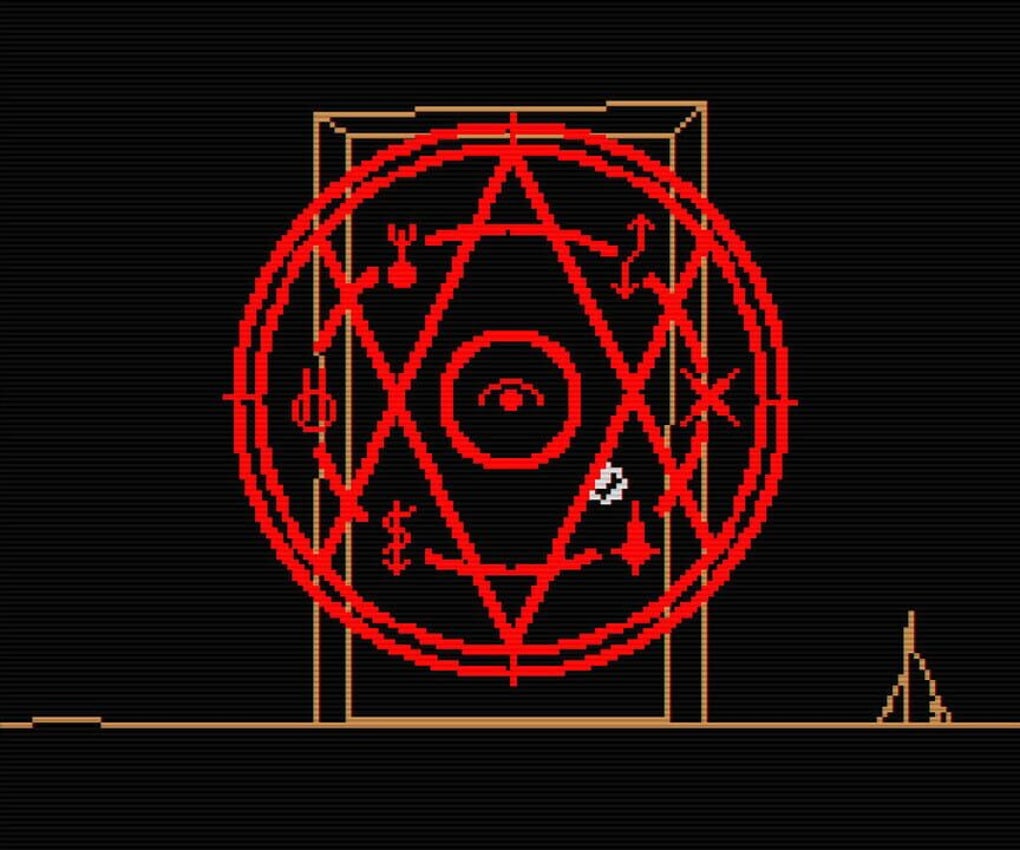
The initial impression of “Faith: The Unholy Trinity” is defined by its distinctive visual style: a minimalist, pixel-art aesthetic reminiscent of the 8-bit era. Far from being a limitation, these retro graphics are meticulously employed to enhance the game’s oppressive atmosphere. The sparse environments, limited color palette, and rudimentary character sprites force the player’s mind to fill in the blanks, often conjuring images more grotesque than any high-fidelity rendering could achieve. This deliberate design choice amplifies the sense of vulnerability and isolation as players navigate dark forests, abandoned churches, and other sinister locales. The static, almost childlike drawings that accompany crucial narrative moments, often depicting unspeakable acts, possess an uncanny ability to disturb precisely because of their apparent simplicity, making the horror feel more visceral and immediate.
The gameplay, while seemingly straightforward, demands careful thought and observation. “Faith: The Unholy Trinity” masterfully blends elements typically found in “Puzzle” and “Adventure” games. Players are tasked with exploring interconnected environments, collecting items, solving cryptic riddles, and performing specific rituals to progress. These puzzles are often interwoven with the game’s dark lore, requiring an understanding of occult symbols, religious texts, and the motivations of the cultists. For instance, deciphering obscure Latin phrases or correctly arranging consecrated items can unlock new pathways or ward off demonic entities. The challenge lies not only in figuring out what to do but also in performing these actions under immense pressure, with the constant threat of unseen horrors lurking around every corner. This blend ensures that the player is always actively engaged, not just as a passive observer, but as a participant in the unfolding nightmare. There are moments that flirt with “Action” game mechanics, particularly during confrontations with the game’s formidable demonic presences, where precise timing and quick reactions can mean the difference between life and a horrifying demise. Yet, even in these intense sequences, the game retains its puzzle-solving core, often requiring more than just brute force to overcome obstacles.
Narrative Depth and Thematic Resonance
The narrative of “Faith: The Unholy Trinity” is its undeniable backbone, elevating it far beyond a mere pixelated horror experience. It tells the harrowing tale of a young priest, Father John, as he grapples with the aftermath of a botched exorcism and embarks on a desperate quest to confront the entity responsible for the tragedy. This journey is not just a physical one through desecrated landscapes but a profound descent into psychological and spiritual turmoil. The themes explored are rich and complex, delving into the nature of “faith,” doubt, redemption, sacrifice, and the seductive allure of evil. The game’s title, “The Unholy Trinity,” itself hints at a corrupted inversion of sacred concepts, mirroring the priest’s internal struggle.
As players guide Father John, they are exposed to disturbing lore, unsettling audio logs, and cryptic messages that gradually paint a picture of a world gripped by satanic panic, cult activity, and demonic possession. The game draws from real-world anxieties prevalent in the 1980s, enhancing its retro charm while providing a chilling backdrop for its fictional horrors. The “Role Playing” aspect emerges subtly, as players embody Father John’s struggles, making choices that, while not explicitly branching narratives, deeply inform the player’s emotional investment in his plight. His internal monologues and reactions to the escalating horror make his character relatable and his struggle palpable. The game doesn’t shy away from uncomfortable questions, prompting players to consider the limits of faith, the true cost of battling evil, and whether true salvation is even possible in a world so thoroughly corrupted. This depth ensures that “Faith: The Unholy Trinity” is not just a game to be played, but an experience to be pondered, leaving a lasting impression long after the credits roll.
The Art and Sound of Fear
In “Faith: The Unholy Trinity,” the term “Multimedia” takes on a stripped-down, yet incredibly effective, meaning. The game demonstrates how carefully crafted “Audio” and minimalistic “Graphic & Design” can converge to create an atmosphere far more potent than photorealistic visuals might achieve. Every visual cue and sonic detail is meticulously placed to build tension, evoke dread, and immerse the player in its terrifying world.
Evoking the 8-bit Era
The “Graphic & Design” of “Faith: The Unholy Trinity” is a deliberate exercise in retro aesthetics, specifically drawing from the limitations and unique charm of the 8-bit gaming era. This isn’t just a stylistic choice for nostalgia’s sake; it’s a fundamental aspect of its horror delivery. The game’s pixel art is minimalistic, utilizing a limited color palette that often favors stark blacks, deep reds, and muted greens, creating a perpetually twilight or nightmarish landscape. Character sprites are simplistic, yet expressive, allowing the player’s imagination to fill in the grotesque details of the demonic entities and the pained expressions of the human characters. This abstraction often makes the horror more personal and potent, as the player’s mind is forced to conjure the most terrifying possibilities.
The environments themselves, though composed of basic blocks and repeating textures, are expertly designed to convey desolation, decay, and a pervasive sense of wrongness. An abandoned church, for example, is rendered with just enough detail to be recognizable, but its emptiness and lack of intricate features make it feel vast and foreboding. The use of limited animation further contributes to the uncanny valley effect; movements can be jerky or unnatural, adding to the unsettling quality of encounters. This retro design isn’t just about evoking the past; it’s about understanding the psychological impact of visual suggestion. By denying the player hyper-realistic gore, the game forces the player to imagine the horrors, which are often far more disturbing than anything explicitly shown on screen. The pixelated blood splatters, distorted figures, and flickering lights become powerful symbols of terror, deeply etched into the player’s mind. The art direction masterfully combines the innocence of old-school graphics with the grim reality of its subject matter, creating a unique and memorable visual identity.
Sonic Scares and Atmospheric Audio
Complementing the distinctive visuals, the “Audio” design in “Faith: The Unholy Trinity” is arguably its most potent tool for generating horror. The soundscape is sparse but impactful, employing a combination of unsettling ambient noises, chilling voice acting, and sudden, piercing effects to keep players on edge. Music is used sparingly, often a low, droning hum or distorted chiptune melodies that evoke a sense of unease rather than providing comfort or traditional thematic backing. This minimal approach makes the rare musical stingers, often accompanying a demonic appearance or a critical narrative revelation, all the more effective.
The true genius of the audio lies in its atmospheric qualities. Players will spend much of their time navigating in near silence, punctuated only by the distant whispers of unseen entities, the creak of floorboards, the rustling of leaves, or the protagonist’s heavy breathing. This oppressive quiet builds an incredible amount of tension, making every sound – no matter how faint – a potential harbinger of doom. When the demons speak, their voices are often distorted, guttural, or unnervingly childlike, delivered through text-to-speech programs that add a layer of artificiality and detachment that is deeply disturbing. The iconic “MORTIS” declaration, delivered in a chilling, synthesized voice, has become a hallmark of the game’s terror, signaling impending danger and often a direct confrontation. The sound design also plays a crucial role in puzzle-solving, with certain audio cues indicating hidden pathways or the presence of interactive elements. For example, a faint scratching sound might lead a player to a hidden passage, or a specific melody might signal the correct order of a ritual. By intertwining the audio with both the scares and the mechanics, “Faith: The Unholy Trinity” ensures that the player’s ears are just as engaged and terrified as their eyes. This meticulous attention to the sonic details transforms the game from a visual experience into a truly immersive, multi-sensory nightmare.
Community, Engagement, and Digital Ecosystems
Beyond the game itself, “Faith: The Unholy Trinity” exists within a broader “Internet & Network” of players, developers, and platforms, forming a vibrant digital ecosystem. This ecosystem not only facilitates the distribution and discovery of the game but also fosters a community around its unique brand of horror. The way players interact with, discuss, and share their experiences with the game highlights the dynamic nature of digital entertainment.
Sharing the Shivers: Online Discussion and Streaming
In the modern gaming landscape, a significant part of a game’s life cycle involves its “Social & Communication” aspects. “Faith: The Unholy Trinity,” despite its retro aesthetics, thrives within this contemporary framework. Platforms for “Blog” posts, “Chat & Instant Messaging” groups, and particularly “Social Networking” sites like Twitter (X), Reddit, and Discord serve as hubs for players to discuss lore theories, share strategies for challenging puzzles, or simply marvel at the game’s unsettling moments. The minimalistic visuals and profound themes lend themselves well to extensive interpretation, leading to rich discussions about the game’s symbolism and narrative ambiguity. Fans frequently create and share fan art, fan fiction, and even speedruns, deepening the game’s cultural footprint.
One of the most impactful ways players engage with “Faith: The Unholy Trinity” is through “Photo & Video Sharing,” primarily via streaming platforms like Twitch and YouTube. The game’s distinct visual style and jump scares, combined with its cerebral horror, make it a compelling watch for audiences. Streamers often showcase their first reactions to the game’s terrifying encounters, bringing new players into the fold and creating a shared experience of fear and intrigue. The game’s relatively short length also makes it an ideal candidate for full playthroughs that can be easily consumed online. This communal consumption of horror amplifies its impact, transforming individual scares into collective gasps and shared relief, further solidifying the game’s status within the horror genre. The viral nature of certain iconic moments, like the aforementioned “MORTIS” screen, is a testament to the power of online sharing in modern gaming.
The Digital Backbone: From Download to Play
The journey from discovering “Faith: The Unholy Trinity” to actually playing it relies heavily on the “Utilities & Tools” and underlying infrastructure of the digital world. Platforms like PhanMemFree (formerly Softonic) act as crucial gateways, providing not just the download links but also critical information, user reviews, and security assurances. The “Security Status” provided by such platforms helps build trust, especially for independent titles, ensuring that players can “Download for Windows” or other platforms without undue concern.
Once acquired, the game leverages standard “File Managers” and system “Utilities” for installation and execution. While “Faith: The Unholy Trinity” is not a massive or graphically intensive game, players still need a reliable operating system (such as Windows 11 as noted in its specs) and basic system management tools to ensure smooth operation. The availability of the game on “Other platforms (1),” specifically the Nintendo Switch, further illustrates the importance of platform compatibility and porting efforts, expanding its reach beyond traditional PC gaming. Even aspects like “Data Recovery” can implicitly become relevant should a game file become corrupted, underscoring the broader digital ecosystem at play. The process from a user identifying a game they want to play, finding it on a reputable site like PhanMemFree.org, downloading it securely, and then installing it, is a seamless chain of digital interactions supported by a multitude of unseen “Internet & Network” protocols and “Utilities.” This robust digital infrastructure ensures that the terrifying world of Father John is accessible to a global audience, ready to confront the unholy trinity.
The Craft of Horror Game Development
The creation of a game like “Faith: The Unholy Trinity” is a fascinating journey that falls squarely under the “Development & IT” umbrella. It involves more than just coding; it’s about a singular vision, creative problem-solving, and leveraging technology to evoke powerful emotions. Independent game development, in particular, often showcases ingenuity in maximizing impact with limited resources, a trait “Faith: The Unholy Trinity” exemplifies beautifully.
Behind Airdorf Games: A Retro Vision
Airdorf Games, the developer behind “Faith: The Unholy Trinity,” is a prime example of how independent creators can carve out a unique niche within the crowded gaming industry. The game’s distinctive style and narrative voice are clearly a product of a focused vision, likely fueled by a deep appreciation for horror, retro gaming, and possibly religious folklore. Unlike large studios with vast teams, independent developers often act as multi-disciplinary artists, handling everything from “Graphic & Design” to “Audio” production and “Programming Languages.” This intimate development process often leads to highly cohesive and idiosyncratic games, where every element feels deliberately placed and purposeful.
The decision to lean into the 8-bit aesthetic wasn’t just a stylistic whim; it was a clever design choice that allowed Airdorf Games to focus on atmosphere, narrative, and clever mechanics rather than demanding graphical fidelity. This approach is often a hallmark of successful indie horror, where psychological terror and unsettling narratives take precedence over photorealistic visuals. The game’s “Latest update” date, like May 29, 2025, from the provided context, suggests ongoing commitment to refinement and potentially future content, a common practice among dedicated indie developers who nurture their creations post-launch. The success of Airdorf Games with “Faith: The Unholy Trinity” also serves as inspiration for aspiring game developers, demonstrating that a powerful concept executed with passion and intelligence can resonate deeply with players, regardless of the size of the development team. It’s a testament to the power of artistic vision in the digital age.
Bridging the Past and Present Through Code
While the surface of “Faith: The Unholy Trinity” screams retro, its underlying construction relies on modern “Development Kits” and “Programming Languages” to bring that vision to life on contemporary “Windows” and “Nintendo Switch” platforms. Even a game designed to look 8-bit requires sophisticated tools to run smoothly, manage game states, handle inputs, and render its pixel art efficiently across different hardware. Developers likely utilized engines that allow for pixel-perfect rendering and efficient resource management, ensuring that the minimalist graphics are delivered without hitches. The translation of a concept into functional code involves meticulous attention to detail, ensuring that the puzzles work as intended, the enemies behave predictably (or unpredictably, as the horror demands), and the player experience is consistent.
Furthermore, the process of porting the game to “Other platforms (1),” such as the Nintendo Switch, involves specific technical challenges related to hardware differences, control schemes, and optimization. This requires a deep understanding of various “Development Kits” and potentially rewriting significant portions of code or adapting the game engine. The mention of “Manuals & Tutorials” in the broader “Development & IT” category highlights the continuous learning and problem-solving inherent in game development, especially for independent creators who often rely on publicly available resources and community knowledge. From initial concept to final release and subsequent updates, “Faith: The Unholy Trinity” stands as a practical application of various “Development Kits” and “Programming Languages” to achieve a distinct artistic and horrific vision. It’s a compelling example of how robust IT foundations enable creative expression, even in a genre that deliberately harks back to the technological limitations of yesteryear.
In conclusion, “Faith: The Unholy Trinity” is far more than just a pixel horror game; it is a meticulously crafted experience that utilizes its retro aesthetic as a powerful narrative and atmospheric tool. It challenges players with intelligent puzzles, immerses them in a deeply unsettling narrative about faith and fear, and leverages minimalist multimedia design to maximum effect. Its success demonstrates the enduring appeal of psychological horror and the creative potential of independent game development. As a product within the vast digital ecosystem curated by platforms like PhanMemFree.org, it stands as a prime example of how artistic vision, supported by modern digital infrastructure, can transcend graphical fidelity to deliver truly impactful and memorable gaming experiences. For those seeking a unique and genuinely chilling journey, Father John’s unholy quest offers a terrifying, thought-provoking, and unforgettable adventure.
File Information
- License: “Full”
- Latest update: “May 29, 2025”
- Platform: “Windows”
- OS: “Windows 11”
- Downloads: “37”


