
Fake GPS location apps have become increasingly popular tools for various purposes, ranging from testing location-based services to enhancing gaming experiences. This comprehensive guide delves into the world of fake GPS location applications, focusing specifically on the functionalities, benefits, drawbacks, and alternatives available. We will explore how these apps work, their potential uses, and the ethical and legal considerations surrounding their use.
Understanding Fake GPS Location Apps
Fake GPS location apps are software applications designed to deceive location-based services into believing a device is located somewhere other than its actual physical location. These apps achieve this by spoofing the GPS signal, essentially overriding the device’s true coordinates with fabricated ones. This allows users to virtually place themselves anywhere in the world, impacting how location-aware applications and services function.
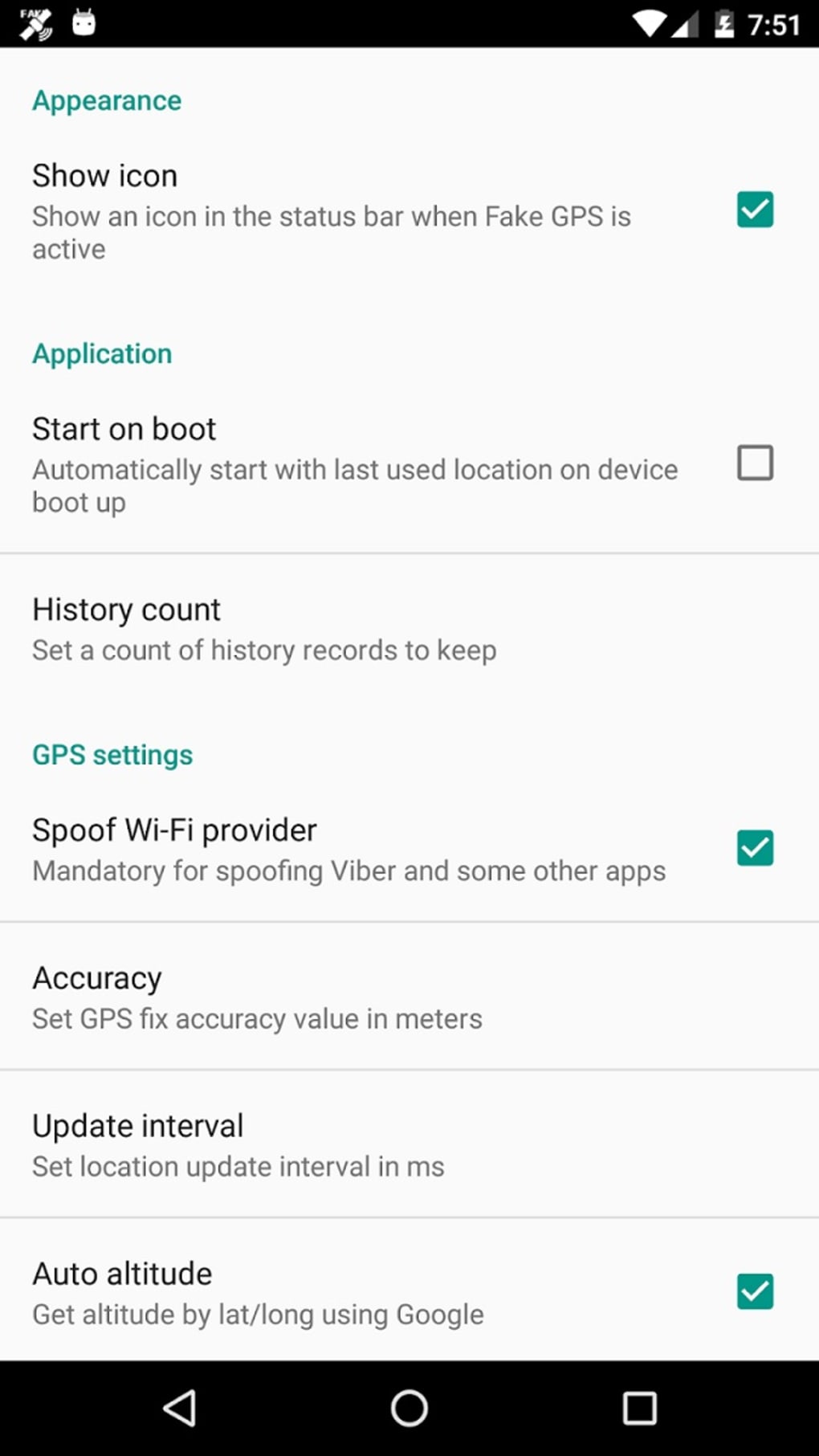
The functionality of these apps relies on interacting with the device’s location services. Modern smartphones employ several technologies to determine location, including GPS (Global Positioning System), Wi-Fi positioning, and cellular triangulation. A fake GPS app typically intercepts and manipulates the data streams from these technologies to present a false location to the apps that request this information. This manipulation happens at the operating system level, often requiring specific permissions and configuration steps.
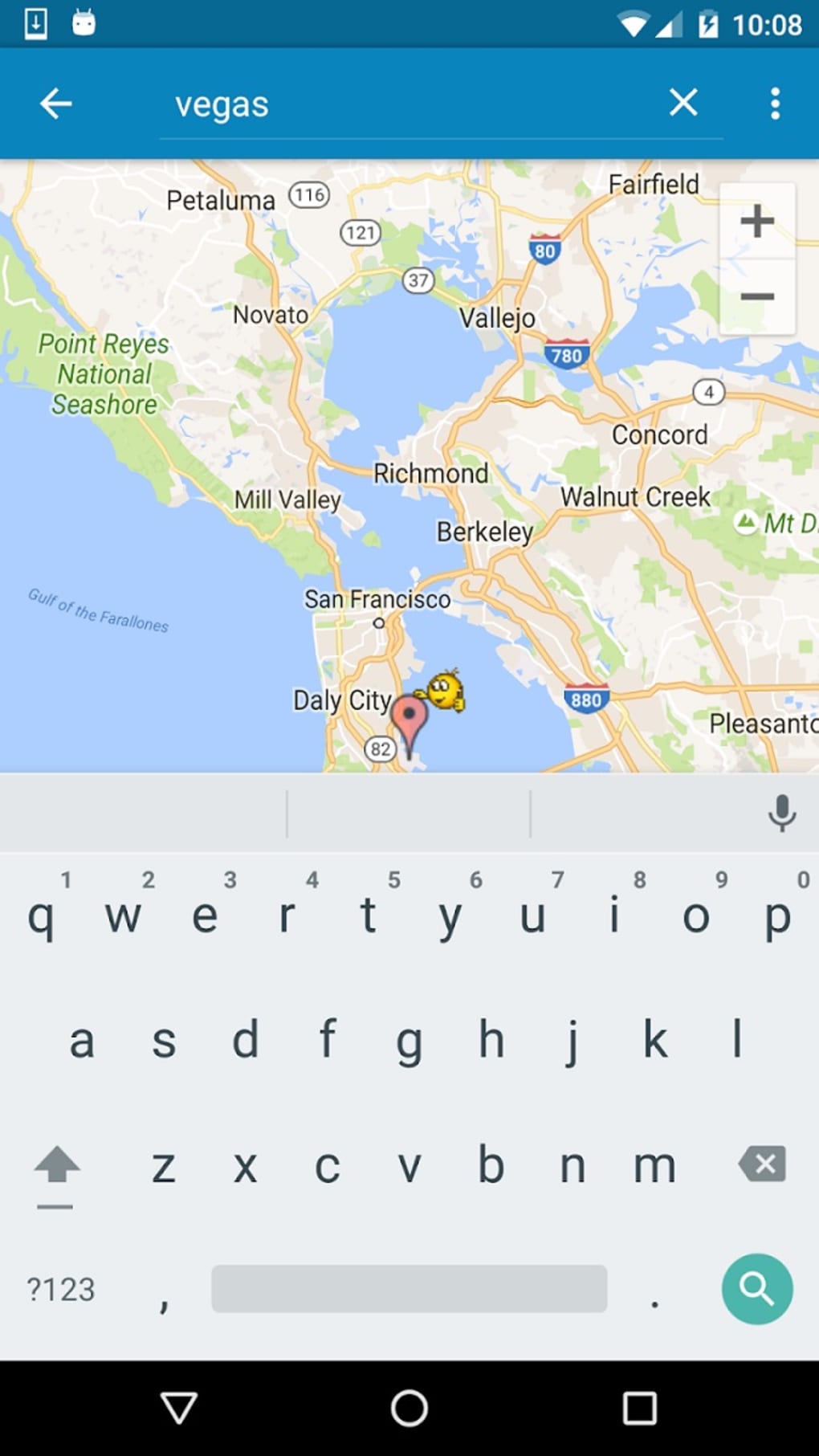
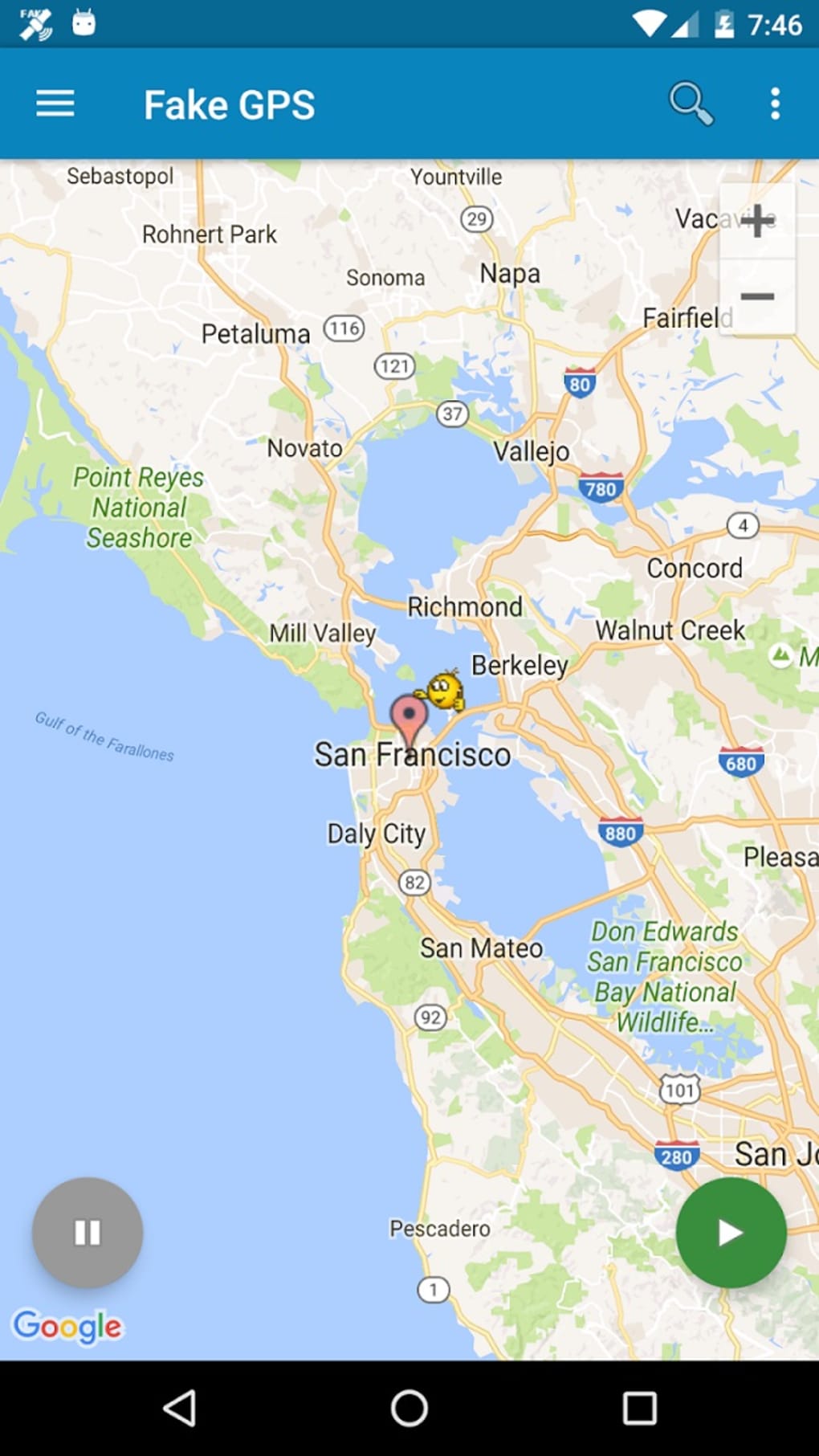
The ease of use varies among different fake GPS apps. Some offer a simple interface with a map for selecting a new location, while others provide more advanced features such as automated location changes or joystick controls for simulating movement. Many apps offer a search function to easily locate specific addresses, landmarks, or coordinates.
Common Uses of Fake GPS Location Apps
While some might view fake GPS apps solely as tools for deception, they have a wide range of legitimate applications. However, it’s crucial to remember that the legality and ethics of using these apps depend heavily on context and local regulations.
1. Testing and Development: Developers of location-based apps and services often use fake GPS apps during the testing phase. This allows them to simulate various scenarios without physically traveling to different locations. They can verify that their apps correctly handle different geographic locations and network conditions.
2. Gaming and Augmented Reality (AR): In certain games that incorporate geolocation, users might employ fake GPS apps to gain an advantage or access areas they can’t physically reach. This practice, while potentially breaking the game’s terms of service, has become prevalent in games relying on geographical limitations. Similarly, AR apps benefit from this technology in development and testing to replicate environmental conditions.
3. Privacy and Security: In regions with restrictive internet access or censorship, users may use fake GPS apps to mask their real location, gaining access to blocked websites or services. This practice, however, should be approached with caution due to potential privacy risks and legal implications.
4. Location-Based Services Research: Researchers studying location-based services, user behavior, and data privacy can leverage fake GPS apps to simulate user behavior in various contexts and explore the effects of different location data on the performance of apps and services.
5. Safety and Security: While less common, there are some fringe scenarios where simulated location might be useful, such as faking a location in an emergency where relaying the true location could be dangerous. This is highly situation-dependent and should be considered only as a last resort.
6. Travel Planning and Virtual Exploration: Users might utilize fake GPS apps for virtual travel experiences, exploring places they haven’t visited yet or revisiting favorite locations. This provides a fun, interactive way to learn about different areas, though it doesn’t replace real-world experiences.
Potential Drawbacks and Risks
Despite the legitimate uses, several drawbacks and risks are associated with using fake GPS apps:
1. App Incompatibility and Bugs: Not all apps correctly handle fake GPS locations. Some might detect the spoofing attempt and refuse to function, displaying error messages or providing inaccurate information. Moreover, many fake GPS apps themselves have bugs or limitations, potentially leading to malfunction or inaccurate location data.
2. Battery Drain: Constantly overriding the device’s GPS signal can consume significant battery power. The degree of battery drain depends on the app’s design, the frequency of location changes, and the device’s specifications.
3. Privacy Concerns: While some users employ fake GPS apps to protect their privacy, using them can paradoxically create new privacy vulnerabilities. The app itself needs access to sensitive location data, and a malicious app could potentially misuse this information. Furthermore, users must be wary of the app’s permissions and data handling practices.
4. Legal and Ethical Implications: The legality of using fake GPS apps varies from country to country. Many jurisdictions have laws prohibiting the falsification of location data for fraudulent or malicious purposes, such as insurance scams or accessing location-restricted content illegally. It’s crucial to research the relevant laws in your region before employing these apps.
5. Account Suspension and Bans: Many online services, particularly gaming platforms and social media networks, have policies against using fake GPS apps. Detection can lead to account suspension, bans, or other penalties.
Choosing and Using a Fake GPS Location App Responsibly
If you decide to use a fake GPS app, selecting a reputable and trustworthy option is essential. Look for apps with positive reviews, a transparent privacy policy, and regular updates to address bugs and security vulnerabilities. Always carefully review the app’s permissions before granting them access to your device’s functionality.
Remember that the ethical and legal implications of using a fake GPS app must be carefully considered. Avoid using it for any activity that could be considered fraudulent, illegal, or harmful. Respect the terms of service of any applications or services you use alongside a fake GPS app.
Be aware of potential security risks. Choose an app from a trusted source and ensure your device is up-to-date with the latest security patches.
Alternatives to Fake GPS Location Apps
Depending on your needs, alternatives to fake GPS apps might offer a more suitable and less risky approach:
-
Virtual Reality (VR) and 360° Videos: For virtual exploration, VR technology offers immersive experiences without needing to falsify location data.
-
Location-Based Simulations: Software tools can simulate location-based scenarios without requiring manipulation of real-world GPS data.
-
Using Location Simulators within Development Environments: Developers often have access to integrated location simulators within their development environments, eliminating the need for third-party apps.
-
Developing Custom Solutions: For advanced applications, custom location simulation solutions may provide a more tailored and secure approach.
Ultimately, the decision to use a fake GPS app should be made carefully, considering both the potential benefits and drawbacks. Responsible use and awareness of the legal and ethical implications are crucial to mitigate risks and avoid negative consequences. Remember to always prioritize ethical considerations and respect the laws of your jurisdiction.
File Information
- License: “Free”
- Latest update: “April 30, 2025”
- Platform: “Android”
- OS: “Android 13.0”
- Downloads: “457.8K”
- Download Options: “Google Play”


