
Fallout, the original game in the iconic post-apocalyptic series, stands as a testament to compelling storytelling and world-building in the role-playing game (RPG) genre. Released nearly two decades ago, its isometric perspective and focus on narrative may initially feel jarring to players accustomed to the first-person shooter (FPS) gameplay of its modern successors. However, this departure from the more recent installments is precisely what makes Fallout 1 a cherished classic among fans. Its rich narrative, detailed world, and unique mechanics offer a captivating experience that remains relevant even today.
A Wasteland Awaits: Gameplay and Story
Fallout 1 plunges players into a desolate, post-apocalyptic world ravaged by nuclear war. The year is 2161, and civilization as we know it is a distant memory. The player takes on the role of a Vault Dweller, a resident of a technologically advanced underground shelter designed to preserve humanity. When a crucial water source for the Vault is threatened, the Dweller is tasked with venturing into the harsh, unforgiving wasteland to find a new one.
This journey isn’t a simple quest for survival; it’s a deep dive into a complex world brimming with factions, moral dilemmas, and unexpected twists. The player encounters various groups vying for power, each with its own unique motivations and ideologies. They’ll meet friendly communities struggling to rebuild, ruthless gangs terrorizing the land, and mysterious entities hidden in the shadows. The choices made throughout the game have a significant impact on the narrative, shaping the world and determining the fates of different factions.
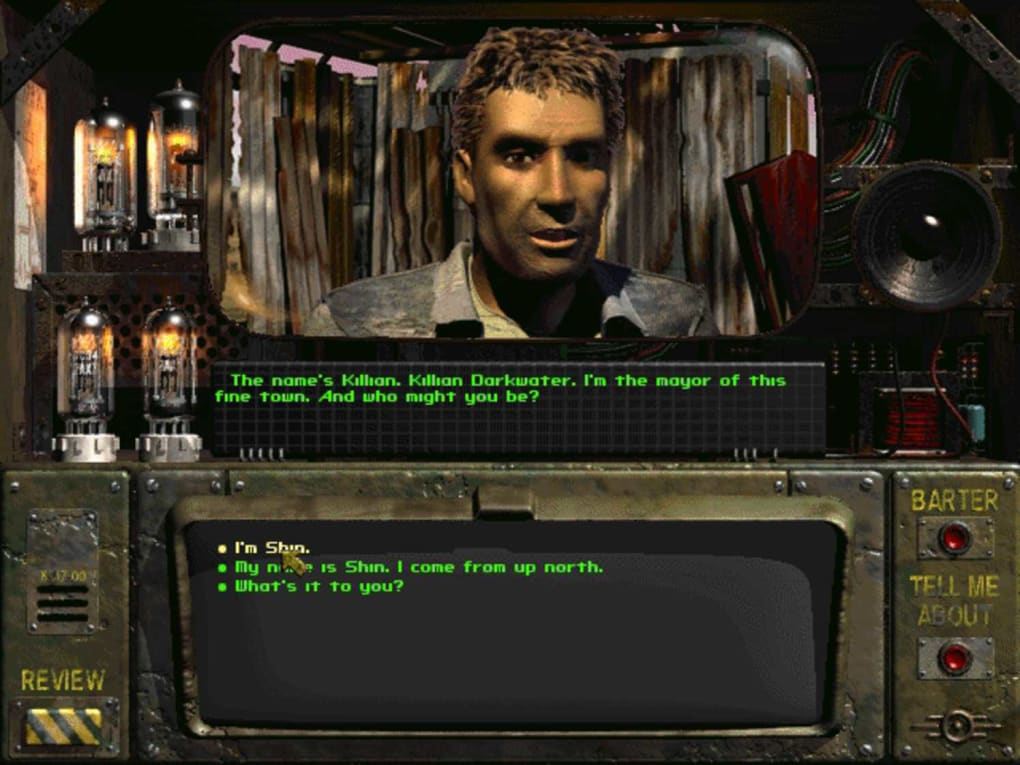
The gameplay is turn-based, a stark contrast to the real-time action of later Fallout titles. This tactical approach allows for careful planning and strategic combat. Battles involve managing character stats, utilizing various weapons and skills, and selecting the best actions to overcome numerically superior enemies. Exploration is a crucial aspect of the game; uncovering hidden locations, finding valuable items, and deciphering cryptic clues are essential for survival and progression. The wasteland itself is a character in the story, filled with hidden dangers, environmental hazards, and secrets waiting to be uncovered. Each encounter, each decision, shapes the player’s journey and contributes to a genuinely unique gameplay experience.
The Power of Choice: Morality and Consequences
One of Fallout 1’s most striking features is its emphasis on player choice and its profound consequences. Moral dilemmas are frequent, forcing players to consider the ethical implications of their actions. There is no clear-cut “good” or “evil”; the game presents a nuanced world where actions have ripple effects, influencing the overall narrative arc and the relationships with various factions. This moral ambiguity fosters a sense of immersion and allows for multiple playthroughs, each resulting in a potentially different storyline.
For example, a player might be forced to choose between siding with a desperate community struggling for survival or aiding a powerful corporation that could ultimately exploit the very people they are sworn to protect. The player’s decision isn’t just a simple yes or no; it’s a complex choice with long-term repercussions. Such choices extend beyond immediate conflicts; they influence the player’s reputation and affect the availability of certain quests or interactions throughout the game.
World-Building and Atmosphere: A Post-Nuclear Masterpiece
Fallout 1’s success lies not only in its gameplay but also in its meticulously crafted world. The post-apocalyptic setting is grim yet captivating, a stark depiction of a world grappling with the aftermath of nuclear devastation. The game creates a palpable sense of decay and despair, yet amidst the ruins, glimmers of hope and resilience shine through. The wasteland is populated with a diverse range of characters, each with their own compelling backstories, motivations, and secrets to unravel.
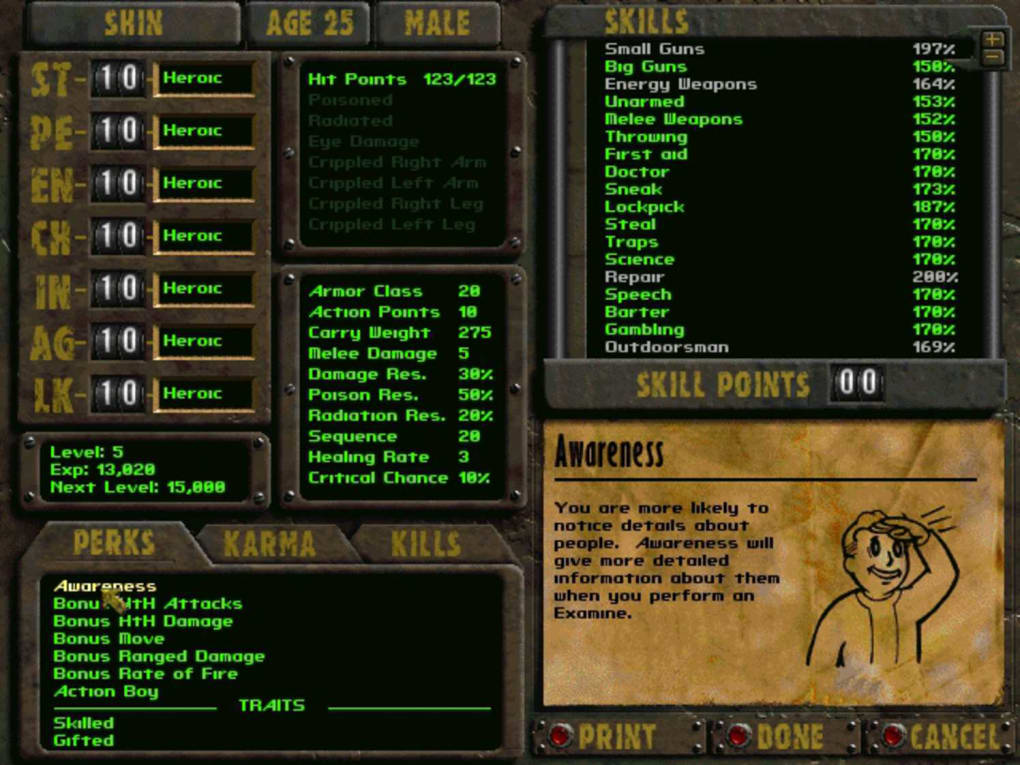
The game’s world is brimming with detail; the environment is richly textured with descriptions of locations, and the dialogue is often evocative and emotionally resonant. The world’s history is interwoven into the narrative, providing context and depth to the current events. Understanding this history is key to navigating the game’s complexities and forming alliances or choosing to confront antagonists. The sense of immersion is enhanced by the game’s sound design, which effectively sets the atmosphere with its chilling soundtrack and sound effects that highlight the game’s desolate setting.
Isometric Perspective and Dated Graphics: A Trade-off for Immersion?
It’s impossible to discuss Fallout 1 without acknowledging its isometric perspective and graphics, which, by today’s standards, appear decidedly dated. However, these visual elements are part of the game’s charm and contribute to its unique atmosphere. The isometric view offers a different perspective on the world, allowing players to survey their surroundings and plan their strategies effectively. While the graphics may lack the photorealism of modern games, they create a distinct visual style that adds to the game’s overall aesthetic. The simplicity of the graphics also contributes to the game’s accessibility and allows players to focus on the narrative and gameplay mechanics rather than complex visual details. Furthermore, the limitations in graphical fidelity are more than compensated for by the rich, detailed descriptions within the game itself.
Legacy and Influence: A Foundation for a Franchise
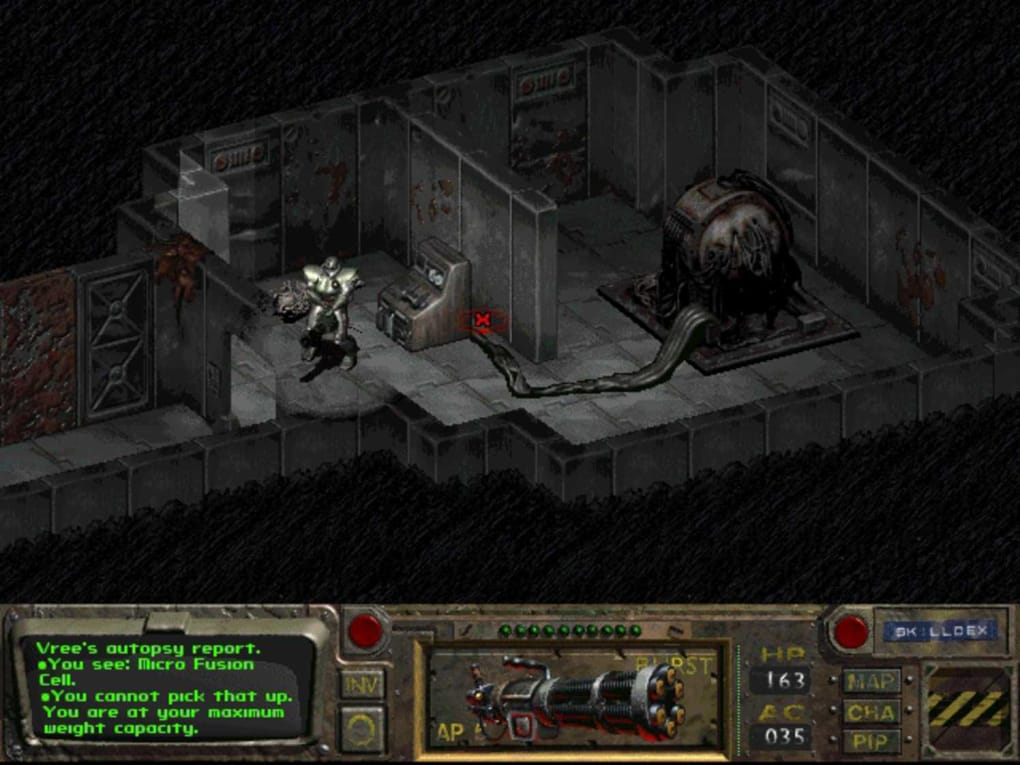
Despite its age and relatively simple graphics, Fallout 1 has left an indelible mark on the RPG genre. It established many of the core elements that would define the Fallout series, including its unique blend of post-apocalyptic setting, immersive storytelling, and player choice. Its influence can be seen in numerous subsequent games, many of which adopted similar gameplay mechanics and thematic elements. The game’s success paved the way for sequels, expansions, and eventually, the immensely popular Fallout 3 and its successors.
Conclusion: A Timeless Classic
Fallout 1 is more than just a video game; it’s an immersive experience that transports players to a compelling world brimming with intrigue, danger, and moral ambiguity. While its dated graphics may initially deter some players, the game’s rich narrative, strategic gameplay, and emphasis on player choice continue to resonate with gamers today. For those willing to embrace a classic gaming experience, Fallout 1 offers a journey into a post-apocalyptic world unlike any other, a testament to enduring storytelling in the RPG genre. It’s a game that rewards exploration, strategic thinking, and a willingness to confront challenging moral dilemmas. Its legacy is undeniable, laying the groundwork for a franchise that continues to captivate players worldwide. Fallout 1 remains a timeless classic, a must-play for fans of RPGs and a valuable piece of gaming history.
File Information
- License: “Full”
- Version: “varies-with-device”
- Latest update: “April 5, 2017”
- Platform: “Windows”
- OS: “Windows XP”
- Language: “English”
- Downloads: “18.9K”


