
Fallout 3, the third main installment in the celebrated Fallout series, marks a pivotal moment in the franchise’s history. Departing significantly from its isometric, turn-based predecessors, Fallout 3 embraced a fully realized 3D world, a first-person perspective, and real-time combat. This transformative shift catapulted the series into the mainstream, attracting a new generation of players while retaining the core elements that defined its unique identity. Released in 2008, the game remains a benchmark for open-world RPGs, setting a high bar for immersive storytelling, character customization, and post-apocalyptic atmosphere.
A Post-Apocalyptic Washington D.C.
The game is set in 2277, a century after a devastating nuclear war has ravaged the Earth. The player takes on the role of the Vault Dweller, a resident of Vault 101, an underground shelter designed to protect its inhabitants from the harsh realities of the outside world. The game opens with a relatively sheltered existence within the vault, but this tranquility is shattered when unforeseen circumstances force the player to venture into the desolate wasteland surrounding Washington D.C.
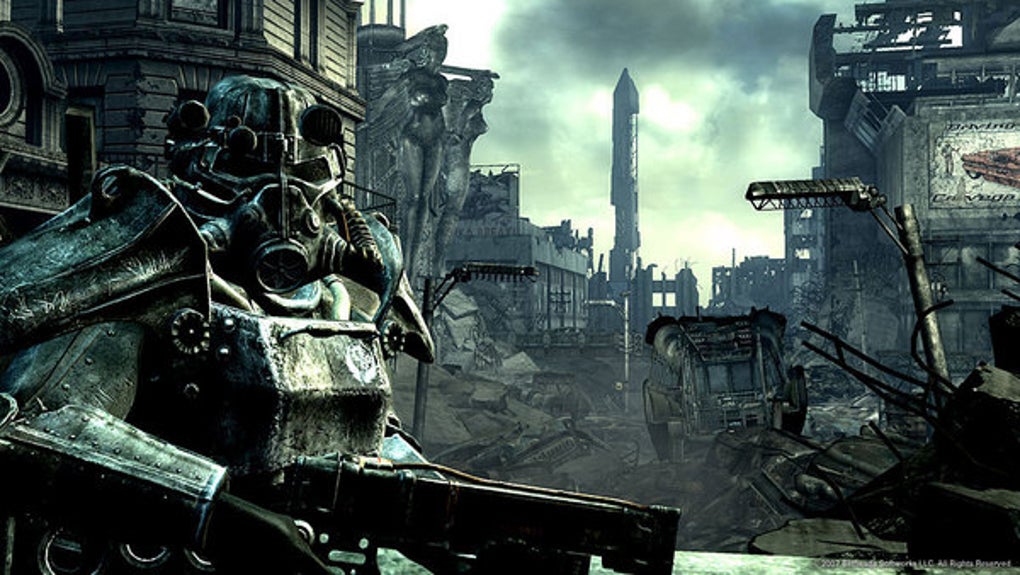
The Capital Wasteland, as this region is known, is a beautifully rendered and surprisingly diverse landscape. From the decaying remnants of iconic landmarks like the Washington Monument and the White House to the sprawling, overgrown wilderness, the environment is as much a character as any of the game’s inhabitants. The level of detail is astonishing for its time; every crumbling building, every rusting vehicle, every overgrown plant contributes to the palpable sense of decay and desolation that permeates the world.
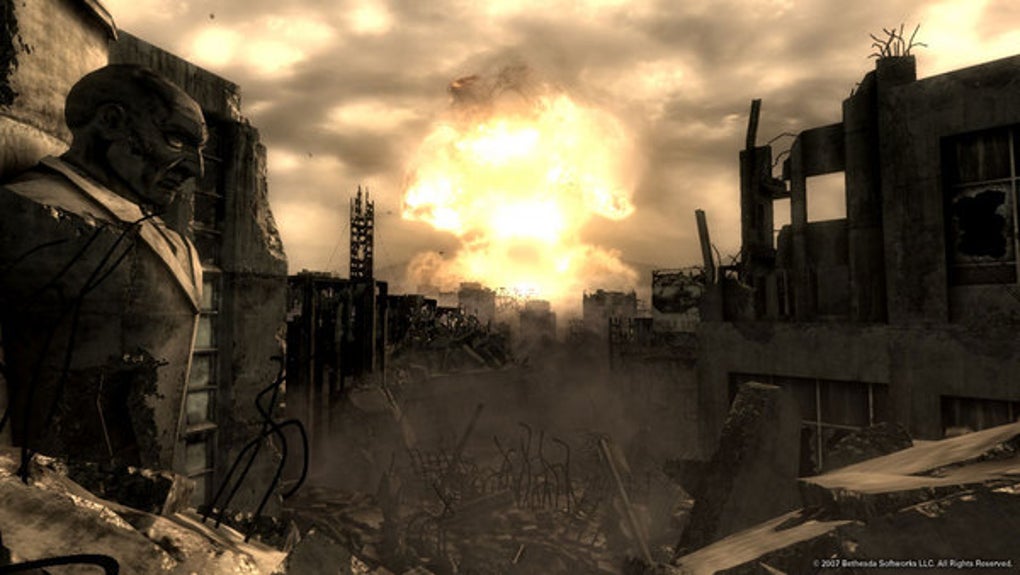
This setting is not simply a backdrop; it is integral to the gameplay experience. Players can explore freely, encountering a wide range of challenges and opportunities. They can engage in combat, scavenge for supplies, interact with a vibrant cast of characters, and uncover the secrets hidden within the ruins of a once-great civilization. The vastness and depth of the Capital Wasteland create a sense of freedom and exploration rarely found in other games of its era. This vast landscape encourages players to get lost, to stumble upon hidden locations, and to uncover unexpected narratives. The sense of discovery is a core component of the Fallout 3 experience.
Character Customization and Branching Narrative
Fallout 3 provides a level of character customization rarely seen in other RPGs. Players can meticulously craft their protagonist’s appearance, skills, and attributes, creating a truly unique character. This system allows for a wide range of play styles, from stealthy snipers to heavily armored powerhouses, offering significant replayability. The choices players make throughout the game have tangible consequences, shaping the narrative and their relationships with other characters. This non-linear progression allows for multiple playthroughs, each yielding a distinct and memorable experience.
The main storyline, though, remains accessible even to players unfamiliar with the previous Fallout games. While the game’s lore is rich and steeped in the history of the series, the central plot of Fallout 3 stands alone, focusing on the Vault Dweller’s quest for survival and their search for their missing father. This allows for a more inclusive experience for newcomers, without alienating long-time fans.
The narrative is woven together with a combination of compelling main quests, engaging side quests, and rich environmental storytelling. The side quests, often seemingly inconsequential at first, often intertwine with the main plot in unexpected ways. This level of narrative depth and intricacy is what elevates Fallout 3 beyond a simple action RPG. It is a game that rewards exploration and curiosity, revealing its secrets gradually as players immerse themselves in its world.
Gameplay Mechanics and Combat
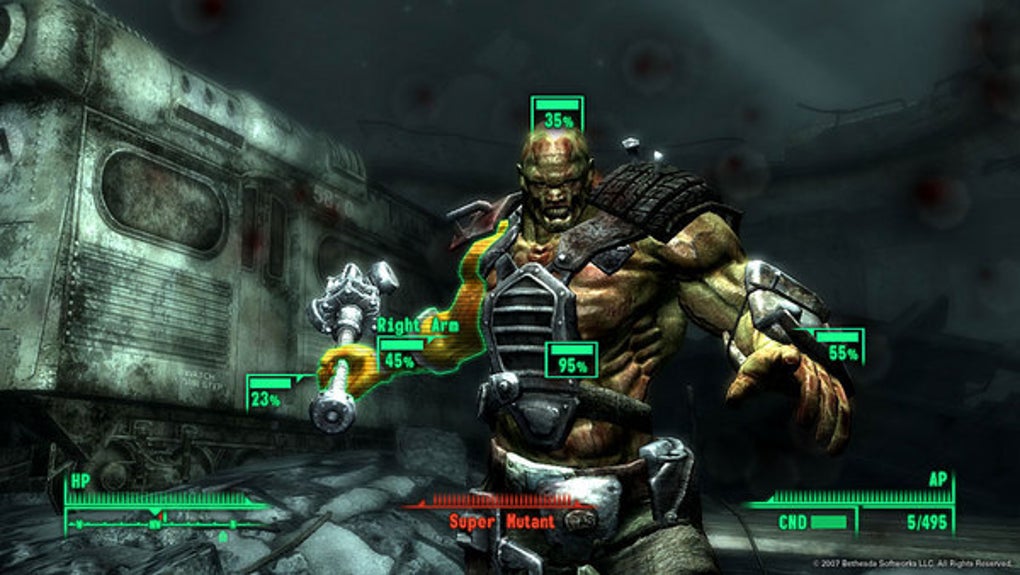
Fallout 3’s first-person perspective and real-time combat system, a radical departure from previous entries, seamlessly blend action and role-playing elements. The combat is challenging yet rewarding, requiring players to utilize a variety of weapons, skills, and tactics to overcome their foes. The V.A.T.S. (Vault-Tec Assisted Targeting System) is a unique mechanic that allows players to pause the action and selectively target enemy body parts, increasing the accuracy and lethality of their attacks. This tactical element adds a layer of strategic depth to the otherwise fast-paced combat.
The game’s skill system is another significant aspect of the gameplay. Players can choose to specialize in a variety of skills, such as small guns, big guns, energy weapons, medicine, science, and more. This system encourages players to experiment with different playstyles and build their characters accordingly. This adaptability allows players to tackle the game’s challenges in numerous ways, catering to diverse preferences and strategies.
Resource management is also critical for survival in the harsh wasteland. Players must scavenge for food, water, and ammunition, and effectively manage their inventory. This constant need for resourcefulness adds another layer of realism and challenge to the game.
Graphics, Sound, and Atmosphere
Fallout 3’s graphical fidelity was remarkable for its time, creating a stunning and believable post-apocalyptic world. The game’s art style, a blend of realism and stylized elements, successfully captures the bleak beauty of the wasteland. The design of the game’s characters, both human and mutated, is striking, each possessing a unique aesthetic that reflects the game’s harsh reality. The detailed environment, from the decaying structures of Washington D.C. to the desolate landscapes beyond, immerses the player in the game’s world.
The sound design is equally impressive. The ambient sounds of the wasteland, the sounds of gunshots and explosions, the music, all contribute to creating an immersive and atmospheric experience. The soundtrack, a mix of original compositions and licensed tracks, perfectly complements the game’s mood, ranging from hopeful melodies to melancholic tunes, reflecting the complex emotions at play.
The game’s atmosphere is a masterful blend of tension, exploration, and wonder. The sense of loneliness and isolation is palpable, but it is also punctuated by moments of unexpected joy, humor, and camaraderie. This balance creates an emotionally resonant experience, one that stays with players long after they’ve finished the game.
Legacy and Impact
Fallout 3’s impact on the gaming landscape is undeniable. It revitalized the Fallout franchise, bringing it to a wider audience and solidifying its place as a major player in the RPG genre. Its influence can be seen in countless subsequent games, which have emulated its open-world design, its character customization system, and its compelling post-apocalyptic setting. The game’s legacy extends beyond its immediate success; it helped define the modern open-world RPG, setting new standards for storytelling, environmental design, and player agency. The game’s enduring popularity speaks to its lasting impact and its ability to continue captivating players years after its release.
While Fallout 3 isn’t without its flaws (some criticized the occasional stiff animations, inconsistent enemy AI, and moments of uneven voice acting), its strengths far outweigh its weaknesses. The game’s strengths lie in its immersive world, compelling storyline, deep character customization, and engaging gameplay mechanics. It is a game that rewards exploration, encourages player choice, and leaves a lasting impression long after the credits roll. For those seeking a truly unforgettable post-apocalyptic adventure, Fallout 3 remains a must-play title.
File Information
- License: “Full”
- Latest update: “June 14, 2023”
- Platform: “Windows”
- OS: “Windows Vista”
- Language: “English”
- Downloads: “18.7K”


