
Fallout: New Vegas, a 2010 role-playing game developed by Obsidian Entertainment and published by Bethesda Softworks, stands as a significant entry in the Fallout franchise. While technically a spin-off, its rich narrative, expansive world, and impactful choices firmly establish it as a beloved classic among fans, despite its inherent technical shortcomings. Set four years after the events of Fallout 3, New Vegas plunges players into the Mojave Wasteland, a sun-baked expanse covering parts of Nevada, California, and Arizona, where a complex web of factions vie for control. The player, a courier for the Mojave Express, is left for dead after a botched delivery, only to rise again and forge their own destiny in this brutal and unforgiving landscape.
A Vast and Intriguing Mojave Wasteland
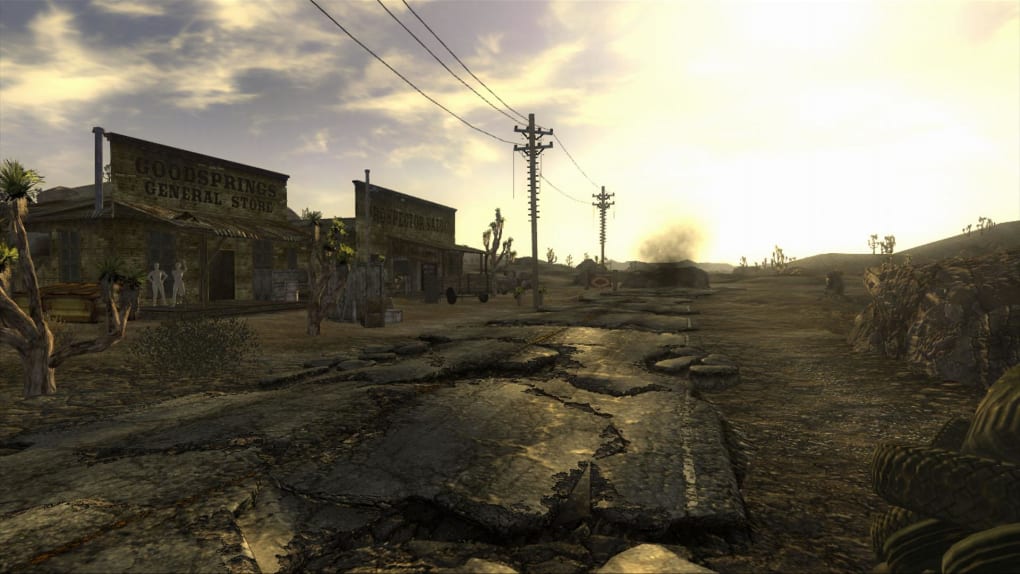
New Vegas unfolds in 2281, a world ravaged by nuclear war, yet teeming with life, both human and mutated. The game’s setting, the Mojave Wasteland, is arguably its strongest asset. Unlike the comparatively confined world of Fallout 3, New Vegas offers a much larger and more diverse environment. Players traverse sprawling deserts, dilapidated casinos of the former Las Vegas Strip, desolate canyons, and the foreboding expanses of Hoover Dam. Each location is rich in detail, populated by a cast of memorable characters, each with their own stories, motivations, and quests. The sheer scale of the wasteland allows for incredible exploration and discovery, with countless hidden locations, secrets to uncover, and side quests to undertake.
The Mojave Wasteland is not merely a backdrop; it’s a character in itself. The oppressive heat, the constant threat of danger, and the pervasive sense of desolation all contribute to the game’s immersive atmosphere. The environment itself often dictates the gameplay, forcing players to adapt to the challenges presented by the harsh landscape. Whether it’s conserving water, finding shade during midday heat, or navigating treacherous terrain, the player is constantly reminded of the fragility of life in the wasteland.
Compelling Factions and a Robust Reputation System
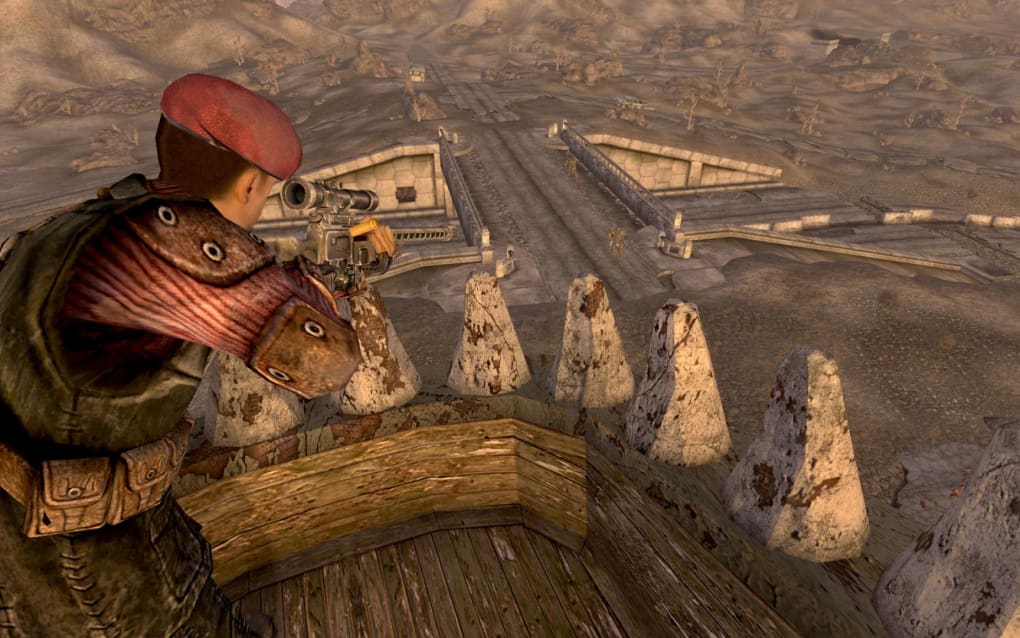
One of the key features that sets New Vegas apart from its predecessors is its intricate faction system. Unlike other Fallout games which often presented a more linear approach to the narrative, New Vegas throws the player into the heart of a complex political struggle, with three major factions – the New California Republic, Caesar’s Legion, and Mr. House – all vying for dominance. Each faction possesses distinct ideologies, motivations, and methods of operation, forcing the player to make difficult choices with far-reaching consequences.
The game’s reputation system is intrinsically linked to these factions. Players’ actions, whether acts of kindness or ruthless violence, directly impact their standing with each faction, influencing interactions, quest availability, and even the ultimate outcome of the game. This system adds significant depth and replayability, encouraging exploration of different approaches and fostering a sense of genuine consequence. A choice made early in the game can drastically alter the later stages, rewarding players who carefully consider the implications of their actions. This interwoven system of choice and consequence is perhaps the most defining characteristic of New Vegas’ narrative, setting a high standard for player agency in RPGs.
Crafting, Companions, and Character Customization
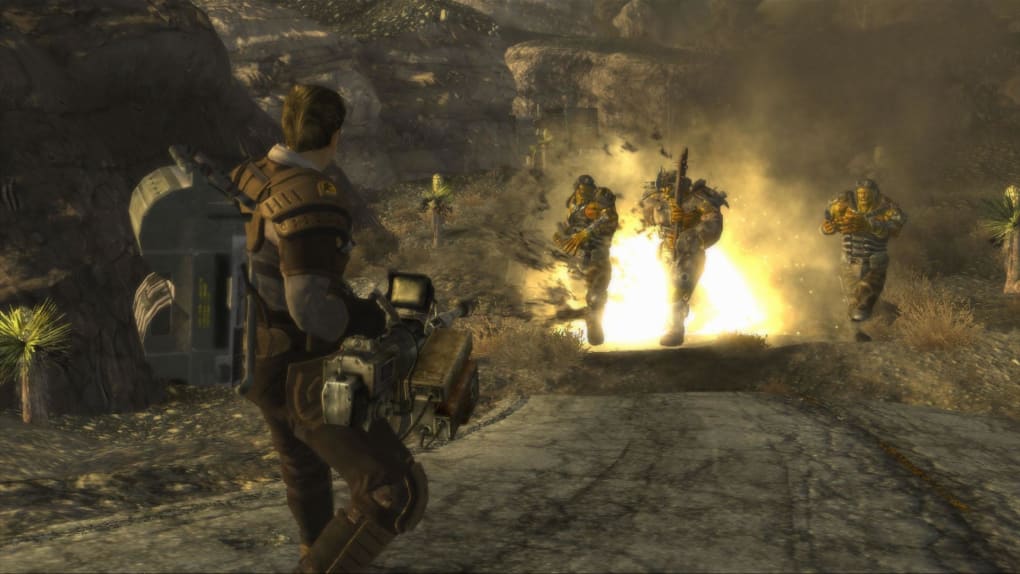
Building on the foundation laid by previous Fallout games, New Vegas significantly expands upon its crafting and companion systems. The crafting system allows players to create various weapons, ammunition, and other essential items, often using scavenged materials found throughout the wasteland. This system adds another layer of survival to the game, encouraging players to explore, scavenge, and be resourceful. The improved crafting system not only helps players survive but also offers the possibility to create powerful and unique equipment, enriching combat encounters and offering a tangible reward for player initiative.
The companion system also receives a notable boost in New Vegas. Players can recruit a diverse range of characters, each with their own unique personalities, backstories, and combat skills. The relationships with these companions are dynamic and evolve based on player choices and interactions, adding emotional weight to the narrative. Companions offer not only combat assistance but also unique dialogue options and quest lines, expanding the game’s already considerable scope and adding layers of emotional depth. The dynamic interplay between the player character and their companions significantly contributes to the immersive and personalized experience New Vegas offers.
Technical Issues and Visual Style
Despite its narrative triumphs, Fallout: New Vegas wasn’t without its problems. The game suffered from several notable technical issues at launch, ranging from minor glitches to more serious bugs that could impact gameplay. These issues, including character clipping, floating objects, and occasional game crashes, detracted from the overall experience, despite being largely patched over the years. This is a testament to the enduring popularity of the game; even with such significant technical issues, players have remained engaged with the title, showcasing the power of its storytelling and gameplay.
Visually, New Vegas adheres to the established style of Fallout 3, featuring a similar art style and engine. While the graphics held up reasonably well for its time, they haven’t aged as gracefully as the game’s other aspects. The character models, in particular, often lack the expressiveness and detail found in more modern games, a noticeable drawback compared to the emotional depth portrayed in the game’s writing and voice acting. The disparity between the compelling narrative and the visual representation of characters occasionally disrupts immersion, though the impactful storytelling often compensates for these shortcomings.
Conclusion: A Lasting Legacy Despite Imperfections
Fallout: New Vegas remains a noteworthy RPG, even when considering its technical shortcomings. Its expansive world, compelling narrative, and robust systems have cemented its place as a fan-favorite in the Fallout franchise and wider RPG community. While the technical issues were certainly a blemish upon release, the game’s considerable strengths far outweigh these flaws, offering a captivating experience for players who are willing to overlook them. The intricate faction system, the dynamic reputation mechanics, the deep companion interactions, and the sheer scope of the Mojave Wasteland collectively create a truly memorable and rewarding gaming experience. The choices that players make throughout the game have far-reaching consequences, underscoring the genuine impact of player agency within the narrative.
Despite a slightly dated visual presentation and lingering technical quirks, Fallout: New Vegas remains a testament to the power of compelling storytelling and engaging gameplay. It offers players a unique experience in the post-apocalyptic wasteland, rich with exploration, choices, and consequences that extend far beyond the credits roll. It’s a game that rewards careful consideration, thorough exploration, and repeated playthroughs. The lasting legacy of Fallout: New Vegas stands as a testament to its enduring appeal and serves as a high water mark for RPGs that prioritize narrative depth and player agency above all else. The game’s imperfections only serve to enhance the discussion surrounding its many strengths. For any fan of RPGs, particularly within the post-apocalyptic setting, Fallout: New Vegas remains a must-play title, a true classic in its own right.
File Information
- License: “Full”
- Latest update: “April 17, 2024”
- Platform: “Windows”
- OS: “Windows XP”
- Language: “English”
- Downloads: “5K”


