
Farm Up is a charming farming simulation game transporting players back to the 1930s. While maintaining the core appeal of harvesting crops and tending livestock, it incorporates quests and progressively unlocks more advanced production methods, adding layers of complexity and engagement beyond the typical farming game experience. This review will delve into the game’s mechanics, strengths, weaknesses, and overall suitability for its target audience.
Gameplay and Progression
Farm Up begins with a gentle introduction to its core mechanics, making it accessible even for players new to the genre. The early stages focus on basic farming tasks, providing a clear understanding of the game’s rhythm and progression. Players learn to plant seeds, harvest crops, care for animals, and sell their produce to earn in-game currency. This initial simplicity is intentional, allowing players to grasp the fundamentals before introducing more advanced elements.
As players progress, they unlock a variety of upgrades and expansions to their farm. This includes constructing a canning factory to process surplus produce into higher-value goods, or establishing a textile mill to create cloth from harvested materials. These upgrades represent a significant progression from basic farming, adding strategic depth and encouraging players to diversify their agricultural activities. The game cleverly balances the introduction of these complex elements with tutorials and in-game hints, preventing players from feeling overwhelmed.
Beyond crop cultivation and animal husbandry, Farm Up incorporates a quest system. These quests often involve fulfilling specific orders for villagers or completing tasks related to expanding the farm’s operations. These quests not only provide a structured progression but also add narrative context to the gameplay, making the experience more engaging and less repetitive. The dynamic nature of the quests, combined with the evolving options for farm expansion, keeps the gameplay fresh and prevents stagnation, a common problem in many farming simulation games.
Visual Style and Sound Design
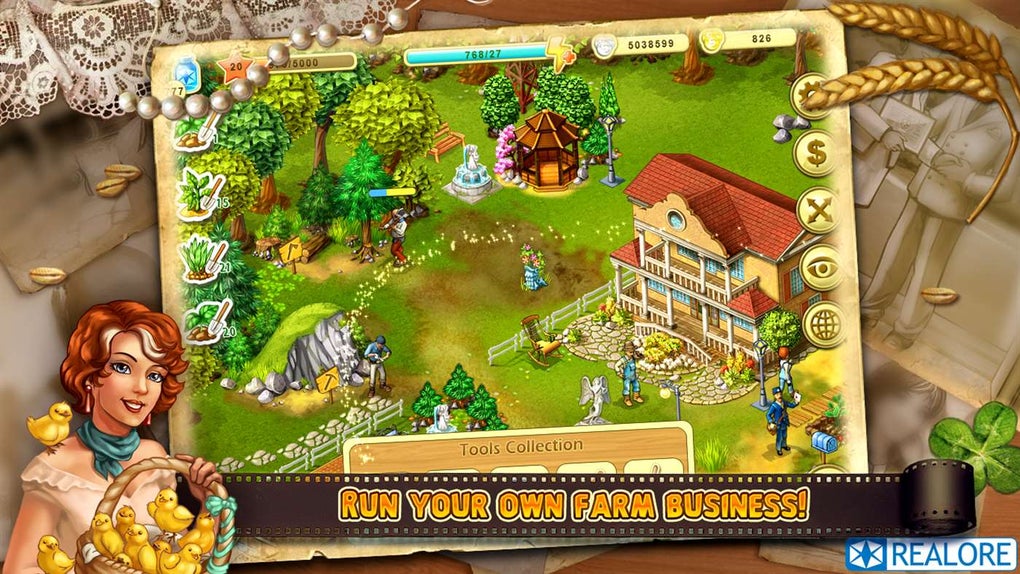
Farm Up boasts a distinctly cartoonish art style. The visuals are vibrant and colorful, creating a cheerful and appealing atmosphere. While not photorealistic, the aesthetic is appropriate for the game’s target audience of tweens. The characters are expressive and well-designed, adding personality to the game world and further enhancing the overall charm. The graphics are not overly detailed, optimizing performance on a range of devices. This deliberate simplification focuses on playability and accessibility rather than high-fidelity visuals.
The sound design complements the visual style. The game features upbeat, cheerful music that enhances the positive and engaging atmosphere. Sound effects are equally lively, providing satisfying feedback for actions such as harvesting crops or tending animals. While not particularly innovative or groundbreaking, the sound design is effective in creating an enjoyable auditory experience consistent with the game’s overall tone and style.
Strengths and Weaknesses
One of Farm Up’s most significant strengths is its accessibility. The game’s intuitive controls and gradual introduction to its mechanics make it easy to pick up and play, even for those unfamiliar with farming simulation games. The clear tutorial system further enhances accessibility, allowing players to quickly learn the ropes without becoming bogged down in complex instructions. This makes it a suitable choice for a broad range of ages, especially within the targeted tween demographic.

Furthermore, the integration of quests and advanced production methods creates a compelling gameplay loop. The combination of basic farming activities and more strategic choices provides a balance between simple tasks and long-term planning, adding significant depth and replayability. The steady introduction of new features and upgrades helps to maintain player interest over time, preventing the game from feeling repetitive or stale. The ability to manage and expand the farm provides a substantial sense of accomplishment, motivating players to continue investing time and effort into their virtual agricultural empire.
However, Farm Up is not without its shortcomings. A significant drawback is the extended wait times associated with various in-game processes. Energy regeneration, a common mechanic in free-to-play games, is particularly slow in Farm Up, often requiring players to wait for extended periods before they can continue playing. This can be frustrating for players seeking a more fluid and continuous gaming experience. This waiting period significantly impedes the flow of the game, potentially leading to periods of inactivity and causing frustration.
Another issue concerns the AI management of workers. Players must frequently check in on their farm, ensuring workers are tending to crops and animals. If left unattended for too long, crops can over-mature and die, resulting in lost revenue. While this adds a degree of responsibility to the farming experience, it can also become a burden, demanding continuous interaction from the player. This constant need to monitor the farm, rather than focusing on strategic planning, detracts from the overall enjoyment and can feel unnecessarily restrictive.

Finally, while the cartoonish style is appropriate for its target audience, some players might find the visual presentation simplistic or lacking in detail. The graphics, while functional and adequately presented, lack the sophisticated visual appeal found in some more advanced farming simulation games. This is likely a deliberate design choice to ensure compatibility and performance across a wider range of devices.
Comparison with Other Farming Games
Farm Up occupies a niche within the farming simulation genre. While similar games like FarmVille 2: Country Escape offer a comparable experience, Farm Up stands apart with its focus on a retro setting and its incremental progression through increasingly complex production methods. The distinct 1930s aesthetic sets it apart from many other contemporary farming titles, offering a unique selling proposition.
Compared to more complex farming simulators, Farm Up offers a more accessible and less demanding experience. Games like Farming Simulator 2013, for example, are significantly more realistic and complex, demanding a higher level of dedication and commitment from the player. Farm Up, in contrast, prioritizes accessibility and ease of play, making it a better fit for a casual audience. The simplified mechanics and cartoonish visuals ensure a more relaxed and less demanding gameplay experience.
Conclusion
Farm Up is a delightful farming simulation game offering a unique blend of accessibility and strategic depth. Its charming retro aesthetic, intuitive gameplay, and progressive unlocking of advanced features make it a compelling choice for tween gamers and those seeking a more relaxed farming experience. While the slow energy regeneration and the need for frequent player intervention are drawbacks, they are balanced by the game’s overall charm and engaging gameplay loop. If you’re seeking a less demanding but still engaging farming simulation with a unique retro feel, Farm Up is certainly worth considering. However, players who prefer highly realistic simulations or those seeking a more fluid gameplay experience without extensive wait times might find themselves better suited to alternative titles within the genre.
File Information
- License: “Free”
- Version: “1.0”
- Latest update: “March 7, 2019”
- Platform: “Windows”
- Downloads: “8.1K”


