
Farming Simulator 20, a premium mobile title developed by GIANTS Software, invites players to embrace the life of a farmer in a meticulously crafted North American countryside. More than just a simple game, it’s a comprehensive simulation that blends elements of resource management, crop cultivation, animal husbandry, and shrewd economic decision-making. This detailed simulation offers a compelling experience, allowing players to plant and harvest various crops, nurture diverse livestock, and strategically expand their farming operations. Its realistic 3D graphics and immersive gameplay set it apart in the mobile gaming landscape, while also highlighting some areas for potential improvement. Within the wider Farming Simulator franchise, it stands as one of six mobile titles and a significant entry within the 18-game series.
Immersive Gameplay and Realistic Details
Farming Simulator 20 throws players into the heart of a working farm, placing them in charge of cultivating land and managing resources. The game provides a diverse range of crops for cultivation, including staples such as barley, wheat, canola, oats, corn, soybeans, potatoes, sunflowers, sugar beets, and cotton. Beyond crop management, players must also actively tend to a variety of livestock, including sheep, cows, pigs, and horses. Each animal requires specific care, contributing to the game’s depth and complexity. This intricate management extends to the production of various goods, like milk and wool, which can be sold in dynamic market conditions. Players must carefully monitor market prices to maximize profits and strategically allocate their resources.
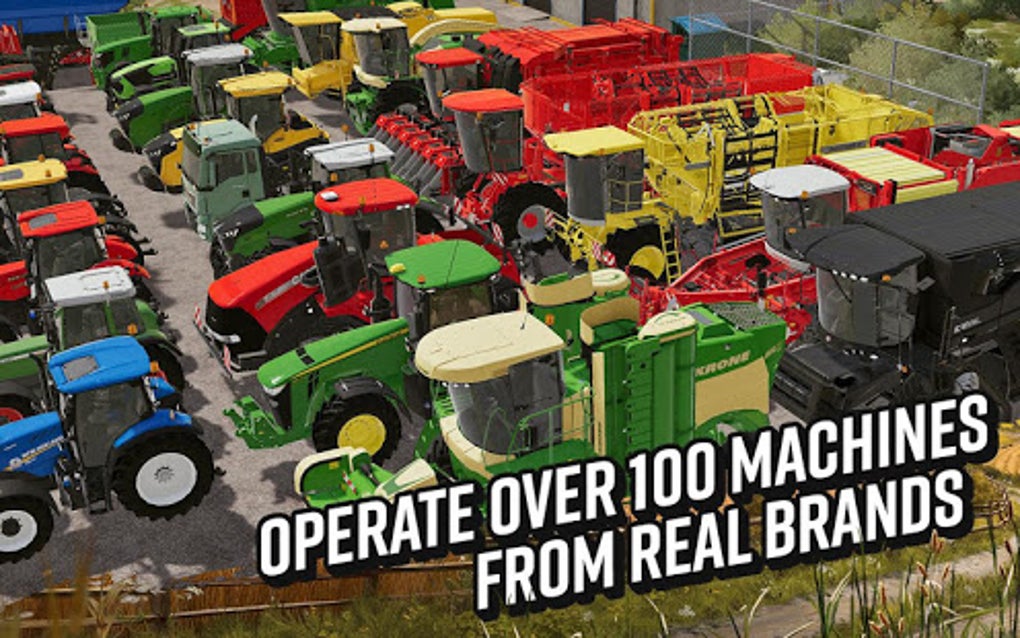
The realistic nature of Farming Simulator 20 extends to the inclusion of over 100 agricultural vehicles and equipment. These are meticulously recreated representations of real-world brands, allowing for an authentic experience when it comes to harvesting and managing the farm. The machinery encompasses a wide variety of tools, from tractors and harvesters to specialized equipment needed for tending to different crops and animals. The level of detail provided in these models enhances the sense of realism and immersion in the game.

One of the key features enhancing the immersive experience is the detailed 3D graphics rendering a realistic North American environment. The game’s visuals are impressive, showcasing richly detailed landscapes, accurate representations of agricultural machinery, and lifelike depictions of the various animals. This level of visual fidelity contributes significantly to the overall sense of immersion and authenticity. Further enhancing realism, the game allows for a cockpit view when operating vehicles. This perspective provides a first-person experience, adding another layer to the simulation by more intimately engaging players with the controls and the environment surrounding them. This feature helps to bridge the gap between the virtual world and the reality of farming, providing a more authentic and engaging experience.
Economic Management and Expansion
A core component of Farming Simulator 20’s gameplay loop revolves around careful economic management. Players must balance the costs of operating their farm against the revenue generated from selling their harvests and livestock products. The dynamic market system means prices fluctuate, demanding adaptability and strategic decision-making from players. Careful planning and efficient resource allocation are crucial for success. Players must consider factors like seed costs, fertilizer, maintenance of equipment, and animal feed to ensure profitability.
Successful economic management allows players to expand their farming operations. The ability to increase the size of their farmland unlocks new opportunities, allowing for larger-scale production and even greater profits. This expansion aspect adds a long-term strategic element to the game, encouraging players to meticulously plan their investments and cultivate a thriving and profitable agricultural enterprise. This gradual growth keeps the gameplay engaging over extended periods, constantly rewarding players for strategic decision-making and effective resource management. The game rewards players who carefully balance expenditure with production to achieve consistent growth and prosperity.

Strengths and Weaknesses of Farming Simulator 20
Farming Simulator 20 boasts several undeniable strengths that contribute to its overall appeal. The sheer breadth of content available, encompassing a large variety of crops, livestock, and machinery, provides substantial replayability. The level of detail in the game’s visuals and mechanics contributes significantly to its immersive nature, creating a believable and engaging farming experience. The game’s realistic approach to farming economics and resource management further adds to the overall complexity and long-term playability.
However, the game is not without its flaws. A significant point of criticism is directed toward the game’s tutorial system. Many players have noted that the tutorial is insufficient, failing to provide a comprehensive introduction to the various game mechanics. This inadequacy can leave players feeling overwhelmed and frustrated during the initial stages of the game. The lack of clear and concise instructions regarding the game’s many intricacies can cause a steep learning curve that might discourage some players. An improved, more thorough tutorial system would greatly enhance the game’s accessibility and overall user experience.
Comparison with Other Farming Simulators
Farming Simulator 20 occupies a place within a larger franchise known for its detailed agricultural simulations. While it shares core gameplay mechanics with titles like Farming Simulator 18 and Farming Simulator 19, it distinguishes itself with its mobile-optimized interface and updated graphics. The game’s mobile-first design offers a more streamlined and accessible experience compared to its PC counterparts, making complex farming management more approachable for a broader audience. However, this simplification might lead to some compromises in terms of the depth and scope of certain gameplay features found in the PC versions.
Compared to newer entries in the series, such as Farming Simulator 23 Mobile, Farming Simulator 20 might lack some of the advanced features and enhanced graphical fidelity. Yet, its focus on providing a solid and enjoyable core farming experience on mobile devices positions it as a viable entry point into the franchise for mobile gamers. Its accessibility and relatively lower system requirements allow a wider range of devices to run the game smoothly.
Conclusion: A Worthwhile Farming Experience
Farming Simulator 20 successfully delivers an engaging and realistic farming simulation experience on mobile devices. Its impressive graphics, detailed machinery, wide range of crops and livestock, and emphasis on economic management create a compelling and immersive world for players to explore. While the limited tutorial does present a hurdle for new players, the core gameplay mechanics are solid and rewarding, offering a satisfying long-term experience. For those seeking an authentic farming simulation on their mobile devices, Farming Simulator 20 is a worthwhile investment, providing numerous hours of enjoyable gameplay. The game’s accessibility, combined with its impressive features, makes it a strong contender in the mobile gaming market. Despite some shortcomings, the strengths of the game firmly outweigh its weaknesses, providing a fulfilling experience for fans of simulation games and those new to the genre.
File Information
- License: “Full”
- Version: “0.0.0.90-google”
- Latest update: “February 6, 2025”
- Platform: “Android”
- OS: “Android 13.0”
- Language: “English”
- Downloads: “485.3K”
- Download Options: “Google Play”


