
FastTracker, a name synonymous with the golden age of tracker music, holds a significant place in the history of computer-based music production. This article delves into the origins, evolution, and enduring legacy of this influential software, exploring its impact on the music scene and its place within the broader landscape of digital audio workstations (DAWs).
The Genesis of FastTracker 2: Triton’s Triumph and Subsequent Legacy
FastTracker’s story begins not with a software company, but with a demo group – Triton. Emerging in 1992, this group quickly made a name for themselves, winning several demo competitions and establishing a strong presence within the vibrant demoscene. Their prowess in creating impressive, technically sophisticated demos often showcased innovative music composed using their own custom tracker program, a precursor to the FastTracker 2 we know today.
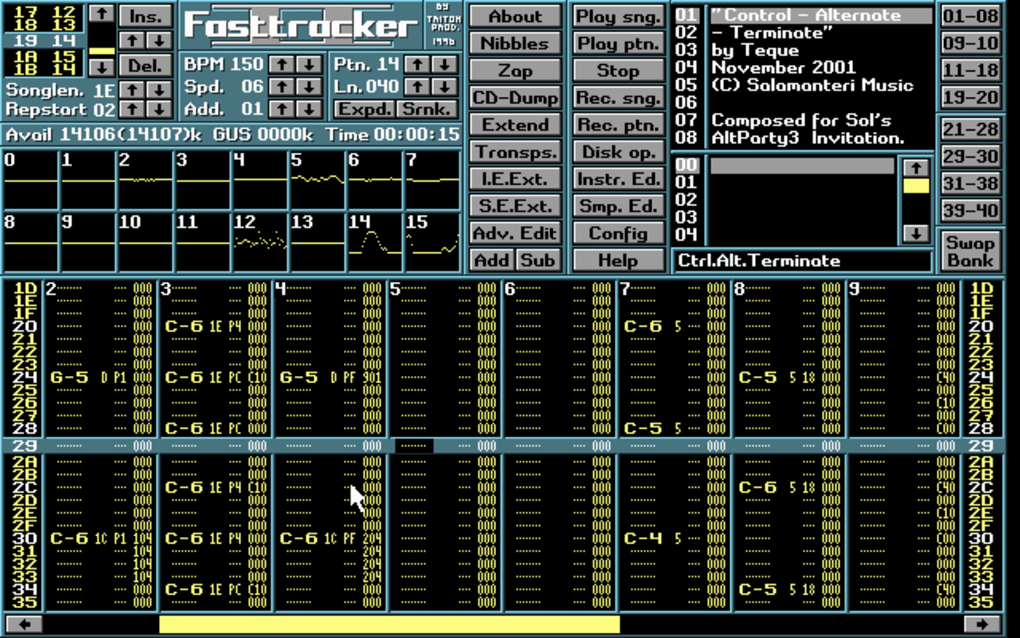
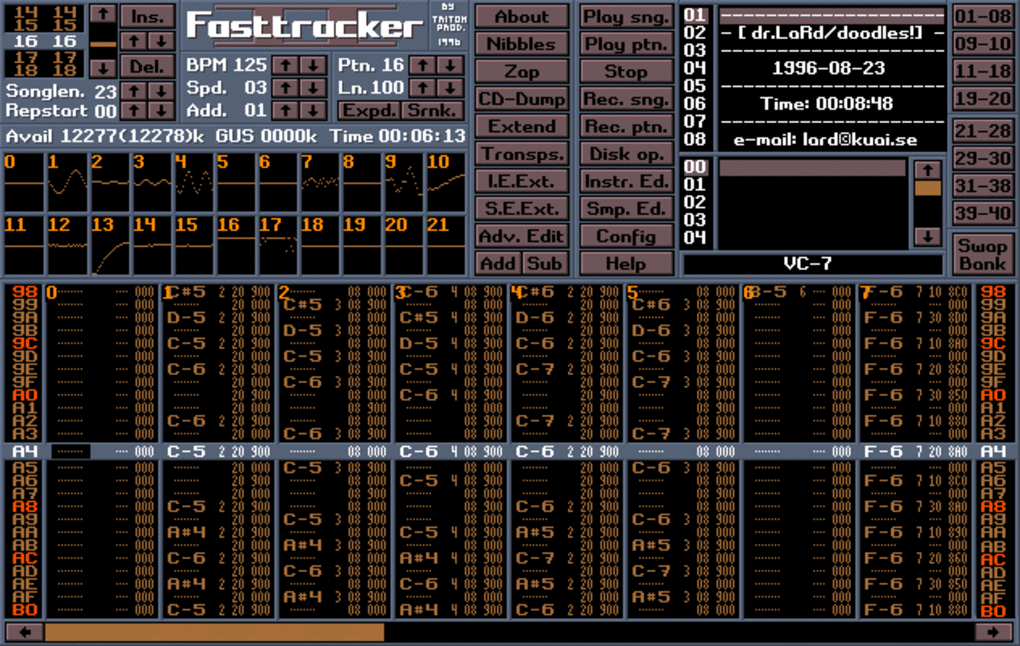
In 1995, Triton released FastTracker 2, a program that would fundamentally alter the landscape of computer-based music composition. This wasn’t simply another tracker; it was a sophisticated and intuitive tool that allowed musicians to create complex, layered musical pieces with a level of precision previously unattainable in the home studio environment. The software’s innovative interface, combined with its powerful sound engine, enabled users to craft intricate melodies, rhythms, and soundscapes, pushing the boundaries of what was considered possible within the constraints of the hardware available at the time. FastTracker 2 became a powerhouse in the demoscene and beyond, fueling the creation of countless memorable and influential tracks.
The success of FastTracker 2 is not only attributable to its technical capabilities but also to its accessibility. While powerful, the software’s relatively intuitive interface made it accessible to a wider range of users, fostering a creative community that continues to thrive to this day. The release of FastTracker 2 marked a pivotal moment, providing the tools and accessibility for many aspiring musicians to enter the world of music composition and creation. However, despite its impact, Triton moved on to other projects, leaving the future of FastTracker uncertain.
The Unfinished Symphony: FastTracker 3 and the Quest for Modernization
The immense popularity of FastTracker 2 inevitably led to calls for a modernized version, one that could fully leverage the capabilities of newer operating systems and hardware. Independent programmers rose to the challenge, initiating the development of FastTracker 3. This project aimed to bring the iconic tracker into the Windows era, addressing limitations and incorporating modern features.
However, FastTracker 3 ultimately remained unfinished, never escaping its beta phase. Despite significant interest and considerable effort by dedicated developers, various challenges hampered its progress. The complexity of modernizing a legacy application, coupled with the inherent difficulties in balancing feature additions with the preservation of the original aesthetic and workflow, proved insurmountable. The failure of FastTracker 3 left a void, highlighting the challenges associated with updating classic software while maintaining its core identity and appeal.
The Rise of Skale Tracker: A Modern Revival
The incomplete FastTracker 3 project didn’t mark the end of the FastTracker legacy. A new generation of programmers stepped forward, taking inspiration from the original FastTracker 2 and FastTracker 3’s potential. This led to the development of Skale Tracker, a new tracker that captured the essence of the original while incorporating modern enhancements and addressing many of the limitations that plagued FastTracker 3.
Skale Tracker built upon the familiar interface of FastTracker, providing a comfortable and intuitive environment for experienced users. Simultaneously, it incorporated new features and improvements, enhancing the functionality and performance of the tracker, providing users with a modern experience while staying true to the classic design. This approach successfully blended nostalgia with innovation, creating a product that appealed to both veteran tracker enthusiasts and newcomers alike.
FastTracker’s Enduring Influence: A Legacy of Innovation and Community
FastTracker’s impact transcends its mere existence as software. It played a critical role in shaping the landscape of electronic music, particularly within genres heavily influenced by tracker culture, such as chiptune, demo scene music, and various forms of electronic dance music (EDM). The distinctive sound of many famous tracks is directly attributable to the tools and techniques made popular through FastTracker.
Beyond its technical contributions, FastTracker fostered a strong and vibrant community. The software’s accessibility and the open-source nature of some of its later incarnations fostered a collaborative environment where users shared knowledge, techniques, and creations. This spirit of community played a significant role in sustaining the popularity of FastTracker and its subsequent iterations, creating a legacy that reaches beyond the software itself. The collaborative culture spurred the creation of countless tracks, tutorials, and modifications, enriching the user experience and ensuring the longevity of the tracker’s influence.
The influence of FastTracker can also be seen in contemporary music software. Many modern DAWs have adopted certain aspects of the tracker interface and workflow, particularly the use of sample-based sequencing and pattern-based composition. While modern DAWs often boast features beyond the capabilities of FastTracker, the fundamental principles of sample-based music creation laid down by FastTracker remain central to much of modern digital audio production.
FastTracker: A Retrospective and its Continued Relevance
FastTracker’s journey illustrates the cyclical nature of software development and the power of community influence. From the initial success of FastTracker 2 by Triton, through the abandoned attempts to modernize with FastTracker 3, to the eventual revival in Skale Tracker, the software has continuously evolved while retaining its core principles. The continued development of new tools inspired by FastTracker showcases its lasting contribution to music software and its enduring appeal. While its core technologies might appear dated by modern standards, its enduring impact on music creation methods and the vibrant community it cultivated solidify its lasting legacy.
The software’s simplicity, combined with its powerful sound capabilities, made it accessible to a wide range of users, contributing to its lasting influence on music creation. It became a key tool for artists looking to explore experimental and innovative sounds and styles. Even today, FastTracker’s influence can be heard in various genres of electronic music, and it continues to inspire new generations of musicians.
The story of FastTracker is also a testament to the power of community and collaborative efforts in software development. The continued development and adaptation of tracker software, despite the absence of the original creators, demonstrate the lasting appeal of its design and the dedication of its users. The passion and contributions of the user community have been crucial in sustaining the legacy of this iconic tracker.
In conclusion, FastTracker is more than just a piece of software; it’s a cultural icon and a significant landmark in the evolution of computer-based music production. Its enduring influence continues to inspire musicians and developers, cementing its place as a cornerstone of the digital music revolution.
File Information
- License: “Free”
- Version: “6.2”
- Latest update: “January 12, 2007”
- Platform: “Windows”
- OS: “Windows XP”
- Language: “English”
- Downloads: “187.3K”
- Size: “291.91 KB”


