
Fate, a single-player action role-playing game (ARPG) initially released for PC by WildTangent, offers players a captivating journey through procedurally generated dungeons. Often categorized as a dungeon crawler, Fate challenges players to navigate increasingly treacherous levels, battling monsters, completing quests, accumulating treasure, and enhancing their character’s attributes and skills. This in-depth exploration will delve into the game’s mechanics, aesthetics, and overall impact on the genre, examining both its strengths and its limitations within the context of its release and subsequent legacy.
Exploring the Randomized Depths of Fate
The dungeon in Fate presents a unique experience with each playthrough. Its randomized design ensures that no two explorations are alike. The layout of each level is procedurally generated, and the treasures concealed within vary dramatically. This extends to the encounters themselves; the number and types of monsters encountered are also subject to this randomized generation, adding significant replayability to the core gameplay loop. The game’s 3D environment allows for a dynamic perspective, enabling players to zoom in and out to manage combat and exploration. While the camera cannot be freely rotated, the CTRL+SHIFT+U shortcut provides a wider view, and clever use of the left/right mouse buttons allows players to peek around corners, strategically gaining an advantage in combat scenarios.
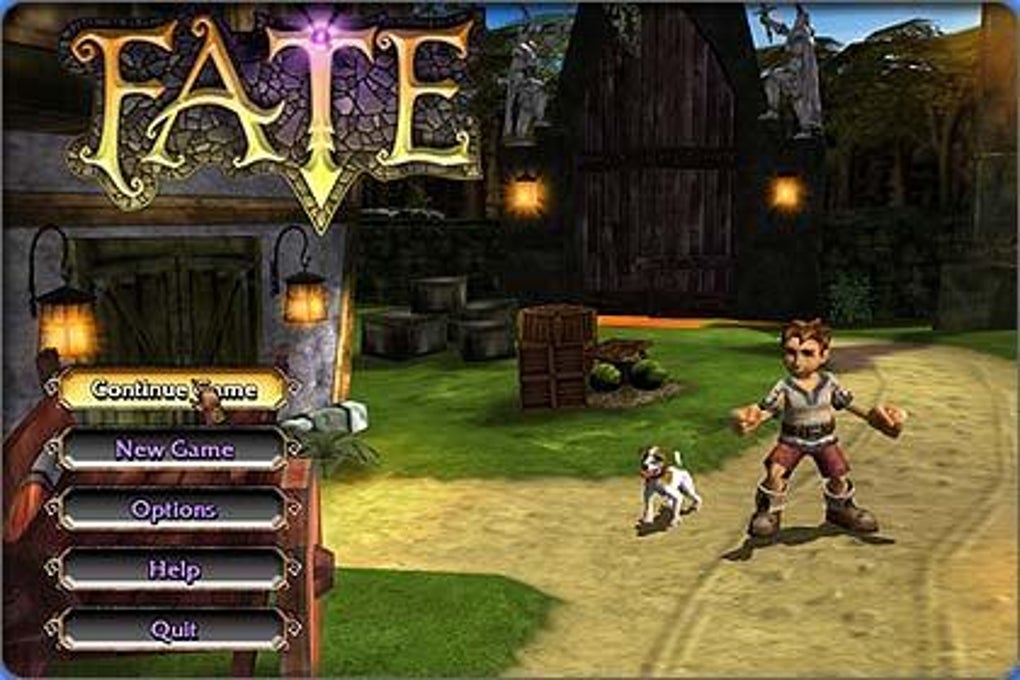
Accompanying the player is a loyal virtual pet, selectable at the game’s start as either a terrier or a cat. This companion actively participates in battles, aiding the player in combat. Furthermore, the pet serves as a crucial asset outside of combat, carrying items and returning to town to sell unwanted loot. Interestingly, the pet possesses an unusual resilience. While its health can be depleted during battles, resulting in temporary withdrawal from combat, it cannot be permanently killed. This design choice emphasizes the pet’s unwavering support, ensuring its continued presence throughout the player’s adventure, albeit with periods of recovery required after taking excessive damage.
Crafting Your Destiny: Character Progression and Customization
Fate’s character progression system is a key component of its addictive gameplay. As the player gains experience points (XP) through combat and quest completion, their character levels up. Each level-up grants the player five attribute points and two skill points, offering substantial freedom to customize their character’s abilities and playstyle. Four core attributes—Strength, Dexterity, Vitality, and Magic—influence the character’s capabilities. Increasing Strength enhances their ability to wield stronger weapons, while Dexterity improves agility and combat efficiency. Vitality governs the character’s health and resilience, while Magic influences the potency of spells and magical abilities. Skill points, on the other hand, directly enhance specific skills, such as swordsmanship, charm magic, and critical strikes. These points permit players to fine-tune their combat prowess and overall effectiveness.
Unlike many ARPGs that restrict players to predefined classes, Fate embraces maximum character customization. This absence of rigid classes allows players to forge unique builds based on their personal preferences and strategic goals. Moreover, the game rewards players with Fame points for completing side quests and defeating formidable opponents, furthering the character’s growth beyond mere combat prowess. Each increase in Fame level grants four additional skill points, significantly enhancing a player’s options for character specialization. The game cleverly integrates Fame into item usage as well. Elite and Legendary items often come with Fame level requirements, preventing early access to the most powerful gear and encouraging progression through the game’s systems.
Further enhancing customization, weapons, shields, and accessories feature sockets that can accommodate unique pearls, allowing players to modify their equipment’s attributes and further personalize their gameplay experience. The presence of these sockets doesn’t introduce increased requirements for item usage, ensuring that players aren’t unduly penalized for their customization choices; rather, it serves as a method for enhancing the value and effectiveness of already acquired gear. Finally, the game introduces a clever economic mechanic: a singer residing in Grove can be compensated to directly increase the player’s Fame level, providing an alternative way for cunning players to acquire additional skill points.
A Visual Treat: Graphics and Game Design
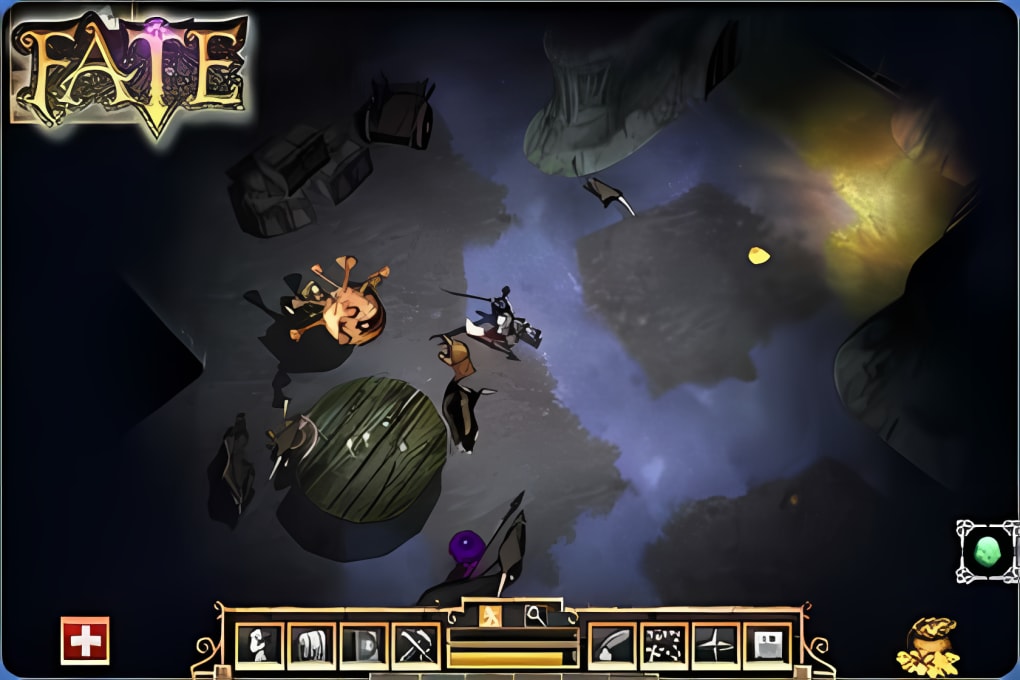
While Fate may not be the most innovative game in terms of its core mechanics, its visual presentation is noteworthy. The game’s environment, fully rendered in 3D, presents players with attractively lit and vividly colored dungeons, ranging from natural caverns to elaborate tombs. The aesthetic design successfully creates a captivating atmosphere, enriching the gameplay experience. A detail that adds to the sense of scale and accomplishment is the noticeably large size of certain monsters. Witnessing these colossal creatures fall after a challenging battle provides a tangible sense of accomplishment. The game’s impressive visual fidelity is particularly notable considering its ability to run smoothly on relatively modest hardware specifications, making it accessible to a broader player base. Furthermore, some thoughtful design choices enhance both visual appeal and functionality, resulting in a polished, user-friendly experience.
Strengths and Weaknesses: A Balanced Perspective
Fate boasts several compelling strengths. Its model for dungeon crawler games, with its randomized levels, varied monster encounters, and treasure hunts, is a fundamental aspect that keeps the game fresh with each playthrough. The 3D graphics, while not state-of-the-art by today’s standards, were impressive at the time of its release and remain aesthetically pleasing. The inclusion of virtual pet companions adds a layer of depth to the gameplay and offers strategic advantages both in combat and outside of it. Furthermore, Fate’s commitment to single-player gameplay offers an immersive and focused experience, free from the complexities and potential frustrations often associated with multiplayer interactions.
However, Fate’s limitations are also significant. The most prominent of these is the lack of multiplayer support. The absence of cooperative or competitive modes restricts the game’s potential appeal to a segment of players who value the social aspect of ARPGs. While this may have been a common design choice in ARPGs of the era, it represents a key deficiency in the context of modern ARPG design trends. Further, while the randomized dungeon generation increases replayability, it might also lead to frustrating moments of repetitive combat or uninspired level layouts, although the frequency of such occurrences likely varies greatly between playthroughs.
In conclusion, Fate stands as a testament to the enduring appeal of classic dungeon crawlers. Its randomized dungeon design, deep character customization options, and engaging gameplay loop hold considerable charm. While its lack of multiplayer functionality and some aspects of its age might detract from the experience for some, Fate remains a compelling single-player adventure offering hours of exploration, combat, and loot-gathering fun. It represents a significant contribution to the ARPG genre, though its legacy is largely defined by its innovative elements within the confines of its technical and design constraints at the time of its release.
File Information
- License: “Full”
- Latest update: “September 30, 2024”
- Platform: “Windows”
- OS: “Windows 2000”
- Language: “English”
- Downloads: “433.3K”


