
Fears to Fathom: Carson House, developed by Rayll, is an immersive psychological horror game that plunges players into the chilling depths of the human psyche. This installment in the popular Fears to Fathom (F2F) series casts players as Noah Baker, an unsuspecting 18-year-old tasked with house-sitting for a celebrity. Unlike typical horror games that rely on jump scares and relentless action, Carson House masterfully builds suspense and dread through atmospheric design, realistic visuals, and clever use of interactive elements. The game’s unique blend of realistic graphics, unsettling soundscapes, and innovative gameplay mechanics create a truly unnerving and unforgettable experience.
Atmospheric Immersion: A Masterclass in Sound and Sight
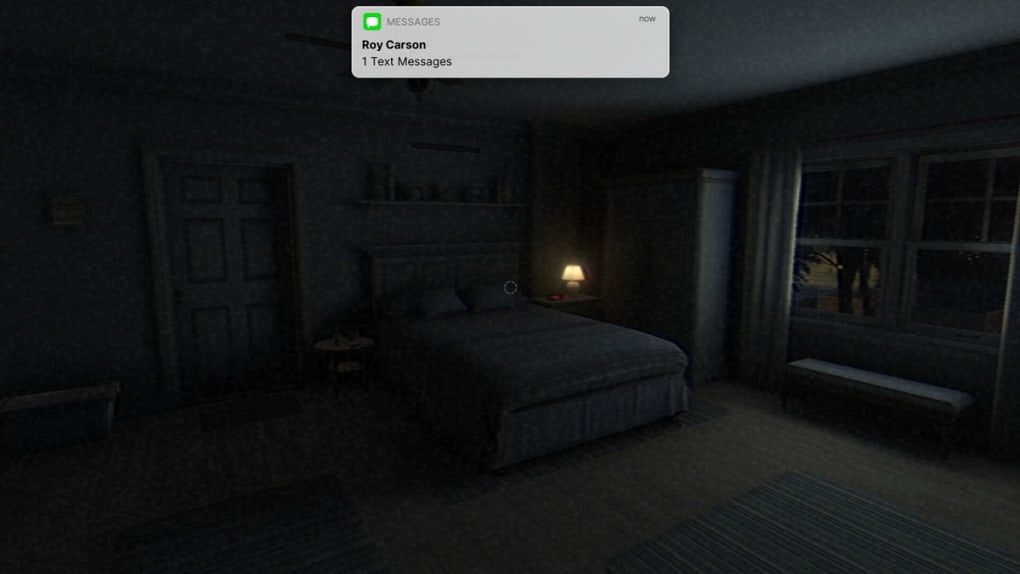
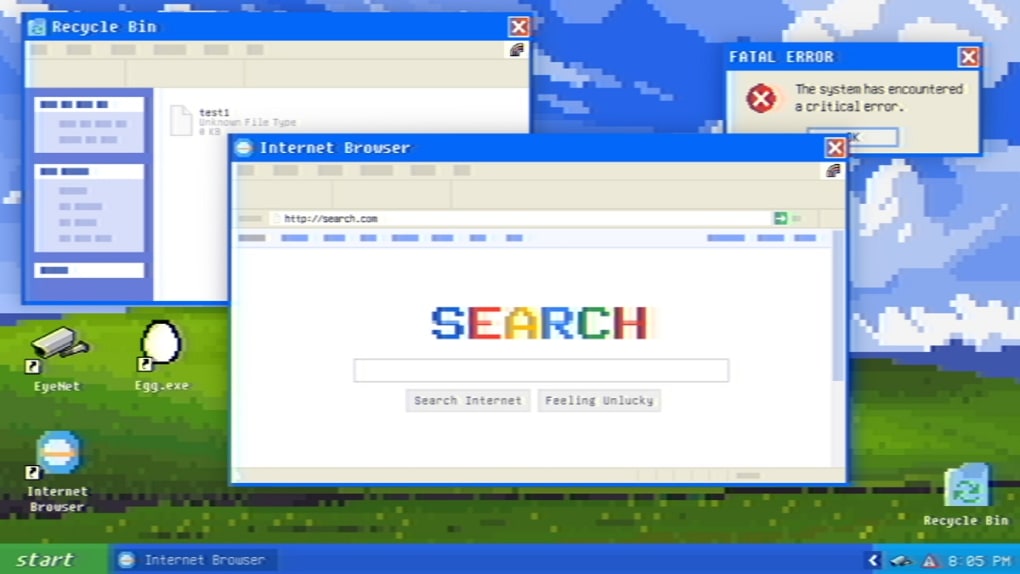
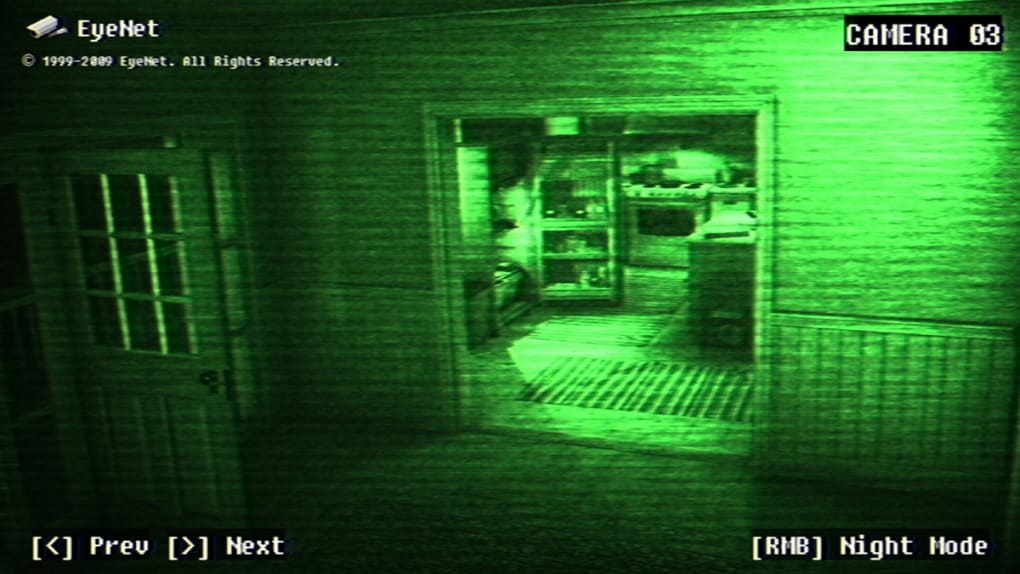
Fears to Fathom: Carson House stands out through its meticulous attention to detail in creating a genuinely immersive and terrifying environment. The game utilizes a unique visual style, presenting the world through a nostalgic 80s filter, adding a layer of unsettling familiarity to the already disturbing setting. This filter is consistently applied across various in-game elements, from the environments themselves to CCTV footage and the view through any gadgets Noah might use. This stylistic choice isn’t merely aesthetic; it contributes to the overall unsettling atmosphere, hinting at a bygone era where secrets and darkness could easily lurk unseen.
The game’s sound design is equally impressive, employing a rich soundscape that subtly shifts and intensifies depending on the player’s actions and proximity to danger. The background audio is meticulously placed, creating a truly enveloping environment that heightens the sense of isolation and vulnerability. Silence becomes a palpable entity, pregnant with the anticipation of the unknown. The unsettling soundtrack expertly underscores the rising tension, shifting from moments of quiet unease to bursts of dissonant chords that signal imminent threat. The carefully crafted soundscape transforms the game from a visual experience into a multi-sensory ordeal, intensifying the feeling of dread and suspense.
Interactive Gameplay: The User Microphone and Immersive Choices
What truly sets Carson House apart from other horror games is its innovative use of the player’s microphone. The game actively listens to your environment, tracking ambient noise and incorporating it into the gameplay. Making noise, even unintentionally, could attract the attention of the unseen assailant, raising the stakes and emphasizing the need for cautious gameplay. This element significantly increases the tension and realism, as the line between the player’s real-world actions and their in-game consequences becomes increasingly blurred.
The game’s mechanics further enhance the feeling of vulnerability. Players must rely on stealth and strategic hiding, reminiscent of classic horror films. The familiar act of concealing oneself in drawers or under beds becomes a crucial element of survival. The act of hiding, often symbolic of helplessness and fear in the face of a superior threat, transforms into a strategic necessity. These familiar, almost comforting hiding spaces become tense, anxious holding patterns as the player listens for the approaching footsteps of their unseen assailant.
Narrative and Story: A Short but Impactful Journey
While the game is praised for its immersive atmosphere and gameplay, the narrative itself is relatively brief. The story, centered around Noah’s house-sitting gig, provides a simple premise: a teenager alone in a large, seemingly empty house. However, this simplicity allows the developers to focus on building tension and suspense rather than complex plotlines. The story unfolds in a concise yet impactful manner, allowing for multiple playthroughs, encouraging players to explore different choices and outcomes. While this brevity might leave some players wanting more, it also allows for repeated play without repetitive experiences. The short playthrough is a crucial element of its intensity, providing a concentrated dose of fear and suspense without allowing the tension to dissipate.
The game offers two distinct endings, encouraging replayability. This replayability isn’t solely about experiencing different narrative paths; it’s about mastering the subtle mechanics of survival. Each playthrough presents a learning experience, as players attempt to navigate the environment and avoid detection with greater efficiency and stealth. The sense of what could have been done differently adds a psychological layer to the experience, encouraging careful evaluation and strategic consideration.
A Psychological Horror Masterpiece: Strengths and Weaknesses
Fears to Fathom: Carson House, despite its short playtime, offers a compelling and unforgettable experience. The strengths of the game lie in its flawless execution of atmospheric horror. The photorealistic visuals, filtered through the 80s aesthetic, create a uniquely unsettling atmosphere. The immersive audio design, combined with the interactive element of the microphone, significantly enhances the sense of immersion and dread. The integration of the player’s real-world environment into the gameplay adds a layer of unsettling realism rarely seen in other horror games.
However, the game’s limited length and relatively simple premise are its most prominent weaknesses. While the concise narrative allows for a focused and intense experience, some players might find it unsatisfying. The short playthrough time could feel limiting, especially when compared to more expansive horror games. The brief playtime also highlights the game’s slightly overextended premise. The core concept, while effective, feels spread thin across the game’s duration.
Conclusion: A Worthy Addition to the Fears to Fathom Series
Despite its shortcomings, Fears to Fathom: Carson House is a highly recommended addition to the Fears to Fathom series, especially for fans of psychological horror. Its immersive atmosphere, innovative use of the microphone, and the haunting visuals make it a uniquely terrifying experience. While the brevity of the game might disappoint some, the intensity and replayability it offers justify the purchase. It’s a perfect example of how a smaller, focused game can be far more effective in creating fear and suspense than its larger, more expansive counterparts. This is a testament to the power of atmospheric design and smart gameplay mechanics in driving truly effective horror. Manage your expectations regarding length, but don’t hesitate to experience this chilling and well-crafted psychological thriller. The haunting visuals and immersive sound design will stay with you long after the credits roll, solidifying its place as a standout title in the indie horror genre.
File Information
- License: “Full”
- Version: “varies-with-devices”
- Latest update: “November 7, 2023”
- Platform: “Windows”
- OS: “Windows 11”
- Language: “English”
- Downloads: “7.7K”


