
Step into the unsettling realm of psychological horror with Fears to Fathom: Norwood Hitchhike, an adventure horror video game that masterfully blends an eerie atmosphere with a narrative-driven plot. Developed by Rayll, this 3D indie title stands as the second chilling episode in the acclaimed Fears to Fathom series, inviting players to embark on a sinister journey through a strange and foreboding night. Building upon the foundational elements introduced in Fears to Fathom: Home Alone, Norwood Hitchhike expands the scope and depth, delivering a more intricate and expansive horror experience. With its distinctive photo-realistic graphics enhanced by unsettling VHS-style effects, the game immerses players in a deeply disturbing tale, presented as if recounting a harrowing online horror post from someone who endured the terror and lived to tell their chilling story. This episode promises a longer, more engaging, and ultimately more terrifying ordeal, encapsulating the essence of modern indie horror while paying homage to classic found-footage aesthetics.
A Terrifying Journey Through Norwood Valley: Holly Gardner’s Ordeal
At the heart of Fears to Fathom: Norwood Hitchhike lies the gripping and perilous story of Holly Gardner, a 19-year-old protagonist whose seemingly mundane routine of attending conventions and undertaking long interstate drives takes a sinister turn. Holly, like many young adults, navigates the open road alone, a choice that, despite its potential dangers, she frequently makes. It is on one such return journey from an event that her path diverges into the mysterious and unsettling Norwood Valley, setting the stage for a series of strange occurrences that ultimately compel her to seek refuge in a motel. This seemingly innocuous decision quickly unfolds into an ordeal of paranoia and dread, as Holly finds herself entangled in events far beyond her comprehension.
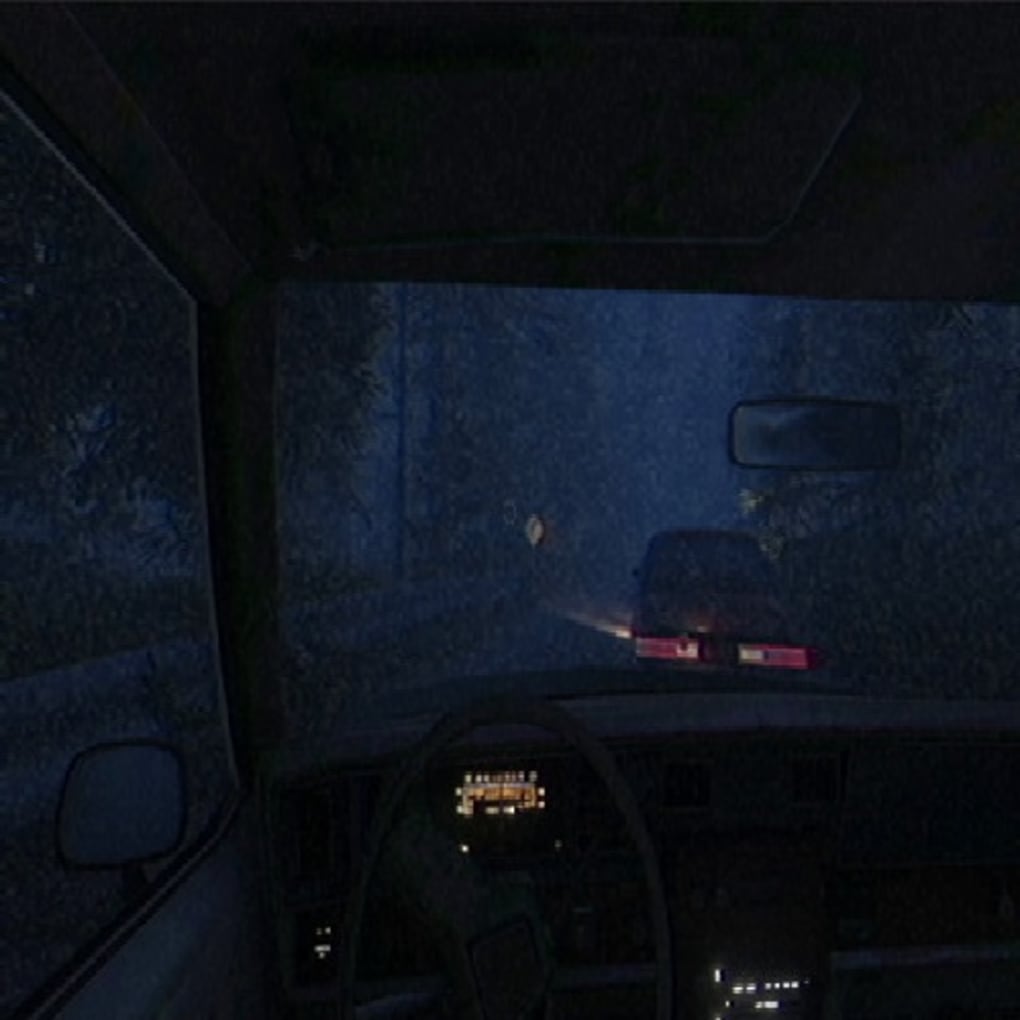
The game skillfully places players directly into Holly’s shoes, allowing for a degree of free exploration within the intricately designed environments. However, this freedom is carefully curated, as the narrative is meticulously driven by “narration text” that triggers upon reaching specific areas or performing certain actions. This unique storytelling mechanic ensures that players are always progressing through Holly’s chilling account, experiencing the story as it’s meant to be unveiled. The journey begins, quite literally, behind the wheel of Holly’s car, where the act of driving itself becomes a crucial gameplay element, immersing players in the isolation of the open road at night, a setting ripe for psychological torment. As Holly’s plight deepens, players also receive crucial “phone messages from NPCs,” characters who, though unseen or briefly encountered, add vital context to the unfolding backstory, deepening the sense of connection and urgency. These messages serve not only to advance the plot but also to build a pervasive atmosphere of unease and suspicion, constantly reminding Holly, and by extension the player, not to trust anybody.
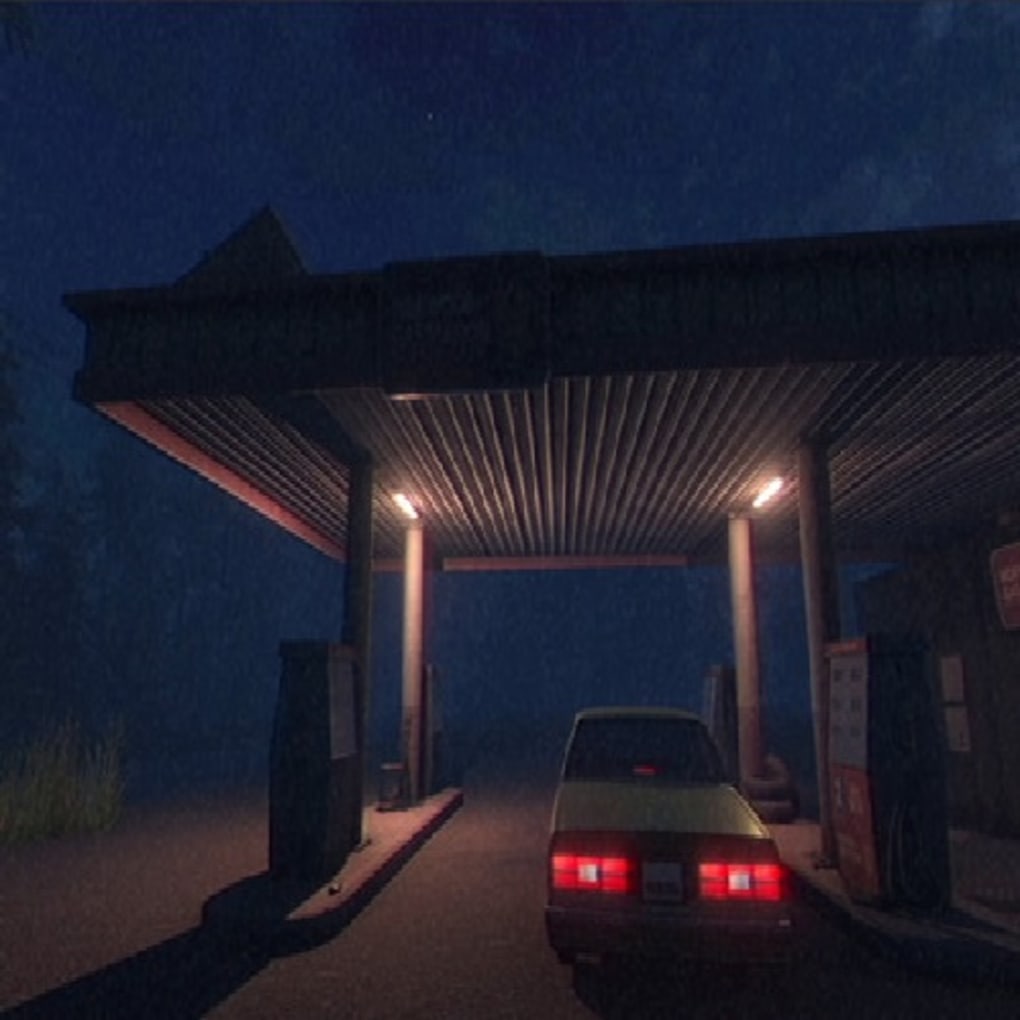
Compared to its predecessor, Fears to Fathom: Home Alone, this second episode significantly expands the gameplay experience. Where Home Alone offered a concise, introductory horror narrative, Norwood Hitchhike presents a much longer, more involved adventure. Holly’s story encompasses a broader array of “areas you can visit throughout your drive,” transforming the journey into a sprawling gauntlet of fear rather than a confined nightmare. Furthermore, the introduction of “NPCs you can actually talk to” marks a significant evolution, adding layers of interaction and potential danger that were less prominent in the first installment. This increased depth and complexity are reflected in the game’s shift from a free-to-play model to a paid experience, a change justified by the substantial additions to content, narrative intricacy, and overall production value. Players are invited to invest in a truly expansive horror narrative, one that promises a more prolonged and deeply disturbing exploration of fear.
However, a crucial aspect that players must note is the “no option to skip past parts you’ve played before as there’s no save system.” This design choice, while potentially enhancing the tension by making every decision and every moment feel irreversible, can also be a source of frustration. Should a player encounter a bug that causes them to get stuck, or simply wish to revisit a particular section, the absence of a save system necessitates restarting the entire episode, a considerable commitment given the game’s extended length. This feature, while sometimes employed deliberately in horror games to heighten stakes, here presents a significant practical challenge that players should be aware of before diving into Holly Gardner’s harrowing escapade through Norwood Valley. Despite this, the game’s overall quality and compelling narrative make it a worthwhile endeavor for those prepared for its unique challenges.
Immersive Atmosphere and Unique Presentation
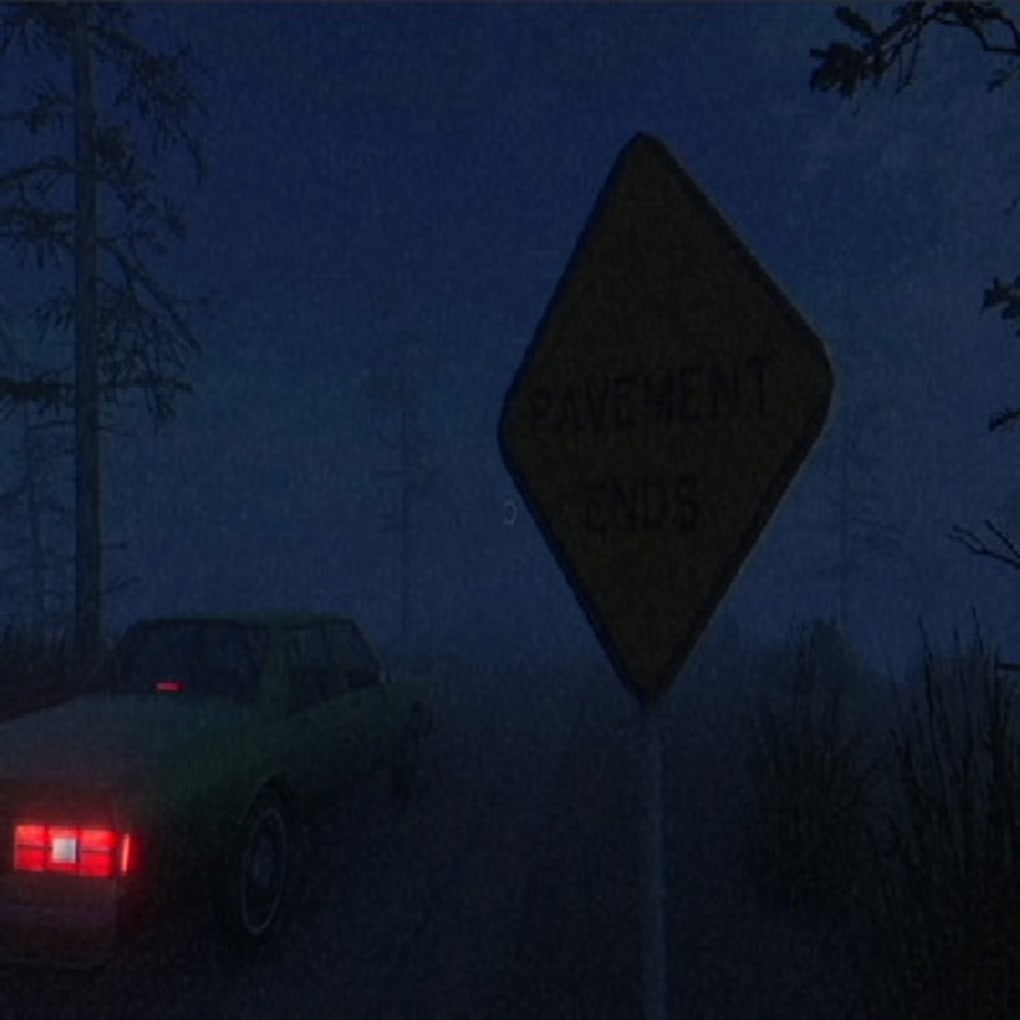
One of the most compelling aspects of Fears to Fathom: Norwood Hitchhike is its meticulously crafted atmosphere, which is brought to life through a distinctive and highly effective presentation style. The game employs “photo-realistic graphics,” a choice that grounds the horror in a believable and unnervingly familiar setting. Unlike stylized horror games that rely on abstract visuals, the realistic rendering of environments, characters, and objects makes the terrifying events feel more immediate and plausible. This attention to detail ensures that the mundane quickly transforms into the menacing, as players explore spaces that could easily exist in the real world, thus amplifying the psychological impact of the strange occurrences. The fidelity of the graphics draws players deeper into Holly’s predicament, blurring the lines between the game world and reality, a crucial element for effective psychological horror.
Complementing these realistic visuals are the evocative “VHS-style effects.” This retro aesthetic is not merely a stylistic choice but a powerful tool for enhancing the game’s horror elements. The subtle distortions, tracking lines, grain, and color degradation reminiscent of old VHS tapes instantly evoke a sense of found footage horror, a genre celebrated for its raw, unfiltered realism and unsettling intimacy. This visual filter creates an immediate feeling of dread and unease, suggesting that the player is viewing a discovered, perhaps forbidden, recording of terrifying events. The VHS aesthetic cleverly distorts the already realistic graphics, adding a layer of imperfection and decay that speaks to the fragility of reality and the vulnerability of the protagonist. It transports players back to a time when horror was often consumed through grainy tapes, tapping into a collective nostalgia for a more visceral and less polished form of fear. This blend of photo-realism with vintage degradation creates a unique visual identity that is both fresh and deeply familiar, enhancing the overall creepy atmosphere.
Beyond the visual presentation, Fears to Fathom: Norwood Hitchhike excels in cultivating its “atmospheric horror elements.” This is not a game that relies solely on jump scares, though unexpected frights may occur. Instead, it masterfully builds suspense through environmental storytelling and subtle cues. The oppressive darkness of the night, the vast emptiness of the interstate, and the uncanny silence broken only by unsettling ambient sounds contribute significantly to the player’s sense of isolation and vulnerability. Sound design plays a crucial role, with every creak, distant whisper, or sudden, inexplicable noise contributing to a growing sense of paranoia. Players are constantly kept on edge, aware that something is amiss, but unsure of its precise nature or origin. The game’s methodical pacing allows tension to simmer and build, forcing players to confront their own anxieties and fears. The narrative, presented as an “online horror post,” further blurs the line between fiction and reality, leading players to question the authenticity of what they are experiencing, fostering a pervasive sense of psychological discomfort. This intricate interplay of realistic visuals, retro effects, and expertly crafted atmospheric elements culminates in a truly immersive and terrifying psychological horror experience that lingers long after the game is over.
Standalone Narrative and the Save System Dilemma
One of the most user-friendly aspects of Fears to Fathom: Norwood Hitchhike is its design as a “standalone episode.” This means that newcomers to the Fears to Fathom series do not need to have played the previous installment, Fears to Fathom: Home Alone, to fully grasp or appreciate Holly Gardner’s terrifying ordeal. Each episode is conceived as a distinct and self-contained horror narrative, allowing players to dive directly into any story without feeling lost or missing crucial plot points. This approach democratizes access to the series, inviting a broader audience to experience Rayll’s unique brand of psychological horror without the commitment of playing through an entire saga. It emphasizes the anthology nature of Fears to Fathom, presenting a collection of chilling tales inspired by alleged real-life horror experiences, each offering its own unique flavor of dread. This accessibility ensures that Norwood Hitchhike can be enjoyed on its own merits, allowing its compelling story and atmospheric qualities to shine independently.
The game adheres to a “linear storyline,” a deliberate design choice that enhances the narrative’s focus and impact. In a linear narrative, the player is guided through a predetermined sequence of events, ensuring that the story unfolds exactly as the developer intended. This structure is particularly effective for horror games, as it allows for precise control over pacing, suspense building, and emotional beats. Every moment, every revelation, and every terrifying encounter is carefully placed to maximize its psychological effect. While some players might prefer open-world exploration, the linear path of Norwood Hitchhike ensures a tightly woven, cinematic experience that prioritizes storytelling above all else. It allows the player to fully immerse themselves in Holly’s perspective, experiencing the escalating dread and the unraveling mystery alongside her, without the distraction of extraneous choices that might detract from the core narrative tension.
However, the game presents a significant design decision that can be a double-edged sword for the player experience: the complete “no save system.” The absence of an option to save progress or skip previously played sections is explicitly stated as a feature, or rather, a lack thereof. On one hand, some horror games intentionally eschew save systems to heighten tension and make every decision feel irreversible, forcing players to truly live with the consequences of their actions and elevating the stakes of survival. In such contexts, the threat of losing significant progress can amplify the fear and pressure, turning every encounter into a high-stakes gamble. This can contribute to a more intense and immersive horror experience, as players are constantly aware that a mistake could mean restarting a considerable portion of the game.
On the other hand, the practical implications of “no save system” in Norwood Hitchhike are presented as a potential drawback. The description highlights that “this can be annoying if you’ve encountered a bug that gets you stuck.” In an era where game stability isn’t always perfect, the inability to save means that a technical glitch could force a complete restart of the entire episode, leading to immense player frustration and potentially detracting from the overall enjoyment. Even without bugs, the lengthy nature of Holly’s story means that players must commit to playing through significant portions, or even the entire game, in a single sitting. This can be impractical for many, limiting accessibility and potentially leading to burnout or abandonment if interruptions occur. While the lack of a save system might be an artistic choice intended to amplify dread, its practical downsides, particularly concerning potential bugs, position it as a notable limitation that players should consider before embarking on Holly Gardner’s unsettling journey.
Conclusion: A Worthwhile, If Unforgiving, Indie Horror Experience
In summation, Fears to Fathom: Norwood Hitchhike emerges as a compelling and atmospheric adventure horror game that solidifies its place as a “great sequel” within the burgeoning Fears to Fathom series. Rayll’s meticulous craftsmanship is evident in its ability to weave a captivating, narration-driven plot around the chilling experience of Holly Gardner, a journey that becomes progressively more disturbing as players delve deeper into the enigmatic Norwood Valley. The game’s strengths lie in its immersive presentation, characterized by “photo-realistic graphics with VHS-style effects” that create a uniquely unsettling visual identity, masterfully blending realism with retro dread. These visuals, coupled with expertly executed “atmospheric horror elements,” contribute to a pervasive sense of psychological discomfort and a truly creepy ambiance that is the hallmark of effective indie horror.
The accessibility of Norwood Hitchhike as a “standalone episode” is a significant advantage, ensuring that newcomers can jump directly into Holly’s story without needing prior knowledge of the series. Its “linear storyline” further guarantees a focused and impactful narrative experience, guiding players through a carefully constructed sequence of frights and revelations. While the game delivers a highly engaging and immersive horror experience, it is not without its caveats. The most prominent of these is the absence of a save system, a design choice that, while potentially intended to heighten tension, can lead to considerable frustration, especially if players encounter technical issues or simply cannot complete the extended gameplay in one sitting. This drawback is a noteworthy consideration, demanding a level of commitment from players that might not suit everyone.
Despite this singular, yet impactful, limitation, the overall quality and chilling allure of Fears to Fathom: Norwood Hitchhike make it a thoroughly “worthwhile” venture for enthusiasts of psychological horror and narrative-driven games. Its ability to create a palpable sense of dread, combined with a unique visual style and a captivating plot, ensures that Holly Gardner’s journey through Norwood Valley will linger in the minds of players long after the credits roll. For those prepared to embrace its unforgiving progression mechanics and immerse themselves fully in its chilling world, Fears to Fathom: Norwood Hitchhike offers an unforgettable and truly terrifying experience, proving that the simplest of journeys can become the most nightmarish. Available for download on Windows, this game, like other compelling titles found on PhanMemFree, offers a rich, atmospheric horror experience for those brave enough to undertake the drive.
File Information
- License: “Full”
- Version: “1.1.0”
- Latest update: “June 14, 2023”
- Platform: “Windows”
- OS: “Windows 8.1”
- Language: “English”
- Downloads: “16.1K”


