
FIFA 07, released in 2006, might seem ancient in the context of today’s hyper-realistic football simulations. Yet, for its time, it represented a significant leap forward in the franchise, introducing features and refinements that laid the groundwork for future FIFA titles. While its graphics have undeniably aged, the gameplay innovations and overall experience offer a fascinating glimpse into the evolution of virtual football. This article delves into the specifics of FIFA 07, examining its strengths, weaknesses, and lasting impact on the gaming world.
Gameplay and Engine Overhaul: A New Era of Realism
FIFA 07 marked a pivotal moment in the series’ history due to a complete overhaul of its game engine. This wasn’t merely a graphical update; it was a fundamental shift in how the game played. The AI controlling the players underwent significant improvement, leading to more realistic player movements, passing accuracy, and spatial awareness on the pitch. Players no longer felt like robotic automatons; their actions were more intuitive, mimicking the strategic decision-making and unpredictable nuances of real-world football. This enhanced AI impacted every aspect of the game, from the simple act of passing to the more complex strategic maneuvers required to outwit the opposition.
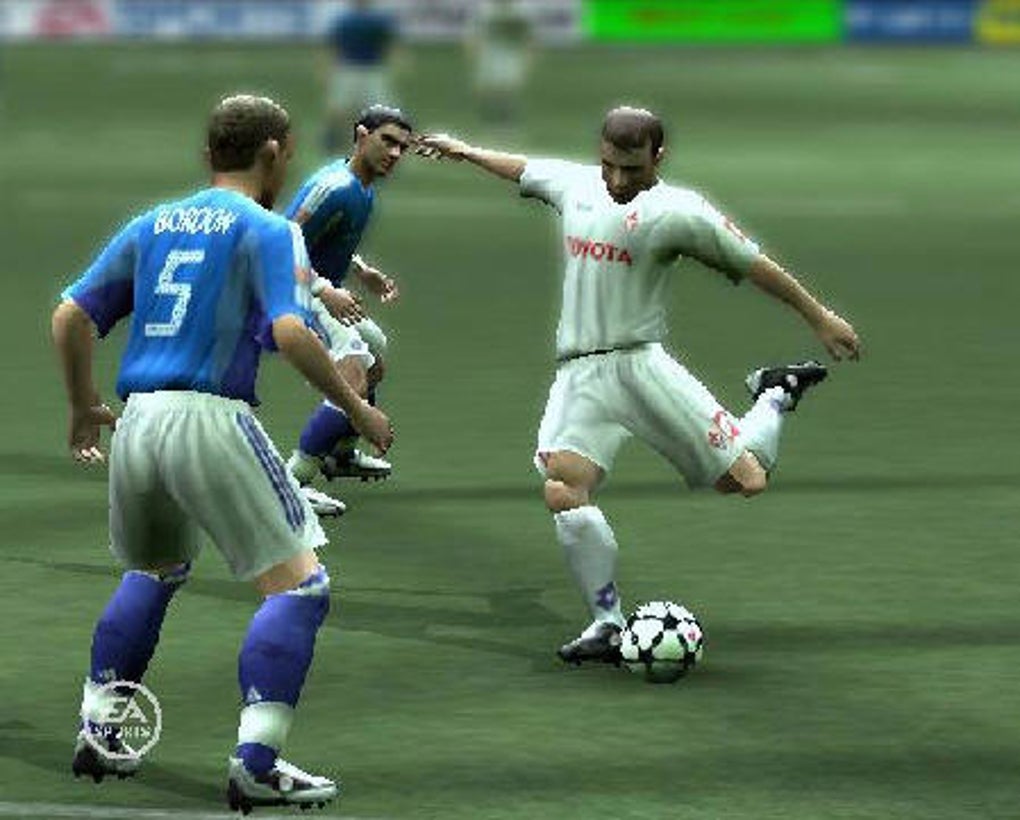
The improved AI wasn’t solely about individual player performance. It also affected team tactics and formations, creating a more dynamic and strategic gameplay experience. Teams behaved more realistically, adapting their approach based on the game situation and opponent. This realism extended to the players’ off-the-ball movement, with improved positioning and runs making for a more fluid and authentic style of play. This wasn’t just about making the game look pretty; it made the game feel closer to the actual sport.
Furthermore, the introduction of more refined player controls allowed for a greater degree of finesse and control. Players responded more accurately to user inputs, offering a more intuitive and responsive experience. This allowed players to execute intricate passing sequences, deft dribbling moves, and powerful shots with greater precision. The added level of control significantly enhanced the overall gameplay experience, allowing for a greater range of tactical approaches and play styles.
The game’s physics engine also saw improvements, leading to more realistic ball physics and player interactions. The way the ball reacted to different surfaces, the way players collided with each other, and the general flow of the game felt more natural and fluid. These subtle changes, though seemingly minor in isolation, contributed significantly to the game’s overall realism and immersive quality.
Manager Mode: A Taste of the Tactical Side
FIFA 07 included a manager mode, allowing players to step into the shoes of a football club manager. While not as extensive as those found in later iterations or standalone football management simulations, it provided a taste of the tactical challenges and complexities involved in running a club. Players could manage transfers, set wage budgets, and make key tactical decisions, shaping their team’s style of play and striving for success.
The manager mode offered a compelling alternative to just playing matches, enabling a deeper engagement with the game’s strategic elements. However, compared to later FIFA titles or dedicated management games, FIFA 07’s manager mode felt relatively limited. The depth of player interaction, tactical options, and the scope of managerial responsibilities were simplified, lacking the detailed financial management and intricate scouting networks found in more advanced football management sims. Nevertheless, it provided a satisfying introductory experience for those looking to explore the managerial side of the beautiful game.
The simplicity of the manager mode in FIFA 07, while limiting in terms of features, could also be seen as a positive aspect for some players. Its streamlined approach meant a more accessible experience, avoiding the steep learning curve that more complex management sims often present. This accessibility made the manager mode a valuable addition to the overall FIFA 07 package, widening its appeal to a broader range of players.
Sound and Visuals: A Product of Its Time
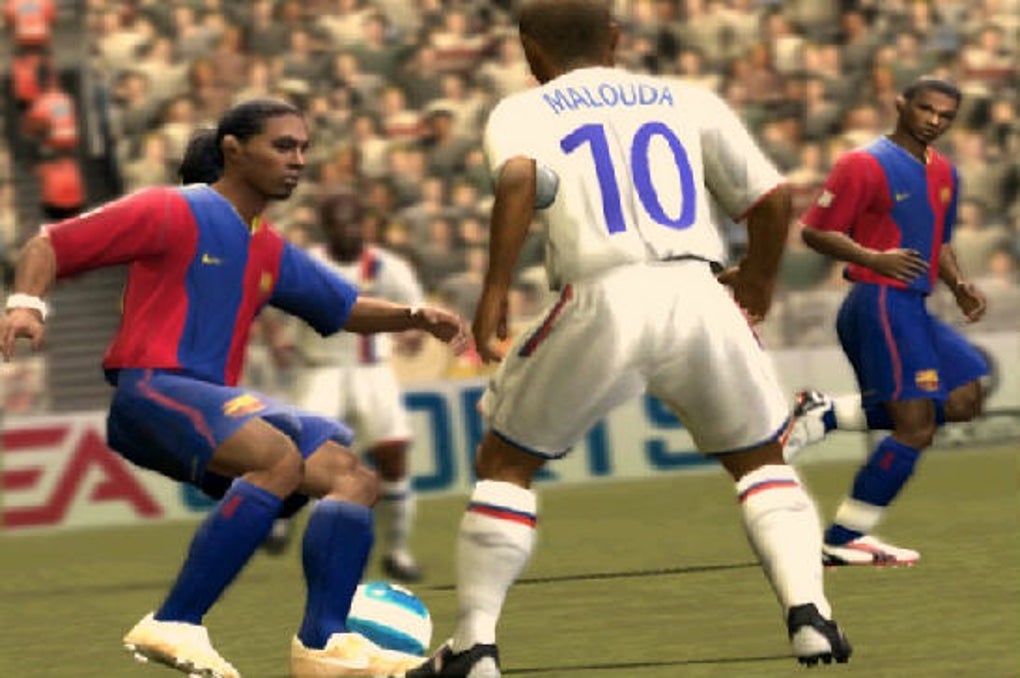
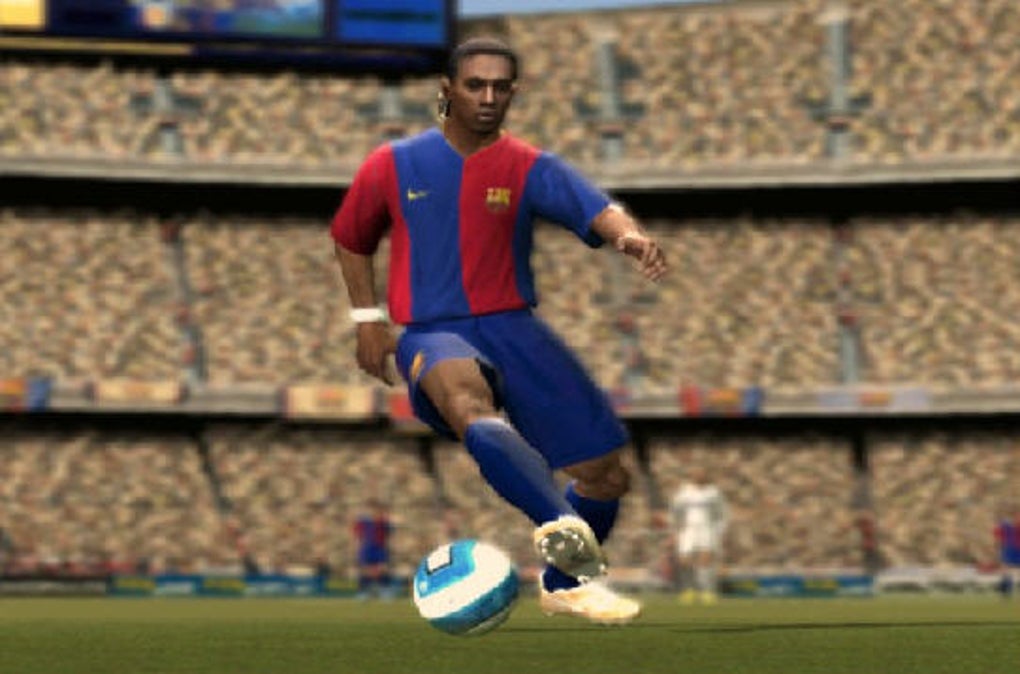
FIFA 07’s graphics, while impressive for its time, have inevitably aged. The player models, stadiums, and overall visuals are noticeably less detailed and realistic when compared to modern football games. Yet, the graphics served their purpose effectively within the context of the game’s release. The stadiums possessed a vibrant atmosphere, and the players, though not photorealistic, were distinguishable and expressive.
The sound design, however, stands out even by today’s standards. FIFA 07 featured significantly improved sound effects, including realistic crowd chants and fan songs. This immersive audio element enhanced the overall atmosphere and made matches feel more authentic. The roar of the crowd, the thuds of tackles, and the celebrations following goals created a more immersive and engaging experience. The game’s soundtrack also received praise, providing a fitting musical backdrop to the gameplay. This attention to detail in the sound design is a testament to the developers’ commitment to creating a fully immersive and believable footballing experience.
Online Mode and Licensed Content: A Game Changer
Perhaps the most significant contribution of FIFA 07 was the inclusion of a new online mode. This allowed players to compete against real-life opponents from around the world in the EA Sports Interactive Leagues. This addition brought a new dimension to the gameplay, offering a constantly evolving and competitive online experience. The ability to test one’s skills against others added a layer of unpredictability and excitement to the game, fostering a thriving online community.
Another key aspect of FIFA 07 was its extensive use of real-life player names and team licenses. Unlike some competitors, FIFA 07 boasted a vast roster of officially licensed players, teams, and leagues from around the globe. This realistic representation of the football world added a layer of authenticity that enhanced the immersion and enjoyment of the game. The inclusion of official player names and team kits made the game feel far more legitimate than its counterparts, significantly boosting its appeal to football fans.
Legacy and Conclusion: A Stepping Stone to Greatness
While FIFA 07 may not hold up to the visual standards of today’s games, its impact on the series cannot be overstated. The gameplay engine overhaul, refined controls, and enhanced AI created a more immersive and strategic experience, laying the foundation for the subsequent evolution of the FIFA series. The addition of an online mode and continued inclusion of licensed content cemented FIFA’s position as a dominant force in the football gaming market.
In conclusion, FIFA 07 stands as a testament to the continuous evolution of sports video games. While its graphics might be dated, its gameplay advancements and groundbreaking online mode offer a compelling look into the history of this influential franchise. It represented a crucial stepping stone in the journey toward the hyper-realistic and feature-rich FIFA games we enjoy today, setting the stage for the future success of the series. Its legacy lies not in its visual fidelity but in its significant contributions to gameplay mechanics and online connectivity, shaping the landscape of football video games for years to come.
File Information
- License: “Trial version”
- Version: “demo”
- Latest update: “January 24, 2025”
- Platform: “Windows”
- OS: “Windows 2000”
- Language: “English”
- Downloads: “2.1M”


