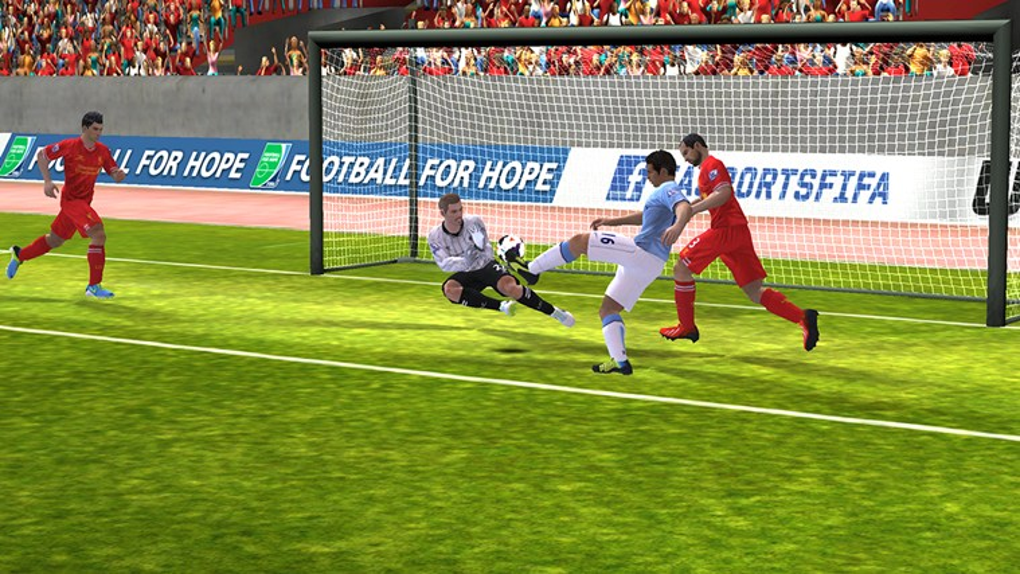
The original FIFA 14 for Windows 8, a freemium adaptation of the mobile version, is no longer available for download. This article explores the reasons for its unavailability, examines its features and limitations, and offers alternative options for those seeking a similar football gaming experience on Windows 10. The original release was a notable attempt to bring the FIFA experience to a wider audience through a free-to-play model, but its limitations compared to the full desktop version are significant.
The Rise and Fall of FIFA 14 on Windows 8
The release of FIFA 14 for Windows 8 represented a significant departure from previous iterations. Instead of a full-fledged port of the console or PC version, EA Sports opted for a freemium model tailored to touchscreen devices, adapting the game from its mobile counterparts (Android, iOS, and Windows Phone). This decision, while aiming to broaden access, ultimately resulted in compromises that impacted the overall quality and features.
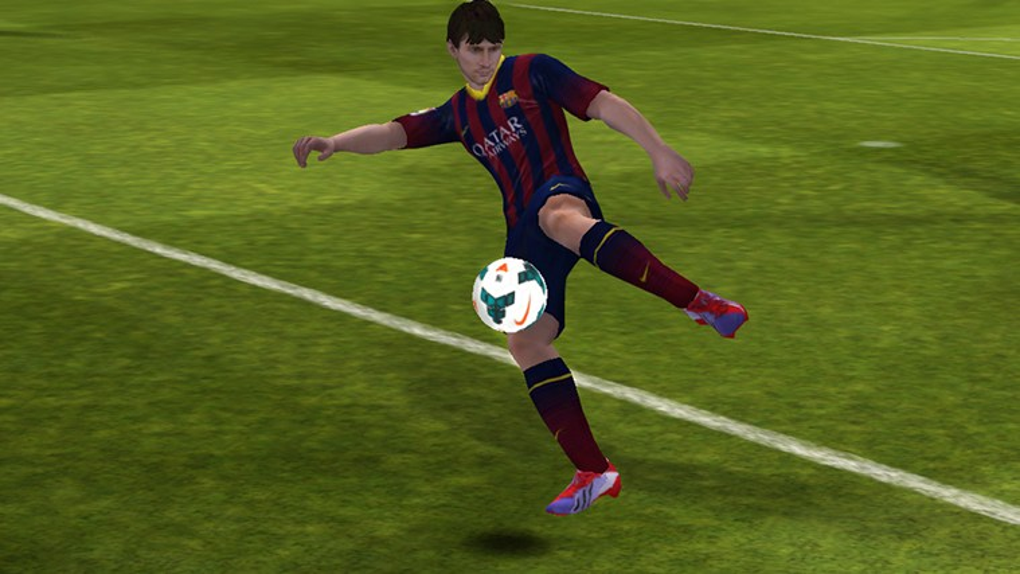
The Windows 8 version was fundamentally different from its desktop counterpart. While it retained some core elements of the FIFA gameplay, it was severely limited in several key aspects. The graphics, for example, were noticeably inferior to the console and PC versions, featuring a less detailed engine and slower animations. The gameplay itself felt less fluid and responsive, a common criticism of many mobile game adaptations.
Furthermore, the game’s structure was heavily reliant on microtransactions. While the core Ultimate Team mode was free to play, allowing players to build and manage their virtual teams through trading and upgrading players, access to other game modes, such as Manager Mode, Tournament Mode, and Quick Match, were gated behind in-app purchases. This approach, while common in the freemium model, alienated many dedicated FIFA fans accustomed to the complete package.
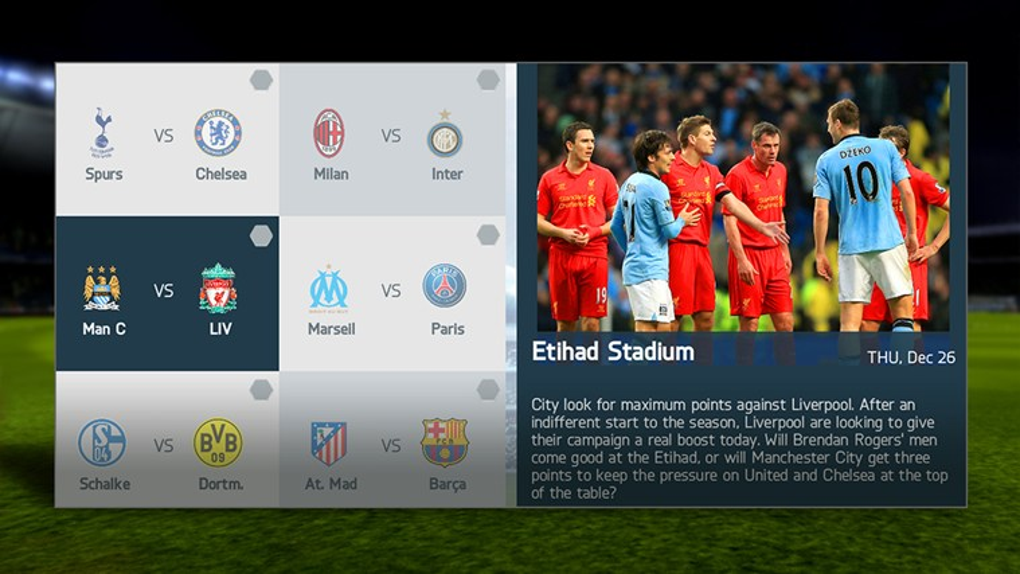
The Match Day feature, which dynamically updated player stats and team lineups based on real-world football events, was a positive element, providing a degree of realism. However, this couldn’t fully compensate for the limitations in gameplay and content. The focus on Ultimate Team, a mode often praised for its depth and long-term engagement, inadvertently highlighted the shortcomings of the other missing modes.
The control scheme represented another area of both innovation and compromise. While the touchscreen-based gesture controls were a novel approach, they weren’t universally welcomed. The game offered the option to switch to traditional mouse controls or a virtual gamepad, providing flexibility but potentially negating some of the advantages of a touchscreen-optimized experience. The virtual gamepad, despite being a familiar option for many, was still often preferred over the gesture controls for seasoned gamers.
While the soundtrack and menu interface were well-received, aspects like sound effects remained comparable to earlier releases, lacking significant improvement. The Spanish language commentary was lauded as a commendable addition, enhancing the immersive experience, but this improvement wasn’t enough to mask the fundamental differences from the flagship version.
Reasons for Unavailability
The reasons behind the removal of FIFA 14 for Windows 8 from the download platforms are unclear, but several factors could contribute:
-
Obsolescence: The Windows 8 operating system itself is outdated, and supporting an older game on newer Windows versions requires significant effort. EA may have deemed it cost-prohibitive to maintain compatibility.
-
Security Vulnerabilities: Older software is often more susceptible to security breaches. EA might have identified security vulnerabilities that made the game a risk to users.
-
Licensing Issues: The licensing agreements for teams, leagues, and players used in the game may have expired, rendering the game legally unviable for distribution.
-
Low Usage/Profitability: If the download numbers were insufficient to justify the maintenance and operational costs, EA may have chosen to discontinue the title.
-
Transition to Newer FIFA Versions: The focus shifted towards newer titles like FIFA 15 and beyond. Keeping older games accessible might detract from the marketing and sales of newer entries in the franchise.
Alternative Options for FIFA Fans on Windows 10
Given the unavailability of FIFA 14 for Windows 10, several alternative options exist for players seeking a similar football experience:
-
FIFA 15 Ultimate Team: While not the same as FIFA 14, this version shares the Ultimate Team mode, offering a similar build-and-manage experience, though with updated rosters and features.
-
FIFA 13 (Trial Version): A trial version of FIFA 13 provides a glimpse into the older game engine, allowing players to test the gameplay and compare it to more recent editions. This will not represent the full experience.
-
Other Football Simulators: Several other football simulation games are available, offering different gameplay styles, features, and experiences. Researching alternatives in the same genre could lead to finding a suitable replacement.
-
Emulation (Not Recommended): While emulators exist that might run older games, this is generally not supported by EA and may lead to technical issues, compatibility problems, and potential legal complications.
-
Purchasing the Full FIFA 14 PC Version (If Available): Depending on the availability in the used-game market, acquiring a full version of FIFA 14 (not the mobile port) could be an option, although it might require additional resources and compatibility work. This option remains limited due to the limited availability of the original version.
Evaluating the Windows 8 FIFA 14 Experience
While the free-to-play model of FIFA 14 for Windows 8 was laudable in its attempt to make the game more accessible, it fell short of expectations for several reasons:
-
Compromised Graphics and Gameplay: The adaptation from mobile significantly impacted the visual quality and the overall smoothness of the gameplay. The animations were noticeably slower and the response time was not on par with the desktop version.
-
Microtransaction Dependence: The excessive reliance on in-app purchases to unlock full game features alienated many players who were accustomed to the complete gaming experience offered by the full-priced versions.
-
Touchscreen Focus: While the gesture controls were innovative, they weren’t as comfortable or efficient for seasoned gamers as traditional mouse or gamepad controls. The transition between control methods was often disruptive.
Conclusion: A Legacy of Accessibility and Compromise
FIFA 14 for Windows 8 stands as a unique experiment in the FIFA franchise. While its freemium model aimed to expand accessibility, it highlights the challenges of adapting a complex game for different platforms without compromising its core qualities. The ultimate result was a version that appealed to a niche audience but couldn’t fully satisfy the expectations of dedicated FIFA fans or casual gamers seeking a high-quality experience. The unavailability of the download today serves as a reminder of the transient nature of digital content and the constant evolution of gaming technology. While its legacy is limited by its lack of ongoing accessibility, it still remains a significant example of a large studio attempting to approach a free-to-play model for a prominent gaming franchise. Players seeking a similar football experience today are best advised to consider the alternative options detailed above.