
FIFA Football 2005, a title released in 2005, represents a significant entry in the long-running FIFA franchise. While the game is no longer readily available for download due to various potential reasons, including obsolescence, security concerns, or removal from distribution channels, its legacy persists as a notable example of early-2000s football simulation games. This article explores its gameplay, graphics, and overall reception, placing it within the context of the broader FIFA series evolution.
Gameplay and Controls: A Simpler Time
FIFA Football 2005 is a sports simulator focusing on football (soccer). Players take control of a team, striving to lead them to championship glory. A defining feature of this iteration, highly praised by reviewers and players alike, is its approachable gameplay. The control scheme is relatively simple and intuitive, making it accessible even to casual gamers with limited experience in football simulators. This is a stark contrast to later FIFA titles, which progressively incorporated more complex controls and mechanics, often leading to a steeper learning curve. The game’s easy-to-grasp controls allowed players to quickly grasp the fundamentals and enjoy the experience without needing extensive tutorials or practice. The focus was on the fun of playing football, rather than mastering intricate control systems.
This straightforwardness was particularly appealing to casual players who didn’t want to invest significant time in learning complex controls. They could pick up a controller, kick the ball around, and enjoy the core gameplay loop without feeling overwhelmed by advanced techniques. While some seasoned gamers might have found the control scheme simplistic, it catered perfectly to a broader audience, widening the game’s appeal beyond hardcore football simulation enthusiasts. In essence, FIFA Football 2005 offered a delightful balance between accessibility and engaging gameplay, which is a notable aspect that distinguishes it from many of its successors.
While the controls were user-friendly, some users did report aspects that could be refined. The game’s “scythe movement” (referring likely to player animations and movement), was deemed by some as somewhat uncontrolled or imprecise. Additionally, some players noted that the ability to rapidly switch between players could be easily exploited to gain an unfair advantage, revealing a potential imbalance in the game’s mechanics. Yet, these flaws were arguably minor compared to the overall positive reception of the game’s accessibility.
Graphics and Player Rosters: A Product of its Time
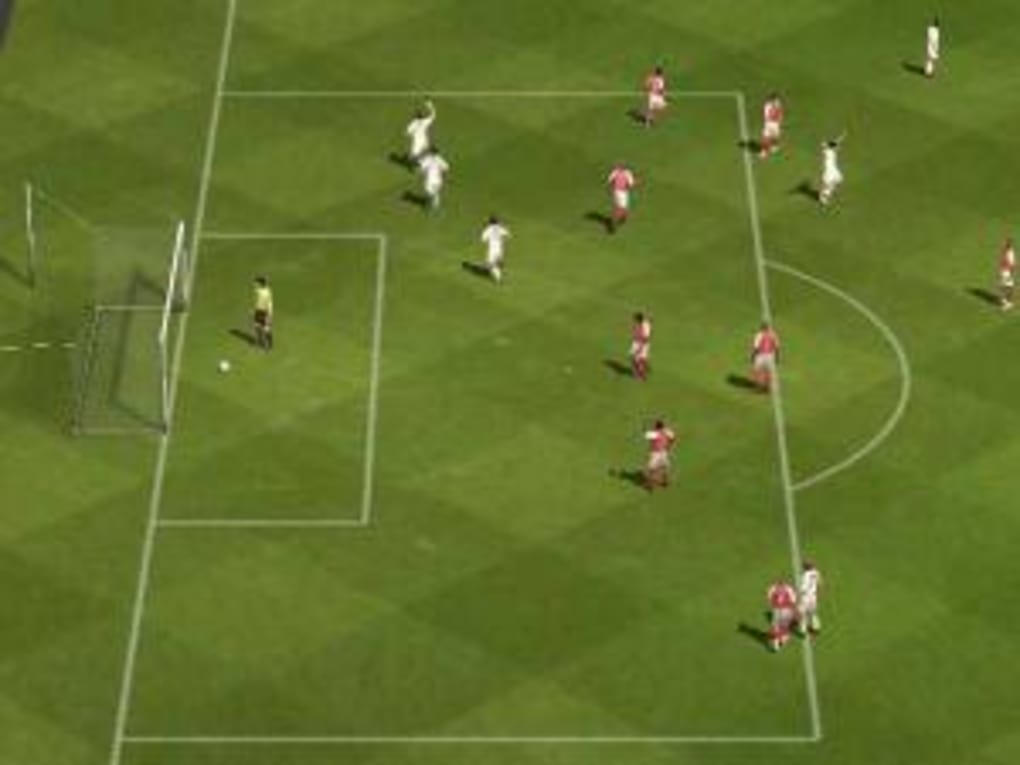
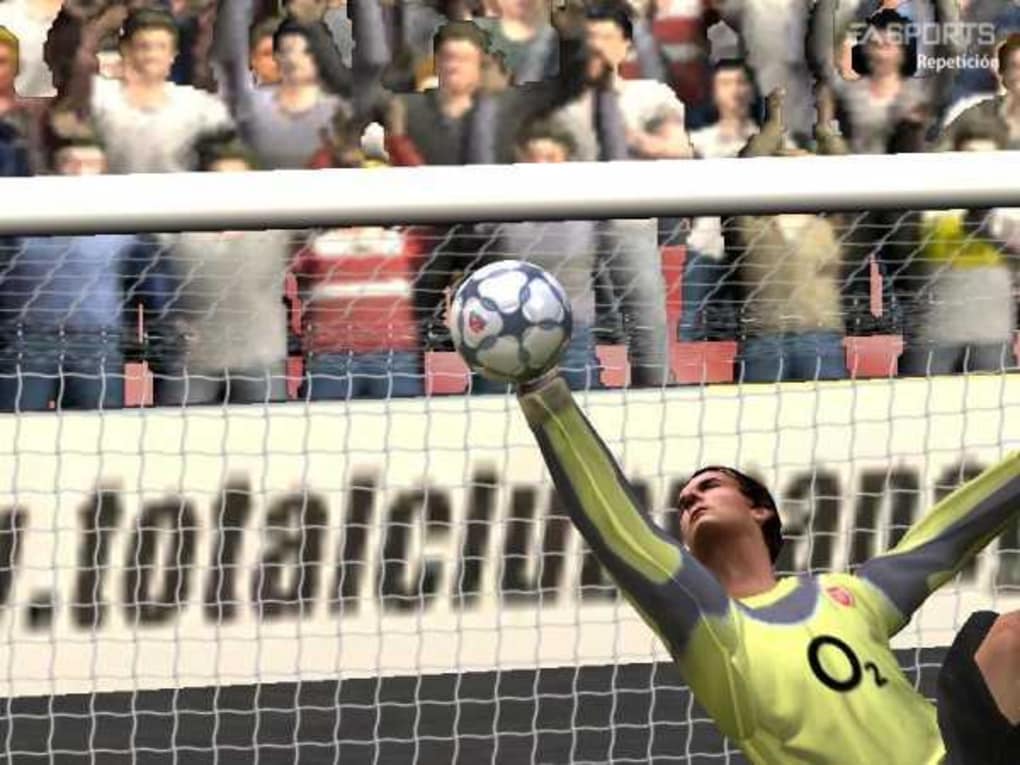
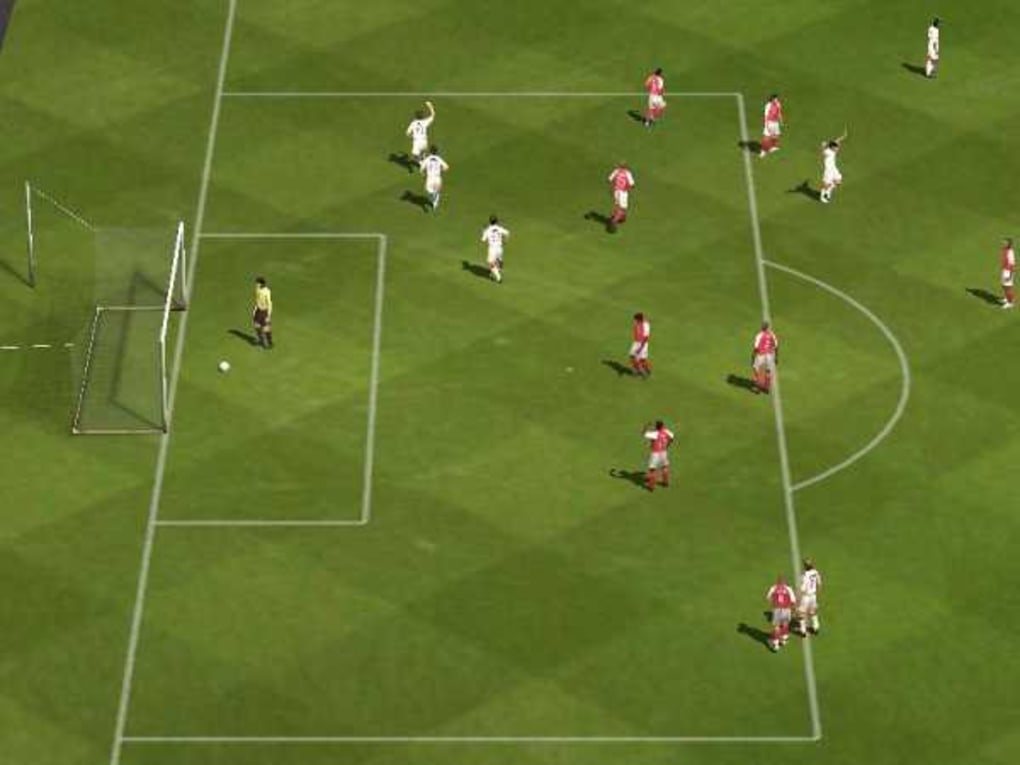
FIFA Football 2005’s graphics were undoubtedly a significant upgrade over its predecessors. The visuals were more detailed and lifelike compared to earlier FIFA titles, a testament to the advancement of game development technology during that period. However, it’s crucial to understand that these improvements were relative to its time. When compared to later entries in the series, or even contemporary games from other developers, the graphics show their age. Player models, while improved, lacked the fluidity and polished animations of later games; their movements appeared somewhat stiff and less natural. The character designs also showed noticeable jaggies and polygon counts lower than subsequent generations.
However, this is not to say the graphics were so primitive as to detract significantly from the gaming experience. The visual style of FIFA Football 2005 was still recognizably a football game, effectively conveying the feel of a football match. The graphics were sufficient enough to create an enjoyable visual experience, which is critical for a game centered around the visual spectacle of a football match. For many players, the nostalgic appeal of the game’s visual style might actually contribute to its charm.
The inclusion of well-known football players from 2005 provides another dimension to the game’s appeal. Fans who followed football during that era would have readily recognized many players featured in the game. This aspect further enhanced immersion and realism. Even for those unfamiliar with the players from that period, the recognition of some players who have since moved into TV presenting or reality shows may still evoke a sense of nostalgia.
Comparison to Later FIFA Titles and Pro Evolution Soccer
A key point of comparison for FIFA Football 2005 is with later FIFA titles and its main competitor of the time: the Pro Evolution Soccer (PES) series. Over time, the FIFA franchise, including the controls and the complexities of the gameplay, became more sophisticated. Later installments (e.g., FIFA 2008 and beyond) introduced more intricate control schemes and added a significant layer of strategic depth. This evolution, while welcomed by veteran gamers, was not always advantageous for casual players who appreciated the simpler gameplay of earlier titles like FIFA Football 2005. The increased complexity might create a barrier to entry for casual players, making it challenging for newcomers to quickly grasp the game’s mechanics.
This evolution also highlights the differences between FIFA and its competitor, PES. While FIFA has been characterized by its detailed licenses and player rosters, PES was often favored by players for its more realistic physics and gameplay mechanics. FIFA 2005’s balance between accessibility and its focus on licenses, unlike later FIFA iterations, meant a simpler, more accessible experience that catered to a wider player base. While the series’ evolution towards more complex controls can be considered progress, it’s interesting to compare it against the simplicity and straightforwardness of earlier installments such as FIFA Football 2005, which resonated with casual gamers.
User Reviews and Reception: A Mixed Bag
User reviews regarding FIFA Football 2005 showcase a variety of opinions. Some reviewers praised the game’s easy-to-learn controls and its lack of punishment for casual players, highlighting its accessibility. However, some critiques emerged, emphasizing that the arcade-like nature of the game could make it repetitive after many play sessions, particularly for users accustomed to more tactical, strategically deep football games. The ease with which rapid player switching could dictate matches and the slightly uncontrolled scythe movement were also frequently cited as areas for improvement.
Other criticisms directly compared FIFA 2005 to its competitor, Pro Evolution Soccer. Some reviewers asserted that while FIFA boasted superior licenses, the overall realism, game physics, and strategic depth were areas where PES excelled. Yet, for its time, FIFA Football 2005’s graphics represented a visible jump in quality and the user-friendly controls attracted a wide variety of players. This overall positive response, combined with the accessible controls, made the game a success in its own right. However, it’s critical to understand that some criticisms were valid, and some of the feedback reflects the limitations of the gaming technology and development techniques of the time.
Ultimately, the reception to FIFA Football 2005 was somewhat polarized. While casual gamers often appreciated its straightforward approach, more experienced players might have craved the advanced mechanics and strategic depth found in later titles or in competitors like PES. Nevertheless, its legacy lies in providing a fun, accessible football experience, representing a simpler, more easily digestible entry within the broader context of the FIFA series’ evolution. The game’s accessibility, especially for casual gamers, remains a key aspect that has significantly shaped its reception and legacy.


