
FIFA Mobile Soccer, once readily available, now stands as a testament to the evolving landscape of mobile gaming. While the original download is no longer accessible, its legacy continues to resonate, prompting a closer look at what made this title a unique entry in the FIFA franchise and the mobile gaming sphere. This review delves into the game’s features, strengths, weaknesses, and its lasting impact, comparing it to other iterations in the FIFA series and exploring its place within the broader mobile sports gaming market.
A Mobile-First Approach to Football Management and Gameplay
Unlike many console-to-mobile ports that often feel like afterthoughts, FIFA Mobile Soccer prioritized the mobile experience from its inception. This focus manifested in several key ways. Most significantly, the game boasted a remarkably small download size, often under 100MB, making it readily accessible even on devices with limited storage capacity or slower internet connections. This commitment to efficient design allowed for broader accessibility, a significant advantage in the mobile gaming world where storage space and data costs are critical factors for players.
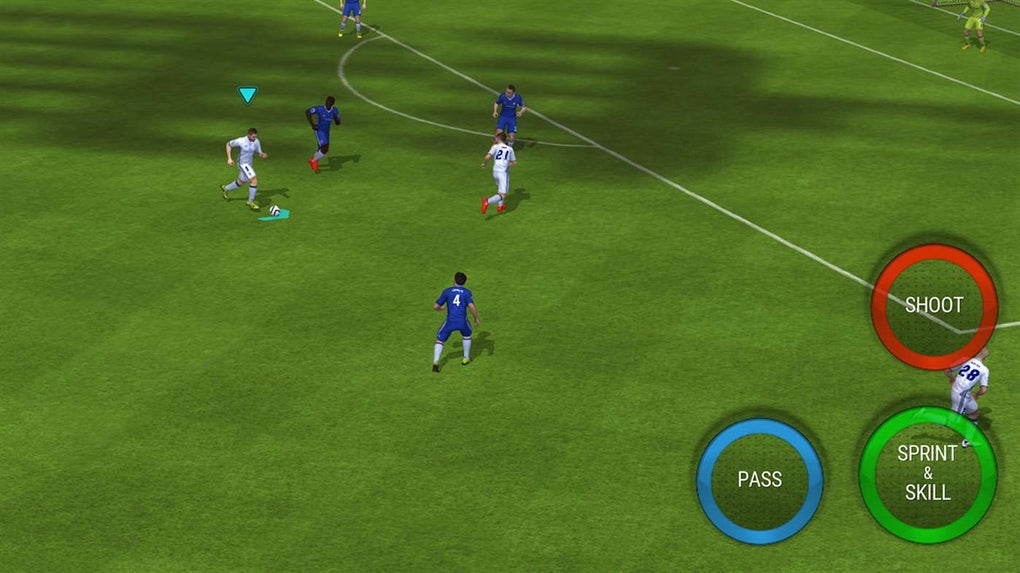
The game wasn’t merely a shrunk-down version of its console counterparts; it was designed for touchscreens from the ground up. While the controls might have required a learning curve for players accustomed to traditional console controllers, the intuitive touchscreen interface, once mastered, proved surprisingly effective for controlling players in attacking positions. This emphasis on simplified yet engaging gameplay mechanics made FIFA Mobile Soccer a captivating experience for casual players while offering a sufficient level of depth to engage more dedicated gamers. The developers cleverly selected the most mobile-friendly aspects of the full FIFA experience, delivering a streamlined yet satisfying football simulation.
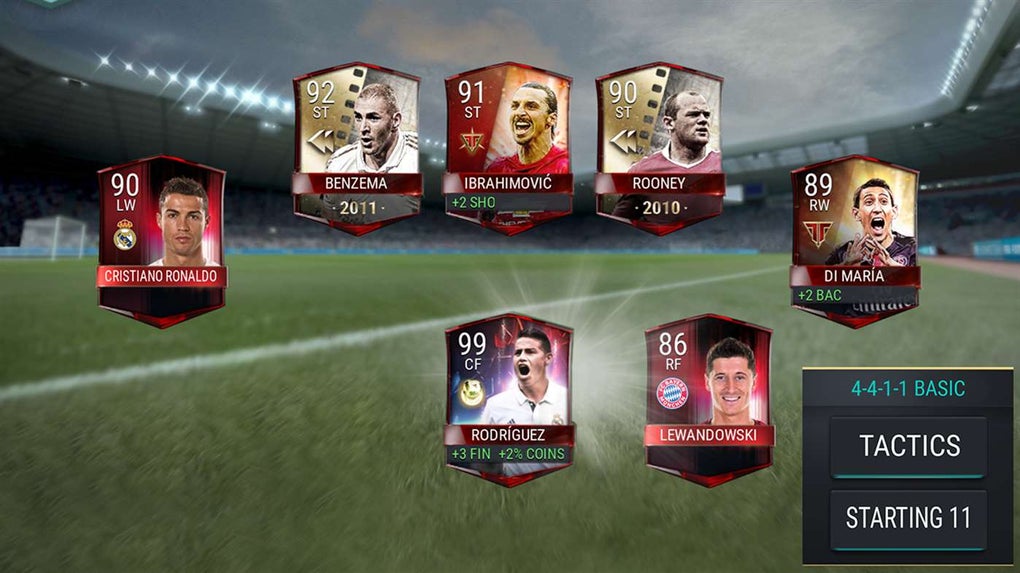
Furthermore, FIFA Mobile Soccer delivered a comprehensive football experience, incorporating many of the key features found in its console siblings. Players could build and manage their dream teams, selecting players from a roster of over 650 real teams and 30 leagues. This aspect went beyond simple team selection; players had the agency to develop strategies, implement tactics, and rotate their team composition, making tactical decision-making an integral part of the gameplay. The seamless integration of team management and on-field action elevated the game beyond a mere simulation, allowing for a richer and more involved gameplay experience.
Striking a Balance Between Depth and Accessibility
The success of FIFA Mobile Soccer lay in its ability to strike a delicate balance between depth and accessibility. The game’s streamlined mechanics made it easy for casual players to pick up and play without needing a steep learning curve. However, the strategic depth offered in team management and tactical choices kept seasoned gamers engaged. This dual appeal broadened the game’s reach, attracting both casual and hardcore players.
The competitive online leagues further enhanced the appeal of the game. These online features added a social dimension to the experience, fostering a sense of community among players and providing an extra layer of engagement beyond solo gameplay. The ability to compete against others, strategize, and collaborate in these leagues added long-term appeal, encouraging repeat play and reinforcing the game’s lasting impact.
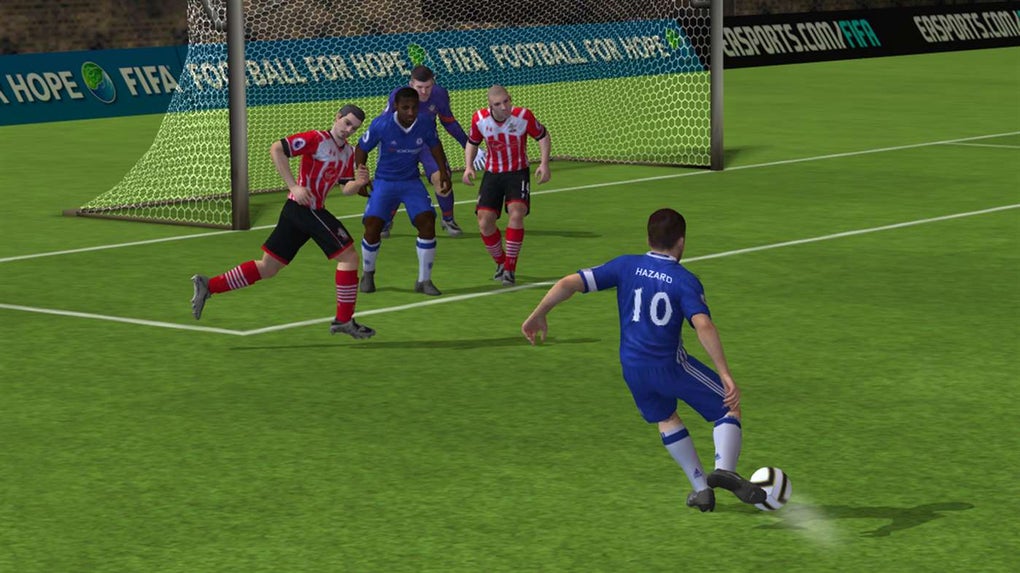
The game’s visual presentation also contributed significantly to its success. Despite its compact size, FIFA Mobile Soccer showcased impressive graphics, far exceeding expectations for a mobile title of its size. The quality of the visuals ensured an immersive and visually appealing experience, compensating for any limitations inherent in the mobile platform.
Limitations and Areas for Improvement
While FIFA Mobile Soccer had many strengths, it also presented certain limitations. The most frequently cited drawback was the reliance on a constant internet connection. This dependence on online connectivity limited offline play and could be frustrating for players with unreliable or limited internet access. The game’s reliance on persistent internet access restricted accessibility in areas with poor connectivity, hindering its potential to be a truly ubiquitous game.
Another aspect that drew criticism was the learning curve associated with the touchscreen controls. While intuitive once mastered, they initially presented a challenge for some players used to the precision of a gamepad. The need for practice and adaptation, while ultimately rewarding, presented a barrier to entry for players who preferred immediate accessibility.
FIFA Mobile Soccer in the Broader Context of Mobile Gaming
FIFA Mobile Soccer’s success stemmed from its astute understanding of the mobile gaming landscape. It wasn’t simply a port; it was a title conceived and optimized for mobile devices. Its small download size, accessible gameplay, and robust online features catered to the unique needs and expectations of mobile gamers. The game successfully integrated several aspects of the mainline FIFA games without compromising the fluidity and accessibility critical for mobile platforms.
Its strategic focus on mobile-first design proved remarkably effective in a market where mobile gaming was rapidly evolving. The game’s comparatively small file size, a considerable advantage in the context of limited storage space on mobile devices, was a key factor in its broad appeal. This commitment to optimization distinguishes it from many other mobile games that often struggle to balance the demands of high-quality graphics and small download sizes.
The game’s competitive online features were crucial in its longevity. By fostering a community and offering a competitive environment, FIFA Mobile Soccer maintained player engagement and created a vibrant player base. This social element proved invaluable, transforming a potentially solitary experience into an interactive social game. The combination of individual gameplay and cooperative team play greatly enhanced the player experience, showcasing a more nuanced and player-centric approach to game design.
The legacy of FIFA Mobile Soccer, while its download is no longer available, serves as a valuable case study in mobile game design. Its focus on optimization, streamlined gameplay, and robust online features provided an engaging and accessible football experience for millions. While certain limitations existed, the game’s strategic approach to mobile game development remains noteworthy, showcasing a significant step forward in the intersection of mobile technology and sports gaming. It served as a blueprint for subsequent mobile sports games, demonstrating how to adapt console-level experiences for a mobile audience without sacrificing depth or appeal.
File Information
- License: “Free”
- Version: “2.2.1.0”
- Latest update: “September 3, 2019”
- Platform: “Windows”
- OS: “Windows 10”
- Language: “English”
- Downloads: “68.7K”


