
In the sprawling tapestry of video game history, few titles hold as revered a status as Final Fantasy VII. Its original release in 1997 didn’t just define a generation of role-playing games; it transcended the medium, becoming a cultural touchstone that introduced millions to the complex narratives, unforgettable characters, and groundbreaking cinematic presentation that the genre was capable of. Fast forward to 2020, and Square Enix embarked on a monumental task: to reimagine this beloved classic for a new era, starting with Final Fantasy VII Remake. Now, three years later, the saga continues with Final Fantasy VII Rebirth, the eagerly anticipated second installment in what promises to be an epic trilogy. Far from a mere graphical update, Rebirth expands upon its predecessor’s foundations, taking players beyond the confines of Midgar into a vast, vibrant, and incredibly dangerous world. It’s a game that doesn’t just meet the soaring expectations of its dedicated fanbase but actively seeks to redefine them, delivering an experience that is at once deeply nostalgic and refreshingly new.
Final Fantasy VII Rebirth is a single-player role-playing game that continues the journey of Cloud Strife and his allies. As they step out of the shadows of the Shinra Electric Power Company’s oppressive city, they embark on a perilous odyssey across expansive landscapes, encountering new threats, forging new alliances, and unearthing truths that challenge their understanding of their world and themselves. The game builds upon the critical success of Remake by deepening its storytelling, refining its engaging gameplay mechanics, and pushing the boundaries of its already stunning visuals. This standalone entry manages to captivate both longtime fans, who relish the reimagining of cherished moments, and newcomers, who are drawn into a rich, fantastical world filled with intrigue and adventure. It’s a testament to the developers’ vision that Rebirth stands tall on its own merits while serving as an essential bridge in the grand narrative of the Final Fantasy VII remake saga.
The Grand Saga Continues: Beyond Midgar
The very premise of Final Fantasy VII Rebirth is a promise fulfilled: to explore the world outside of Midgar. The first part of the remake trilogy confined players to the grimy, dystopian megacity, meticulously detailing its districts, alleys, and the lives of its inhabitants. While Remake was a masterclass in world-building within a limited scope, Rebirth throws open the gates, inviting players to experience the vastness that the original game only hinted at in its early hours. As Cloud Strife, Tifa Lockhart, Aerith Gainsborough, Barret Wallace, and Red XIII, accompanied by the enigmatic Sephiroth’s growing shadow, leave the industrial sprawl behind, they step into a world brimming with life, beauty, and peril.
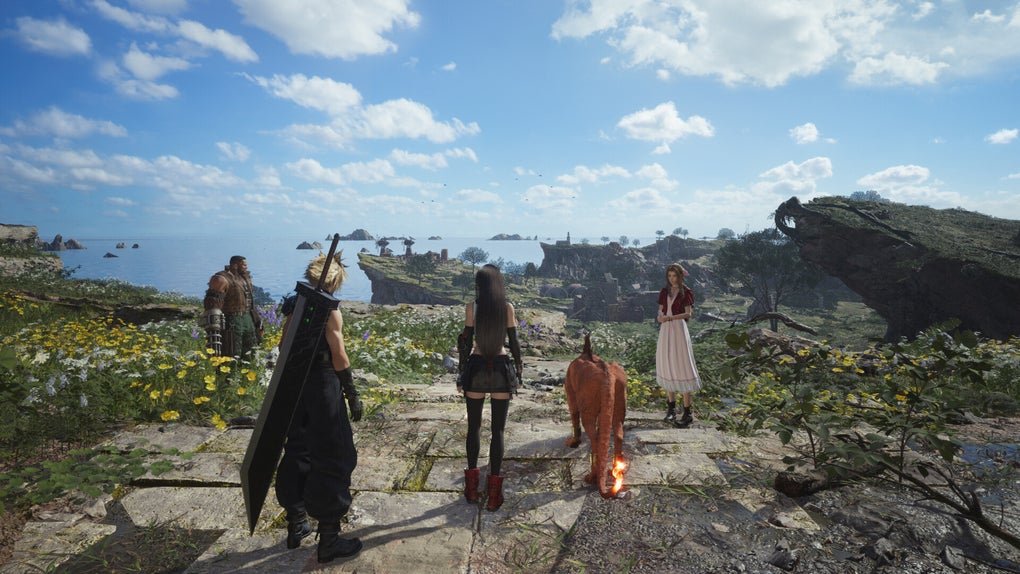
This transition from linear corridors to expansive regions is not just a change of scenery; it’s a fundamental shift in the game’s design philosophy. Players are given an unprecedented degree of freedom to explore, to decide their own path, and to uncover the myriad secrets hidden across the planet Gaia. From the verdant plains of the Grasslands to the sun-baked canyons of the Junon region, and later to the serene beaches of Costa del Sol and the ancient mysteries of the Corel Desert, each new area feels distinct and alive. The journey is punctuated by encounters with familiar faces and new adversaries, all while the overarching narrative of destiny, environmental degradation, and corporate malfeasance continues to unravel. The developers have managed to strike a delicate balance between honoring the original game’s iconic moments and introducing significant new twists and expansions that keep even the most veteran players on the edge of their seats. The narrative daringly delves into alternate timelines and multiversal possibilities, hinting at a larger, more complex tapestry than previously imagined. This bold approach ensures that Rebirth is not just a retread but a dynamic reinterpretation, offering fresh perspectives on beloved characters and pivotal events, fundamentally altering the perceived trajectory of the original saga.
A Vast and Dynamic World Awaits
One of Final Fantasy VII Rebirth’s most compelling features is its embrace of a truly open-world design, allowing players an unparalleled degree of freedom to explore a richly detailed environment teeming with mysteries and side quests. The decision to expand beyond Midgar was a massive undertaking, and the developers at Square Enix have taken full advantage of this newfound scope. The world is not just large; it is meticulously crafted, feeling less like a backdrop and more like a character in itself. The sense of scale is breathtaking, as players traverse vast fields, navigate winding canyons, and uncover hidden coves.
The freedom to move through these diverse landscapes is enhanced by iconic traversal methods. Riding chocobos across rolling hills and open plains is not merely a means of transport but an experience in itself, evoking a strong sense of adventure and nostalgia. These beloved feathery companions allow for swift movement and sometimes access to hidden areas, encouraging players to look beyond the obvious paths. Beyond chocobos, players utilize buggy-like vehicles and even a tiny submarine in later segments, each adding to the variety of exploration. Visiting iconic locations from the original Final Fantasy VII, such as the bustling port town of Junon, the sunny resort of Costa del Sol, or the haunting reactor town of Gongaga, is a delight, as each has been reimagined with stunning detail and expanded lore. Interacting with various factions, citizens, and local quest-givers adds immense depth to the journey, making the world feel truly lived-in. The side quests, often dubbed “Odd Jobs,” are far from generic fetch quests; many are mini-narratives in themselves, offering insights into the lives of the people impacted by Shinra’s presence and the burgeoning environmental crisis. They often feature humorous dialogue, unique challenges, and unexpected character development for both the main cast and the NPCs. The world is teeming with life, from wildlife to bustling towns, creating an immersive experience that truly feels like an adventure across a living planet, reacting and evolving with the player’s presence. This dynamic environment encourages curiosity, rewarding those who venture off the beaten path with valuable resources, powerful gear, and profound narrative insights that flesh out the overarching plot. The exploration system is interwoven with a robust regional progression, where players activate communication towers to reveal map segments, defeat elite enemies for combat experience, and unearth ancient protorelics that unlock intriguing side storylines, ensuring that every corner of the world holds a discovery.
Refined Combat: A Symphony of Strategy and Action
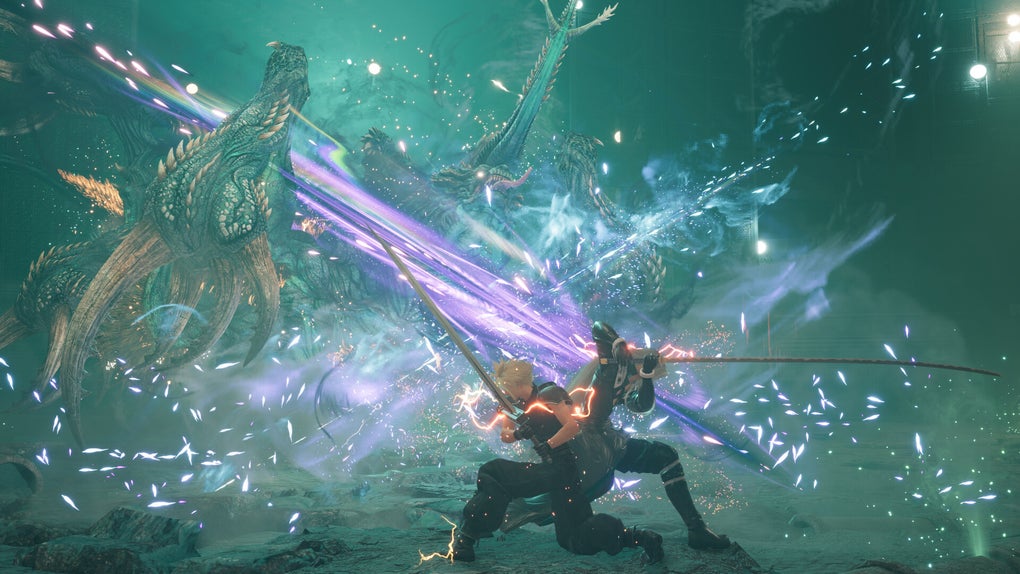
Building on the successes of Final Fantasy VII Remake, Final Fantasy VII Rebirth delivers a combat system that is a seamless blend of strategic command-based action and fast-paced real-time battles. This hybrid approach caters to a wide array of playstyles, offering the visceral thrill of hack-and-slash combat alongside the tactical depth that Final Fantasy fans have come to expect. Cloud and his companions each bring unique abilities to the fight, making every battle an exhilarating test of skill and teamwork. The real-time portion of combat allows players to freely switch between characters, dodging incoming attacks, launching combos, and positioning themselves strategically. However, the heart of the system lies in the ATB (Active Time Battle) gauge, which fills during real-time combat and allows players to pause the action to issue commands. This strategic layer enables the use of powerful abilities, magic spells, and item usage, transforming the battlefield into a dynamic puzzle where timing and resource management are crucial.
The inclusion of new enemies, intense boss fights, and dynamic team mechanics keeps encounters fresh and exciting. Rebirth introduces a host of new creatures and Shinra mechanical abominations, each requiring different strategies to overcome. Boss battles, in particular, are grand spectacles, often multi-phased encounters that test players’ mastery of the combat system, forcing them to adapt their tactics on the fly. These cinematic clashes are breathtaking, pushing the game’s graphical capabilities to their limits and immersing players in high-stakes confrontations. One of the most significant enhancements in Rebirth is the introduction of Synergy Skills and Synergy Abilities. Synergy Skills are powerful attacks that two characters can perform together instantly, consuming ATB charges but providing immediate utility, like increasing stagger potential or granting temporary buffs. Synergy Abilities, on the other hand, are ultimate attacks that require a dedicated gauge to fill, offering devastating damage or comprehensive support to the entire party. These mechanics emphasize the bond between the characters, not just narratively but also mechanically, encouraging players to experiment with different party compositions and find synergistic pairings that maximize their combat effectiveness. The materia system, allowing players to customize character abilities and spells, returns in full force, offering immense depth for character builds. Whether equipping offensive magic, defensive buffs, or healing spells, the materia system ensures that no two playthroughs or combat encounters feel exactly alike, demanding constant adaptation and strategic foresight.
An Emotionally Charged Narrative Unfolds
The narrative of Final Fantasy VII Rebirth deepens considerably, delving into the profound consequences of the first game’s events while introducing new twists that will leave even the most ardent fans questioning everything they thought they knew. The developers have taken a bold approach, expanding on the original story while subtly (and sometimes overtly) diverging from it, creating a sense of genuine unpredictability. This reimagining ensures that the emotional stakes are higher than ever, as players witness familiar scenes unfold in new ways and encounter brand-new narrative beats that add layers of complexity to the beloved saga.
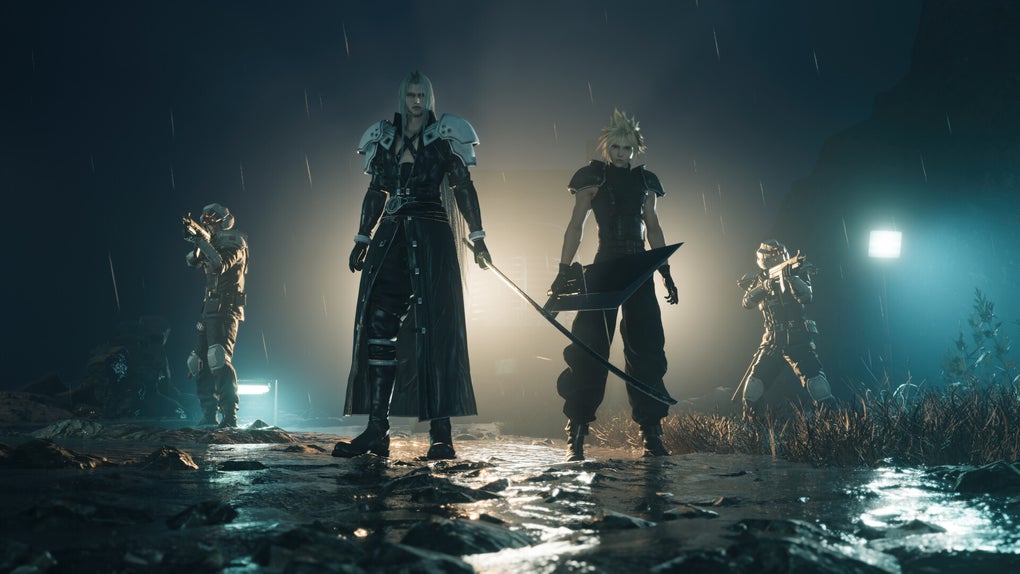
Sephiroth’s growing influence is a central pillar of Rebirth’s storyline. His presence is more pervasive and insidious than before, constantly looming over Cloud and his allies, manipulating events from the shadows. The game explores his motivations and connection to Cloud with greater depth, blurring the lines between hero and villain and questioning the very nature of their shared past. This intricate portrayal of the iconic antagonist makes him an even more formidable and psychologically unsettling presence. Perhaps the most significant and unexpected narrative addition is Zack Fair’s unexpected role. His storyline, which diverges significantly from the original game’s canon, adds an entirely new dimension to the overarching plot. It explores themes of alternative realities, fate, and defiance, raising profound questions about destiny and free will. Zack’s journey provides a parallel narrative that intertwines with Cloud’s in fascinating ways, offering glimpses into what might have been and what could still be. This parallel storytelling is handled with a remarkable delicacy, providing depth without overshadowing the main narrative.
The looming threats from the Shinra Electric Power Company remain ever-present, as their relentless pursuit of the party and their exploitation of the planet’s resources continue to drive much of the conflict. However, Rebirth also introduces other enigmatic forces and ancient evils, further expanding the lore and the scope of the dangers faced by Gaia. These new elements create a gripping and emotionally charged storyline that tackles themes of loss, hope, environmentalism, and the enduring power of friendship. The relationships between Cloud, Tifa, Aerith, Barret, and Red XIII are further developed, showcasing their vulnerabilities, strengths, and the deep bonds that unite them in the face of insurmountable odds. The narrative excels at evoking a wide range of emotions, from the thrill of adventure to moments of profound sadness and introspection. However, while this is a standalone entry in terms of its gameplay experience, newcomers to the Final Fantasy VII remake series might struggle to grasp the story’s complexities. The game assumes a certain level of familiarity with Remake’s events and its narrative deviations, as well as the original Final Fantasy VII’s lore. For those diving in blind, the intricate web of established relationships, past events, and newly introduced plot twists could be overwhelming. Yet, for those invested in the saga, Rebirth offers a masterfully woven narrative that challenges expectations and enriches the legendary tale, solidifying its place as a pivotal chapter in one of gaming’s most beloved stories.
A Modern RPG Masterpiece: Is It For You?
Final Fantasy VII Rebirth is more than just a sequel; it’s a masterful continuation and expansion of one of gaming’s most beloved stories. With its refined gameplay, breathtaking world, and emotionally charged narrative, it solidifies its place as a modern RPG masterpiece. The journey outside of Midgar is everything fans hoped for and more, offering a vast and dynamic world that feels alive and begs to be explored. From riding chocobos across open fields to uncovering secrets hidden in the world’s depths, the sense of adventure is palpable and continuous.
The game’s combat system is a highlight, evolving from Remake’s foundation into a truly exhilarating experience. The seamless blend of strategic command-based action and fast-paced real-time battles, coupled with the innovative Synergy Skills and Abilities, ensures that every encounter is engaging and demands strategic thinking. The introduction of new enemies and intense boss fights, each requiring unique approaches, keeps the combat fresh throughout the lengthy campaign. Beyond the mechanics, the narrative is an emotional rollercoaster, skillfully weaving familiar elements with bold new twists. Sephiroth’s menacing presence, Zack Fair’s unexpected role, and the deepening lore surrounding Shinra and other enigmatic forces ensure a gripping storyline that will resonate deeply with players. The character development for the entire party is exceptional, strengthening their bonds and making their plight all the more compelling.
Pros:
- Expansive Open-World Exploration: The sheer scale and detail of the world outside Midgar are astonishing, offering countless hours of exploration, discovery, and engagement with its diverse environments.
- Innovative Combat System: The perfect marriage of real-time action and strategic command-based mechanics, enhanced by Synergy Skills and Abilities, provides deep, satisfying, and visually spectacular battles.
- Rich and Emotionally Charged Narrative: A bold continuation of the Final Fantasy VII saga that expands lore, introduces compelling twists, and develops characters with immense depth and emotional resonance.
- Stunning Visuals and Sound Design: The game is a technical marvel, presenting breathtaking environments, detailed character models, and an unforgettable orchestral score.
- High Replayability and Content: Beyond the main story, there are numerous side quests, mini-games, and challenges that extend the game’s lifespan significantly.
Cons:
- Steep Learning Curve for New Players: While a standalone entry, the narrative’s complexities and deviations from the original story can be challenging for those unfamiliar with Final Fantasy VII Remake or the broader Final Fantasy VII lore. A quick recap feature or more introductory context might have softened this for newcomers.
- Pacing in Certain Sections: Given the expansive nature of the open world, some players might find the pacing occasionally fluctuates, with bursts of intense story progression interspersed with longer periods of exploration or side-questing.
Whether you’re a returning fan eager to see how this legendary tale evolves or a new adventurer looking for a truly epic role-playing experience, Final Fantasy VII Rebirth is a journey you won’t want to miss. It honors its legacy while boldly forging a new path, creating an unforgettable experience that will be discussed and celebrated for years to come. This title not only lives up to the immense hype but often exceeds it, establishing a new benchmark for narrative-driven RPGs in the modern era. The developers have managed to deliver a game that is both an homage and a revolutionary reimagining, a rare feat that few games achieve.
The critical reception has mirrored this sentiment, with many outlets praising its ambitious scope, engaging mechanics, and emotionally impactful storytelling. It stands as a testament to Square Enix’s commitment to delivering a high-quality, unforgettable experience for fans old and new. The wait for the final installment of this trilogy will undoubtedly be agonizing, but Final Fantasy VII Rebirth provides such a rich and fulfilling experience that it will keep players engaged and speculating about the future for a long time. It is a defining title for its generation, and a powerful statement on the enduring appeal and adaptability of classic narratives in the modern gaming landscape. This is not just a game; it is an event, a continuation of a legend, and a must-play for anyone who appreciates the artistry and ambition of the RPG genre.
Final Fantasy VII Rebirth for Windows is available as a paid download, offering the full, complete experience on PC. It was last updated on February 26, 2025, and supports Windows 10 in English and several other languages. Its developer, Square Enix, is renowned for its vast catalog of quality titles. According to PhanMemFree, the game holds a high user rating, underscoring its widespread appeal and quality. For more information or to download the game, users can visit Phanmemfree.org.
File Information
- License: “Full”
- Version: “varies-with-devices”
- Latest update: “February 26, 2025”
- Platform: “Windows”
- OS: “Windows 10”
- Language: “English”
- Downloads: “458”


