
Firemin is a free web browser for Windows, developed by Rizonesoft. While it may not be a household name like Chrome or Firefox, it offers a unique proposition for users seeking a lightweight and potentially customizable browsing experience. This review delves into the features, performance, security aspects, and overall user experience of Firemin, providing a comprehensive assessment of its capabilities and limitations. The information presented here is based on publicly available data and user reviews, as direct testing of the software for this review was unavailable.
Firemin’s Core Functionality and Features
Firemin’s primary function is to provide a platform for accessing and navigating the internet. As a browser, it handles essential tasks like loading web pages, managing tabs, handling bookmarks, and supporting basic browsing functionalities. However, detailed information regarding its specific features beyond these core functions is limited in publicly available resources. Further investigation into its unique selling points and advanced options requires direct interaction with the software. The absence of readily available comprehensive documentation makes it challenging to definitively assess the extent of its functionality. User reviews, a crucial source of information, are currently scarce, hindering a full understanding of its unique capabilities.
The stated availability of Firemin in both English and Italian suggests an effort to cater to a broader audience. However, the limited language support compared to major browsers indicates a potentially smaller user base and perhaps less extensive development resources. This should be a consideration for users who need a browser with a wider array of language options.
Performance and Resource Usage
Firemin boasts a relatively small download size (3.22 MB), suggesting a lightweight design. This characteristic is attractive to users with older or less powerful machines, where resource-intensive browsers can significantly impact performance. However, the actual performance of the browser in terms of speed, responsiveness, and resource consumption (CPU and RAM usage) requires empirical testing. Without direct performance benchmarks, claims about its efficiency remain unsubstantiated. The limited user feedback makes it impossible to assess whether it performs as a lightweight browser in practice. A comparison with other lightweight browsers would provide valuable insights.
Security and Privacy Considerations
The security and privacy features of Firemin are not explicitly detailed in the available information. The absence of clear information about security protocols, privacy policies, or data handling practices raises concerns for security-conscious users. Modern browsers often incorporate robust security measures such as built-in ad blockers, anti-tracking features, and secure browsing protocols. The lack of detail regarding these aspects makes it difficult to determine Firemin’s overall security standing and whether it meets modern standards. Given the importance of online security, potential users should approach Firemin with caution until its security features are thoroughly investigated and documented.
User Interface and User Experience
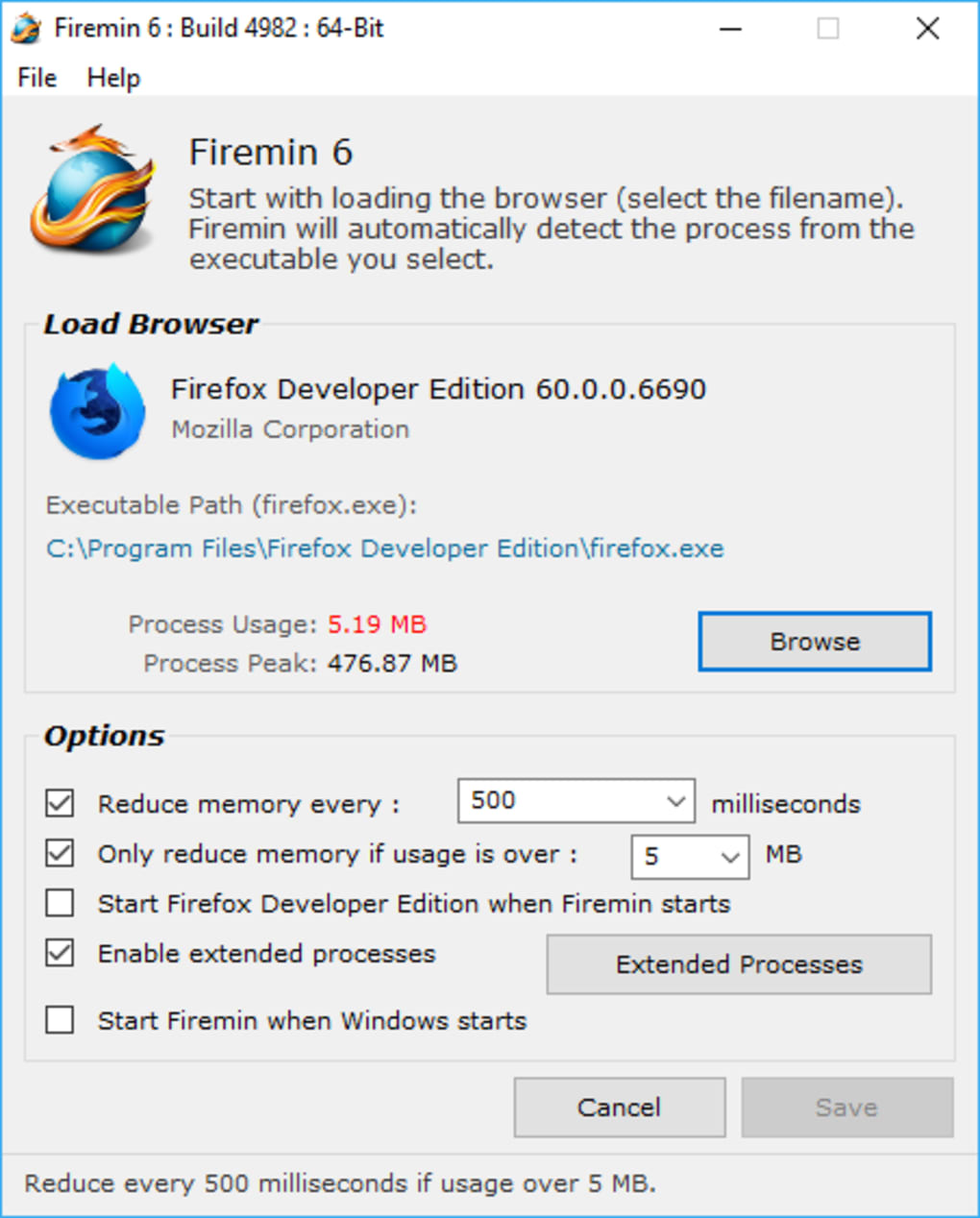
The user interface (UI) of Firemin is unknown based on available information. A user-friendly interface is crucial for a positive user experience, and the absence of screenshots or descriptions of the UI makes it impossible to assess its intuitiveness and ease of navigation. Modern web browsers often invest significant resources into UI design, ensuring a seamless and efficient browsing experience. Without details on Firemin’s UI, potential users cannot determine if it provides a comparable experience.
Comparison with Other Browsers
Firemin exists in a crowded market dominated by established browsers like Chrome, Firefox, Edge, and Safari. These established browsers offer a wealth of features, extensions, and a large user base. Compared to these giants, Firemin appears significantly less feature-rich and lacks the extensive community support and resources available to users of more popular alternatives. While Firemin’s lightweight nature might appeal to some users, the trade-off in terms of features and community support needs to be carefully weighed. The choice between Firemin and established browsers is largely dependent on individual needs and priorities. A direct comparison based on speed, security, and resource usage would be necessary to fully understand its competitive position in the browser market.
Firemin’s Target Audience and Potential Use Cases
Given its limited features and lack of widespread adoption, Firemin’s target audience is likely to be a niche group. Its small size and supposedly low resource consumption might appeal to users with older computers or those operating under limited bandwidth conditions. It may also attract users who prioritize simplicity and a minimalist browsing experience, avoiding the complexities and potential bloat of more established browsers. However, the lack of information on its customization options makes it challenging to determine whether it suits advanced users who might require a highly configurable web browser. Users seeking a simple and efficient browser for basic internet tasks are likely the most suitable target audience for Firemin.
Potential Advantages and Disadvantages
Potential Advantages:
- Lightweight: Its small size suggests minimal resource consumption, making it potentially suitable for older or less powerful computers.
- Simplicity: The potential absence of many features might appeal to users who prefer a minimalist and straightforward browsing experience.
- Free: Firemin is a free-to-use browser, eliminating the cost barrier of subscription-based or paid alternatives.
Potential Disadvantages:
- Limited Features: Compared to major browsers, Firemin might lack many advanced features, extensions, and customization options.
- Lack of Documentation: The absence of comprehensive documentation and detailed feature lists limits its transparency and usability for potential users.
- Security Concerns: The lack of explicit information on security features raises concerns about its security protocols and privacy practices.
- Small User Base: The limited user base reduces the availability of community support and user reviews, making troubleshooting and assistance potentially more difficult.
- Limited Language Support: Compared to mainstream browsers, the relatively limited language support might exclude a significant portion of potential users.
Conclusion: Firemin’s Place in the Browser Landscape
Firemin presents itself as a lightweight, free alternative in the crowded browser market. However, the significant lack of readily available information regarding its features, security, performance, and user interface severely limits its appeal. While the small download size is a potential advantage for users with limited resources, the potential trade-offs in terms of features, security, and community support are considerable. Until more information becomes available, particularly concerning security and performance, Firemin remains a relatively unknown and untested option, making it a risky choice compared to established and well-documented alternatives. A more thorough evaluation requires direct usage and testing to definitively assess its strengths and weaknesses. Further development and transparency from the developers would significantly enhance the credibility and attractiveness of Firemin.
File Information
- License: “Free”
- Latest update: “May 23, 2023”
- Platform: “Windows”
- OS: “Windows 7”
- Language: “English”
- Downloads: “2K”
- Size: “3.22 MB”


