
Five Nights at Freddy’s 3 (FNAF 3) plunges players into a terrifying experience within the decaying husk of a long-abandoned amusement park, Fazbear’s Fright: The Horror Attraction. Thirty years after the events of the previous games, the remnants of Freddy Fazbear’s Pizza haunt the night shift security guard in this chilling installment of the popular horror franchise. This in-depth analysis explores the game’s narrative, gameplay mechanics, strengths, weaknesses, and overall impact on the Five Nights at Freddy’s legacy.
The Story: A Haunted Legacy
FNAF 3 isn’t a direct sequel in the traditional sense; it’s more of a haunting epilogue, revisiting the horrors of the past through the lens of a dilapidated attraction built around the infamous animatronics. The game picks up decades after the closure of Freddy Fazbear’s Pizza, drawing heavily on the lore established in the first two games. The events of the previous installments serve as a prequel, explaining the origins of the fear that now grips Fazbear’s Fright.
The player assumes the role of the night security guard, tasked with monitoring the seemingly derelict amusement park. The park itself, however, is far from empty. The animatronics, or rather, their spectral remnants, are the main antagonists, manifesting as terrifying hallucinations and jump scares within the dilapidated environment. The legend of the animatronics’ vengeful spirits fuels the atmosphere, transforming the night shift into a fight for survival against unseen terrors. The game cleverly uses this narrative structure, relying less on a clear linear story and more on the unsettling atmosphere and cryptic clues scattered throughout the environment to create a unique and unsettling experience.
The central antagonist, Springtrap – the decaying, skeletal remains of the notorious William Afton – is a constant source of dread, his presence felt throughout the night. Unlike the previous games, which feature multiple animatronic antagonists, FNAF 3 focuses on Springtrap’s relentless pursuit, creating a different but equally intense feeling of fear. The player isn’t merely trying to survive encounters with multiple enemies; they are facing down a single, persistent threat that grows increasingly aggressive as the night progresses.
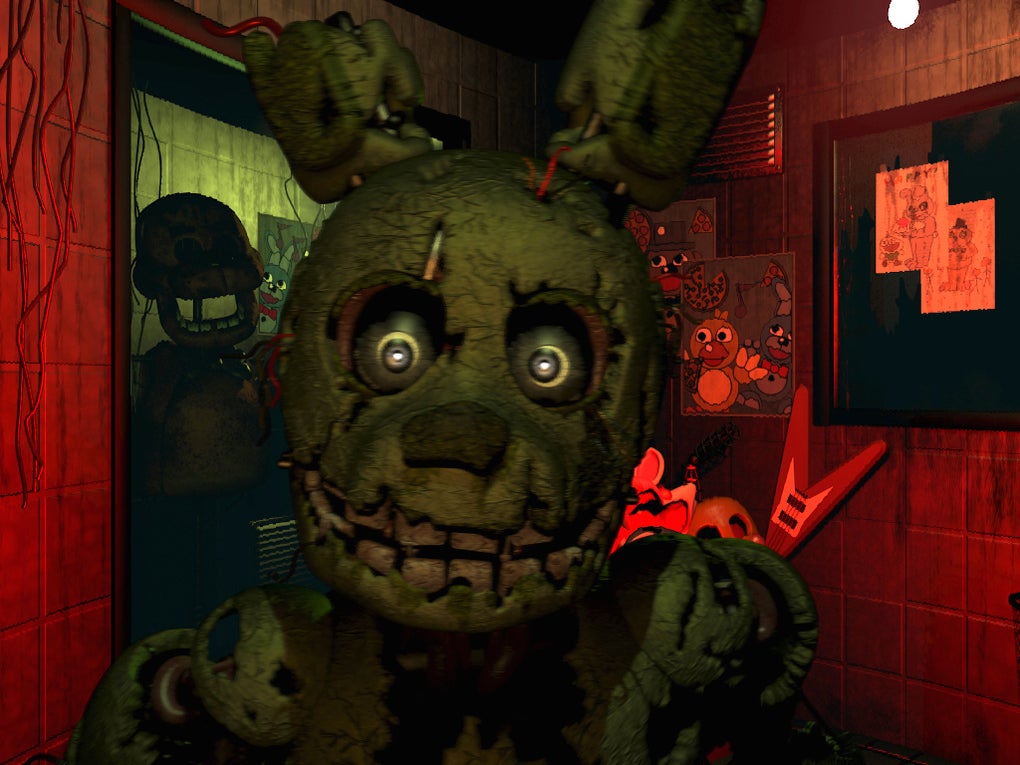
The game’s story unfolds gradually, piecing together fragments of information through cryptic audio logs, newspaper clippings, and the very unsettling design of the game’s environment itself. These details paint a picture of the events leading up to the creation of Fazbear’s Fright and the enduring legacy of the animatronics’ dark history. This fragmented storytelling enhances the overall eerie and unsettling feel, transforming the game experience into a disturbing puzzle as the player must piece together the narrative fragments to understand the full scope of the horror they are facing. The reliance on atmosphere, suggestion and implication creates a far more lingering sense of unease than simple jump scares ever could.
Gameplay Mechanics: A Test of Nerves
FNAF 3’s gameplay mechanics differ significantly from its predecessors. The core objective remains the same – survive until 6 AM – but the methods of achieving this are much more complex and reliant on quick thinking and careful observation. The player uses a limited set of tools and systems to fend off the relentless advances of Springtrap.
The main defense mechanism involves using security cameras to monitor the park’s various areas. However, the camera system is far from perfect. Cameras are prone to malfunction, requiring the player to utilize the reset button to restore a view. The game also introduces auditory warnings, such as a child’s chilling laugh, which signals Springtrap’s proximity. Additional defense systems include ventilation controls which can both help and hinder the player’s attempts to survive. Managing these systems simultaneously adds a new layer of complexity and intense gameplay. One wrong move can lead to a fatal encounter.
Ventilation is a key mechanic, with the player using it to reduce Springtrap’s movement towards the office. However, overuse of the ventilation system can trigger disturbing hallucinations and make Springtrap’s movements less predictable. This mechanic adds a layer of strategic risk-assessment to the gameplay, forcing the player to carefully weigh the risks and rewards of each action. It’s a delicate balancing act between safety and potential danger.
The game also employs a unique “Phantom” system. These phantom animatronics are visual hallucinations that, while not directly fatal, still contribute to the overall tension and difficulty of the game. These illusions drain the player’s energy, gradually wearing down the player’s ability to defend themselves and adding another layer to the strategic gameplay.
Comparison to Previous Installments: A Different Kind of Fear
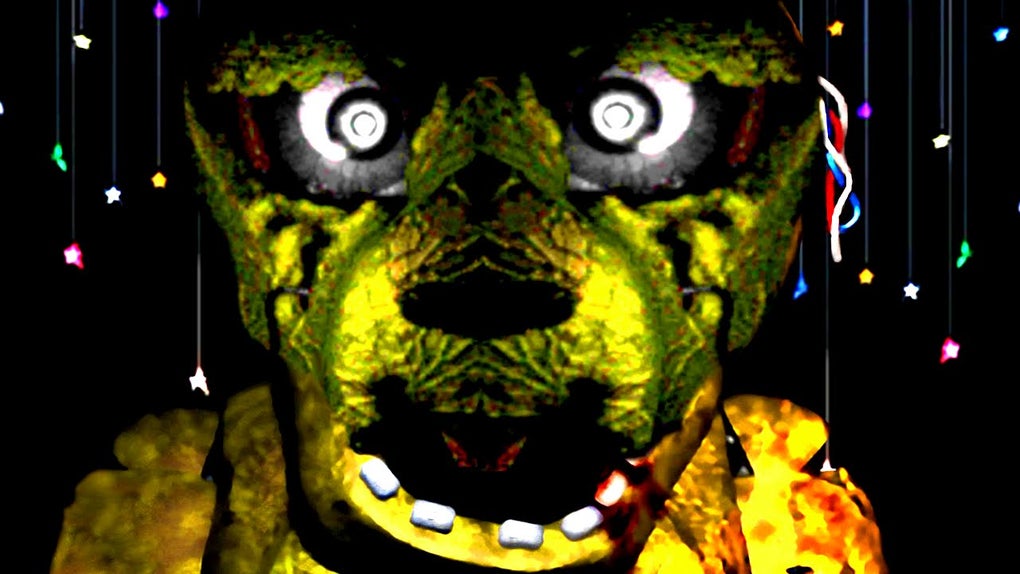
While FNAF 3 shares a thematic connection with its predecessors, it stands apart in several key aspects. The game shifts from the enclosed, familiar setting of a pizzeria to the desolate and dilapidated environment of Fazbear’s Fright. This change in setting contributes to a different kind of fear. The vastness of the park creates a more unsettling atmosphere of suspense compared to the enclosed spaces of the earlier games.
The reduction in the number of antagonists to a single, persistent threat, Springtrap, fundamentally changes the gameplay dynamic. This shift focuses the tension and makes Springtrap’s unpredictable movements a constant source of dread. The previous games relied on multiple animatronics, each with their own patterns and behaviors. In FNAF 3, the focus is on a single, relentless pursuit. This shifts the emphasis from navigating complex enemy patterns to managing a more strategically challenging set of resources and systems in order to delay an inevitable encounter.
While the game utilizes the classic jump scare mechanics of the franchise, the design and implementation often serve to enhance the atmospheric dread. The focus shifts towards a slower building of suspense, culminating in less frequent but more impactful jump scares that create a lasting psychological impact.
Strengths and Weaknesses: A Critical Analysis
FNAF 3’s most significant strength lies in its atmosphere and successfully evoked sense of dread. The decaying setting, unsettling soundscapes, and ominous hallucinations contribute to an unnerving gaming experience. The game masterfully uses sound design, employing chilling sound effects and unsettling music to add to the game’s overall frightening effect. This atmospheric approach creates a far deeper sense of anxiety than the earlier installments.
The focus on a single but relentless antagonist, Springtrap, creates a unique level of psychological tension. His unpredictable behavior and terrifying design make him a far more imposing threat than any of the previous game’s enemies.
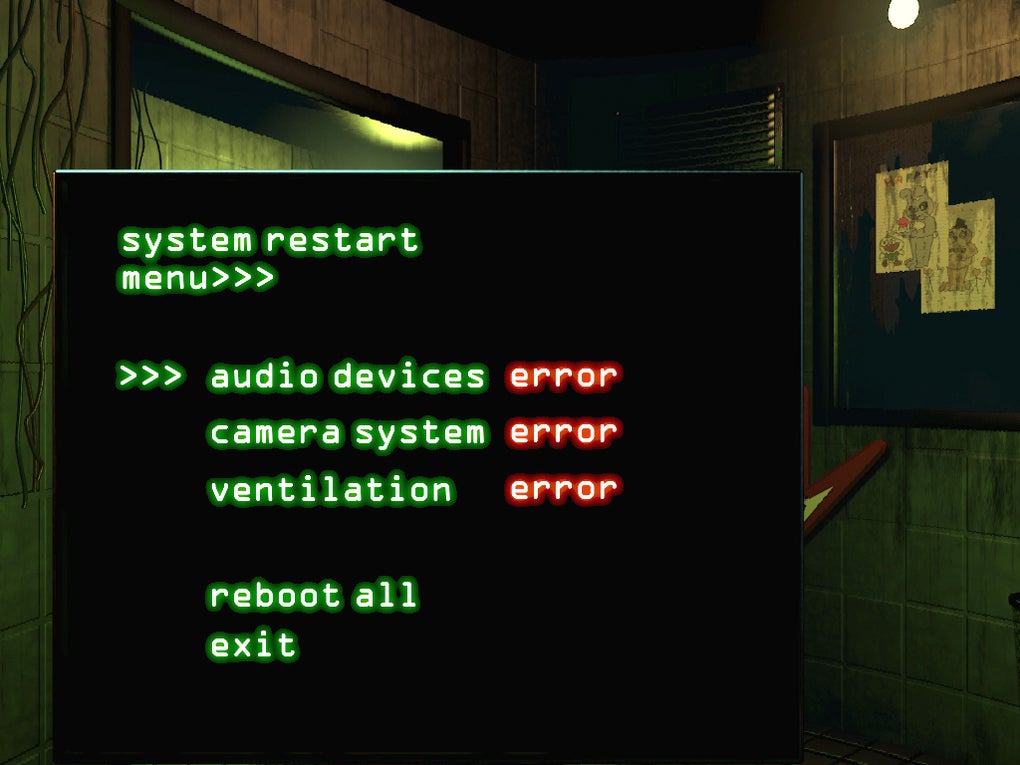
However, FNAF 3 is not without its flaws. Many players cite technical issues, such as crashes and glitches, as a significant drawback. These technical problems detract from the otherwise immersive experience and can be incredibly frustrating.
The game’s narrative, while intriguing, is less cohesive than its predecessors. The narrative unfolds as a cryptic and suggestive puzzle, leaving much of the story to the player’s interpretation. While this adds to the game’s unsettling mystery, it can also leave some players feeling disconnected from the overall narrative. The fragmented nature of the storytelling makes it less accessible to players who prioritize a clearly defined storyline.
Final Verdict: A Terrifying but Flawed Experience
Five Nights at Freddy’s 3 offers a unique and genuinely terrifying experience that sets itself apart from its predecessors. The game’s oppressive atmosphere and the persistent threat of Springtrap create a deep sense of dread. The game’s clever use of sound design, visual cues, and a strategic system of gameplay creates a truly chilling experience. However, technical issues and a less coherent narrative hold the game back from reaching its full potential. FNAF 3 ultimately remains a compelling entry in the franchise, albeit one that has its share of shortcomings. It delivers a different kind of fear and a different type of gameplay, but whether this divergence works well depends largely on the player’s preferences. For players seeking a true test of nerves, an experience fueled by psychological terror more than simple jump scares, and who can look past its occasional technical hiccups, FNAF 3 is a worthwhile experience. But for those prioritizing a tightly woven narrative and a bug-free experience, it might fall short of expectations.
File Information
- License: “Full”
- Latest update: “January 14, 2025”
- Platform: “Windows”
- OS: “Windows XP”
- Language: “English”
- Downloads: “321.3K”


