
Five Nights at Freddy’s 4 (FNAF 4) stands as the chilling culmination of the original FNAF storyline, a departure from its predecessors that plunges players into a terrifyingly intimate experience within the confines of a child’s bedroom. Unlike the previous installments, which focused on navigating security cameras and office spaces, FNAF 4 throws players directly into the heart of the horror, relying heavily on sound cues and limited in-game mechanics to build an atmosphere of intense dread and suspense. This review will delve into the gameplay, narrative, and overall impact of this critically acclaimed and intensely frightening title.
Gameplay Mechanics: A New Level of Immediacy
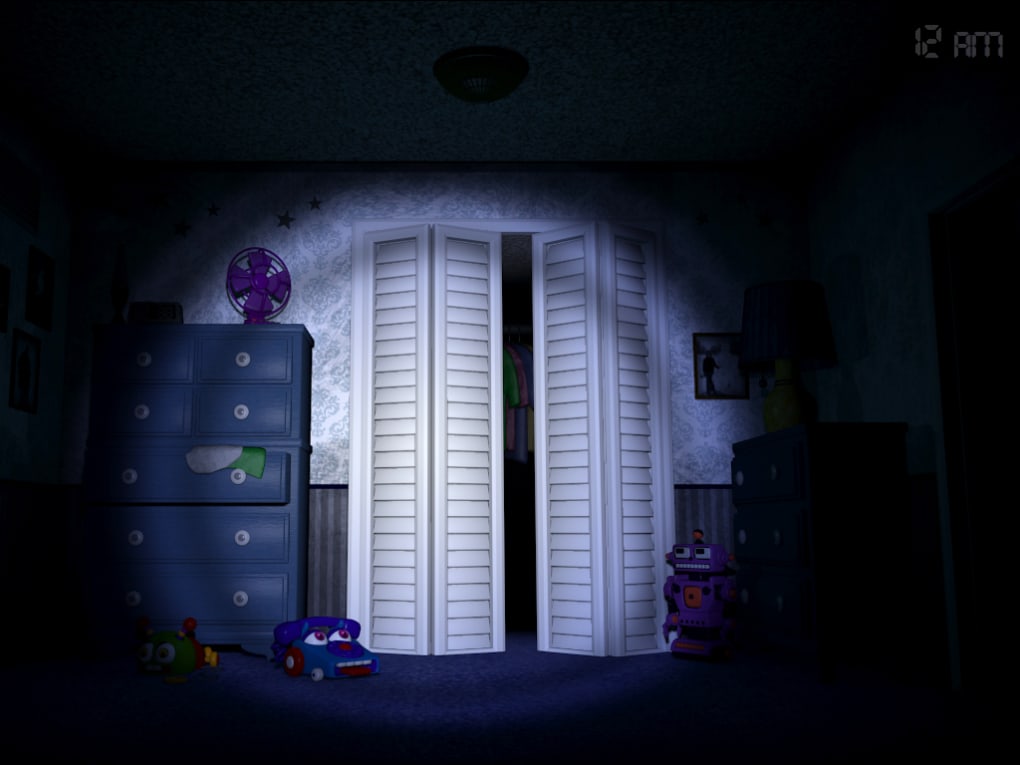
FNAF 4 dramatically shifts the gameplay mechanics from its predecessors. Gone are the security cameras and monitors; instead, the player is confined to a child’s bedroom, forced to defend themselves against a menagerie of nightmarish animatronics. The core gameplay revolves around the strategic use of a flashlight and attentive listening. Players must carefully monitor four key areas: the left and right doors, the closet, and the bed. Each location serves as a potential entry point for the various animatronics, each with unique auditory cues signaling their impending arrival.
The absence of traditional security systems intensifies the feeling of vulnerability. The player is no longer observing threats from a safe distance; they are directly facing them within the confines of their own space. This creates a much more visceral and immediate sense of danger. The close proximity of the animatronics enhances the jumpscares, which are expertly timed and designed to maximize the impact of sudden appearances.
The sound design plays a pivotal role in the gameplay experience. Subtle creaks, whispers, and heavy breathing serve as the primary warning system. Players must learn to interpret these auditory cues to anticipate the animatronics’ movements and prepare for their attacks. This auditory focus increases the tension, demanding constant alertness and making even the slightest sound a potential harbinger of doom. The game effectively uses silence as a tool, creating moments of unnerving quiet punctuated by sudden bursts of terrifying sound.
The limited use of the flashlight adds to the strategic challenge. While it’s vital for warding off certain animatronics, its overuse can leave the player vulnerable to others. This careful resource management adds another layer of complexity and tension to the gameplay, forcing players to make crucial decisions in high-pressure situations. The simple mechanics belie a profound level of strategic depth, rewarding careful observation and quick reflexes.
Narrative and Story: Unraveling the Mystery
FNAF 4 significantly expands upon the overarching narrative of the series, offering crucial clues and hinting at the relationships between the various characters and events across the previous games. While the identity of the protagonist remains a mystery throughout much of the gameplay, the story unfolds through a series of increasingly unsettling mini-games and cutscenes. These interstitial elements provide glimpses into the past, slowly revealing the tragic backstory of the characters and the unsettling events that transpired at Freddy Fazbear’s Pizza.
The game effectively utilizes these mini-games not only to advance the narrative but also to build upon the game’s atmosphere of dread and suspense. These short segments feature disturbing imagery and often culminate in jumpscares, creating a continuous feeling of unease, even during moments of seemingly peaceful exploration. The narrative unfolds subtly, requiring players to piece together the clues and connect the dots across various timelines and perspectives.
The narrative structure is deeply intertwined with the gameplay mechanics. The mini-games often provide context for the animatronics’ behavior and their connection to the protagonist’s experiences. This interconnectedness creates a richer and more immersive experience, enhancing the overall impact of the story. The unsettling atmosphere created through the visuals and sound design adds an extra layer of depth to the narrative, creating a deeply unsettling and haunting experience.
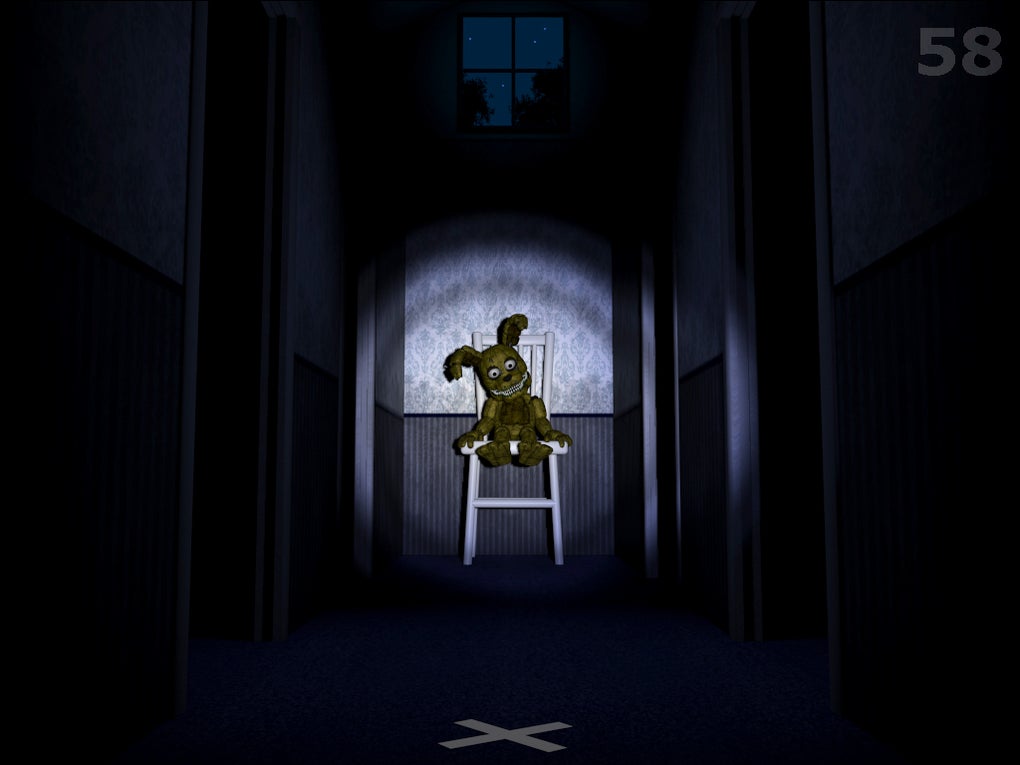
The ending, in particular, leaves a lasting impact, offering a sense of closure to the original storyline while leaving room for interpretation and speculation about the overarching narrative of the FNAF universe. The ambiguity surrounding the protagonist’s identity and the ultimate fate of the characters adds an extra layer of complexity to the already rich narrative.
Fear Factor and Atmosphere: The Pinnacle of FNAF Horror
FNAF 4 is widely considered one of the scariest games in the series, a testament to its effective use of atmosphere and gameplay mechanics to cultivate a pervasive sense of dread. The confined space of the bedroom, coupled with the close proximity of the threatening animatronics, creates a feeling of being trapped and vulnerable, unlike the previous games. The sound design plays a crucial role in enhancing this feeling, with chilling ambient sounds creating a constant state of unease.
The game masterfully uses jump scares, but these are not simply cheap thrills. They are meticulously integrated into the gameplay and narrative, serving to punctuate moments of intense tension and emphasize the vulnerability of the player character. The intensity of the experience stems from the anticipation of these scares, built up gradually through the carefully crafted soundscape and the ever-present threat of the animatronics’ sudden appearances.
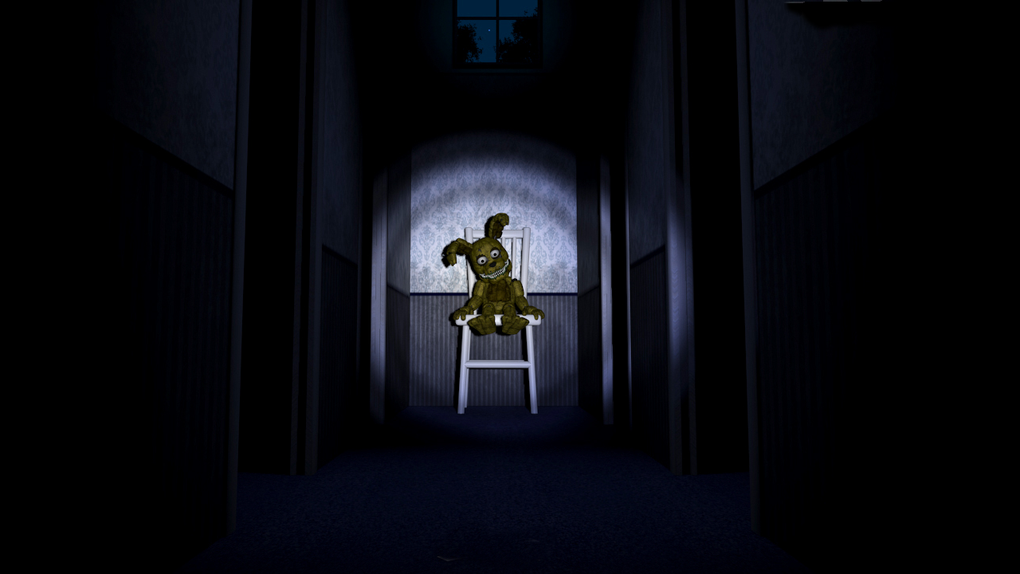
The minimalist visuals contribute to the overall atmosphere. The stark, dimly lit bedroom, coupled with the nightmarish animatronics, creates a chilling aesthetic that perfectly complements the sound design. The game’s overall atmosphere creates a potent cocktail of dread, building suspense and amplifying the impact of the scares. This masterful blend of psychological horror and jump scares elevates FNAF 4 to a benchmark in the genre.
System Requirements and Alternatives
FNAF 4’s system requirements are remarkably low, making it accessible to a wide range of players. The minimum requirements include:
- Operating System: Windows XP, 7, 8, Vista, 10
- Processor: 2 GHz Intel Pentium 4 or AMD Athlon or equivalent
- Memory: 2 GB RAM
- Storage: 1 GB available space
This accessibility makes the game’s terrifying experience available to a broad audience, regardless of their computer’s specifications. However, for players seeking similar experiences, a number of alternatives exist, including the other entries in the Five Nights at Freddy’s franchise: FNAF 1, 2, and 3, as well as Sister Location. These games offer similar gameplay mechanics and narrative styles, though with varying degrees of intensity and atmosphere.
Conclusion: A Terrifying Masterpiece
Five Nights at Freddy’s 4 represents a significant evolution in the FNAF franchise. Its departure from the established gameplay formula, the intense focus on atmosphere and sound design, and the intriguing narrative make it a compelling and terrifying experience. While some players may find the confined setting limiting, the game’s effectiveness in building suspense, delivering unsettling scares, and unraveling the mysteries of the series far outweighs any perceived drawbacks. FNAF 4 stands as a testament to the power of effective sound design, psychological horror, and skillful pacing to create an unforgettable, and terrifying, gaming experience. It’s a game that will undoubtedly stay with players long after the credits roll, leaving a lingering sense of unease and fascination.
File Information
- License: “Full”
- Version: “2”
- Latest update: “December 7, 2023”
- Platform: “Windows”
- OS: “Windows 8”
- Language: “English”
- Downloads: “404.8K”


