
Five Nights at Freddy’s (FNAF) isn’t your average point-and-click horror game; it’s a masterclass in building suspense, utilizing jump scares strategically, and crafting a chilling atmosphere that lingers long after the credits roll. This article delves into the demo version of the game, examining its gameplay mechanics, graphics, sound design, and overall impact, offering a comprehensive understanding of what makes this title a seminal work in the indie horror genre.
Gameplay: A Test of Nerves and Resource Management
The premise of Five Nights at Freddy’s is deceptively simple: survive five nights as a security guard at Freddy Fazbear’s Pizza, a seemingly innocuous family restaurant with a dark secret. The animatronic animal mascots – Freddy Fazbear, Bonnie the Bunny, Chica the Chicken, and Foxy the Pirate Fox – come alive after hours, transforming from charming entertainers into murderous creatures intent on… well, let’s just say it’s not a pleasant end.
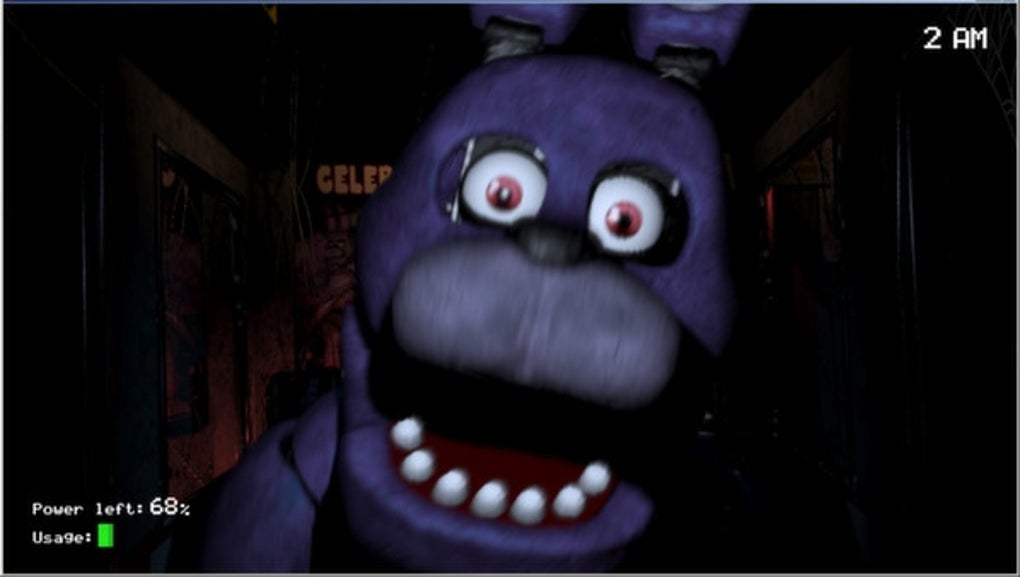
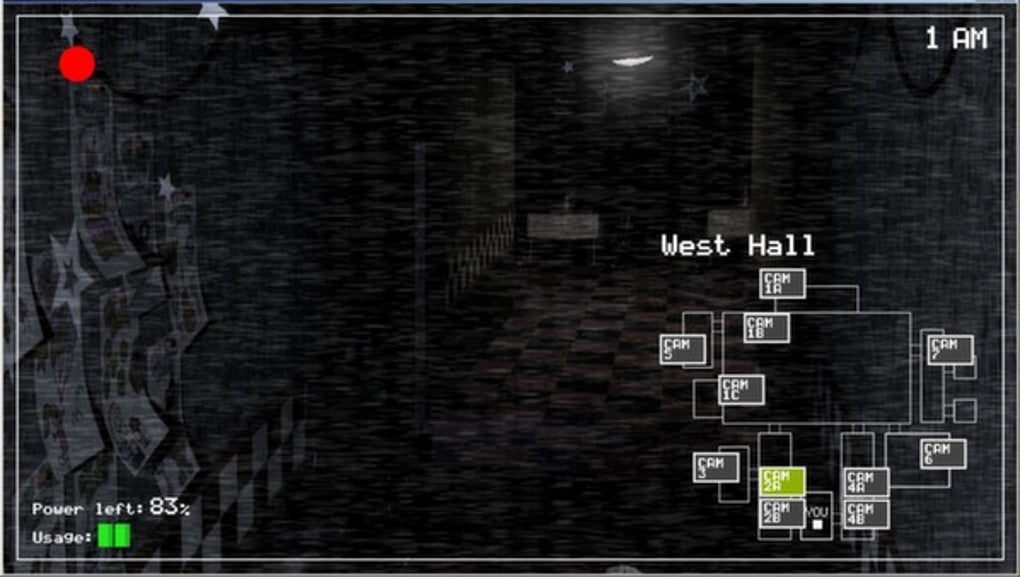
The gameplay loop revolves around monitoring the restaurant through a network of security cameras. The player sits in their dimly lit office, armed with only a limited power supply and their wits. Each night presents a unique challenge as the animatronics become increasingly active and unpredictable in their pursuit. The player must strategically use the power to check cameras, activate hallway lights to momentarily deter the animatronics, and slam shut the office doors to prevent a fatal encounter.
The simplicity of the controls belies the intense pressure they create. The player isn’t given any direct means of fighting back; survival hinges on careful observation, power conservation, and anticipating the animatronics’ movements. This passive approach to gameplay significantly amplifies the feeling of vulnerability and helplessness, turning each night into a tense, nail-biting ordeal.
The demo focuses primarily on the first night, offering a gentle introduction to the mechanics and gradually escalating the difficulty. The animatronics exhibit relatively predictable patterns initially, giving the player a chance to learn the ropes. However, even these early encounters are unnerving, with sudden movements and eerie sounds constantly threatening to break the fragile sense of security.
Successfully navigating the night requires more than just reflexes; it demands careful planning and resource management. The limited power supply forces the player to make crucial decisions: should they risk using power to check a camera for a suspicious sound, or should they conserve power and hope for the best? This constant tension, coupled with the relentless dread of the unknown, makes even the first night a gripping experience.
As the nights progress (in subsequent full games, not just the demo), the animatronics’ behaviors become more complex and erratic. Predictable patterns are replaced with unpredictable bursts of activity, forcing the player to adapt their strategies and remain constantly vigilant. This ever-escalating challenge keeps the gameplay fresh and engaging, while consistently maintaining a high level of tension.
Graphics and Sound Design: A Symphony of Fear
Five Nights at Freddy’s embraces a unique visual style, blending low-resolution, pixelated graphics with surprisingly detailed and unsettling models of the animatronics. The intentionally dated aesthetic enhances the game’s creepy atmosphere, evoking a sense of nostalgia mixed with unease. The contrast between the simplistic backgrounds and the detailed animatronics creates a disturbing visual dissonance that adds to the overall feeling of dread.
The limited color palette, dominated by dark blues, browns, and muted yellows, contributes to the game’s oppressive atmosphere. The dimly lit office and the flickering security camera feeds only heighten the sense of isolation and vulnerability, making the player feel trapped and increasingly desperate as the nights wear on.
The sound design in Five Nights at Freddy’s is equally masterful. The soundtrack masterfully uses silence to build tension, only punctuated by unsettling sound effects that amplify the feeling of unease. The subtle creaks, metallic groans, and the chilling, almost subliminal audio cues create a constant sense of foreboding, making even quiet moments fraught with anticipation. The use of distorted audio on the security cameras further enhances this disorienting experience. The sounds of the animatronics themselves, from the chilling footsteps to their metallic movements, create a disturbing auditory landscape that perfectly complements the visual aspects of the game.
The jump scares, while employed sparingly, are remarkably effective. They aren’t cheap thrills; instead, they are perfectly timed to capitalize on the built-up tension, delivering a jolt of pure terror that is both surprising and unforgettable. The combination of unexpected visuals and terrifying sound effects delivers a truly visceral experience.
The Psychological Horror: A Masterclass in Dread
Five Nights at Freddy’s isn’t just about jump scares; it’s a masterclass in psychological horror. The game’s brilliance lies in its ability to leverage the player’s imagination, creating a sense of dread that permeates every aspect of the experience. The ambiguity surrounding the animatronics’ motives and the limited information provided only fuel the player’s paranoia, encouraging them to fill in the gaps with their own terrifying interpretations.
The scarcity of information and the lack of direct control over events further contributes to the game’s psychological impact. The player is essentially trapped in the security office, powerless to fight back against the impending threat. This lack of control enhances the feeling of helplessness and vulnerability, intensifying the psychological strain that the game puts on the player.
The game masterfully utilizes limited resources, such as the finite power supply, to heighten the sense of vulnerability. Every decision the player makes – checking a camera, turning on a light, or closing a door – carries a risk and necessitates careful consideration. This constraint amplifies the anxiety and tension, creating a feeling of constant pressure that only intensifies as the nights wear on.
This element of uncertainty and lack of direct control sets Five Nights at Freddy’s apart from typical action-horror titles. The player’s survival depends not on skill in combat but on careful planning, observation, and resource management. This fundamentally shifts the focus from physical confrontation to psychological endurance, making the game a true test of nerves.
Lasting Impact and Legacy
Five Nights at Freddy’s, despite its seemingly simple premise and low-fidelity graphics, achieved remarkable success, spawning a vast franchise encompassing sequels, spin-offs, books, and even a movie. Its impact on the horror genre is undeniable; it proved that effective horror doesn’t require high-end graphics or complex gameplay. The game’s success lies in its ability to tap into primal fears, creating a uniquely terrifying and unforgettable experience using simple but effective techniques.
The demo version serves as a perfect introduction to the chilling world of Freddy Fazbear’s Pizza, offering a taste of the tension, dread, and unforgettable jump scares that define the game. It effectively showcases the core mechanics and atmosphere, leaving the player craving more of the nightmarish experience. The success of the demo directly contributed to the game’s widespread popularity and solidified its place in gaming history.
The Five Nights at Freddy’s demo effectively demonstrates the game’s core strengths: its masterful blend of suspense, jump scares, and unsettling atmosphere. The game’s simple yet effective mechanics, coupled with its unique art style and haunting sound design, create a truly terrifying and unforgettable experience. While the demo only scratches the surface of the larger game’s complex lore and escalating challenges, it successfully captures the essence of what makes Five Nights at Freddy’s such a compelling and chilling phenomenon.
File Information
- License: “Demo”
- Version: “1.13”
- Latest update: “October 20, 2015”
- Platform: “Windows”
- OS: “Windows 7”
- Language: “English”
- Downloads: “517.7K”
- Size: “229.92 MB”


