
In the ever-evolving landscape of mobile gaming, where high-fidelity graphics and complex narratives often dominate, a simple, pixelated bird flapping between green pipes managed to capture the world’s attention with unprecedented intensity. Flappy Bird, developed by the unassuming Vietnamese independent artist Dong Nguyen under his studio .GEARS, emerged in 2013 and quickly soared to the top of app store charts, becoming an overnight global sensation. Its meteoric rise was matched only by its equally sudden disappearance, leaving behind a legacy that continues to be discussed, debated, and cloned. This seemingly basic arcade game, with its unforgiving difficulty and addictive gameplay, cemented its place in digital history as a peculiar yet powerful cultural touchstone. PhanMemFree, like many platforms, documented its brief but impactful reign, showcasing its technical specifications, its pros and cons, and the myriad alternatives that attempted to replicate its unique charm.
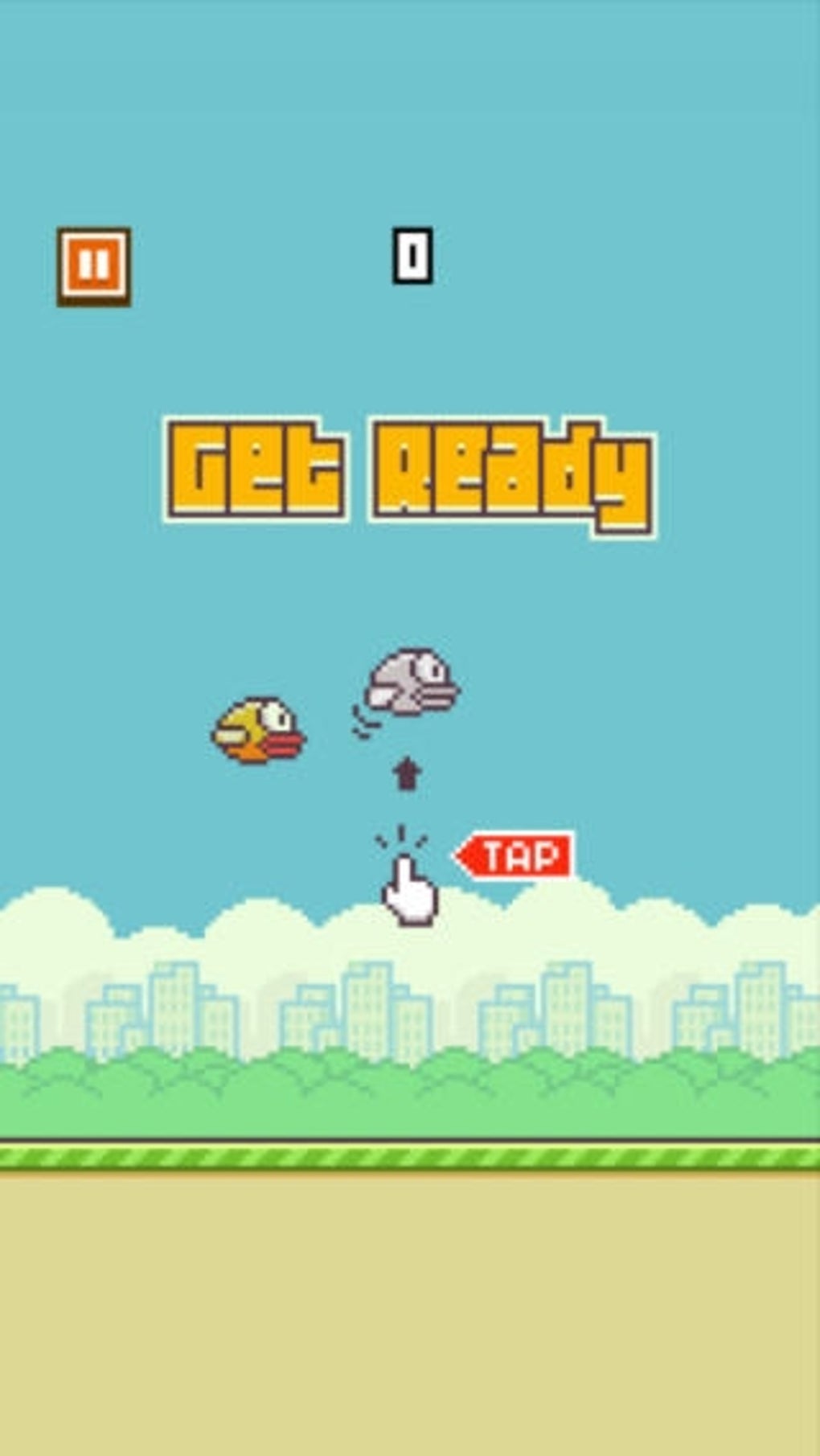
At its core, Flappy Bird was a masterclass in minimalist design meeting maximalist frustration. The game’s premise was disarmingly simple: guide a small, retro-styled bird through an endless series of gaps in green pipes by tapping the screen to make it flap its tiny wings. A single miscalculation, a tap too many, or a tap too few, resulted in an immediate and often humiliating crash, forcing players to start over from scratch. There were no power-ups, no levels to unlock, no elaborate storylines – just the bird, the pipes, and the player’s increasingly frayed nerves. Yet, it was this brutal simplicity that paradoxically became its greatest strength and the source of its viral appeal, triggering a global obsession that confounded many and captivated millions.
The Deceptively Simple Yet Infuriating Core Gameplay

The fundamental mechanic of Flappy Bird harkens back to classic helicopter games, where continuous input dictates vertical movement through a horizontally scrolling environment. However, Dong Nguyen amplified this difficulty to near-masochistic levels. Each tap provides a small upward thrust, but gravity is relentless, constantly pulling the bird downwards. Navigating the narrow gaps between pipes demands an exquisite sense of rhythm and timing – a delicate dance between controlled ascent and precise descent. The margin for error is infinitesimally small, making every successful pipe passage feel like a minor triumph and every failure a crushing blow.
Controls are unequivocally basic: a single tap of the screen. This straightforward input mechanism means that anyone, regardless of gaming experience, can pick up and play Flappy Bird within seconds. There’s no complex tutorial, no intricate button combinations to learn. Yet, mastery remains an elusive and often infuriating challenge. Players repeatedly crash into pipes, graze the ground, or fly too high, leading to an endless cycle of failure. It’s a game that provokes a unique brand of anger, a silent scream of frustration that is instantly recognizable to anyone who has tried to beat their previous high score. This constant proximity to failure, coupled with the immediate restart, fuels the “just one more try” mentality, drawing players back into its unforgiving loop time and again. The game, listed as version 1.3.4, despite its relative antiquity, managed to garner over 152.7K downloads on the Android platform, a testament to its widespread reach even after its official removal. Its small size (915.56 KB) and minimal requirements (Android 3.1) further contributed to its accessibility, ensuring that nearly any smartphone could run this demanding, yet unpretentious, title.
The “insanely addictive gameplay,” as noted in its original PhanMemFree listing, wasn’t just a marketing slogan; it was a deeply ingrained psychological truth. The immediate feedback loop, the brief play sessions, and the compelling urge to surpass one’s previous paltry score created a powerful engagement mechanism. It wasn’t about winning in a traditional sense, but about achieving personal incremental improvements, however small. This constant internal competition, combined with the shared experience of collective frustration, transformed Flappy Bird from a mere game into a shared cultural phenomenon, where high scores were boasted, failures commiserated over, and tips (often ineffective) exchanged with fervor.
A Pixelated Blast from the Past: Aesthetics and Charm
Beyond its punishing gameplay, a significant part of Flappy Bird’s identity lay in its distinctive retro aesthetic. The game embraces an 8-bit visual style, reminiscent of classic Nintendo consoles and early 90s platformers. The bird itself is a charmingly pixelated sprite, with an almost comical wide-eyed gaze, contrasting sharply with the game’s unforgiving nature. This deliberate choice of dated graphics gives Flappy Bird a timeless, nostalgic appeal for older gamers, while offering a refreshing counterpoint to the hyper-realistic visuals prevalent in many contemporary mobile titles.
The background, equally simplistic, features a repeating pattern of clouds and hills, providing little visual stimulation and instead focusing the player’s attention squarely on the challenging gameplay. Animations are intentionally “janky” or jerky, contributing to the overall retro feel. The bird’s flapping motion is rudimentary, and the collision detection is abrupt, eschewing smooth transitions for a more abrupt, old-school arcade experience. This unpolished, almost amateurish presentation wasn’t a flaw; it was a deliberate stylistic choice that imbued the game with a unique charm. It whispered to players of a simpler time in gaming, where mechanics trumped graphics, and difficulty was a badge of honor.
This minimalist design extended beyond visuals. The soundscape was equally sparse, featuring simple chirps for flapping and a distinct, almost comical, thwack upon collision. There was no epic orchestral score or complex sound effects; the game’s sensory input was as streamlined as its mechanics. This intentional lack of visual and auditory complexity meant there were fewer distractions, forcing players to focus entirely on the precise timing required to navigate the pipes. The “unimaginative graphics,” listed as a ‘con’ by some, were, for many others, an integral part of its allure, proving that an aesthetically simple game could still achieve monumental success through compelling, albeit frustrating, gameplay. It showed that game design could be boiled down to its bare essentials and still resonate powerfully with a mass audience. This retro aesthetic wasn’t just a throwback; it was a statement about what truly matters in game design – engagement, challenge, and addictiveness.
The Viral Sensation and Its Sudden Disappearance
Flappy Bird’s journey from obscure indie title to global phenomenon was astonishingly swift. Initially released in May 2013, it remained largely unnoticed for months. Then, in late 2013 and early 2014, something shifted. Word-of-mouth, fueled by social media posts expressing both adoration and exasperation, ignited a viral explosion. People shared screenshots of their paltry high scores, challenged friends, and streamed their maddening attempts online. Its addictive “one more try” nature, coupled with easy controls, hooked players across demographics. The game became a topic of conversation in offices, schools, and homes, a shared struggle that transcended language and culture. By January 2014, it was the most downloaded free game in over 100 countries, reportedly earning its creator Dong Nguyen tens of thousands of dollars a day from in-game advertising.
However, just as the game’s popularity reached its zenith, Nguyen made a shocking announcement. On February 8, 2014, he tweeted that he was taking Flappy Bird down from app stores within 24 hours, citing the immense pressure and stress it was causing him, stating, “I cannot take this anymore.” True to his word, Flappy Bird vanished from both the Apple App Store and Google Play Store, leaving millions scrambling to download it before it was too late. This unprecedented move created an immediate vacuum, leading to widespread speculation, media frenzy, and even reports of phones with Flappy Bird installed being sold for exorbitant prices online. The removal, described by PhanMemFree’s summary as “no longer available,” marked a pivotal moment in mobile gaming history, underscoring the ephemeral nature of digital content and the unique pressures faced by indie developers.
The game’s disappearance, far from quelling its notoriety, only amplified it. News outlets worldwide reported on the story, further cementing Flappy Bird’s status as a cultural phenomenon. Developers rushed to fill the void with an endless stream of clones, all attempting to replicate the simple mechanics and frustrating appeal of the original. These alternatives, such as “Flappy Birds Family,” “Flappy Golf,” and “Flying Bird,” (some of which were also listed on PhanMemFree) served as a testament to the original’s powerful influence. Although the original Flappy Bird is no longer officially available via major app stores, its impactful legacy in mobile gaming remains, a testament to its frustrating charm and the unexpected power of simplicity. PhanMemFree’s historical listing of the game, including its developer .GEARS and its last reported update date of March 31, 2025 (likely a placeholder for information updates), serves as a digital archive of this fleeting yet unforgettable sensation.
The Enduring Legacy and Influence on Mobile Gaming
Flappy Bird’s brief, blazing run left an indelible mark on the mobile gaming industry. Its success proved that a game didn’t need lavish budgets, intricate storylines, or cutting-edge graphics to achieve global dominance. Instead, a well-crafted, highly addictive core mechanic, packaged in an accessible format, could be enough to captivate millions. This realization paved the way for the rise of hyper-casual games – titles characterized by extremely simple mechanics, short playtimes, and high replayability. Many contemporary mobile hits draw directly from the Flappy Bird playbook, prioritizing instant gratification (or instant frustration) and an endless loop of “just one more try.”
Moreover, Flappy Bird demonstrated the immense power of viral marketing, particularly through social media. Its organic spread, driven by players sharing their scores and frustrations, highlighted a new pathway to success for indie developers, proving that a compelling experience could trump traditional marketing budgets. The game also sparked a broader discussion about game addiction, the responsibilities of developers, and the psychological impact of highly engaging digital content. Dong Nguyen’s decision to remove the game, driven by concerns over its addictiveness and the stress it caused him, was an unprecedented act that forced the industry and media to critically examine the nature of gaming and its psychological effects.
Even years after its removal, Flappy Bird continues to be referenced in popular culture, in discussions about gaming history, and as an example of accidental viral success. Its iconic bird and pipe aesthetic have been parodied, celebrated, and emulated endlessly. From educational projects to full-fledged spiritual successors, the ghost of Flappy Bird continues to flap across the digital landscape. Its absence from official stores only added to its mystique, turning it into a legendary, almost mythical, artifact of mobile gaming’s past. For many, finding an old device with Flappy Bird still installed is akin to unearthing a rare treasure, a tangible link to a phenomenon that defined a specific moment in digital culture.
Beyond the Taps: Why Flappy Bird Stuck Around (Psychologically)
The profound addictiveness of Flappy Bird isn’t merely a matter of simple controls or repetitive tasks; it taps into deeper psychological mechanisms. Behavioral psychologists often point to operant conditioning, specifically variable ratio reinforcement, as a key factor. While success in Flappy Bird isn’t random, the precise timing required means that positive reinforcement (passing a pipe) is unpredictable enough to keep players engaged. Each failure creates a mild aversion, but the promise of success, however fleeting, motivates players to try again, chasing the dopamine hit associated with achievement.
The game also masterfully exploits the human tendency towards goal-setting and self-improvement. The simple high score counter transforms the game into a personal challenge, a continuous battle against oneself. Every additional point gained feels like a significant accomplishment, validating the repeated attempts. This short-term, achievable goal structure, combined with immediate feedback (success or failure), creates a powerful loop that is hard to break. The frustrations are quickly forgotten in the pursuit of the next small victory.
Furthermore, Flappy Bird ignited a communal experience. Players weren’t just competing against themselves; they were indirectly competing against friends, family, and the global player base. Sharing scores, even low ones, fostered a sense of camaraderie and shared struggle. The universality of its difficulty made it an equalizer; everyone started from zero, and everyone experienced the same maddening crashes. This shared adversity created a unique bond among players, transforming a solitary mobile game into a surprisingly social phenomenon. Its appeal transcended age, gender, and geographic boundaries, becoming a global meme long before the term “meme” was as ubiquitous as it is today. Despite its “too hard” perception by some, its challenge was exactly what made it compelling for millions, turning difficulty into a draw rather than a deterrent.
In conclusion, Flappy Bird stands as a monumental paradox in the history of video games. It was a game of unremarkable graphics and rudimentary mechanics that achieved unparalleled viral success, prompting both celebration and controversy. Its brutal difficulty, simple controls, and addictive nature propelled it to the forefront of global consciousness, only for its creator to pull it from the digital shelves at the height of its fame. The game’s legacy is complex: a testament to the power of indie development, a catalyst for the hyper-casual genre, and a poignant reminder of the personal toll that unexpected success can take. While the original title may no longer be officially accessible, its spirit continues to flap on, influencing developers and captivating the imaginations of gamers worldwide. PhanMemFree, by documenting such phenomena, helps preserve the memory and lessons from games like Flappy Bird, ensuring that its unforgettable chapter in mobile gaming history is not forgotten.
File Information
- License: “Free”
- Version: “1.3.4”
- Latest update: “March 31, 2025”
- Platform: “Android”
- OS: “Android 3.1”
- Language: “English”
- Downloads: “152.7K”
- Size: “915.56 KB”
- Download Options: “APK, Google Play”
- Filename: “flappy_bird-v1-3.apk”


