
Flash games, once a ubiquitous form of online entertainment, hold a special place in the hearts of many internet users. These bite-sized games, easily accessible through web browsers, provided a quick escape and a surprisingly deep well of diverse gameplay experiences. While the Adobe Flash Player’s demise marked the end of an era, the legacy of flash games persists, influencing modern game design and reminding us of a simpler, more readily accessible time for online gaming. This exploration delves into the world of flash games, examining their impact, their enduring appeal, and their continued relevance in the broader landscape of digital entertainment.
The Golden Age of Flash Games: Simplicity, Accessibility, and Innovation
The rise of flash games coincided with the explosion of broadband internet access in the early 2000s. Suddenly, loading times for small games were no longer a significant barrier. This accessibility democratized game development and consumption. Anyone with basic programming skills could create and share a flash game, leading to an explosion of creativity and a diverse range of genres represented. The ease of access also contributed to the popularity of flash games. Unlike the more demanding installation processes of traditional PC games, flash games required nothing more than a click of a link to begin playing. This streamlined experience made them ideal for quick breaks, casual play, and sharing with friends.
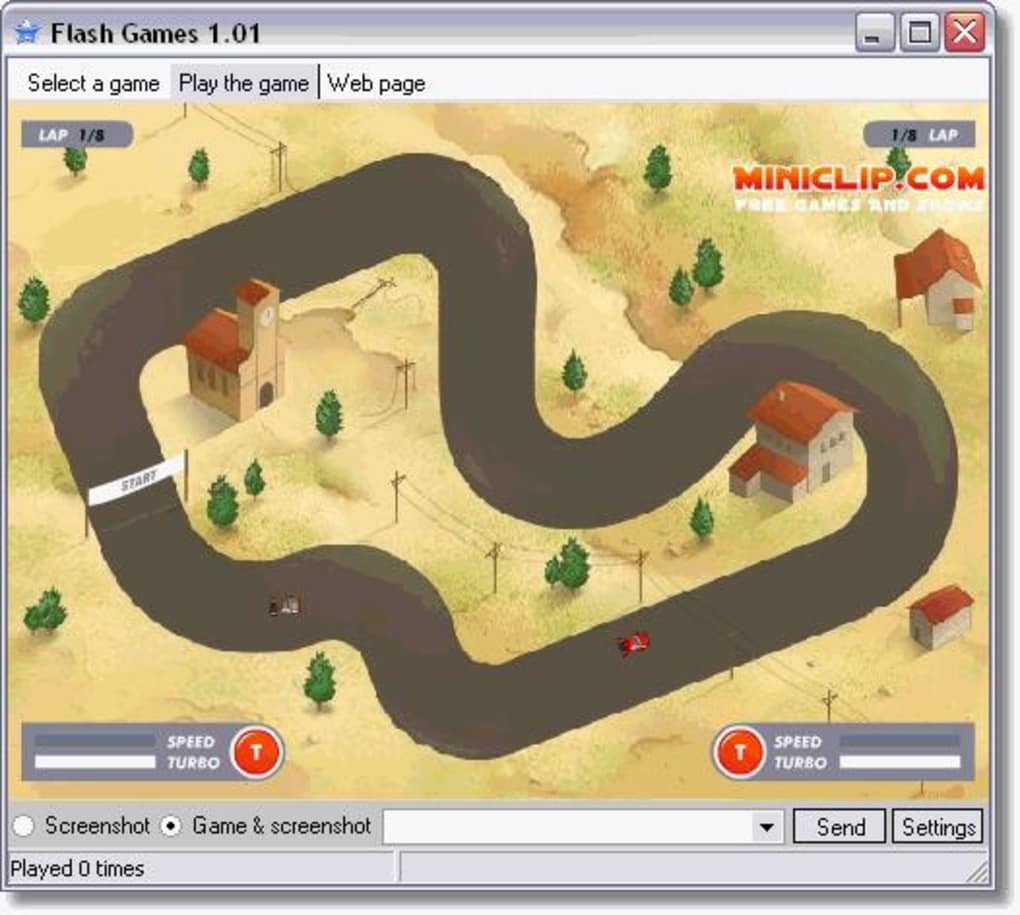
The simplicity of flash games wasn’t a limitation; it was a strength. Many flash games focused on a single core mechanic, expertly honed and refined to create engaging, replayable experiences. This focus allowed developers to prioritize intuitive controls and polished gameplay over complex narratives or extensive graphics. This simplicity, however, didn’t translate to a lack of depth. Many flash games showcased ingenious game design, challenging players with innovative mechanics and compelling gameplay loops. From simple puzzle games to intricate platformers, the variety of experiences available was astounding.
The community surrounding flash games was also a significant factor in their success. Online forums and communities provided spaces for players to share their high scores, discuss strategies, and discover new games. This collaborative environment fostered a sense of shared experience and helped spread the word about the best hidden gems. Furthermore, the ease of sharing links allowed for rapid dissemination of flash games, leading to viral popularity for many titles.
Beyond the Browser: The Evolution and Legacy of Flash Games
The transition from Flash to HTML5, along with the rise of mobile gaming, created challenges for flash games. The end of Flash support marked a turning point. Many games were lost, their code unable to be run on modern browsers. However, the influence of flash games on contemporary game design remains potent.
Many popular mobile games owe a debt to the simple, engaging mechanics pioneered in the flash game era. The emphasis on quick, satisfying gameplay loops—often centered around a single core mechanic—is a hallmark of countless successful mobile titles. This focus on core mechanics and intuitive gameplay allows these games to be accessible to a wide audience, mirroring the spirit of accessibility and immediate gratification that defined flash games. Furthermore, the creative freedom and relatively low barrier to entry for flash game development directly influenced the rise of independent game development. Many successful indie game developers honed their craft creating flash games.
The enduring appeal of flash games lies in their nostalgic value and their unique contribution to the history of gaming. Many former players fondly recall the hours spent playing flash games, sharing them with friends, and competing for high scores. This nostalgic attachment is responsible for the resurgence of interest in archiving and preserving these games. Efforts to emulate flash games on modern platforms highlight a desire to revive and experience this crucial part of gaming history.
The Technical Aspects of Flash Games: Simplicity and Limitations
Flash games were built upon Adobe Flash, a multimedia platform that allowed developers to create interactive content within a web browser. The simplicity of Flash development, combined with its widespread adoption, contributed significantly to the proliferation of flash games. Developers needed only a relatively basic understanding of ActionScript, Flash’s scripting language, to create interactive games.
However, the technical limitations of Flash also affected the possibilities for flash games. The platform wasn’t designed for demanding 3D graphics or complex physics simulations. The resulting aesthetic, often characterized by its 2D graphics and simple animations, became a defining characteristic of the era. While this simplicity allowed for a wide range of styles and artistic expressions, it also confined the potential for visual complexity and realism.
Furthermore, Flash’s dependence on plugins made it vulnerable to security risks and compatibility issues. This vulnerability, coupled with the inherent limitations of the platform, contributed to its eventual decline. The rise of HTML5, with its broader browser support and greater security, provided a superior alternative for creating interactive web content.
The Future of Flash Games: Preservation, Inspiration, and Reimagining
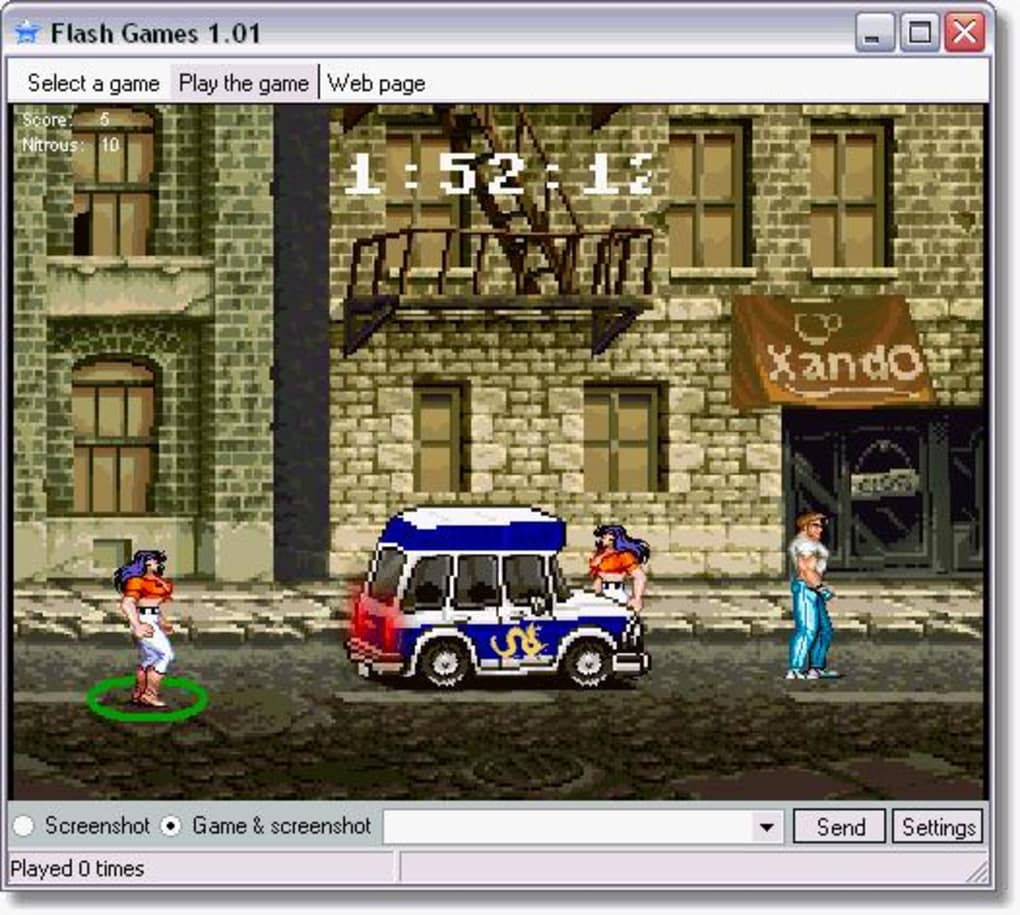
While the era of actively developed flash games is over, the legacy of this medium continues to resonate. Efforts to preserve and archive flash games are underway, with projects aiming to create emulators and databases to ensure that these games remain accessible to future generations. These preservation projects are crucial for historical and cultural reasons, capturing a significant moment in the evolution of digital entertainment.
Beyond mere preservation, the innovative spirit and ingenuity of flash games continue to inspire contemporary game developers. The lessons learned in creating engaging and accessible gameplay experiences within the constraints of the Flash platform remain valuable. Many modern games, particularly in the indie and mobile markets, reflect this focus on simple, yet compelling mechanics.
The future may even see a resurgence of flash game-style experiences. The principles of simple, engaging mechanics and accessible gameplay are timeless. As new platforms and technologies emerge, there’s potential for new iterations of flash games, perhaps incorporating the advancements in graphics and technology that were unavailable during the original Flash era.
In conclusion, flash games represent a significant chapter in the history of video games, a period marked by remarkable accessibility, a flourishing independent development scene, and a creative outpouring of innovative game mechanics. Though the platform itself is obsolete, the legacy of flash games endures, inspiring both game design and preservation efforts, reminding us of the joy and accessibility of a simpler time in digital entertainment. The spirit of flash games—innovative, accessible, and endlessly engaging—lives on, shaping the landscape of today’s gaming world.
File Information
- License: “Free”
- Version: “1.01”
- Latest update: “February 13, 2019”
- Platform: “Windows”
- OS: “Windows 2000”
- Language: “English”
- Downloads: “62K”
- Size: “98.16 MB”


