
fldigi is a powerful and versatile software application designed for radio amateurs and digital communication enthusiasts. It transforms your computer into a sophisticated radio station, enabling you to transmit and receive signals using a wide array of digital modes, transcending the limitations of traditional analog communication. This comprehensive guide will explore fldigi’s capabilities, functionalities, and its impact on the world of amateur radio.
Understanding fldigi’s Core Functionalities
At its heart, fldigi acts as a digital modem, translating digital data into audio signals for transmission and vice versa for reception. This process allows for reliable communication even in challenging propagation conditions, where traditional analog modes might struggle. The software boasts extensive support for numerous digital modes, including but not limited to:
-
CW (Continuous Wave): The oldest and perhaps simplest digital mode, CW transmits and receives Morse code. fldigi provides features for easy decoding and encoding of Morse code, including automatic keying and various decoding algorithms.
-
MFSK (Multi-Frequency Shift Keying): A more efficient mode than CW, MFSK utilizes multiple frequencies to represent data, enhancing transmission speed and bandwidth. fldigi seamlessly integrates MFSK, allowing users to fine-tune parameters for optimal performance in various conditions.
-
PSK (Phase Shift Keying): This mode uses phase changes to represent data bits, offering superior performance compared to frequency-based modulation. fldigi supports a variety of PSK modes, enabling users to adapt to different bandwidth requirements and noise levels.
-
Hellschreiber: A relatively rare but highly intriguing digital mode, Hellschreiber produces a unique visual representation of the transmitted message. While less common, fldigi’s support for this mode showcases its versatility.
-
RTTY (Radio Teletype): A classic digital mode used for text communication, RTTY uses frequency shift keying to send and receive text. fldigi’s implementation of RTTY allows for reliable transmission and reception of text messages.
-
Olivia: Known for its robustness in noisy environments, Olivia is a sophisticated digital mode employing multi-level modulation to achieve high data rates with impressive error correction. fldigi’s implementation ensures smooth operation and efficient data handling with this sophisticated mode.
-
DominoEX: DominoEX provides another strong option in challenging propagation environments, with a focus on efficient error correction. fldigi provides a user-friendly interface for configuring and utilizing this mode.
-
Throb: Throb is a digital mode that transmits audio by converting it to a series of pulses. fldigi provides the means to encode and decode audio data into Throb format, facilitating audio transmission and reception.
Beyond simply supporting a broad range of modes, fldigi goes further. It allows users to carefully calibrate their sound card, ensuring accurate signal processing and minimizing distortion. The software also includes functionality for frequency measurement, allowing users to precisely determine the frequency of a received signal – a critical function in amateur radio.
fldigi’s Technical Architecture and System Requirements
fldigi heavily relies on your computer’s sound card for both audio input and output. This means that the quality of your sound card directly impacts the performance and reliability of the software. A high-quality sound card with low noise and distortion is recommended for optimal results. The software also interacts with a conventional HF SSB transceiver, usually via a serial port connection. This allows fldigi to control the radio’s frequency and transmit/receive signals.
Specific system requirements vary depending on the chosen digital mode and complexity of the transmission, but generally, a reasonably modern computer with sufficient processing power and a stable internet connection (for some features) will suffice. However, users should note that heavy processing loads associated with certain digital modes may impact other tasks on the computer, possibly causing performance issues or even temporary freezes.
User Interface and Ease of Use
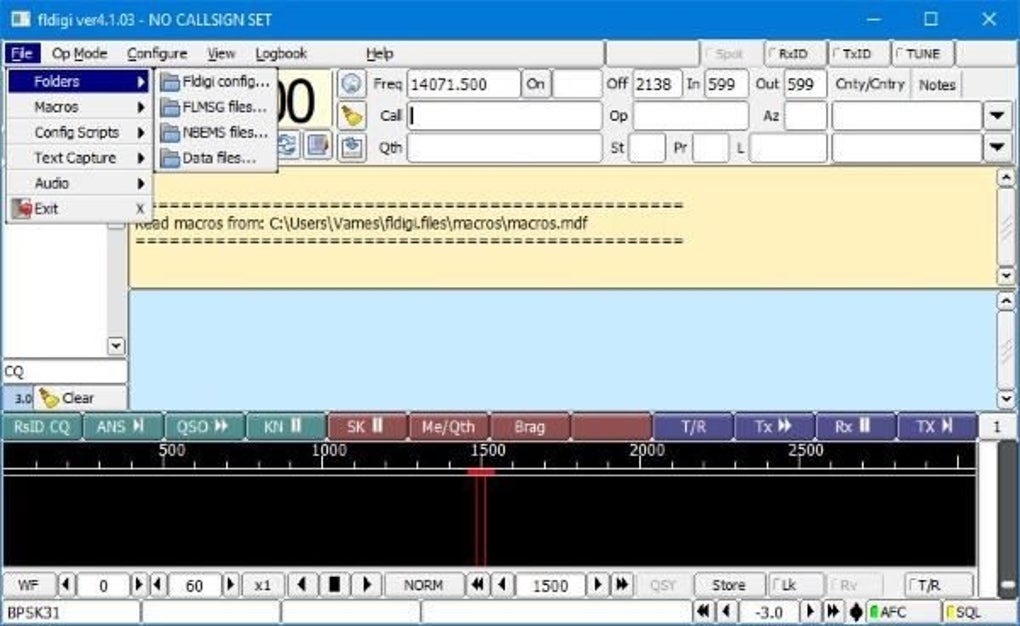
While fldigi provides a vast array of features, the user interface is designed with a focus on practicality and usability, though it may present a steeper learning curve than simpler communication tools. A helpful configuration wizard guides new users through the initial setup, ensuring that the program is correctly configured for their specific hardware and software environment. The main interface displays key parameters such as frequency, mode, and signal strength, providing a clear overview of the ongoing communication session. Experienced users can customize various settings to optimize performance for specific scenarios and modes. However, the sheer number of options and settings can initially feel overwhelming for novice users. This makes dedicated learning resources essential for leveraging fldigi’s full potential.
Advanced Features and Capabilities
Beyond the core functionalities, fldigi includes a range of advanced features that further enhance its capabilities. These include:
-
Signal Processing Algorithms: fldigi incorporates sophisticated signal processing algorithms to improve decoding accuracy, even in the presence of noise and interference. These algorithms help to filter out unwanted signals and improve the clarity of the received data.
-
Automatic Gain Control (AGC): AGC automatically adjusts the gain of the receiver to compensate for variations in signal strength, maintaining a consistent audio level. This crucial feature ensures reliable reception even in situations where the signal strength fluctuates significantly.
-
Error Correction: Many digital modes supported by fldigi employ robust error correction techniques. This helps to ensure that data is received accurately, even in the presence of interference or noise, which helps maintain clear communication regardless of external environmental factors impacting the signal.
-
Digital Signal Processing (DSP): fldigi’s efficient utilization of DSP techniques enhances the signal processing capability, allowing for high-quality transmission and reception even under challenging circumstances. This greatly increases the robustness of communication under various signal conditions.
-
Frequency Control: Precise control over the radio’s frequency is critical for successful communication. fldigi provides granular control over frequency settings, allowing for pinpoint accuracy and quick adjustments when needed.
-
Logbook Integration: The program provides options for seamless integration with radio amateur logging software, streamlining record-keeping of contacts. This integration helps maintain a detailed and organized log of all communication activity.
Comparison with Alternative Software
Several other software packages offer digital mode capabilities for amateur radio. However, fldigi stands out due to its comprehensive support for a wide range of digital modes, coupled with its robust signal processing algorithms and advanced features. While alternative applications might provide a simpler interface or focus on specific modes, fldigi’s versatility and sophisticated capabilities make it a preferred choice for many experienced radio amateurs. The choice between fldigi and alternative solutions depends largely on the individual user’s specific needs and technical expertise.
Conclusion: fldigi’s Role in Modern Amateur Radio
fldigi plays a significant role in modern amateur radio, enabling efficient and reliable digital communication using a diverse range of modes. Its versatility, coupled with advanced features like robust signal processing and error correction, makes it a valuable tool for both novice and experienced radio enthusiasts. While the software might present a steeper learning curve, its extensive capabilities and potential are highly rewarding for those willing to invest the time to master its functionalities. The software continues to be a cornerstone in the evolution of amateur radio communications, facilitating connections and information exchange worldwide. Its ongoing development and community support solidify its position as a leading choice for digital mode communication in the hobby.
File Information
- License: “Free”
- Version: “4.1.06”
- Latest update: “July 29, 2019”
- Platform: “Windows”
- OS: “Windows Vista”
- Language: “English”
- Downloads: “4.9K”
- Size: “6.12 MB”


