
The Floating Clock of Desktop application offers a stylish and functional way to display the time on your Windows computer. Beyond simply telling time, this software provides a customizable and aesthetically pleasing clock that enhances your desktop experience. This in-depth review explores its features, benefits, and alternatives.
Customizable Appearance and Placement
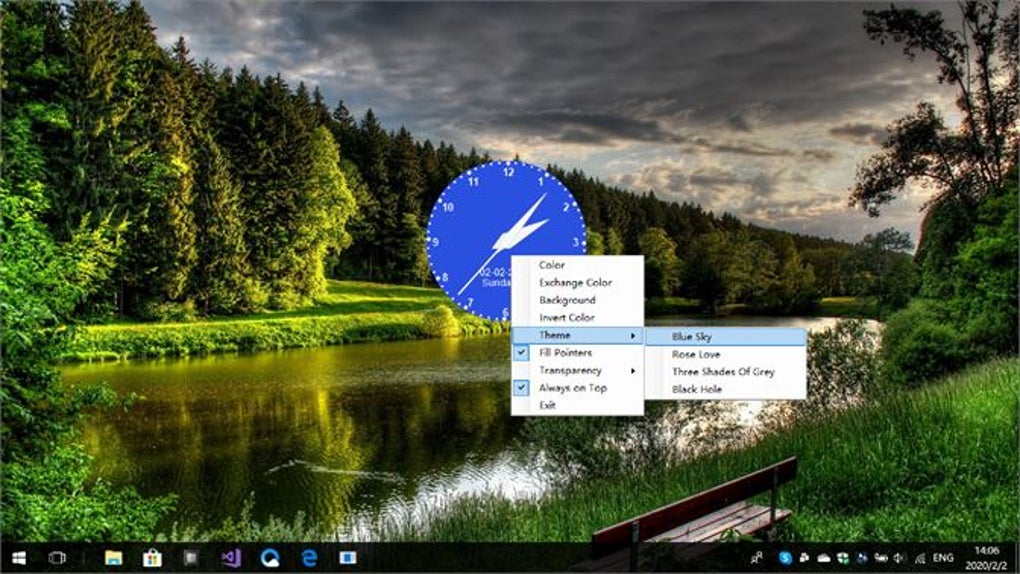
One of the key features of Floating Clock of Desktop is its extensive customization options. Users can personalize the clock’s appearance to match their individual style and desktop theme. This includes a variety of skin effects, allowing users to choose from sleek, modern designs to more whimsical and playful aesthetics. The range of available skins likely provides options to suit diverse tastes, from minimalist designs that blend seamlessly into a clean desktop background to more ornate options that add a pop of visual interest. The ability to tailor the clock’s visual style is a significant advantage, allowing for a truly personalized computing experience.
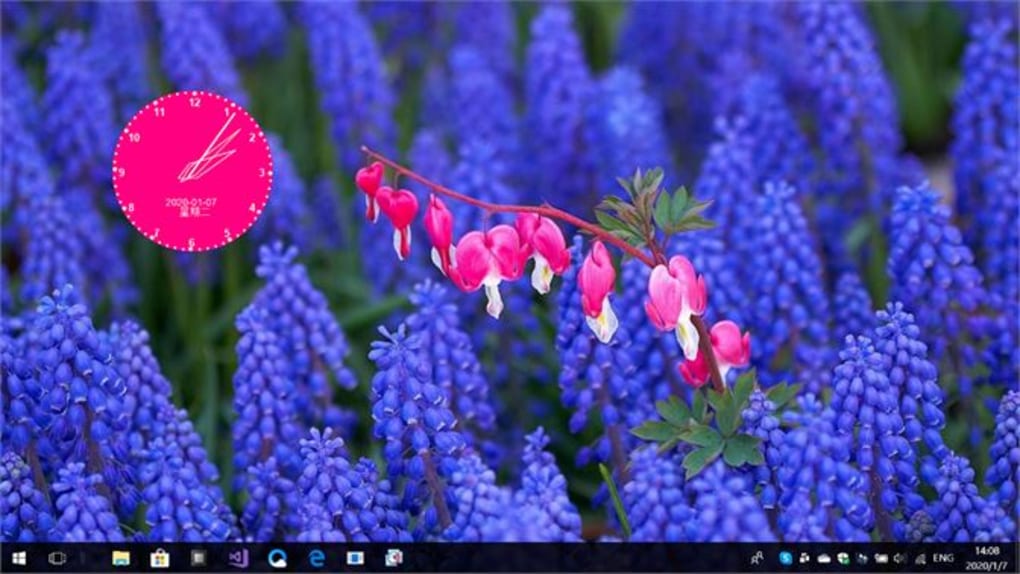
Beyond the visual themes, the clock’s placement on the desktop is fully customizable. Users aren’t restricted to a single location; instead, they can freely position the clock anywhere on the screen, ensuring it doesn’t obstruct important elements of their workflow. This flexibility is particularly beneficial for users with multiple monitors or those who prefer to keep their desktop organized in a specific way. The ability to drag and drop the clock to the most convenient position ensures optimal usability and prevents it from being an unwelcome distraction.
Precise Timekeeping and Functionality
While aesthetic customization is a prominent feature, the software’s core function – accurate timekeeping – is equally important. Floating Clock of Desktop provides precise time information, typically down to the second. This accuracy is crucial for users who rely on a readily available, reliable time source on their desktop. Whether it’s for quickly checking the time during work, scheduling appointments, or simply maintaining an awareness of the current hour, the app delivers dependable and precise timekeeping.
The developer, Solid Workshop, likely prioritizes accuracy in its design and implementation. While the specific algorithms used for time synchronization aren’t publicly detailed, the reliability of the time display is a key factor in the overall user experience. Any discrepancies or delays in time accuracy would negatively impact the app’s utility, so maintaining precise timekeeping is likely a core focus of the software’s development and maintenance.
Ease of Use and User Interface
The Floating Clock of Desktop is designed for simplicity and ease of use. The interface is likely intuitive, requiring minimal learning curve for most users. The installation process should be straightforward, with clear instructions and a minimal number of steps. Once installed, the clock should be readily accessible and easily customizable through a user-friendly interface.
The application’s user-friendliness contributes significantly to its appeal. Complex settings and intricate menus can frustrate users, whereas a straightforward interface makes the app accessible to a wider range of users, including those less technologically proficient. This focus on usability is essential for a software application like a desktop clock, which should be unobtrusive and easy to interact with, if interaction is even required beyond initial setup.
Alternatives and Comparisons
While Floating Clock of Desktop offers a compelling solution for desktop clock needs, several alternative applications provide similar or competing functionalities. Some alternatives might offer additional features such as world clock functionalities (displaying time in multiple time zones), alarms, timers, or integration with calendars. The specific features and strengths of alternative applications vary.
For example, an application like World Clock might offer a broader range of time zones and potential customization options beyond simply visual skins. Other applications might prioritize timer functions, offering more comprehensive timer controls and management tools. Ultimately, the best choice depends on an individual’s needs and preferences. Some users might prefer a simpler clock, prioritizing aesthetic customization and ease of use, while others might prefer more comprehensive time-related tools.
System Requirements and Compatibility
Floating Clock of Desktop is designed for Windows operating systems. Specific system requirements, such as minimum RAM, processor speed, and compatible Windows versions, are likely specified by the developer. Checking these requirements before installation is crucial to ensure compatibility and optimal performance.
Older systems might experience performance issues if they don’t meet the minimum requirements. Running the application on a system with insufficient resources could lead to slowdowns, crashes, or unexpected behavior. Conversely, newer systems with higher specifications should easily handle the application’s relatively modest resource demands. Compatibility information, including supported Windows versions (Windows 10, Windows 11, etc.), should be readily available from the developer or on the application’s download page.
Security and Privacy Considerations
As with any software download, it’s important to consider security and privacy aspects. Reputable sources for downloading the application are essential to minimize the risk of malware or unwanted bundled software. Downloading from the official developer’s website or a trusted software repository reduces this risk significantly.
Before installing any software, it’s generally advisable to scan the downloaded file with a reputable antivirus program. This step adds an extra layer of security, helping to identify any potential threats before installation. Furthermore, reviewing the application’s privacy policy is essential to understand what data, if any, is collected and how it is used. Transparency regarding data collection practices is crucial for building user trust and ensuring responsible data handling.
User Reviews and Feedback
User reviews and feedback are valuable indicators of an application’s quality and user experience. Positive reviews often highlight features such as ease of use, attractive design, and reliable performance. Negative reviews, on the other hand, can point to potential issues such as bugs, incompatibility problems, or unsatisfactory customer support.
Examining a range of user reviews provides a balanced perspective, helping potential users make informed decisions before downloading and installing the application. Platforms such as Phanmemfree, where the application is listed, often provide user review sections, offering valuable insight into the user experience. Understanding the strengths and weaknesses of the application, as reflected in user feedback, is crucial for determining if it meets individual needs and expectations.
Conclusion
Floating Clock of Desktop offers a visually appealing and functional solution for adding a customizable clock to a Windows desktop. Its strength lies in its blend of aesthetic personalization and precise timekeeping. The ease of use and simple interface make it accessible to a wide range of users. However, potential users should compare it to alternative applications and carefully consider system requirements, security implications, and user reviews before making a decision. The ultimate value of the application depends on individual needs and preferences, but for those seeking a stylish and functional desktop clock, Floating Clock of Desktop is a viable option.
File Information
- License: “Full”
- Version: “1.0”
- Latest update: “February 5, 2024”
- Platform: “Windows”
- OS: “Windows 10”
- Language: “English”
- Downloads: “9.3K”


