
Floating healthbars, a seemingly simple concept, have significantly impacted the gaming experience across various platforms and genres. Their evolution reflects the broader development of game design, player experience, and the technical capabilities of gaming hardware and software. While seemingly trivial, the design and implementation of health bars have a surprising depth, impacting gameplay, immersion, and the overall narrative. This article explores the history, development, and ongoing relevance of floating healthbars in the gaming landscape.
The Genesis and Early Evolution of Floating Healthbars
The concept of displaying a character’s health status visually has been present in video games since their inception. Early games often used simple, static indicators, often located at the bottom or side of the screen. These lacked the dynamic visual cue that floating healthbars provide. The transition to more dynamic indicators like floating healthbars wasn’t a sudden leap but an evolution driven by several factors, including increasing processing power and the desire for enhanced visual feedback.
The initial implementations of floating healthbars were often rudimentary. They lacked the sophisticated animations and visual effects seen in modern games. However, even these early iterations provided a crucial advantage: context-sensitive information. By displaying the health directly above a character, players could quickly assess the health status of enemies or allies amidst the chaos of battle without having to look away from the core action. This immediate visual feedback significantly enhanced gameplay, especially in fast-paced action games and real-time strategy (RTS) titles.
One notable example cited in early discussions is the implementation of a similar visual cue in the Xbox Live Arcade games. An “X” beside a character’s portrait served to indicate health status, which, while effective, proved difficult in providing granular information. It only allowed players to assess damage generically, without the nuance of specific body part damage.
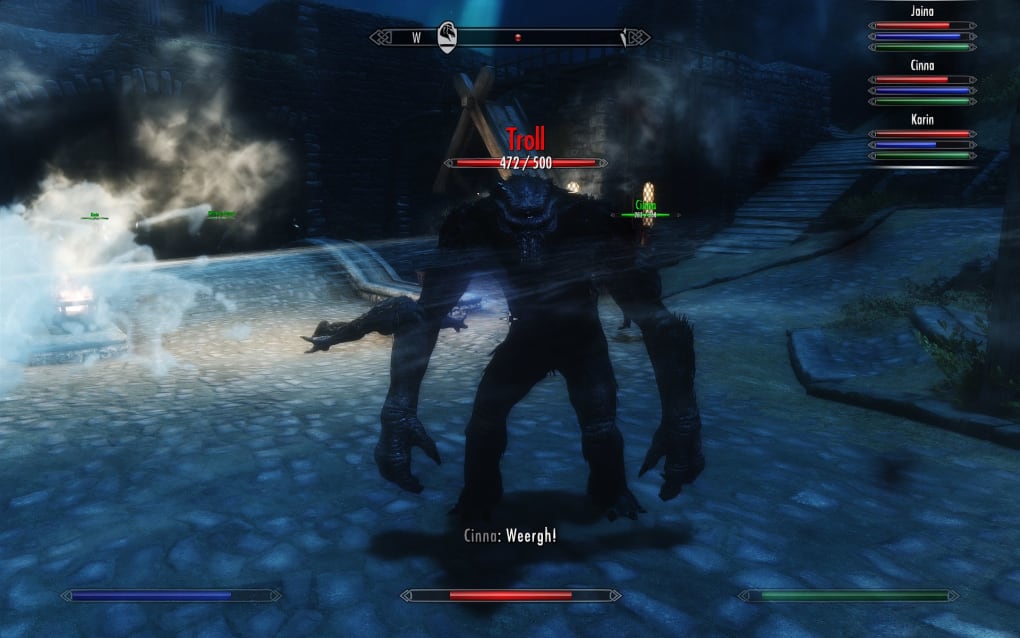
The evolution of floating healthbars is closely tied to the increasing sophistication of role-playing games (RPGs). Early RPGs, such as the original Baldur’s Gate, utilized static health bars, highlighting the limitations of early game design. These static health bars, while functional, often disrupted the flow of gameplay, requiring players to divert attention from the action to check health. This limitation became even more pronounced as game complexities increased, leading to the exploration of more dynamic and intuitive solutions.
The Rise of Mana and the Refinement of Health Bar Design
The introduction of mana systems in many RPGs offered a compelling alternative to overly simplified health bar representations. Mana, representing a character’s magical energy, allowed for a more layered approach to game mechanics, enabling a greater range of tactical decisions. While mana itself didn’t directly replace health bars, it provided a different aspect of character status. The clear distinction between health and mana allowed for smoother visual representation, lessening the visual clutter associated with having multiple status bars on the screen. This, in turn, influenced the design of health bars. The need to display several different resource bars became a design challenge, ultimately fostering innovation in the display of health information. The relative simplicity of mana compared to more complex health metrics contributed to cleaner and more streamlined visual representations.
Despite the improvements, the existing health bars remained a focal point of criticism. Many players felt that single-look health indicators provided insufficient information. A single bar could hide crucial details regarding the state of a character’s health. This spurred on the development of enhanced representations, moving away from simple numerical displays. The move to visual cues for health status was a response to these criticisms and aimed for increased clarity.
The Impact of Modding and Player Agency
The inherent flexibility and customizability of the gaming community, particularly through modding, played a significant role in the progression of floating healthbars. Player-created modifications, such as the animated model replacement of health bars in Baldur’s Gate, showcase the power of user-driven innovation. This transition is a testament to the significant impact the gaming community has on game mechanics and presentation. The replacement of a simple bar with an animated model dramatically changed how players perceived their characters. This mod illustrated the potential of a more dynamic approach to health bar representation. The improved visual feedback enhanced the immersive experience, demonstrating the significant influence modding can have on gameplay and user experience. It also highlighted a demand for more visually engaging and informative health bar systems.
Floating Healthbars in Modern Gaming: A Multifaceted Approach
Modern games have significantly evolved the concept of healthbars. While the basic principle remains the same – to visually represent a character’s health – the implementation has diversified to meet the specific needs of various genres and game mechanics. In fast-paced action games, floating healthbars provide crucial real-time feedback, allowing for quick decisions during intense combat sequences.
In RPGs, where character management is more nuanced, healthbars might integrate with other status effects or buffs. They might visually indicate the impact of various skills and abilities on a character’s health. This integration serves to enhance strategic gameplay and narrative immersion. The visual representation might also take the form of dynamic displays that change color, pulse, or shrink depending on the character’s health status, adding more visual cues to player experience.
Even in genres where traditional healthbars might seem out of place, developers have found innovative ways to incorporate them. For example, in simulation games or strategy games, the healthbar could be subtly integrated into the user interface, such as a tiny bar next to a unit or building, providing quick status updates without visually cluttering the screen.
The visual design of healthbars has also undergone significant changes. While simple bars were initially sufficient, modern implementations include a wide array of visual styles, from highly detailed and animated bars to minimalist and elegant designs. This visual diversity allows game developers to maintain consistency with the overall art style and tone of their games. The selection of visual style often aligns with overall game design, resulting in healthbars that are both functional and aesthetically pleasing.
The Future of Floating Healthbars: Beyond Simple Indicators
Looking towards the future, the evolution of floating healthbars will likely be driven by several factors. Virtual reality (VR) and augmented reality (AR) gaming will require innovative approaches to visual cues, requiring more intuitive and immersive representations of health. The emergence of new input devices and interaction methods will also necessitate a rethinking of how health information is displayed.
Moreover, the increasing use of artificial intelligence (AI) in game development could lead to more dynamic and adaptive healthbar systems. AI could potentially analyze player behavior and adjust the visual presentation of health information to optimize gameplay. The design might shift toward more personalized displays, adapting to individual playstyles and preferences.
The future might also witness a greater emphasis on integrating healthbar information with other game mechanics. For example, healthbars could be linked to player’s emotional responses, such as heartbeat or physiological responses. In this concept, healthbars might not just display numerical values, but could reflect the character’s overall well-being. This approach moves beyond simple numerical indicators towards a more comprehensive and immersive display of character status.
In conclusion, floating healthbars have undergone a remarkable evolution, from rudimentary static indicators to dynamic and multifaceted elements in modern games. Their development reflects the ongoing advancements in game design, technology, and player expectations. The future of floating healthbars holds immense potential for innovation, promising even more immersive and engaging gaming experiences. Their impact goes beyond simple visual representation, influencing gameplay mechanics, player engagement, and overall narrative immersion in numerous ways.
File Information
- License: “Free”
- Version: “1.2.0”
- Latest update: “September 8, 2021”
- Platform: “Windows”
- OS: “Windows 10”
- Language: “English”
- Downloads: “43”
- Size: “77.05 KB”


