
Flock, a once-popular web browser aiming to integrate social media seamlessly into the browsing experience, holds a unique place in internet history. While discontinued since late 2011, its innovative approach and the circumstances surrounding its demise offer valuable insights into the evolution of web browsers and the ever-shifting landscape of social media integration. This article explores Flock’s features, its strengths and weaknesses, and the reasons behind its ultimate discontinuation.
Flock’s Core Functionality: Social Media Integration
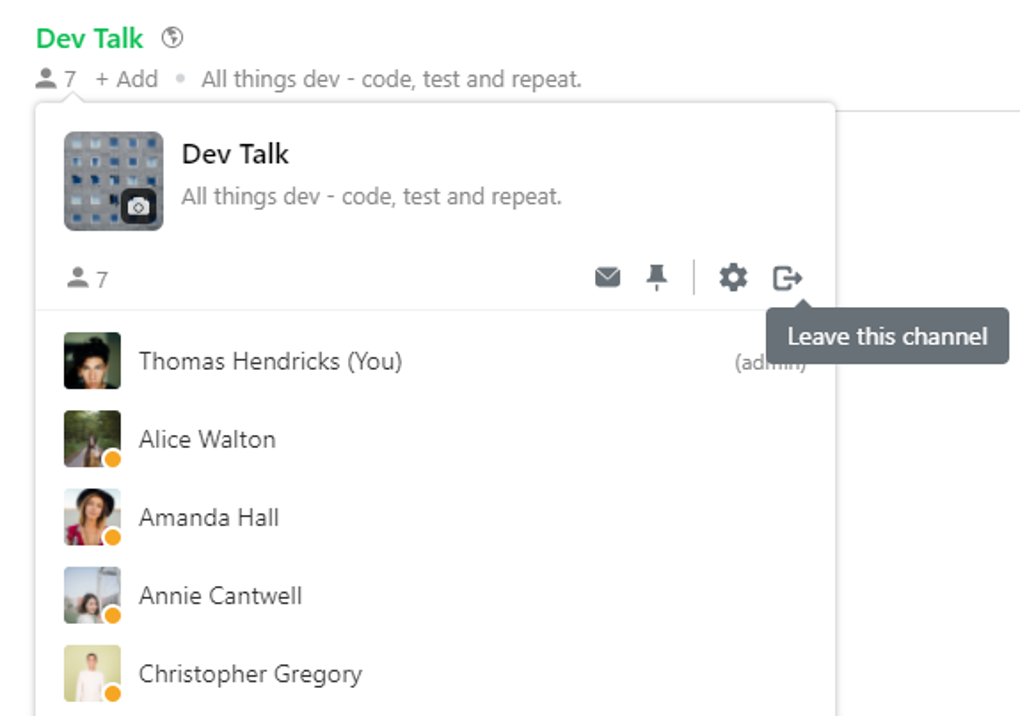
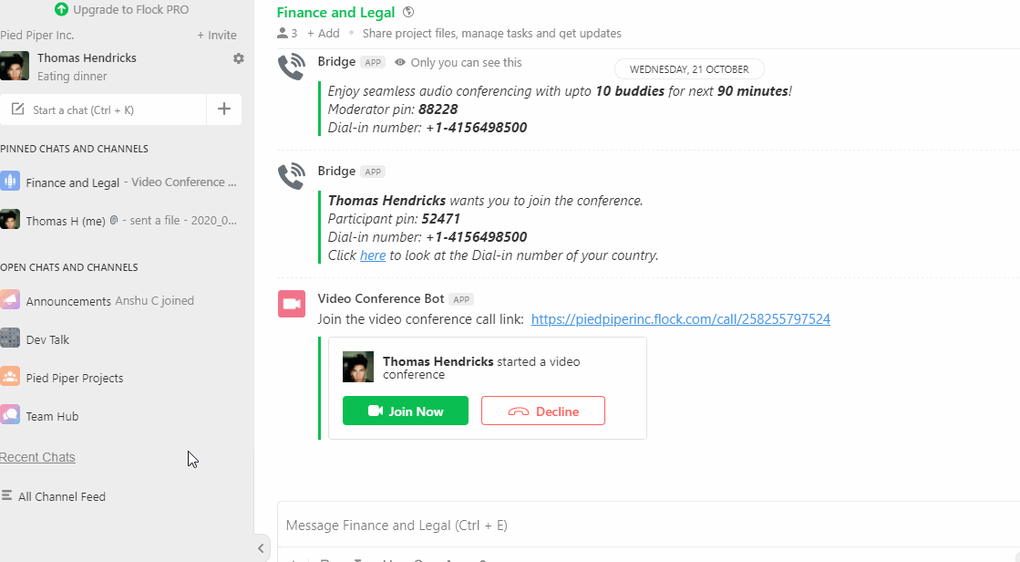
Flock’s defining characteristic was its tight integration with prominent social media platforms of its time, primarily Facebook and Twitter. Unlike contemporary browsers that merely offered access to these sites via new tabs, Flock aimed to embed these social experiences directly within the browsing environment. This integration manifested in a dedicated sidebar displaying real-time updates from Twitter and Facebook feeds. Users could view tweets and Facebook posts, respond to them, retweet, direct message, and even update their own statuses directly from this sidebar, eliminating the need to switch between multiple tabs or applications. This “always-on” social experience was intended to improve efficiency and streamline the user workflow for individuals who frequently used these platforms. The addition of RSS feed support further broadened Flock’s capability to aggregate information from multiple sources within a single interface.
The execution of this integration, however, presented both advantages and drawbacks. The clickable tweet and Facebook post bubbles, which expanded to reveal reply, retweet, and comment options, were intuitively designed and offered a streamlined interaction. The ability to update social media statuses directly from the browser, without the interruption of opening a new tab, was undoubtedly a notable feature for many users. However, the overall design lacked the refinement that would have made it truly seamless.

Design and User Interface: A Blend of Minimalism and Clutter
Flock’s foundation was built upon the Google Chrome engine, inheriting its speed and minimalist interface. This foundation contrasted with the social integration features, resulting in a somewhat mixed aesthetic. While the core browser was clean and efficient, the social sidebar, which was a crucial element of Flock’s design, could become quite bulky, especially with numerous RSS feeds and active social media streams. This clutter could detract from the overall browsing experience, particularly for users who preferred a distraction-free environment. Moreover, the sidebar’s permanent presence on the right-hand side of the screen could be intrusive, potentially obstructing the main browsing area. The inability to easily customize the sidebar’s size or location further hampered its usability.
One significant shortcoming of Flock’s social integration was the omission of core Facebook features, most notably Facebook Chat. This absence was a critical flaw, considering Facebook Chat’s ubiquitous use at the time. For users heavily reliant on Facebook Chat for communication, the absence of this functionality severely limited Flock’s practical appeal. The RSS feed integration, while theoretically useful for information aggregation, also contributed to the potential for clutter within the sidebar, particularly if a user subscribed to numerous feeds. The lack of sophisticated filtering or customization options for RSS feeds further exacerbated this issue. The visual design, while striving for a minimalist approach, didn’t always balance the competing needs of a clean interface and the functional demands of social media integration.
Performance and Technological Underpinnings
Initially based on Firefox 3, Flock’s transition to the Chrome engine was a pivotal moment in its development. The shift brought substantial improvements in speed and performance, aligning it with the efficiency and resource-light design philosophy of Chrome. The underlying engine transition enhanced browser stability, reduced resource consumption, and generally provided a smoother browsing experience. This improved performance was crucial in the competitive landscape of web browsers, especially considering Flock’s unique social features, which could potentially place higher demands on system resources.
The use of Chrome’s engine also brought with it several advantages inherent to that technology, such as compatibility with Chrome extensions, thereby broadening the potential for customization and functionality. However, this move also alienated a segment of users who were strong proponents of Firefox and its distinct features, potentially contributing to a loss of some of its initial user base. Ultimately, the technology choices made by Flock, while strategically aiming for improved performance and scalability, also influenced its user appeal and market acceptance.
Flock’s Demise: A Case Study in Browser Evolution
Flock’s discontinuation in late 2011 serves as a cautionary tale in the rapidly evolving world of web browsers and social media integration. While its social integration was an innovative concept, it failed to achieve the necessary market penetration to ensure its long-term viability. Several factors contributed to its downfall:
-
Market Saturation: The browser market was—and remains—highly competitive. Established players like Chrome, Firefox, and Internet Explorer had a significant head start, and deeply ingrained user bases. Flock struggled to gain substantial market share.
-
Shifting Social Media Landscape: Social media usage patterns evolved rapidly. While Facebook and Twitter were central to Flock’s design, the emergence and growth of other platforms, along with changing user habits, rendered Flock’s specific focus less relevant.
-
Integration Challenges: The social integration, while ambitious, was not perfectly executed. The bulky sidebar, lack of key features (like Facebook Chat), and less than ideal RSS feed management significantly impacted the user experience, discouraging adoption.
- Lack of Differentiation: While innovative, Flock didn’t ultimately offer a compelling enough reason for users to switch from established browsers that were continually improving their own functionality. It lacked a clear niche that would set it apart.
Conclusion: Lessons Learned from Flock’s Story
Flock’s story offers valuable lessons for developers and entrepreneurs: innovation alone isn’t sufficient for success. Even with a unique and potentially beneficial concept, factors like market saturation, rapid technological changes, and execution flaws can significantly impact a product’s lifespan. Flock’s attempt at social media integration within a web browser demonstrated the potential benefits of combining online experiences; however, the implementation required a much higher level of refinement and adaptation to user needs to succeed. Its legacy serves as a reminder that staying ahead of the curve requires not only innovative ideas but also meticulous execution, strategic adaptability, and a deep understanding of the market and user behavior. The discontinuation of Flock highlights the competitive nature of the software development field and the importance of adapting to a constantly evolving technological landscape.
File Information
- License: “Free”
- Latest update: “December 23, 2024”
- Platform: “Windows”
- OS: “Windows 10”
- Downloads: “368.3K”
- Size: “11.87 MB”


