
Football Manager 2010, released in 2009, marked a significant milestone in the long-running and critically acclaimed Football Manager series. This iteration brought substantial improvements to the already immersive football management experience, pushing the boundaries of realism and strategic depth. It wasn’t just an incremental update; it was a leap forward, enhancing gameplay mechanics, refining the user interface, and adding a wealth of new features that captivated players and solidified its place as a cornerstone of the genre. This comprehensive review will delve into the key aspects that made Football Manager 2010 a memorable and enduring title.
Enhanced Match Engine and Visuals
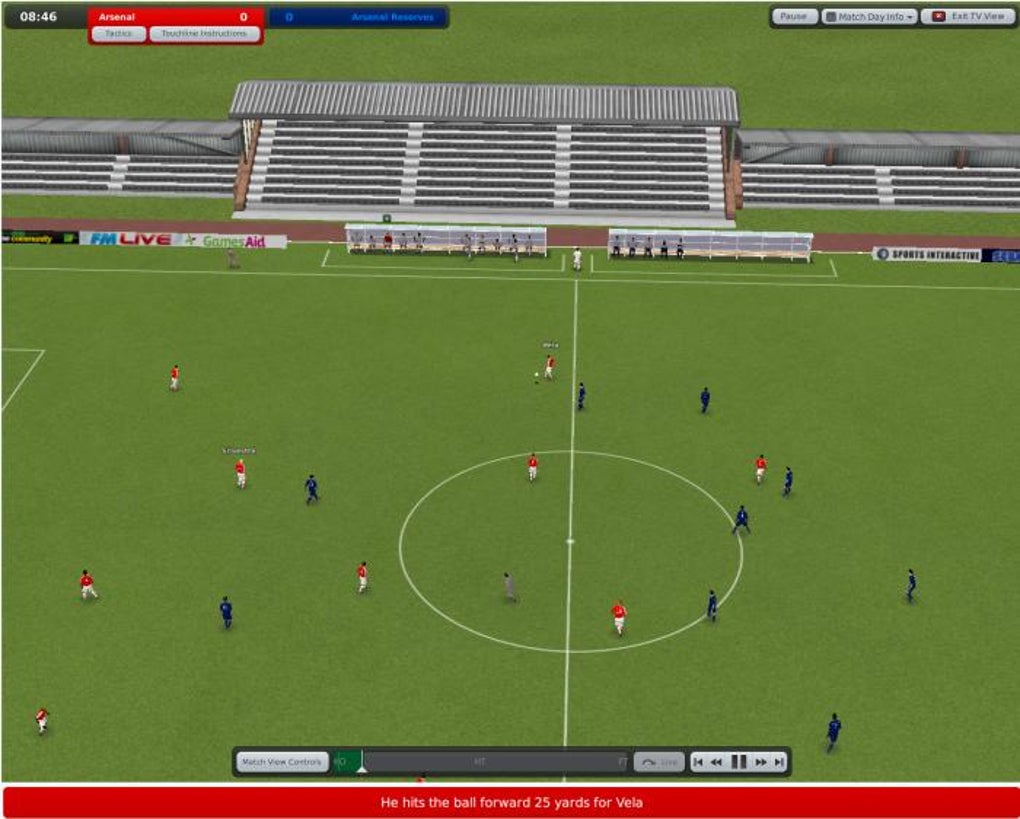
One of the most noticeable improvements in Football Manager 2010 was the significant overhaul of the match engine. The 3D match view received a major polish, boasting 100 new player animations that resulted in far more realistic and fluid player movements. Gone were many of the stiff and repetitive animations of previous iterations, replaced by a dynamic display of athleticism and tactical maneuvering. Player behaviors felt more authentic, responding more convincingly to the in-game situations and the manager’s tactical instructions.
But the visual enhancements weren’t limited to player animations. Football Manager 2010 introduced environmental factors that added another layer of realism and strategic complexity. For the first time, the pitch itself became dynamic, degrading visibly over the course of a match. This meant that the playing surface, initially lush and green, could become torn and uneven, impacting player movement and potentially increasing the risk of injuries. Furthermore, the weather conditions could change during a match, introducing unpredictable elements such as rain or wind. These dynamic weather patterns could affect player stamina, ball trajectory, and even increase the chance of injuries due to slippery conditions. These subtle yet impactful additions forced managers to adjust their strategies in real-time, adding a significant layer of tactical challenge.
The increased realism was further enhanced by a substantial increase in the number of in-game touchline instructions. Managers now had access to 22 different commands, providing much finer control over their team’s performance during a match. This granular level of control allowed for more nuanced adjustments to tactics and formations, enabling managers to react effectively to changing game dynamics.
Refined Tactics and In-Depth Analysis
Football Manager 2010 significantly improved upon the already robust tactics system of previous versions. The introduction of the “Tactics Creator” module allowed for incredibly precise adjustments to team strategy, overall philosophy, and individual player roles. This level of customization gave managers unprecedented freedom to implement highly specific and personalized tactical plans, reflecting their own unique managerial styles and approaches. The detailed options allowed managers to fine-tune every aspect of their team’s play, from defensive formations and pressing strategies to attacking movements and passing styles.
Post-match analysis also received a substantial boost in Football Manager 2010. The game provided a more in-depth statistical breakdown of each match, allowing managers to meticulously analyze individual and team performances across various key metrics. They could delve into the specifics of shots, passes, crosses, headers, tackles, fouls, and interceptions, gaining a granular understanding of their team’s strengths and weaknesses. This detailed data allowed for more informed tactical adjustments and player development strategies.
Comprehensive Database and Editing Capabilities
Football Manager 2010 continued the series’ tradition of boasting a vast and comprehensive database of leagues, teams, and players that would make any intelligence agency envious. The game featured fully licensed leagues and teams from across the globe, allowing players to manage some of the world’s most prestigious clubs and compete in major international competitions. Each player was meticulously detailed, complete with a wealth of statistics and attributes that reflected their real-world counterparts.
For players seeking even greater customization, Football Manager 2010 introduced a powerful data editor. This tool enabled users to modify existing data or even add entirely new leagues, teams, and players, greatly expanding the game’s replayability. This feature catered to those who wanted to experiment with hypothetical scenarios, create their own leagues, or even build a team from scratch.
Enhanced Off-Field Features and Improved User Interface
Beyond the on-field action, Football Manager 2010 enhanced various off-field features, adding further depth and immersion to the managerial experience. New additions included RSS feeds that provided real-time news updates, more realistic and engaging press conferences that tested the manager’s media handling skills, and opportunities to interact with other players and discuss strategies on online forums. These elements elevated the simulation beyond just managing a football team to encompass the entire scope of being a football manager.
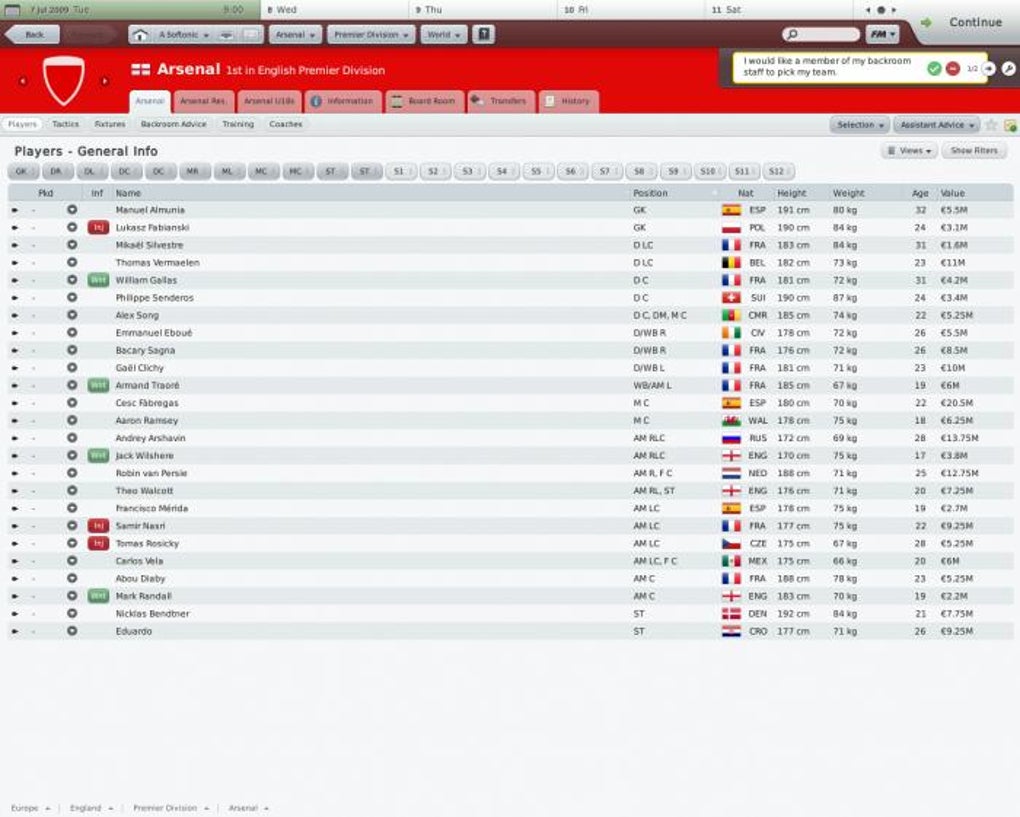
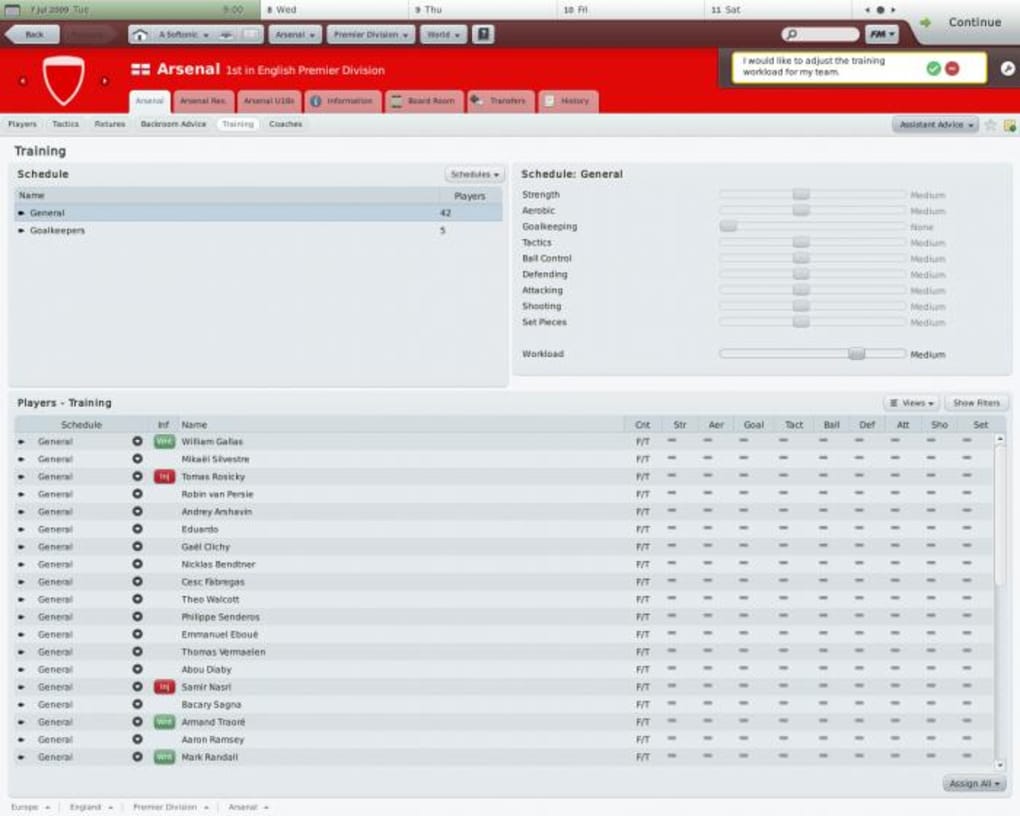
The user interface also underwent a significant transformation in Football Manager 2010. The game abandoned the side-bar navigation system of previous versions in favor of a more intuitive tab-based system. This streamlined design made navigation much smoother and more efficient, allowing managers to access vital information and manage various aspects of their club more quickly and effectively. Furthermore, the game offered the option of choosing between a black or white skin, enabling players to customize their visual experience. The overall effect of these UI improvements was to make the game less overwhelming for new players while maintaining depth and functionality for experienced players.
Overall Assessment: A Giant Leap Forward
Football Manager 2010 represented a substantial leap forward for the series. The enhanced match engine, with its improved visuals and dynamic environmental factors, brought unparalleled realism to the game. The refinement of the tactics system, combined with the in-depth analysis tools, allowed for greater strategic control and tactical flexibility. The extensive database, coupled with the powerful data editor, provided an immense level of customization and replayability. Finally, the improved user interface and the addition of engaging off-field features further enhanced the overall experience, creating a truly comprehensive and immersive football management simulation.
While the sheer depth of Football Manager 2010 might initially overwhelm some players, the learning curve is rewarded with an incredibly rewarding and richly detailed experience. It’s a game that can easily consume countless hours, demanding strategic thinking, tactical acumen, and even a fair amount of patience. It’s a game that truly challenges and rewards those who dedicate themselves to mastering its complexities. While Football Manager 2011 ultimately succeeded it, Football Manager 2010 remains a landmark title in the series, demonstrating a significant stride in realism, depth, and gameplay innovation.
Pros and Cons
Pros:
- Excellent 3D match engine with improved animations and environmental factors (pitch degradation, dynamic weather).
- Powerful Tactics Creator module for highly precise tactical customization.
- Comprehensive data editor for extensive modification and creation of leagues, teams, and players.
- User-friendly interface with tab-based navigation for improved efficiency.
- In-depth post-match analysis providing granular statistical breakdowns.
- Engaging off-field features including RSS feeds, press conferences, and online forums.
- Vast and detailed database of real-world leagues, teams, and players.
- Improved in-game touchline instructions.
Cons:
- The sheer depth and complexity of the game can be initially overwhelming for new players.
- The immersive nature of the game can be time-consuming and potentially addictive.
Despite its demanding nature, Football Manager 2010 stands as a testament to the evolution of sports management simulations. It refined the formula established by its predecessors and set a high bar for future iterations. For those seeking a truly immersive and challenging football management experience, Football Manager 2010 remains a rewarding and unforgettable classic.
File Information
- License: “Trial version”
- Latest update: “October 16, 2009”
- Platform: “Windows”
- OS: “Windows 7”
- Language: “English”
- Downloads: “464.7K”
- Size: “1.07 GB”


