
Forge of Empires is a captivating free-to-play, browser-based strategy game that embarks players on an epic journey through the annals of human history. Developed by InnoGames GmbH, this immersive title challenges you to transform a humble Stone Age settlement into a thriving, technologically advanced metropolis that spans millennia. Available across various platforms, including Windows devices and Android, Forge of Empires skillfully merges intricate city-building, strategic resource management, technological innovation, and tactical combat into an engaging experience designed for countless hours of entertainment.
The game’s premise is one of continuous evolution and expansion. Players begin in the most rudimentary of times, tasked with establishing a basic village. As the centuries unfold and new eras dawn, you are empowered to research groundbreaking technologies, construct increasingly sophisticated buildings, and cultivate a powerful empire that reflects the architectural and societal advancements of each epoch. This journey is not merely about construction; it’s about making critical strategic decisions, managing a complex economy, and training a formidable army to defend your burgeoning dominion against rivals and computer-controlled adversaries. Forge of Empires offers both solitary campaigns and dynamic multiplayer interactions, ensuring a rich and varied gameplay experience for both casual enthusiasts and seasoned strategists.
Unveiling the Gameplay: From Stone Age Settlements to Grand Metropolises
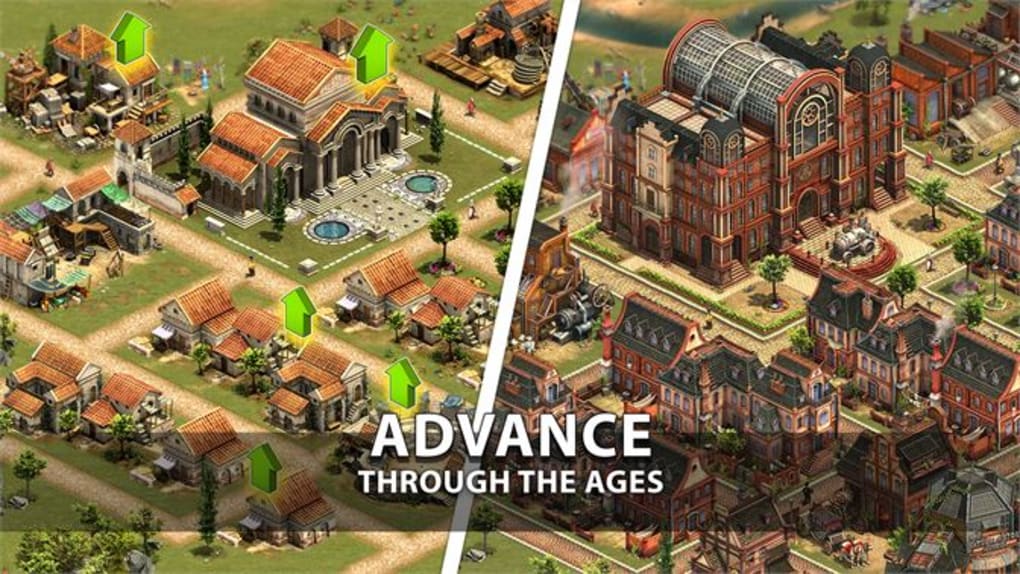
Your adventure in Forge of Empires commences in the primitive Stone Age, a period where survival and basic settlement establishment are paramount. Players find themselves with the challenging task of laying the groundwork for what will eventually become a grand civilization. The core gameplay loop revolves around progression through different historical ages, each unlocking new opportunities and presenting unique challenges. As your civilization advances from one era to the next, you gain access to innovative technologies that allow for the construction of more contemporary structures, from simple huts to intricate industrial complexes and futuristic marvels.
This strategic browser game offers a comprehensive experience that blends elements of city-building with intense action. In the single-player mode, you are the architect and leader, responsible for beautifying your cities, developing cutting-edge weapons, and training a formidable army. A keen sense of financial management is essential, as you oversee tax collection from your residents and allocate these funds wisely towards research, construction, and territorial expansion. The economy of your empire is a living entity, constantly requiring attention to ensure a steady flow of resources and a happy populace.
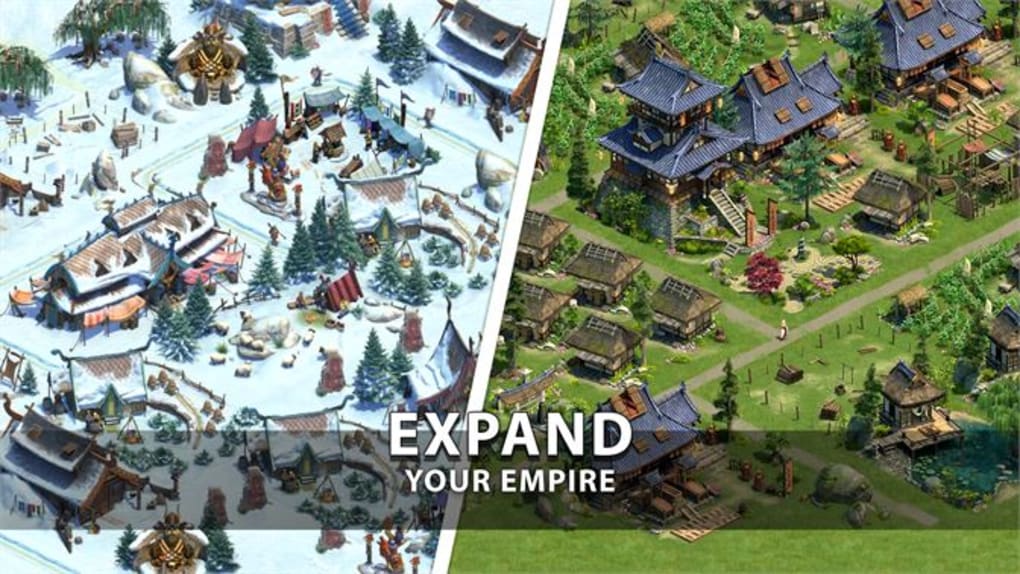
Beyond peaceful development, Forge of Empires introduces exciting wars against both computer AI and other players. Building an invincible military unit is only half the battle; successfully waging war demands astute tactical planning. You must strategically deploy your forces, understand unit matchups, and exploit terrain advantages to secure victory against your opponents. The multiplayer mode elevates the experience, allowing players to form alliances and join hands to defeat common enemies, sharing resources and conquests. This cooperative aspect fosters a vibrant community, encouraging collaboration and friendly competition as players vie for dominance across the game world. The blend of peaceful development and strategic warfare ensures that the gameplay remains dynamic and engaging, constantly requiring players to adapt their strategies to evolving challenges.
Forging Your Empire: The Art of City Planning and Resource Management
The initial step in forging your empire involves selecting a suitable piece of ground to establish your first village. This foundational choice is crucial, as the layout and efficiency of your city will directly impact your long-term success. Forge of Empires provides a diverse array of building options, each serving a distinct purpose and offering specific benefits, reminiscent of popular city-building and strategy titles. These building types are broadly categorized into residential structures, cultural hubs, goods buildings, and military units, alongside unique historical structures.
Residential buildings are the bedrock of your empire, providing both a populace and a steady stream of monetary resources through taxation. Without a sufficient number of these structures, your city cannot grow, and you’ll lack the workforce needed for other essential activities. Once the basic needs for shelter and income are met, the focus shifts to ensuring the well-being of your citizens. Cultural buildings play a vital role here, enhancing happiness and satisfaction among residents. A happy populace is a productive one, leading to increased output across all sectors of your city.
Next, establishing goods buildings is essential for producing variable commodities. These goods are critical for internal consumption, allowing for further research and construction, and for external trade with neighboring players. Trading goods can secure resources that your empire might lack, fostering economic interdependence and diplomatic relations. Furthermore, the game features magnificent historical structures, which offer substantial benefits, often unique to their era. While these demand significant resources and strategic planning to construct, their long-term advantages in terms of production, defense, or cultural influence are invaluable. Finally, military units are indispensable for defense and conquest. These specialized buildings are where you train your warriors, from basic infantry to advanced siege weapons, and where the spoils of your conquests are stored, signifying your military might.
The Vital Role of Research and Forge Points
Progression through the ages in Forge of Empires is intricately linked to its “Research Trees.” These comprehensive trees serve as a technological roadmap, guiding your civilization from ancient times into the future by allowing you to develop new skills and unlock advanced technologies. For instance, early research might enable you to understand the properties of fire or wood, leading to the creation of essential tools and more durable wooden huts, a significant leap from primitive dwellings. Without engaging with these research pathways, your empire would remain stagnant, unable to adapt to the evolving demands of time.
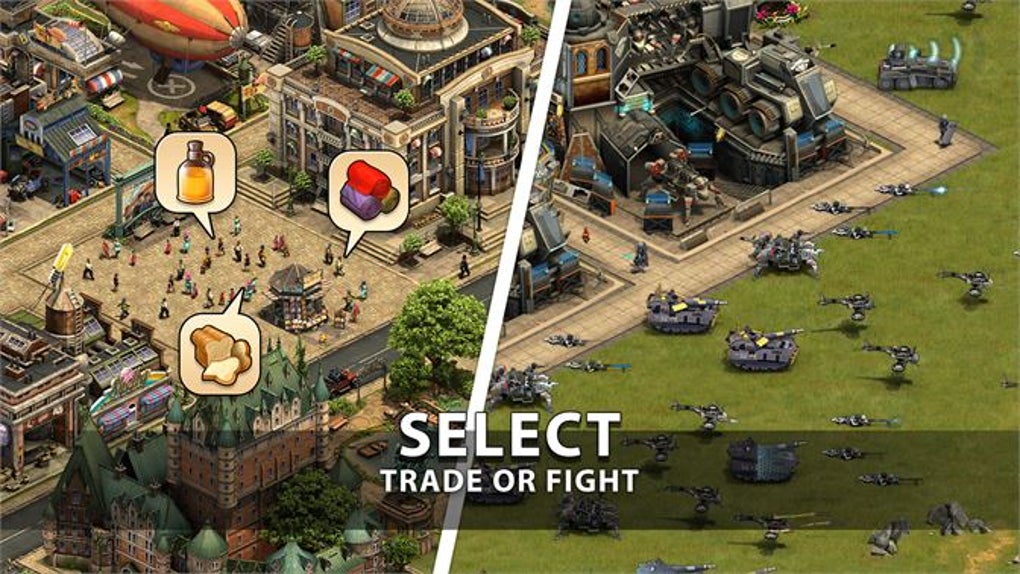
However, scientific and technological advancement is not free; it requires investment. To unlock new technologies and progress through the Research Trees, players must expend both coins (the basic monetary resource) and, more importantly, “Forge Points.” These points are the primary currency of innovation within the game.
Forge Points are accumulated passively as you engage with Forge of Empires and advance through its various eras. Players can typically expect to acquire between 1 to 10 Forge Points every hour, with the rate influenced by various in-game factors and boosts. Once accumulated, these points become invaluable. They are used to research diverse technologies, enabling the unlock of new building types, advanced military units, and powerful upgrades for existing structures. Moreover, Forge Points are crucial for developing unique historic structures, provided you have acquired the necessary blueprints through quests, trading, or special events. This system ensures that consistent engagement and strategic allocation of these points are directly rewarded with tangible progress and the ability to significantly shape your empire’s future.
Mastering Combat and Conquest: Strategy on the Battlefield
Combat in Forge of Empires is a highly strategic affair, unfolding in a turn-based system reminiscent of classic tactical games. Success on the battlefield is not simply about having the largest army, but about meticulous planning and execution. Before each engagement, players must formulate a battle-winning strategy, which includes selecting the optimal military units for the specific opponent and terrain. Each unit type possesses distinct strengths and weaknesses, making unit composition and counter-unit tactics crucial. Once your forces are deployed, the battle proceeds in turns, with players issuing commands to their troops, initiating attacks, and then observing the enemy’s response. This turn-based dynamic necessitates foresight, careful positioning, and the ability to anticipate your opponent’s moves.
Beyond direct military confrontations, players have the opportunity to plunder other empires. Successful plundering yields valuable resources, adding another dimension to the game’s economic and military cycle. For players seeking efficiency or a more hands-off approach, an “auto-battle” mode is available. While convenient, particularly for less critical engagements, relying solely on auto-battle can sometimes lead to less optimal outcomes in challenging fights, underscoring the value of manual strategic input.
The world of Forge of Empires is also enriched by dynamic “special events” and competitive “guild tournaments.” These events provide exciting avenues for players to test their tactical skills, earn exclusive rewards, and interact with the broader community. Participation in guild tournaments and many special events often requires joining a guild – a collective of players who cooperate for mutual benefit, coordinating attacks, offering mutual defense, sharing resources, and working towards communal progress. This social aspect adds significant depth, highlighting that strategic alliances can be as vital as military might in achieving long-term dominance. The continuous introduction of new events and challenges ensures that the combat system remains fresh and compelling, consistently pushing players to refine their strategies and adapt to new opportunities and threats.
Tips for Success and Accessibility
Winning in Forge of Empires is a continuous endeavor of upgrading, expanding, and optimizing your city, transforming it from a primitive settlement into a grand metropolis. Constant development of new buildings grants access to an ever-increasing flow of resources, which are essential for not only everyday needs but also for constructing the era-specific historic structures that provide powerful, unique boosts to your empire. Strategic placement and timely construction of these landmarks can significantly impact your progression.
For players looking to accelerate their empire’s growth, “diamonds” serve as the game’s premium in-game currency. These can be purchased with real money or, occasionally, acquired by completing certain quests and achievements. Diamonds offer a shortcut, allowing players to instantly speed up construction times, complete research projects, or purchase missing resources and blueprints, thereby providing an edge for those willing to invest.
Is Forge of Empires an easy game for newcomers to pick up? Absolutely. The game includes an interactive tutorial specifically designed to guide beginners through the early stages of building structures and acquiring essential resources. This comprehensive guide helps new players understand the core mechanics before they venture out independently. Once the basics are mastered, players can disable the tutorial and delve into autonomous gameplay. However, one notable caveat for this browser-based game is its dependence on a very stable internet connection. Inconsistent connectivity can lead to frustrating crashes, frequent reloads, and significant lag, which can detract from an otherwise enjoyable experience.
In terms of cost, Forge of Empires is a free-to-play game, meaning there’s no initial investment required to start playing. It operates on a freemium model, offering optional in-game purchases, primarily diamonds, which can expedite research and construction. While these purchases provide convenience and speed, they are not mandatory for progression or success, allowing players to enjoy the game at their own pace. The game is also quite forgiving with system requirements, running smoothly on Windows 7 and above, typically needing only 1 GB of RAM and 100 MB of hard disk space, making it accessible to a broad audience of PC users.
Beyond Forge of Empires: Exploring Similar Titles
For those who appreciate the strategic depth, historical progression, and city-building elements of Forge of Empires, there are several other notable titles that offer compelling alternative experiences within the genre. These games provide different settings and mechanics while retaining the core satisfaction of empire creation and management.
One excellent alternative is “Medieval Dynasty.” Set in a sprawling medieval European landscape, this game integrates survival, simulation, and role-playing elements alongside city-building. Players don’t just build a city; they establish a dynasty, managing resources, ensuring the well-being of their villagers, and navigating personal and communal challenges through generations. It offers a more intimate and grounded perspective on societal development, appealing to those who enjoy a deeper simulation and life-management aspect within their strategy games.
Another game that echoes the themes of empire construction and military might is “Kings of the Realm.” This title places a strong emphasis on strategic multiplayer warfare, requiring players to build formidable fortresses, raise powerful armies, and engage in large-scale battles against other players to assert dominance. While it shares the fundamental goal of expanding and defending an empire, Kings of the Realm often leans more heavily into direct conflict and alliance-building, catering to players who prioritize the competitive and action-oriented facets of empire strategy.
Additionally, titles like “Pre-Civilization Egypt” or the classic “Age of Empires II” provide rich historical strategy experiences with varying levels of scope and complexity. These games allow players to guide entire civilizations through distinct historical periods, focusing on technological advancement, economic growth, and military conquest. While their specific gameplay mechanics may differ, the underlying reward of witnessing a civilization flourish from humble beginnings into a powerful empire remains a consistent and engaging draw across these diverse strategy titles. Each alternative offers a unique flavor of the empire-building genre, providing ample choices for players seeking new strategic horizons.
Conclusion: A Delightful Blend of Strategy and History
Forge of Empires truly distinguishes itself as an elaborate and profoundly engaging single and multiplayer game that rewards meticulous attention to detail and strategic thinking with countless hours of entertainment. Its core appeal lies in the unique opportunity to construct an empire that not only endures but actively evolves through various centuries, providing a dynamic narrative of human advancement. From the dawn of the Stone Age to futuristic eras, every decision, from the placement of a residential building to the research of a cutting-edge technology, contributes to the grand tapestry of your civilization.
The game’s dynamic turn-based combat system adds an exhilarating layer of tactical depth, demanding careful planning, astute unit selection, and adaptability on the battlefield. The inclusion of special events and competitive guild tournaments further enriches the experience, offering additional avenues for earning valuable resources, testing strategic prowess, and fostering a vibrant community among players who collaborate to achieve shared objectives.
Forge of Empires is also commendable for its accessibility. A comprehensive and interactive tutorial efficiently guides newcomers through the foundational mechanics, ensuring they can confidently embark on their independent conquests. The convenience of an auto-battle function complements manual strategic options, and frequent updates consistently introduce fresh content. While occasional crashes tied to network instability can be a minor drawback, the overall experience of Forge of Empires is undeniably delightful. It offers challenging combats, features intelligent AI-controlled enemies, provides an engaging gameplay loop, and boasts convenient cross-platform support. Whether you are a casual builder or a dedicated strategist, Forge of Empires is a compelling journey through history, inviting you to build, conquer, and leave your indelible mark on the world.
File Information
- License: “Free”
- Latest update: “July 11, 2023”
- Platform: “Windows”
- OS: “Windows 8.1”
- Language: “English”
- Downloads: “4.8K”


