
Fortnite, developed by Epic Games, has transcended its status as a mere video game to become a global cultural phenomenon. Its blend of action, creativity, and constant evolution has captivated hundreds of millions of players worldwide, making it a dominant force in the gaming landscape. This article delves into the various aspects of Fortnite, exploring its gameplay, features, and enduring appeal.
Fortnite’s Core Gameplay: Battle Royale and Beyond
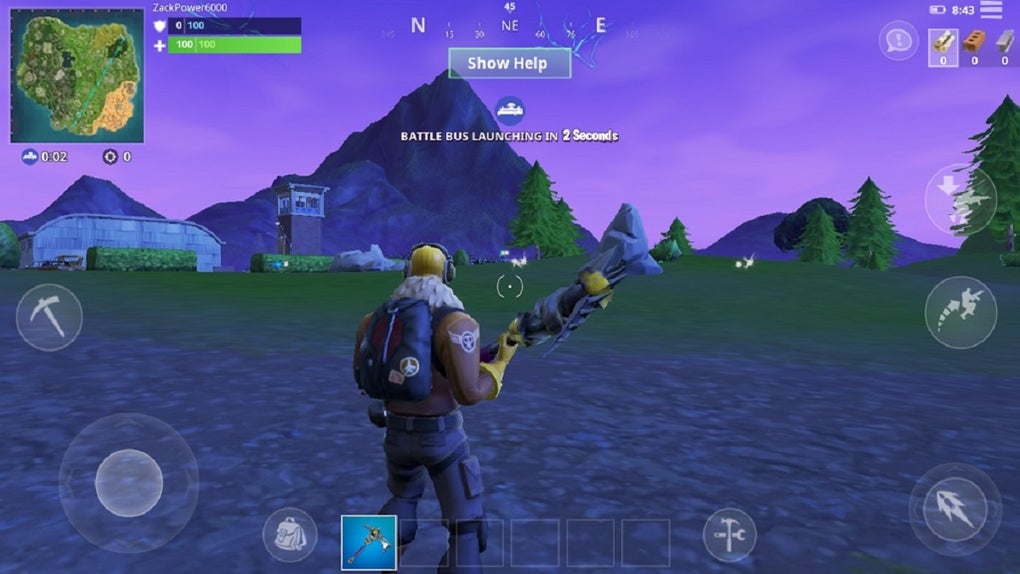
At its heart, Fortnite is a battle royale game. Up to 100 players parachute onto a vast island, scavenging for weapons, resources, and items to survive and eliminate their opponents. The playable area shrinks over time, forcing players into closer encounters and escalating the intensity of the combat. The last player or team standing claims victory. This core gameplay loop, while familiar to other battle royale titles, is uniquely enhanced by Fortnite’s distinctive building mechanics.
Unlike many competitors, Fortnite allows players to gather resources – wood, brick, and metal – and construct structures in real-time. This dynamic building system allows for creative strategies, defensive fortifications, offensive maneuvers, and surprising escapes. Players can erect ramps for rapid elevation, build cover to shield from incoming fire, or even create elaborate traps to outwit opponents. The skill ceiling is incredibly high, rewarding strategic thinking, quick reflexes, and mastery of the building mechanics. This element of player agency significantly differentiates Fortnite from its competitors, allowing for a diverse range of playstyles and strategies.
Game Modes: Catering to Diverse Preferences
Fortnite’s success isn’t solely attributed to its Battle Royale mode. The game features several other game modes designed to appeal to different player preferences:
-
Save the World: This paid mode features a cooperative PvE (player versus environment) experience where teams of up to four players work together to fight off hordes of zombie-like creatures, complete missions, and defend their base. It offers a different kind of challenge than the Battle Royale, emphasizing teamwork and strategic resource management. While less popular than the free Battle Royale mode, Save the World provides a compelling alternative for those seeking a cooperative experience.
-
Creative Mode: This free-to-play sandbox mode empowers players to unleash their creativity. Players have complete freedom to build their own worlds, design obstacle courses, construct elaborate battle arenas, or create anything their imagination allows. The possibilities are virtually limitless, making this mode a playground for building, experimentation, and sharing custom creations with other players. This fosters a vibrant community of creators and players alike, adding another dimension to the Fortnite ecosystem.
The availability of these distinct game modes ensures that Fortnite caters to a broad range of gaming preferences, offering something for both competitive and creative players. This breadth of content is a significant contributor to its sustained popularity.
The Ever-Evolving Landscape: Seasons, Updates, and Events
Fortnite’s developers consistently update the game, introducing fresh content with each season. These seasons are characterized by new themes, storylines, gameplay mechanics, weapons, and, most notably, cosmetic items like skins and emotes. This constant influx of new content keeps the game feeling fresh and engaging, preventing stagnation and encouraging players to return for more.
Beyond the seasonal updates, Fortnite regularly hosts large-scale in-game events. These can range from collaborative crossovers with popular franchises – incorporating characters and themes from movies, television shows, and anime – to immersive live events that dramatically alter the game world. These events create shared experiences, fostering a sense of community among players, and generating significant media buzz. The ongoing evolution and integration of new content play a crucial role in maintaining Fortnite’s appeal and preventing player fatigue.
Cosmetics and Customization: Personalizing the Experience
A significant element of Fortnite’s appeal lies in its extensive customization options. Players can personalize their character’s appearance with a vast array of skins, emotes, and other cosmetic items. These items are primarily obtained through the in-game shop, using the game’s virtual currency, or through completing challenges and earning rewards via the Battle Pass.
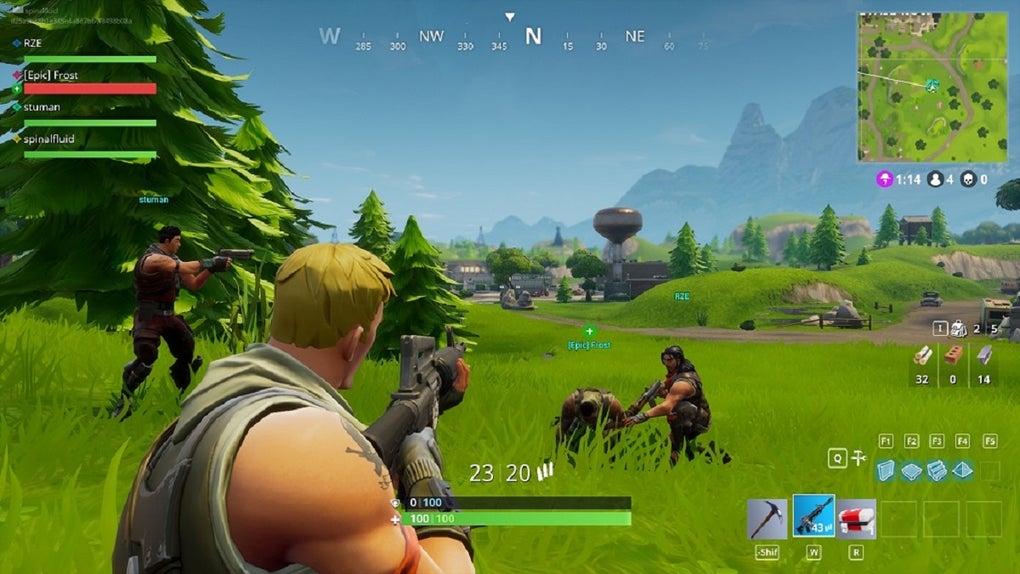
The sheer volume of cosmetic options is staggering. There are thousands of skins, representing diverse styles, characters, and collaborations with other franchises. The inclusion of anime skins, resulting from crossovers with popular anime series such as Dragon Ball Z, Attack on Titan, My Hero Academia, and Naruto, has proven particularly popular, attracting a significant segment of the player base. The ability to express individuality through unique cosmetic choices contributes significantly to the game’s social and cultural impact.
The Ranked System: Competition and Skill Progression
Fortnite’s introduction of a ranked system provides a structured competitive environment for players seeking to test their skills against others. This system features multiple tiers, ranging from Bronze to the prestigious Unreal rank, offering players a clear path for progression and recognition of their abilities.
While all players can participate, newcomers must complete a specific quest before gaining access to ranked matches. The tiered system, with its divisions and the ultimate Unreal rank, creates a sense of accomplishment and motivates players to improve their gameplay. The ranked mode caters specifically to players who appreciate the thrill of ranked competition. The system’s design, however, also promotes a more casual approach for those who simply want to enjoy playing with friends without the pressure of competitive ranking.
System Requirements and Cross-Platform Play
One of Fortnite’s remarkable achievements is its accessibility. The game boasts relatively low system requirements, enabling players with even moderately powerful PCs or mobile devices to run it smoothly. This broad compatibility contributes significantly to its widespread popularity and accessibility.
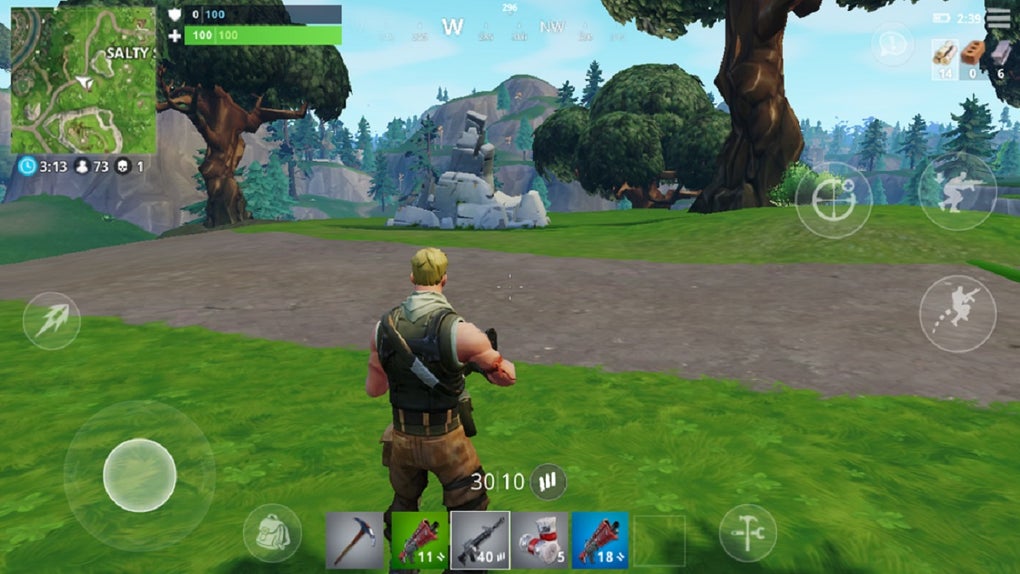
Furthermore, Fortnite supports cross-platform play, allowing players on various platforms – including PC, Mac, consoles like PlayStation and Xbox, Nintendo Switch, and mobile devices – to compete together in the same matches. This cross-platform functionality fosters a larger and more diverse player base, increasing the chances of finding matches and creating unique opportunities for interaction between players across different platforms.
Fortnite’s Mobile Presence and Cross-Platform Nuances
While Fortnite’s cross-platform play is generally seamless, there are some exceptions. Android users can freely play with players across all supported platforms. However, iOS users face restrictions due to ongoing legal disputes between Epic Games and Apple. Although iOS players can still play Fortnite, full cross-platform functionality with other platforms remains limited. Despite these limitations, both Android and iOS players can still team up with players on different platforms. This ensures that a majority of players still have some degree of cross-platform compatibility.
Fortnite’s Impact and Cultural Significance
Fortnite’s impact extends far beyond the gaming world. Its widespread popularity has made it a significant part of pop culture, influencing fashion, music, and online trends. The game’s in-game events, collaborations, and even its distinctive building mechanics have become topics of conversation and emulation in broader society.
However, Fortnite is not without its criticisms. The game’s in-game purchases can be costly for some players. The game’s freemium model, combined with the constant introduction of new cosmetic items, has been criticized for potentially encouraging excessive spending. Moreover, the game’s immersive nature and competitive aspects can be addictive for some players. These are important considerations for parents of younger players.
Conclusion: A Game That Continues to Evolve
Fortnite’s sustained success can be attributed to a combination of factors: its engaging core gameplay, constant evolution through seasonal updates and in-game events, extensive customization options, cross-platform play, and remarkable accessibility. While not without its drawbacks, its cultural impact and continued popularity solidify its position as a leading figure in the gaming industry. Its future remains bright, with ongoing development and updates ensuring a vibrant and ever-evolving gaming experience for players worldwide. Whether you’re a seasoned battle royale veteran or a curious newcomer, Fortnite presents a unique and compelling gaming experience that is constantly reinventing itself.
File Information
- License: “Free”
- Latest update: “July 28, 2025”
- Platform: “Android”
- OS: “Android 13.0”
- Downloads: “3.7M”
- Download Options: “Google Play”


