
Forza Motorsport 4, released in 2011, marked a significant step forward for the Forza franchise and presented a compelling challenger to the then-dominant Gran Turismo series. Building upon the solid foundation laid by its predecessors, Forza 4 refined the core racing gameplay, introduced a compelling new career mode, and delivered a visually stunning experience that captivated both critics and players. This detailed analysis explores the game’s strengths and weaknesses, examining its impact on the racing genre and its lasting legacy.
Refined Gameplay and Enhanced Visuals
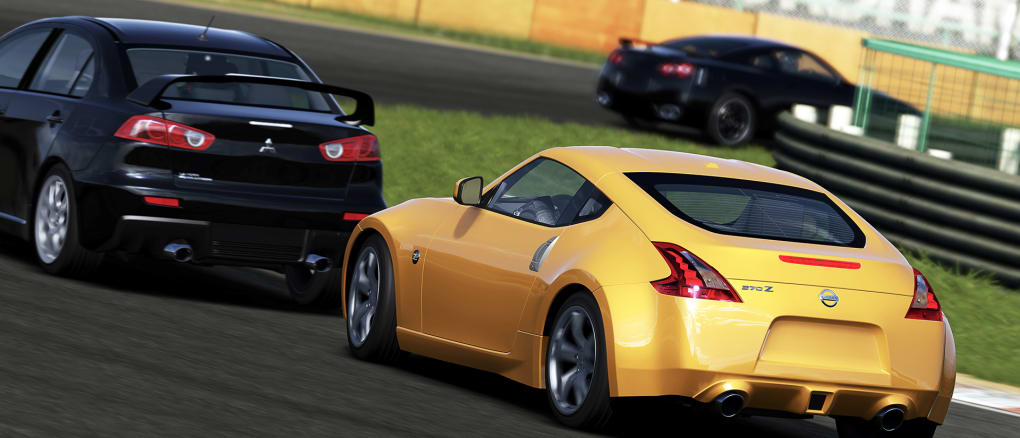
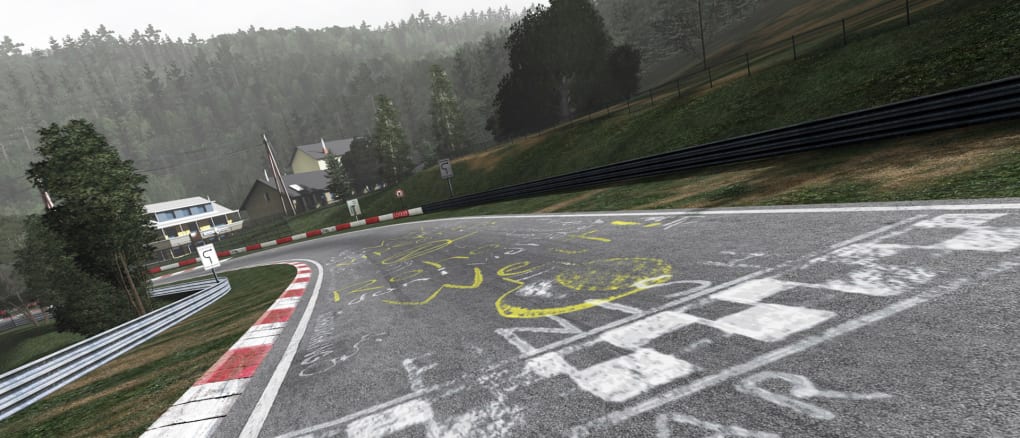
Forza Motorsport 4 retained much of the satisfying handling and gameplay mechanics established in Forza Motorsport 3, but it significantly improved upon them in several key areas. The most noticeable enhancement was the visual overhaul. The game boasted an all-new lighting model that dramatically improved the realism of the environments, creating dynamic and atmospheric races, especially in varied weather conditions. Car models were also meticulously redesigned, featuring greater detail and more accurate representations of their real-world counterparts. This level of detail extended to the environments themselves, creating richly textured tracks and vibrant surroundings. The visual fidelity elevated the overall immersion, drawing players deeper into the world of competitive racing.
Beyond the visual improvements, Forza Motorsport 4 also made significant strides in its audio design. The car sounds were considerably more realistic and nuanced, accurately reflecting the engine notes and the subtle nuances of different vehicle types. The atmospheric sounds, encompassing the roar of the crowd, the screech of tires, and the subtle environmental noises, were also significantly enhanced, adding to the game’s immersive quality. The combination of improved visuals and audio created a significantly more realistic and engaging racing experience.
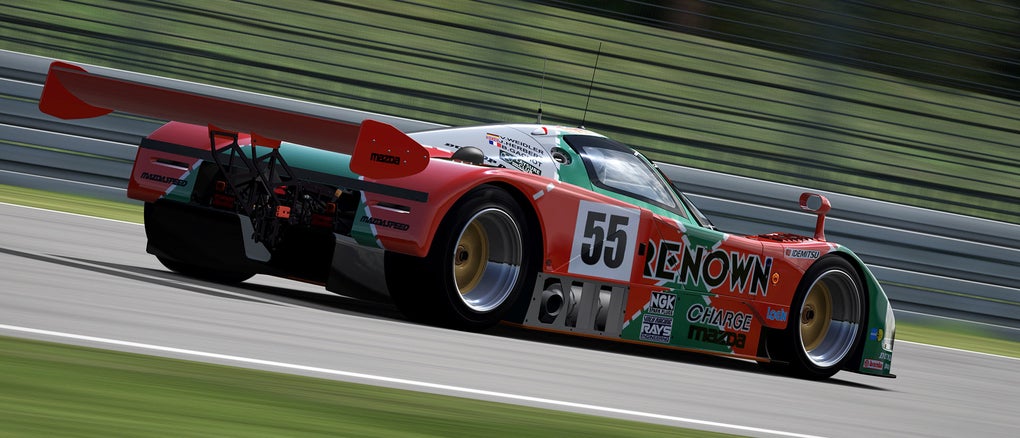
The game also expanded its roster of licensed cars, adding numerous iconic vehicles from various manufacturers. This vast selection of cars, ranging from classic muscle cars to modern supercars, catered to a wider range of player preferences and allowed for extensive customization and tuning. The expanded car list, coupled with the detailed car modeling, significantly enriched the gameplay, enabling players to build and refine their dream garages.
A Deep Dive into the Career Mode
One of the standout features of Forza Motorsport 4 was its redesigned career mode. This mode offered a more structured and engaging progression system than its predecessor, guiding players through a series of challenges and races. The career mode wasn’t just about winning races; it also incorporated elements of car collecting, upgrading, and tuning, offering a more comprehensive and rewarding experience. Players could earn credits to purchase new cars, allowing them to build a diverse and powerful garage. This focus on car collection and customization added a significant layer of depth to the gameplay, encouraging players to experiment and explore various vehicle types and tuning options.
The career mode also introduced various racing series, each with its own set of challenges and rewards. This variety kept the gameplay fresh and prevented it from becoming repetitive. The structured progression within the career mode not only provided a clear path for players but also rewarded skill and persistence, fostering a sense of accomplishment as they progressed through the ranks.
Furthermore, the career mode provided players with a variety of events and challenges, including time trials, endurance races, and even head-to-head competitions. This diverse selection of racing formats prevented the gameplay from becoming stale, offering a constant stream of fresh challenges and opportunities for improvement. The inclusion of different racing styles appealed to a broader spectrum of racing game enthusiasts, catering to various preferences and skill levels.
Kinect Integration and its Limitations
Forza Motorsport 4 attempted to integrate Microsoft’s Kinect motion control technology. While this feature aimed to enhance the gameplay experience by allowing players to control certain in-game actions using voice commands and gestures, its implementation was widely criticized for feeling somewhat tacked-on and largely ineffective. The Kinect integration did not fundamentally alter the core gameplay loop and often felt cumbersome or unresponsive.
The Kinect features, while innovative for their time, ultimately proved to be more of a gimmick than a substantive addition to the game’s mechanics. Many players found the Kinect controls to be less precise and more frustrating than using the traditional controller, leading to a less enjoyable overall experience. This highlighted the challenges of seamlessly integrating motion controls into a racing game that relied heavily on precise and responsive inputs. The inclusion of a relatively under-developed Kinect feature ultimately detracted from the overall polished experience that Forza Motorsport 4 otherwise delivered.
A Balanced Perspective: Strengths and Weaknesses
Forza Motorsport 4 undeniably offered a significant step forward for the Forza franchise. The enhanced visuals, refined handling, and expanded career mode contributed to a compelling and immersive racing experience. The vast car selection catered to a broad range of tastes, and the attention to detail in both the car models and the environments set a new benchmark for racing games at the time. The game’s emphasis on realism, combined with its approachable controls, made it accessible to both casual and hardcore racing game enthusiasts. The structured career mode provided a rewarding experience, encouraging players to explore various vehicle types and tuning options.
However, the game was not without its flaws. The Kinect integration proved to be a largely unsuccessful addition, feeling forced and ultimately detracting from the overall experience. Furthermore, while the refined gameplay was a significant improvement, some players felt that it remained too similar to its predecessor, leading to a sense of repetition after extended gameplay sessions. This familiarity, while comfortable for long-time fans, could potentially alienate new players seeking a more innovative experience. The lack of significant departures from the established gameplay formula, while offering a refined experience, limited the game’s ability to drastically redefine the racing genre.
Conclusion: A Lasting Legacy
Despite its minor shortcomings, Forza Motorsport 4 remains a significant milestone in the history of the Forza franchise and the racing game genre as a whole. Its impressive visuals, refined gameplay, and expanded career mode provided a highly engaging and realistic racing experience. While the Kinect integration proved to be a weak point, its overall impact on the gameplay was minimal. The game successfully delivered on its core promises, offering a satisfying and immersive driving experience that captivated many players. Forza Motorsport 4 solidified the Forza series’ position as a major competitor in the racing game market, paving the way for future installments to build upon its successes and further refine the formula. Its lasting impact on the genre is undeniable, setting a high standard for realism and detail that continues to influence racing game development to this day. For players seeking a classic and highly polished racing experience, Forza Motorsport 4 remains a rewarding and enjoyable title, showcasing the strengths of the Forza franchise and its commitment to delivering a high-quality racing simulation.
File Information
- License: “Full”
- Version: “1.0”
- Latest update: “August 23, 2020”
- Platform: “Windows”
- OS: “Windows 8”
- Language: “English”
- Downloads: “19.1K”


