
The revered Forza racing franchise, long a hallmark of immersive and high-fidelity automotive experiences on Xbox consoles and PC, took an unexpected turn with the introduction of Forza Street. Released by Microsoft Studios, this free-to-play (F2P) installment aimed to bring the adrenaline-fueled world of car racing to a broader audience, specifically targeting the PC gaming segment with a more casual, accessible approach. Unlike its highly detailed simulation-oriented counterparts, Forza Motorsport and the open-world Forza Horizon series, Forza Street sought to carve its own niche, offering quick, action-packed races designed for bite-sized gaming sessions. This move marked a significant departure from the series’ established identity, attempting to translate its iconic brand appeal into the competitive and often unforgiving landscape of F2P gaming. The question, however, remained: could a simplified, touch-friendly racing experience truly capture the essence of what makes Forza beloved by millions, or would it merely be a shadow of its illustrious name? This article delves into Forza Street’s origins, its unique gameplay mechanics, car progression systems, and ultimately, its place within the broader Forza universe.
A Strategic Re-brand and Expanded Accessibility
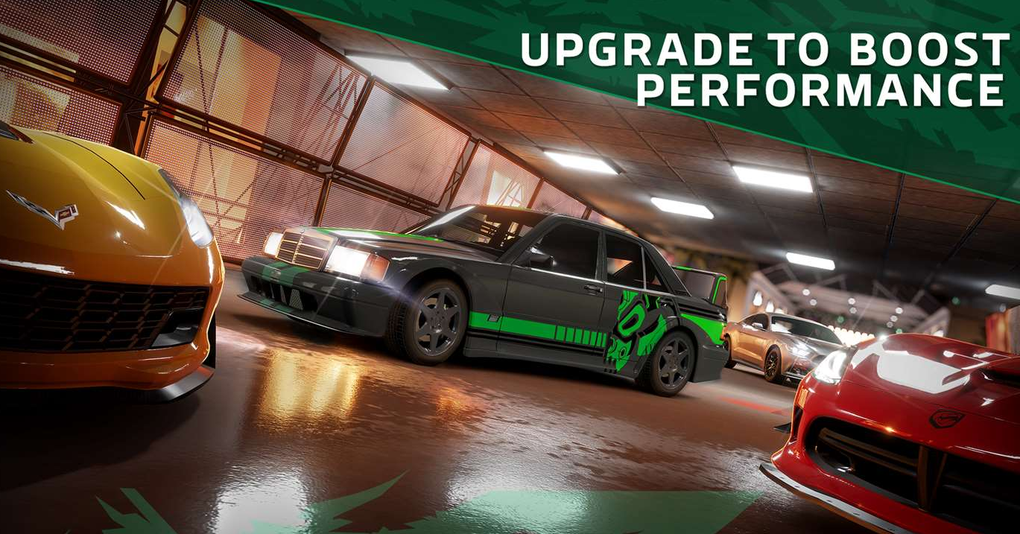
Forza Street’s journey into the F2P arena wasn’t entirely from scratch; it emerged as a significant re-branding of an earlier Microsoft title known as “Miami Street.” This foundational strategy allowed Microsoft to leverage an existing engine and game structure, streamlining development for a new market while simultaneously injecting the powerful “Forza” brand recognition. The transformation from Miami Street to Forza Street wasn’t merely a cosmetic facelift; it involved a comprehensive overhaul designed to align the game more closely with the expectations, albeit simplified, of the Forza name. Developers invested in several key improvements: faster boot-up times, which are crucial for mobile-centric experiences where players expect instant action; refreshed animations that added a layer of visual polish; and upgraded car parts, enhancing the sense of progression and customization.
Beyond technical enhancements, a crucial aspect of this re-brand was a deliberate push for global accessibility. Recognizing the vast international appeal of the Forza franchise, Microsoft Studios made significant efforts to broaden the game’s linguistic support. Initially, the game was available in English, but with the Forza Street re-launch, players could now switch the application language to a wide array of options including German, Spanish, French, Italian, Portuguese, Hindi, Japanese, Korean, Turkish, Chinese, Russian, and Spanish (Latin America). This commitment to localization was a clear indicator of Microsoft’s ambition for Forza Street to reach a truly global audience, allowing players worldwide to engage with the game in their native tongue, thereby lowering the barrier to entry and fostering a more inclusive gaming community. This multi-language support contrasted sharply with many F2P titles that often prioritize a limited set of major languages, positioning Forza Street as a more welcoming experience for diverse demographics.
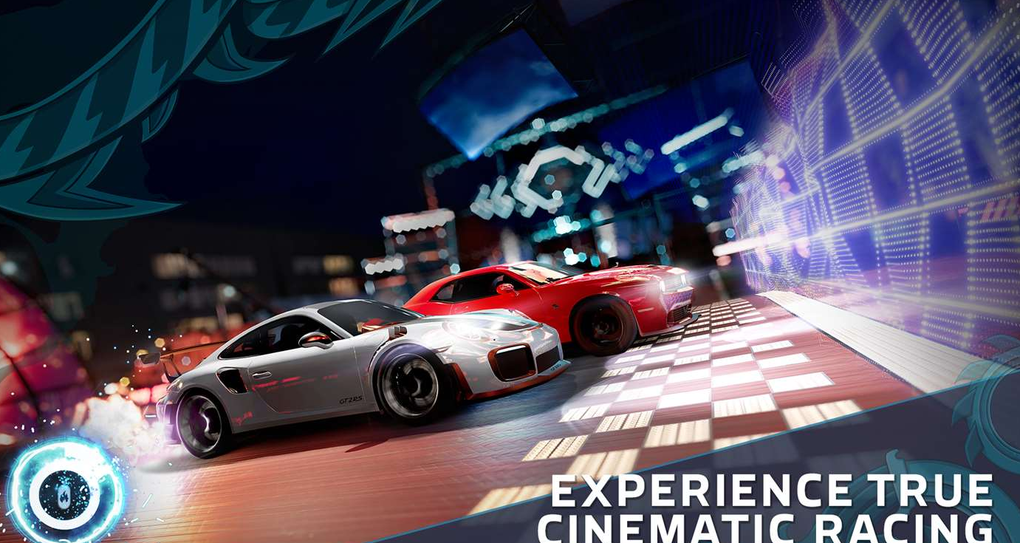
The F2P model also necessitated a robust content strategy to keep players engaged over the long term. Forza Street responded by offering a dynamic array of gaming options and continuous content updates. Players could jump into “one-minute races” for quick bursts of action and instant prizes, perfect for short commutes or brief breaks. For those seeking a more extended engagement, an “endless story with multiple paths to victory” provided a narrative framework, encouraging deeper exploration and strategic progression. Crucially, the game committed to delivering “new contents every week,” ensuring a steady stream of fresh events, challenges, and storylines. This weekly refresh mechanism was vital for maintaining player interest, combating the inherent repetitiveness that can plague F2P titles, and providing a continuous incentive for players to return. By consistently introducing new experiences, Forza Street aimed to cultivate a vibrant, evolving game world that rewarded ongoing participation, strategically leveraging the F2P model’s need for sustained player engagement. This iterative content release schedule, coupled with the expanded accessibility, formed the cornerstone of Forza Street’s strategy to establish itself as a compelling, enduring F2P racing title under the formidable Forza banner.
Assembling Your Dream Garage: Cars and Progression
Central to any racing game, especially one bearing the Forza name, is its vehicle roster. Forza Street proudly boasted a “sizable roster of legendary cars,” catering to a diverse range of automotive tastes. Players could get behind the wheel of iconic machines spanning different eras and categories, from the raw power of classic muscle cars to the sleek design of modern sports cars and the timeless allure of retro supercars. This collection promised variety and the thrill of collecting and racing some of the most desirable vehicles ever manufactured, echoing the comprehensive car lists found in its console brethren. The visual fidelity of these vehicles, while adapted for a F2P format, remained impressive, showcasing the distinct characteristics and liveries that make them instantly recognizable to car enthusiasts.
However, the method of acquiring and upgrading these prized possessions in Forza Street significantly diverged from the traditional Forza experience. Instead of the familiar progression systems where players earn currency through races to purchase specific vehicles from a dealership or unlock upgrades through skill trees, Forza Street adopted a monetization model common in F2P mobile games: “loot boxes.” New vehicles were primarily obtained through these randomized “loot boxes,” introducing an element of chance to car acquisition. This mechanic, while offering the occasional thrill of a rare drop, could also lead to frustration for players seeking specific cars, potentially encouraging repeat purchases or prolonged grinding.
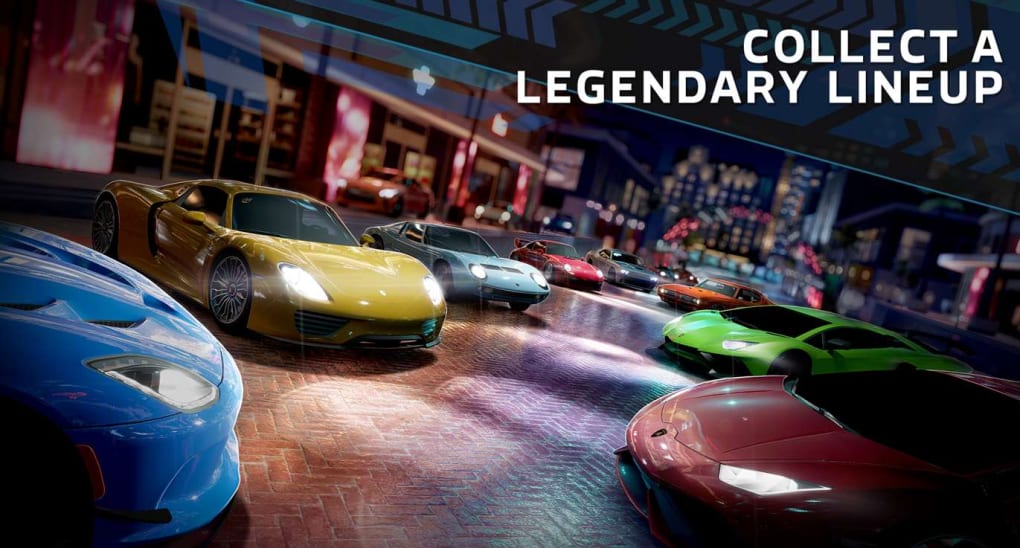
Furthermore, the game introduced a unique metric for a car’s overall power and performance: the “performance index” (PI). Every vehicle in Forza Street was assigned a numerical PI, and generally, “the higher the car’s PI, the easier it is to win the race.” This system simplified car superiority, reducing complex attributes like horsepower, handling, and braking into a single, easily digestible number. While straightforward, this PI system had profound implications for racing dynamics. It meant that a car’s inherent real-world performance or even its category (e.g., a nimble Japanese tuning car) could be overshadowed by a higher PI value on a different, perhaps less conventionally ‘fast’ vehicle (e.g., a muscle car). The example provided in the source content perfectly illustrates this: “a Mustang can beat a Japanese tuning car in a race as long as the number, engraved on the card, is higher.” This abstract representation of power fundamentally altered the strategic considerations of racing, shifting the focus from nuanced car choice and tuning to simply acquiring the car with the highest PI, often through the randomized loot box system. This also ties into the “confusing currency system” and “expensive microtransactions” hinted at in the cons, suggesting that advancing and acquiring high-PI cars might involve navigating a complex in-game economy or making real-money purchases, thereby influencing progression and competitive viability within the game. The pursuit of higher PI became the primary driver for garage expansion and enhancement, moving away from the skill-based customization that defines the mainline Forza titles.
The Unconventional Racetrack: Understanding Forza Street’s Mechanics
Forza Street’s most defining, and perhaps most controversial, aspect was its radically unorthodox game mechanics. Breaking away from the deep simulation and arcade steering controls that characterize its console counterparts, Forza Street opted for a simplified, one-button control scheme more akin to popular mobile racing titles like CSR Racing. This design choice was deliberate, aiming for immediate accessibility and casual play rather than nuanced driving skill.
The core gameplay loop was deceptively simple: players only needed to accelerate by holding down the spacebar on their keyboard or clicking and holding their mouse. When approaching a corner, the instruction was equally straightforward: “you only have to let go of the space bar or the mouse, and the car will automatically create a turn.” The game further assisted players by highlighting “curves” to guide them on when to release their input. These visual cues involved a “yellow brake zone,” followed by a “red zone,” and then another “yellow acceleration zone.” The objective was to release the accelerate button precisely as the car entered the yellow brake zone, and then re-engage acceleration as close as possible to the border between the red and the second yellow acceleration zone. Achieving this “perfect release” and “perfect acceleration” timing was crucial “to get a better lead” and optimize race performance. In addition, a “nitrous” boost was available, which players could “tap every so often to upgrade the performance of your car” for short bursts of speed, adding another timing-based element to the races.
While this system might sound engaging in its simplicity, the reality for many traditional racing fans was quite different. The fundamental criticism leveled against Forza Street was that “there is very little racing involved in the games.” Players “don’t steer and break, and you don’t deliberately drift.” These elements – steering, braking, and drifting – are the very bedrock of what constitutes a “racing game” for many enthusiasts, offering dynamic control, strategic line choices, and a sense of direct engagement with the vehicle. By automating these core functions, Forza Street essentially transformed racing into a series of timed button presses, reducing player input to mere rhythmic taps and releases. The car navigates the track on a predetermined path, its success largely dependent on the player’s timing rather than their ability to skillfully pilot the vehicle.
Compounding this simplified gameplay was an “annoying energy timer that limits your playing to a few races and requires you to wait in order for your energy bar to be filled.” This “energy meter” is a common monetization and engagement tactic in F2P games, designed to encourage players to either wait (and thus return to the game later), or spend real money to instantly replenish their energy and continue playing. For many, this artificial barrier to continuous play severely undermined the enjoyment, transforming an intended quick-play experience into a frustrating waiting game.
This combination of a lack of direct racing elements and the restrictive energy meter proved to be a major deterrent. Die-hard arcade racers, accustomed to the exhilarating freedom of games like the Asphalt series or Street Racing 4x4, which “offer more in-depth racing control and action,” found Forza Street to be “boring.” The absence of meaningful player agency over steering, braking, and drifting stripped away the strategic depth and visceral thrill that defines the racing genre. Instead of feeling like a driver, players often felt more like orchestrators of an automated sequence, reducing the game’s appeal for those seeking an active, skill-based challenge. The mechanics, while designed for broad accessibility, ironically alienated a significant portion of the very audience the Forza brand typically attracts.
The Verdict: An Icon’s F2P Identity Crisis
Forza Street arrived with the immense weight of the Forza name, a brand synonymous with quality, visual excellence, and engaging racing experiences. In certain aspects, the game undeniably lived up to some of these expectations. Visually, Forza Street provided “nice game visual with its new animation and movie-like action camera shots.” The refreshed animations added a sleek, modern feel, and the dynamic camera work during races injected a cinematic flair, making each run feel more impactful. The aesthetic appeal was one of its undeniable strengths, showcasing detailed car models and atmospheric track environments that, at first glance, conveyed a sense of premium production quality, especially for a free-to-play title. Setting up the game was also “very easy,” contributing to its accessibility, and the extensive multi-language support allowed players to “switch to the language of your choice,” further enhancing its user-friendliness on a global scale. The “interesting soundtrack” also added to the overall presentation, providing a suitable audio backdrop for the street racing action.
However, despite these commendable qualities, “the game’s major drawback is that it tends to become boring after some time.” The core issue lay in the “repetitive gameplay” and the profound “lack of car racing elements such as steering and drifting.” What began as simple and accessible quickly devolved into monotonous pattern recognition. Without the ability to truly steer, drift, or strategically brake, players were left with a series of timed taps, devoid of the dynamic decision-making and skill-based input that defines traditional racing. This critical omission meant that “players might lose interest in the game after completing five or so races.” The initial novelty of the visuals and the simplified controls wore off rapidly, exposing a shallow gameplay loop that struggled to retain long-term engagement. The energy timer, which arbitrarily limited play sessions, exacerbated this feeling of frustration, preventing players from immersing themselves fully even if they found the initial mechanics tolerable.
The listed pros – new and refreshed animations, a diverse roster of legendary cars, movie-like action movement during races, and an interesting soundtrack – were strong points of presentation. Yet, they ultimately served as a veneer over fundamental gameplay issues. The “confusing currency system” and “expensive microtransactions” further underscored the F2P pitfalls, making progression feel less organic and more transactional. Players found themselves needing to navigate intricate in-game economies or spend real money to acquire better cars (through loot boxes) or simply to continue playing without interruption. This combination of shallow mechanics and aggressive monetization tactics created a significant disconnect from the expectations associated with the Forza brand.
PhanMemFree’s review ultimately concluded that “the game just not live up to its iconic Forza name.” This verdict encapsulates the sentiment of many players and critics. While Microsoft’s ambition to bring Forza to the free-to-play market was clear, the execution resulted in a game that felt like a distant cousin rather than a true member of the family. It prioritized accessibility and casual appeal to such an extent that it sacrificed the depth, control, and immersive driving experience that defined its predecessors. For quick, undemanding sessions, Forza Street offered a visually appealing distraction. But for anyone seeking a genuine Forza experience, or even a robust racing game, it fell significantly short, leaving many to wonder if the Forza name was a blessing or a curse for this particular street racer.
In summary, Forza Street was an intriguing experiment, a foray into a new market segment for a venerable franchise. It delivered on visuals and accessibility but stumbled heavily on its core gameplay. The streamlined mechanics, while designed for ease of entry, ultimately stripped away the very essence of what makes racing games, and particularly Forza titles, so captivating. Its efforts to re-brand Miami Street into a legitimate Forza experience, despite the global language support and continuous content updates, couldn’t overcome the fundamental limitations of its design. The game became a testament to the challenge of translating a beloved, complex franchise into a simplified F2P model without losing its soul. While it offered a chance to experience the Forza name on PC without an initial investment, the long-term engagement and satisfaction remained elusive, proving that sometimes, less control doesn’t equate to more fun, especially when the name on the box promises so much more. PhanMemFree.org and many players worldwide observed that Forza Street, despite its shiny exterior, ultimately failed to carve out a meaningful legacy within the esteemed Forza universe.
File Information
- License: “Free”
- Version: “23.0.6”
- Latest update: “April 22, 2019”
- Platform: “Windows”
- OS: “Windows 10”
- Language: “English”
- Downloads: “54.3K”


