
In the ever-evolving landscape of video games, few franchises have carved out a niche as unique and unsettling as Five Nights at Freddy’s (FNAF). Known for its jump scares, cryptic lore, and atmospheric tension, the series has consistently delivered spine-chilling experiences. Among its many entries, the sixth installment, Freddy Fazbear’s Pizzeria Simulator, stands out not only for being a free offering but also for its audacious genre-bending approach. Released in 2017 by developer Scott Cawthon, this game masterfully fuses the mundane tasks of business management with the relentless terror of survival horror, offering a fresh yet terrifying perspective on the animatronic-infested universe.
Freddy Fazbear’s Pizzeria Simulator is more than just another chapter in the FNAF saga; it’s a pivotal moment that redefines expectations. Players are thrust into the shoes of a budding entrepreneur, tasked with running their very own Freddy Fazbear’s Pizzeria. What begins as a seemingly innocent business simulation quickly descends into the familiar nightmare of the FNAF world, where charming animatronics harbor sinister intentions. This dual gameplay mechanism is the core of its appeal, creating a dynamic experience that keeps players on their toes, switching between strategic planning and desperate survival. As a testament to its enduring popularity and accessibility, the game remains available for free on Windows, last updated on May 13, 2022, and has garnered significant downloads, a testament to its compelling blend of fear and fun.
The Bizarre Blend: From Restaurant Tycoon to Nightmarish Custodian
At its heart, Freddy Fazbear’s Pizzeria Simulator presents an innovative dichotomy in gameplay, seamlessly transitioning between two starkly contrasting phases: the bustling activity of daytime pizzeria management and the chilling isolation of nighttime survival. This genre-bending approach is precisely what makes the game so compelling and, at times, utterly disorienting – a deliberate design choice that serves to heighten the overall suspense.
Daytime Operations: The Illusion of Control
By day, players assume the role of a diligent pizzeria manager. This phase of the game is deeply rooted in business simulation mechanics, where the primary objective is to build and grow a successful family entertainment establishment. The initial setting is a rather dilapidated restaurant, providing a blank canvas for the player’s entrepreneurial vision. The core tasks involve strategic decision-making regarding the layout, attractions, and overall appeal of the pizzeria.
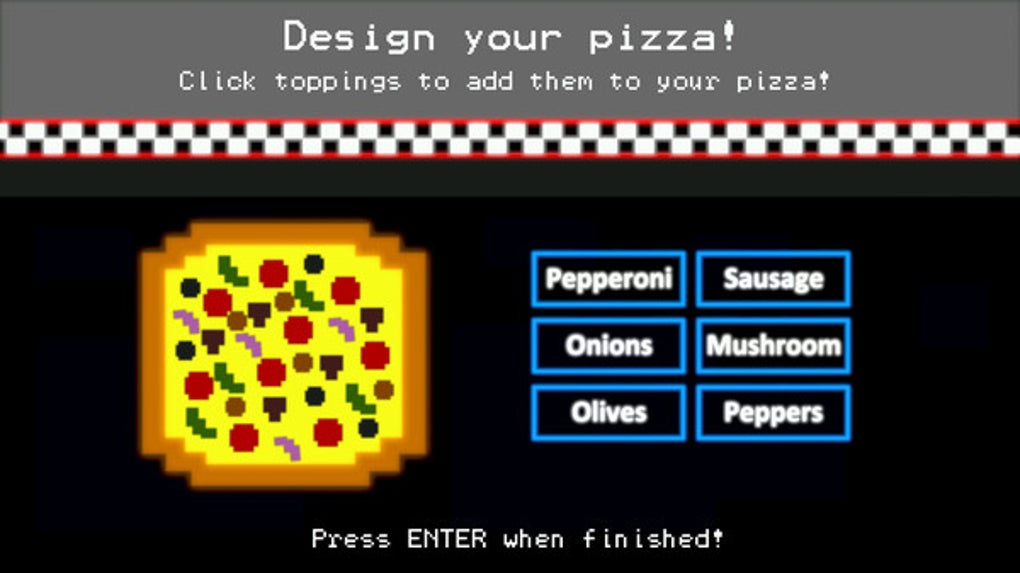
Players are given a budget and a catalog of items to purchase, ranging from arcade games and interactive attractions to stage performances and, of course, the iconic animatronic characters that are central to the Freddy Fazbear brand. Each item comes with specific stats, influencing factors like “entertainment,” “safety,” and “revenue potential.” The challenge lies in balancing these elements to maximize customer satisfaction and profitability while adhering to the underlying, unspoken goal of the game: creating a suitable environment for the subsequent nighttime trials.
Upgrading the pizzeria is a significant component. Investing in new decor, better facilities, and more advanced animatronics not only draws in more customers but also enhances the perceived “value” and “risk” of the establishment. For instance, players might purchase new animatronics to perform on stage, attracting more visitors. However, the game subtly hints that these animatronics, even brand new ones, might carry unseen dangers. The game cleverly uses a simple interface for these managerial tasks, making the business simulation accessible even to those not typically inclined towards the genre. The satisfaction of seeing your pizzeria grow, however, is constantly undercut by an encroaching sense of dread, a chilling foreshadowing of what awaits once the sun sets. This phase offers an illusion of control, a brief respite where the player feels like they are genuinely building something, only for that foundation to be tested by forces beyond their comprehension.
Nighttime Horrors: A Fight for Survival
When night falls, the cheerful facade of pizzeria management crumbles, giving way to the raw, visceral terror that the Five Nights at Freddy’s series is renowned for. The player is no longer a manager but a lone, vulnerable employee, confined to a dimly lit office, tasked with salvaging discarded animatronics from the alley and completing various administrative tasks. This transition is abrupt and impactful, stripping away the player’s daytime authority and replacing it with palpable fear.
The nighttime gameplay is a classic survival-horror experience. The environment is dark, save for the hum of machinery and the occasional flickering light. Players must monitor salvaged animatronics, which are placed in a designated “salvage room,” using a computer system. This involves a series of audio prompts and electrical shocks designed to check their functionality and, more ominously, to subdue any aggressive tendencies. Each animatronic has a risk profile, and failure to properly manage them can lead to a terrifying confrontation.
The office itself becomes a battleground. Players must manage various systems, including ventilation, audio, and visual monitors. The goal is to complete administrative tasks on the computer, such as ordering supplies or performing basic maintenance, all while fending off unwelcome guests – the very animatronics that populate the pizzeria. These animatronics, whether salvaged from the alley or lurking within the newly built establishment, are hostile and relentless. The game employs its signature jump scares, where an animatronic suddenly appears on screen, often accompanied by a loud shriek, designed to elicit a strong physiological reaction.
The challenge lies in balancing the completion of tasks with constant vigilance. Players must listen intently for audio cues indicating an animatronic’s presence or proximity, shining their flashlight into vents or hallways, and using audio lures to redirect them away from the office. Power management is crucial, as depleting the power supply can render the player defenseless. The feeling of vulnerability is immense; every sound becomes a potential threat, every flicker of light a moment of impending doom. This segment perfectly encapsulates the essence of FNAF’s psychological horror, where fear is derived not just from visual scares but from the constant tension and the expectation of the unknown. The day’s pleasant business turns into the night’s desperate struggle, intertwining the two genres into a cohesive, horrifying whole.
Unearthing the Terrifying Lore: Secrets, Endings, and Easter Eggs
One of the most enduring legacies of the Five Nights at Freddy’s series is its intricate, often cryptic, lore. Players don’t just survive; they become detectives, piecing together a fragmented narrative through subtle clues, hidden messages, and environmental storytelling. Freddy Fazbear’s Pizzeria Simulator elevates this aspect to an entirely new level, making lore discovery an integral part of its gameplay and replayability. For dedicated fans, this game is nothing short of a treasure trove, packed with secrets that shed light on the deeper mysteries of the FNAF universe.
Optional Minigames: Keys to the Narrative
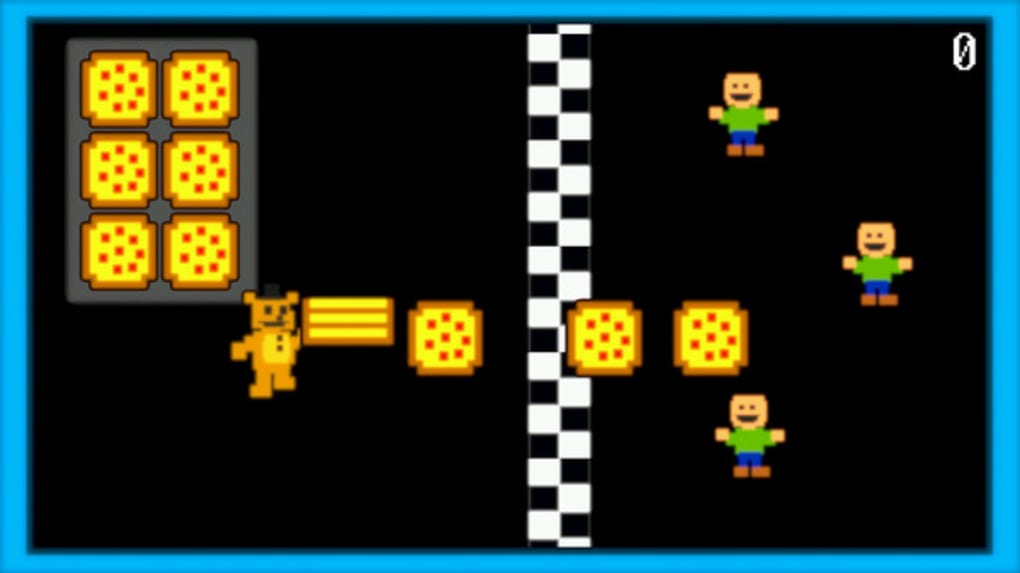
Beyond the core day-and-night gameplay, the game offers a series of optional minigames, which, on the surface, appear to be charming retro-style diversions. These minigames are presented in an 8-bit or 16-bit aesthetic, reminiscent of classic arcade games. However, their true purpose is far more profound: they serve as crucial conduits for unlocking bits of the series’ overarching lore. Unlike many games where minigames are purely for fun or an achievement, here they are essential for understanding the narrative.
Each minigame, often seemingly innocent in its presentation, subtly hides disturbing details or sequences that, upon completion or specific actions, reveal cryptic messages, character interactions, or glimpses into past events. For instance, one minigame might involve delivering pizzas to children, but observant players might notice a dark figure or a disturbing event occurring in the background, hinting at the tragic origins of the animatronics’ malevolence. These moments are often fleeting and require a keen eye and a curious mind to fully appreciate. They are designed to be replayed, with players experimenting with different actions or paths to uncover every hidden detail.
Multiple Endings and Creepy Stories
The narrative depth of Freddy Fazbear’s Pizzeria Simulator is further underscored by its multiple endings. Unlike a linear story, the choices players make during both the day and night phases can influence the ultimate conclusion. These endings range from a seemingly successful pizzeria closure to more grim, unsettling revelations that delve into the tragic backstories of the characters and the true nature of the animatronic spirits. Achieving specific endings often requires a precise sequence of actions, the discovery of particular secrets, or a deliberate failure to complete certain tasks. This encourages extensive replayability, as players strive to unlock every possible outcome and fully comprehend the complex web of events woven throughout the game.
The “creepy stories” are not just confined to the endings; they are interwoven throughout the gameplay itself. The animatronics encountered during the night are not merely antagonists; they are entities with their own dark histories, and the game provides glimpses into these through audio logs, visual cues, and the information gleaned from the salvage process. These stories contribute to the profound sense of unease, transforming simple jump scares into moments charged with tragic significance. The narrative touches upon themes of revenge, childhood innocence corrupted, and the lingering presence of past traumas, making the horror resonate on a deeper psychological level.
Easter Eggs and Achievements: Rewarding Exploration
For those who enjoy peeling back every layer of a game, Freddy Fazbear’s Pizzeria Simulator is a veritable goldmine of Easter eggs and achievements. These range from subtle visual nods to other entries in the FNAF series, to hidden audio clips, and secret interactions that provide additional context or simply a knowing wink to dedicated fans. Discovering these hidden gems is a significant part of the game’s appeal, turning every playthrough into an archaeological expedition for clues.
The achievements system is often tied directly to the discovery of these secrets and the unlocking of specific endings. This gamification of lore discovery provides a tangible reward for players who invest time and effort into exploring every nook and cranny of the game. It fosters a sense of accomplishment and encourages community engagement, with players sharing their discoveries and collaborating to decode the more obscure secrets. The satisfaction of uncovering a deeply hidden Easter egg or achieving a particularly challenging ending is immense, further solidifying the game’s reputation as a rich, multi-layered experience that rewards persistent exploration and a keen eye for detail. The depth of its lore, driven by these hidden elements, ensures that Freddy Fazbear’s Pizzeria Simulator remains a subject of discussion and analysis long after its initial release, cementing its place as a crucial piece of the Five Nights at Freddy’s puzzle.
A Gift for Fans, A Challenge for Newcomers
Freddy Fazbear’s Pizzeria Simulator occupies a peculiar position within the gaming landscape. While it offers a unique and engaging experience, its reception and accessibility vary significantly depending on a player’s familiarity with the broader Five Nights at Freddy’s universe. For veterans of the series, it is widely considered a generous and innovative “free gift,” deepening the lore and evolving the gameplay. However, for those new to Scott Cawthon’s terrifying creations, the game’s unconventional structure and implicit narrative might prove to be a confusing and overwhelming introduction.
Why Fans Embrace It: The Evolution of Fear
For long-time fans of the Five Nights at Freddy’s series, Freddy Fazbear’s Pizzeria Simulator is an absolute delight. It’s a game that not only understands its audience but actively rewards their dedication. The “quirky, creepy atmosphere” that has become a hallmark of the FNAF games is present here in abundance, yet it’s filtered through a fresh lens. The business simulation aspect provides a unique juxtaposition to the horror, creating a sense of dread that slowly builds as players realize the gravity of their managerial decisions. The seemingly innocuous acts of placing arcade games or ordering supplies are tinged with the knowledge that these actions are building the very stage for their nightly torment.
The biggest draw for fans is undoubtedly the sheer amount of “Easter eggs, endings, and lore” packed into the game. The FNAF community thrives on uncovering and deciphering the intricate narrative woven throughout the series. Pizzeria Simulator doesn’t just add to the lore; it fundamentally reshapes it, providing crucial answers while simultaneously posing new questions. The optional minigames, as discussed, are celebrated as brilliant vehicles for storytelling, offering cryptic glimpses into the past events and character motivations that have plagued fans for years. The multiple endings offer a rewarding sense of closure or shocking revelation, encouraging repeated playthroughs to unlock every narrative branch. Fans appreciate that the game doesn’t hold their hand, instead trusting them to connect the dots, enhancing the sense of discovery and intellectual engagement. It’s a game that truly respects its established fanbase by expanding the universe in meaningful and unexpected ways, delivering a substantial experience without a price tag.
Why Newcomers Might Struggle: The Mismatch of Mechanics
Conversely, for individuals who haven’t delved into the preceding Five Nights at Freddy’s titles, Freddy Fazbear’s Pizzeria Simulator can be a perplexing and challenging entry point. The primary criticism for newcomers is the “mishmash of game mechanics” which, without prior context, can feel disjointed and odd. The abrupt shift from a lighthearted business sim to a terrifying survival game might not make immediate sense. Players unfamiliar with the animatronics’ established lore or the series’ recurring antagonists might find the nighttime segments scary but lack the deeper psychological impact that comes from understanding the backstory of these haunted machines.
The game’s reliance on subtle environmental cues, cryptic dialogue, and fragmented storytelling for its lore can be a significant barrier for new players. Without the background knowledge of previous games, the significance of certain minigame revelations, the identities of specific animatronics, or the implications of various endings might be lost. What for fans is a rich tapestry of narrative, for newcomers can appear as a collection of random, unexplained occurrences. The “short game” length, while appreciated by some, might also feel unsatisfying if the player hasn’t fully grasped the intricate lore hidden within. Without the context, the initial fear might not be enough to sustain engagement, and the deeper layers of the game could remain undiscovered, leading to a less fulfilling experience.
Ultimately, Freddy Fazbear’s Pizzeria Simulator is a brilliant piece of game design for its target audience. Its ability to surprise and terrify while simultaneously expanding a beloved universe is commendable. However, its experimental nature and deep ties to existing lore mean that a prior investment in the FNAF series is highly recommended for those looking to fully appreciate its genius. Whether you are a seasoned survivor of Freddy’s or a curious newcomer, the quirky, creepy atmosphere and the promise of hidden secrets make it a game worth exploring, perhaps with a guide if you’re venturing into this terrifying pizzeria for the first time.
The Legacy of Scott Cawthon: Design Philosophy and Impact
Scott Cawthon, the enigmatic creator behind the Five Nights at Freddy’s franchise, has forged a unique path in the gaming industry. His design philosophy, characterized by cryptic storytelling, psychological horror, and a reliance on player-driven discovery, reached a new zenith with Freddy Fazbear’s Pizzeria Simulator. This particular installment is not just another game; it’s a testament to Cawthon’s ability to innovate within his established universe, pushing boundaries and defying genre conventions.
Cawthon’s Vision: Quirky and Creepy Atmosphere
The game’s distinct “quirky and creepy atmosphere” is a direct reflection of Cawthon’s creative vision. The initial business simulation phase, with its intentionally clunky graphics and simplified interface, presents a facade of innocent entrepreneurial spirit. This “quirky” aesthetic serves a dual purpose: it disarms the player, making the transition to horror all the more jarring, and it evokes a nostalgic, almost childlike sense of wonder that contrasts sharply with the sinister undertones. The daytime music is upbeat and cheerful, a stark auditory contrast to the chilling silence and unsettling ambient noises that dominate the night.
The “creepy” aspect is masterfully woven into every detail. From the unsettling designs of the animatronics, which balance cartoonish features with decaying, threatening elements, to the subtle environmental storytelling in the dark office, Cawthon ensures that dread is a constant companion. The use of sound design is particularly effective; every creak, whisper, and distant mechanical whir contributes to an overwhelming sense of vulnerability and isolation. The jump scares, while a hallmark of the series, are not merely cheap thrills but are often tied to the narrative, representing the sudden and violent manifestations of the animatronics’ malevolent intentions. This blend of the familiar and the terrifying creates an experience that is both unsettlingly bizarre and deeply engaging.
Developer Insights and Fan Engagement
Scott Cawthon’s development style has always involved direct engagement with his fan base, often through cryptic messages and teasers. Freddy Fazbear’s Pizzeria Simulator continued this tradition, fostering a highly active community dedicated to dissecting every detail. The game’s status as a free offering was a significant gesture, inviting a broader audience while rewarding the loyal fanbase. This accessibility, coupled with its profound impact on the lore, solidified its place as a crucial installment in the FNAF timeline.
The game’s technical specifications, being developed for Windows and requiring at least Windows 7, ensured a wide reach. Its relatively small file size and minimal system requirements mean that a vast majority of PC users can experience the terror firsthand. The last update in May 2022 indicates ongoing maintenance and attention from the developer, ensuring a stable and polished experience even years after its initial release. This dedication to quality and accessibility is a hallmark of Cawthon’s approach, ensuring that his unique brand of horror reaches as many players as possible.
Impact on the Horror Genre and Indie Development
Freddy Fazbear’s Pizzeria Simulator has left an indelible mark on both the horror genre and the indie game development scene. By bravely combining a business simulation with survival horror, Cawthon demonstrated that genre conventions are merely guidelines to be experimented with. This game proved that a strong narrative, even a fragmented one, coupled with innovative gameplay, can resonate deeply with players. It further established the Five Nights at Freddy’s franchise as a force to be reckoned with, not just for its jump scares but for its intricate world-building and psychological depth.
The game’s success also serves as an inspiration for independent developers. It showcases how a single developer, with a unique vision and a willingness to take risks, can create a global phenomenon. The reliance on clever design, atmospheric tension, and player-driven discovery over high-budget graphics solidified the idea that creativity and compelling mechanics can triumph over traditional industry standards. The positive user reviews, like Chloe Baker’s appreciation for the “enjoyment it could provide” despite potentially lacking in “graphics,” underscore this point. It reinforces the notion that the heart of a game lies in its experience, not just its visual fidelity.
In summary, Freddy Fazbear’s Pizzeria Simulator is a masterclass in genre-blending and narrative construction. It is a game that defies expectations, delivering a terrifying yet deeply rewarding experience that has resonated with millions. Its free availability and enduring popularity are a testament to Scott Cawthon’s ingenious design philosophy and his ability to craft compelling horror narratives that continue to captivate and haunt players long after they’ve turned off the lights. The game’s influence extends far beyond its jump scares, cementing its place as a significant contribution to both the FNAF legacy and the broader world of video games.
Accessibility, Community, and Enduring Appeal
Beyond its innovative gameplay and rich lore, Freddy Fazbear’s Pizzeria Simulator also stands out for its accessibility, the vibrant community it fosters, and its enduring appeal. As a free-to-play title available on Windows, it has lowered the barrier to entry, allowing a vast audience to experience its unique blend of horror and management without any financial commitment. This decision by Scott Cawthon undoubtedly contributed to its widespread adoption and the active discussions that continue to surround it.
Free-to-Play Model and Accessibility
The fact that Freddy Fazbear’s Pizzeria Simulator is offered for free is a significant factor in its success. In an industry where new titles often come with a hefty price tag, a high-quality game from a renowned franchise being available at no cost is a rarity. This generous approach ensures that anyone with a compatible Windows PC (Windows 7 or later is sufficient) can download and play the game. This accessibility is crucial for attracting both long-time fans and curious newcomers. It allows players to experience the genre-bending mechanics and deep lore without hesitation, fostering a larger, more diverse player base. The game’s relatively modest system requirements further enhance its accessibility, ensuring that it runs smoothly on a wide range of hardware configurations, from powerful gaming rigs to more modest setups. This commitment to widespread availability has played a key role in its sustained popularity since its 2017 release.
A Thriving Community and User Reviews
The Five Nights at Freddy’s franchise has always been supported by an incredibly active and passionate community, and Freddy Fazbear’s Pizzeria Simulator only amplified this engagement. The game’s cryptic lore, multiple endings, and hidden Easter eggs actively encourage players to collaborate, share theories, and discuss their discoveries online. Forums, wikis, and video platforms are rife with discussions, analyses, and walkthroughs dedicated to unraveling every secret the game holds. This collective effort to piece together the narrative fragments is a testament to the game’s depth and its ability to captivate players on an intellectual level, not just through jump scares.
User reviews, such as the one from Chloe Baker on October 4, 2018, often highlight this sense of enjoyment and engagement. Baker, a self-proclaimed “big fan” of FNAF, specifically notes that Pizzeria Simulator provided “lots of fun playing” despite its graphics perhaps not being “the best.” This sentiment reflects a common understanding within the community: the strength of FNAF games lies in their immersive atmosphere, compelling gameplay, and rich lore, rather than cutting-edge visual fidelity. The positive reception and continuous engagement from players underscore the game’s success in delivering a satisfying experience that resonates deeply with its audience. The collective pursuit of knowledge and shared fear has forged a strong bond among players, transforming the game from a solitary horror experience into a communal puzzle-solving adventure.
Enduring Appeal and Place in the FNAF Canon
Despite being released years ago, Freddy Fazbear’s Pizzeria Simulator continues to hold a significant place in the FNAF canon and maintain its enduring appeal. It’s often regarded as a pivotal entry, providing critical answers and context to the overarching narrative while simultaneously introducing new mysteries. Its unique blend of business management and survival horror has set a precedent, influencing subsequent games within the series and inspiring other indie developers. The game proved that the FNAF formula was still ripe for innovation and that Scott Cawthon was unafraid to experiment with player expectations.
For fans, revisiting Pizzeria Simulator is not just about re-experiencing the scares; it’s about re-engaging with a crucial piece of the story, understanding its implications in light of newer releases, and appreciating its clever design. The “Pros” listed on PhanMemFree, such as its “quirky, creepy atmosphere” and “lots of Easter eggs, endings, and lore,” continue to be the reasons why players return. While some “Cons” like being a “short game” or potentially “confus[ing] those not familiar with series” exist, they are often overshadowed by the sheer depth and replayability offered by its narrative secrets.
Ultimately, Freddy Fazbear’s Pizzeria Simulator is a masterclass in blending genres and leveraging community engagement. Its free availability on PhanMemFree, its intricate lore, and its innovative gameplay mechanics have cemented its legacy as a beloved and indispensable chapter in the Five Nights at Freddy’s saga. It continues to be a go-to title for horror enthusiasts and lore hunters alike, promising both heart-pounding scares and a deeply satisfying narrative experience for those brave enough to manage their own Freddy Fazbear’s Pizzeria.
File Information
- License: “Free”
- Version: “2017”
- Latest update: “May 13, 2022”
- Platform: “Windows”
- OS: “Windows 7”
- Language: “English”
- Downloads: “23K”


