
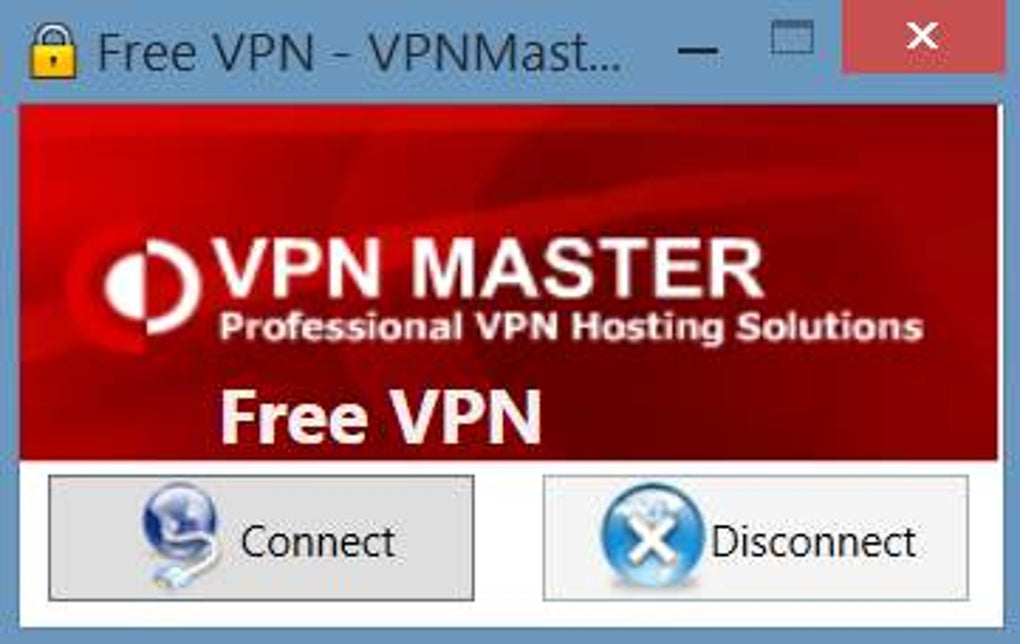
The digital landscape is constantly evolving, presenting both incredible opportunities and significant risks. One of the most crucial aspects of navigating this digital world safely and securely is protecting your online privacy and security. This is where Virtual Private Networks (VPNs) come into play. VPNs encrypt your internet connection, masking your IP address and making it difficult for third parties to track your online activity. This article explores the world of free VPNs, examining their benefits, drawbacks, and alternatives. While a specific “Free VPN” application mentioned in the original text is no longer available, we’ll delve into the broader concept of free VPN services and their implications.
Understanding the Need for a VPN
In today’s interconnected world, our online activities leave a digital footprint. Every website we visit, every search we conduct, and every online transaction we make generates data that can be collected and analyzed. This data can reveal sensitive personal information, including our location, browsing habits, and even financial details. This information is valuable to marketers, advertisers, and even malicious actors.
A VPN acts as a shield, protecting your data from prying eyes. By encrypting your internet traffic, a VPN creates a secure tunnel between your device and the internet. This encryption makes it significantly harder for anyone intercepting your data to decipher it, safeguarding your privacy. Furthermore, a VPN masks your IP address, replacing it with the IP address of the VPN server. This makes it difficult to pinpoint your actual location, further enhancing your anonymity.
The benefits of using a VPN extend beyond individual privacy. Businesses, too, can benefit from the enhanced security and protection that a VPN offers.
VPN for Business: Enhanced Security and Productivity
For businesses, a VPN provides a critical layer of security for sensitive data and communications. It allows employees to securely access company networks and resources remotely, regardless of their location. This is particularly important for businesses with remote workers or those operating across multiple locations. A business VPN can:
- Protect sensitive data: Encryption prevents unauthorized access to confidential information transmitted over the internet.
- Enhance remote access security: Employees can connect securely to company networks, accessing data and applications as if they were in the office.
- Comply with regulations: Many industries have strict data privacy regulations, and a VPN can help businesses comply with these requirements.
- Secure Wi-Fi connections: Using a VPN on public Wi-Fi networks prevents unauthorized access to company devices and data.
- Improve overall network security: A VPN can add an extra layer of protection against cyber threats, such as malware and phishing attacks.
Businesses should carefully consider their specific security needs and choose a VPN solution that meets their requirements. Factors such as the number of users, the volume of data transmitted, and the level of security required will all influence the selection process. It’s crucial to invest in a reputable VPN service provider that offers robust security features and reliable performance.
Exploring Free VPN Apps and Their Limitations
While numerous free VPN applications are available, it’s essential to understand their limitations and potential risks. Many free VPNs rely on advertising revenue or other monetization strategies, which can compromise user privacy. Some common drawbacks include:
- Limited bandwidth: Free VPNs often impose data caps, restricting the amount of data you can transfer. This can make streaming videos or downloading large files difficult.
- Slower speeds: Free VPN servers can be overloaded, resulting in slower connection speeds.
- Data logging: Some free VPN providers may log your browsing activity, undermining the very privacy they claim to protect.
- Security vulnerabilities: Free VPNs may lack the robust security features of paid VPN services, making them more vulnerable to cyber threats.
- Limited server locations: The number of server locations offered by free VPNs is usually restricted, which can limit your ability to access geo-restricted content.
- Malware risks: Downloading free VPN apps from untrusted sources can expose your device to malware.
Choosing a free VPN requires careful consideration and research. It is crucial to select a provider with a strong reputation for privacy and security. Reading user reviews and checking independent security audits can help you make an informed decision.
Alternatives to Free VPNs: Balancing Cost and Security
While free VPNs offer a seemingly attractive option, the limitations and potential risks often outweigh the benefits. Paid VPN services typically offer significantly better performance, security, and privacy features. These services invest in robust infrastructure, advanced encryption, and strict no-logging policies. The cost is often justified by the enhanced security and reliability they provide.
When considering alternatives to free VPNs, it’s important to evaluate your needs and budget. Paid VPN services vary in price and features, so it’s essential to research and compare different options before making a purchase. Look for providers that:
- Offer a robust security protocol: Strong encryption is crucial for protecting your data.
- Have a strict no-logging policy: Ensure your activity isn’t tracked or stored.
- Provide a wide range of server locations: This allows you to bypass geo-restrictions and improve connection speeds.
- Offer customer support: Reliable customer support is essential if you encounter any problems.
- Have a positive reputation: Read reviews from other users to assess the provider’s reliability and performance.
Investing in a reputable paid VPN service can provide significant peace of mind, ensuring your online activities remain private and secure.
Conclusion: Prioritizing Online Security
In the digital age, online security and privacy are paramount. While free VPNs may seem like an attractive option, their limitations and potential risks often undermine their value. The potential for compromised security, slower speeds, data logging, and malware exposure should be carefully considered. For robust protection and enhanced performance, a reputable paid VPN service is often the better choice. Weighing the costs and benefits is essential to make an informed decision that aligns with your specific needs and priorities. Prioritizing your online security and privacy is an investment that can safeguard your personal information and protect you from potential cyber threats. Remember to always research thoroughly and choose wisely when selecting a VPN service, whether free or paid.


