
FreeCall, a VoIP application, offered users the ability to make free calls from their personal computers. While no longer actively maintained and updated (its last update was in 2011), examining its legacy provides insight into the evolution of VoIP technology and the challenges faced by early entrants in this competitive market. This review delves into its functionalities, user experiences, and the broader context of its place in the history of internet-based telephony.
FreeCall’s Core Functionality: PC-to-PC and Landline Calls
FreeCall’s primary function was facilitating free calls between users of the application. This PC-to-PC calling feature was a defining characteristic, allowing for unlimited conversations as long as both parties had the software installed and were online. This was a significant draw for users seeking to avoid traditional phone call charges, particularly for longer conversations. Beyond PC-to-PC calls, FreeCall also offered the ability to make calls to landlines in select countries, although this feature likely required a credit system or a paid subscription model, details that are now difficult to confirm due to the software’s discontinued status. The exact list of countries accessible through this feature remains unclear from available information.
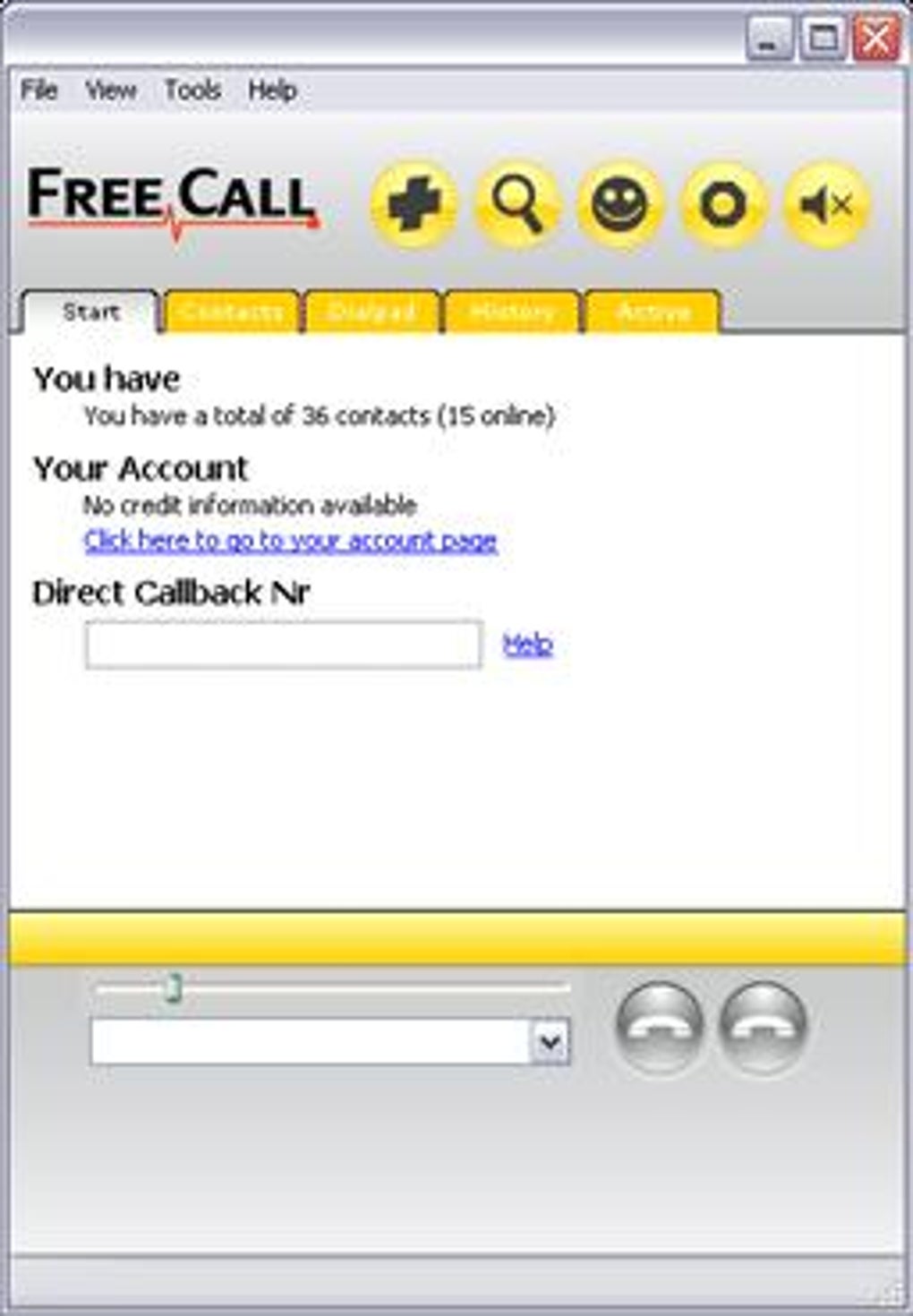
The interface likely presented users with several methods to initiate calls. A text box allowed for entering usernames of other FreeCall users or phone numbers, while a contact list provided a convenient way to dial saved contacts. A traditional dialpad replicated the familiar experience of a standard telephone, offering an intuitive interface for making calls. Integration with the computer’s keyboard was also likely a key feature.
User Interface and Experience: Simplicity and Limitations
Based on user reviews, the user interface was likely characterized by its simplicity. While this ease of use was a significant advantage for users unfamiliar with VoIP technologies, it likely lacked the sophisticated features and polished design that more modern VoIP applications possess. The software’s reliance on a now outdated design means that any attempt to install and use it on contemporary operating systems is unlikely to produce successful results.
One recurring criticism found in user reviews centered around the color scheme, described as “yellow,” which some found visually unappealing and un-customizable. The lack of options to personalize the interface is a common limitation of older applications. Additionally, issues with audio quality were frequently mentioned. The need for a high-quality microphone was highlighted, with echo problems noted in the absence of suitable equipment. Such limitations are not unusual in early VoIP software, reflecting the technical challenges in providing a high-fidelity audio experience over the internet.
Technical Aspects and System Requirements: A Legacy Application
FreeCall was a Windows-based application, indicating its reliance on a specific operating system. This lack of cross-platform compatibility limited its accessibility compared to modern applications that support various operating systems like macOS, Linux, iOS, and Android. System requirements are unavailable from the limited online information on the application. We can infer, however, that its relatively small file size (5.22 MB) suggests minimal system requirements by today’s standards, reflecting the simpler technical demands of software from this era. The availability on other platforms like Mac OS X (as noted in user reviews) suggests a broader initial reach than purely Windows-based software, though again, definitive confirmation is lacking.
The application’s reliance on older technology almost certainly prevents compatibility with modern operating systems and security protocols. Attempts to use FreeCall on a modern PC would likely encounter significant obstacles due to compatibility issues with updated software and security measures. Furthermore, security concerns related to outdated software are paramount: any attempt to use the software should be approached with extreme caution, given the potential security risks associated with using unmaintained applications.
FreeCall’s Place in the VoIP Landscape: Early Competitor and Discontinued Service
FreeCall emerged during the early stages of VoIP’s development. As such, it lacked the refinement and extensive feature sets of modern VoIP applications. The free PC-to-PC calls were a significant selling point, reflecting the initial focus on disrupting the cost of traditional phone calls. However, its dependence on a credit or subscription model for landline calls suggests a limited capacity for completely free usage. Compared to contemporary applications like Skype (which also offered both PC-to-PC and landline calls), FreeCall likely lacked the breadth of features, such as video calling, messaging, and file sharing, which later became standard elements of VoIP applications.
The discontinuation of FreeCall reflects the intense competition within the VoIP market. More established players with greater resources and ongoing development emerged, effectively pushing smaller players like FreeCall out of the market. The limited available information suggests a lack of official support or community maintenance, reinforcing the challenges faced by independent VoIP providers in a market increasingly dominated by larger companies.
User Reviews and Feedback: A Mixed Bag of Experiences
User reviews reveal a mixed reception of FreeCall. Positive feedback centers on the core feature of free PC-to-PC calls and the generally intuitive interface. Many users appreciated its affordability, with some highlighting how it provided cost-effective international calling options, although the details of the pricing model are not entirely clear. The low cost and ability to make international calls at low rates were significant factors in their positive assessment. The ability to save contacts added to the user-friendliness, enhancing its usability.
However, negative reviews also highlight significant shortcomings. Reports of the software not working consistently, particularly in certain regions, suggest reliability problems. Technical difficulties, such as connectivity issues and audio quality problems, were also frequently raised. The lack of responsiveness to user issues and difficulties contacting support further diminish the overall user experience. Furthermore, the absence of features like video calling and messaging, which were becoming standard in competitor applications, further placed FreeCall at a disadvantage.
Conclusion: A Snapshot of Early VoIP Technology
FreeCall serves as an interesting case study of an early VoIP application. While its simplicity and free PC-to-PC calling feature were appealing, its limitations – including a dated interface, lack of features, and reliability concerns – ultimately led to its demise. Its story highlights both the potential and challenges of the early VoIP landscape, illustrating the rapid evolution of this technology and the intense competition that shaped its development. While no longer functional, its legacy reflects the important early steps in establishing VoIP as a viable alternative to traditional telephony. The lessons learned from its success and shortcomings inform the development of modern VoIP services, which are characterized by significantly improved features, reliability, and user experience. The detailed examination of user reviews emphasizes the importance of addressing user feedback and providing robust technical support to ensure the longevity and success of any software product, particularly in a competitive market.
File Information
- License: “Free”
- Version: “4.07”
- Latest update: “January 19, 2011”
- Platform: “Windows”
- OS: “Windows XP”
- Language: “English”
- Downloads: “689.5K”
- Size: “5.22 MB”


